

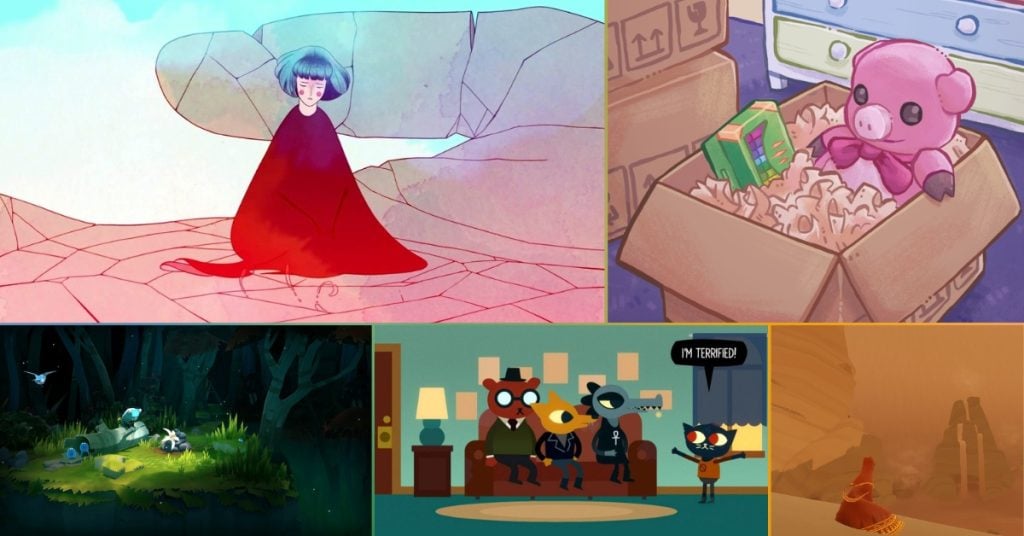
It wasn’t that long ago that talking about our mental health was considered unacceptable. Thankfully, the stigma is changing rapidly to the point where we have actual video games designed not just for calm, but to actually explore ideas surrounding mental health. Not only do kids learn about other people’s mental health and empathy, but it can also help them identify feelings they have felt but couldn’t put words to and give them tools to manage their anxiety and other mental health challenges.
As a human who deals with anxiety, I have passed it on to my kids, who all deal with varying levels of the monster. I am always looking for ways that we can all manage our anxiety through changing our behaviors, and some of these games are amazing for that. These aren’t just cozy games meant for relaxing. Most of them are cozy, but they also explore themes that make people uncomfortable from time to time. For the most part, they are all meant to be gentle ways to gamify learning about mental health and how to manage it in a healthy way.
I’ve included the ESRB age rating for each game: E is rated for everyone, E10+ is for gamers 10 and older, and T is rated for teens. As with all our recommendations on Parenting Patch, I urge all parents to consider their children’s maturity levels when deciding which games they can play. I’ve also included which gaming consoles and platforms, including VR, these games are available on.
‘Aery Peace of Mind: 4’ Is Everything in One
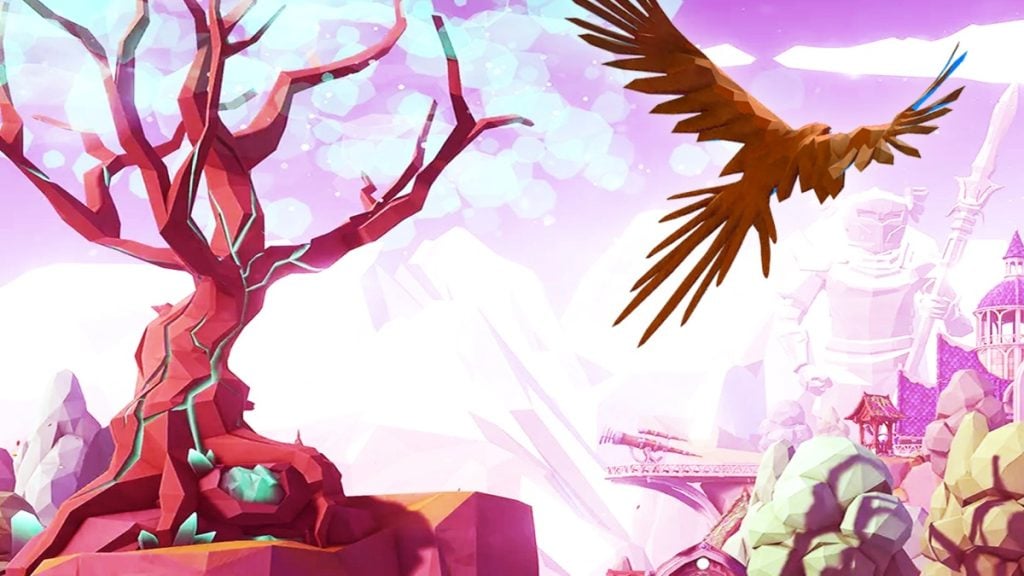
Anxiety comes from a lot of places, whether it is schoolwork, relationships, chores, or any number of other stressors, so there is no one-size-fits-all strategy to video games that helps with mental health. I like Aery because it takes a holistic, calm-mind approach to helping kids cope with stress and anxiety. You take control of a bird and fly around gorgeous landscapes with not much to do but collect crystals. There isn’t a goal, there are no conflicts or fights, and no puzzles to solve. Instead, kids (and adults) can allow all their problems to melt away in a peaceful environment.
I downloaded this game the second I learned about it, and it’s one of my favorites on the list. The Aery series is designed to give players a break from the reality of the outside world, and it accomplishes that perfectly. While the main goal is to let your brain turn off, I appreciate the different landscapes available. Even if this game didn’t help people manage anxiety through calming play, it would still be fun as a flight simulator. There are multiple games in the Aery collection, and each of them is just as amazing as this one.
ESRB Age Rating: E
Where To Play Aery Peace of Mind: 4: Xbox Series X/S, Xbox One, PC (Steam/Windows)
‘Journey’ Lives Up to Its Name
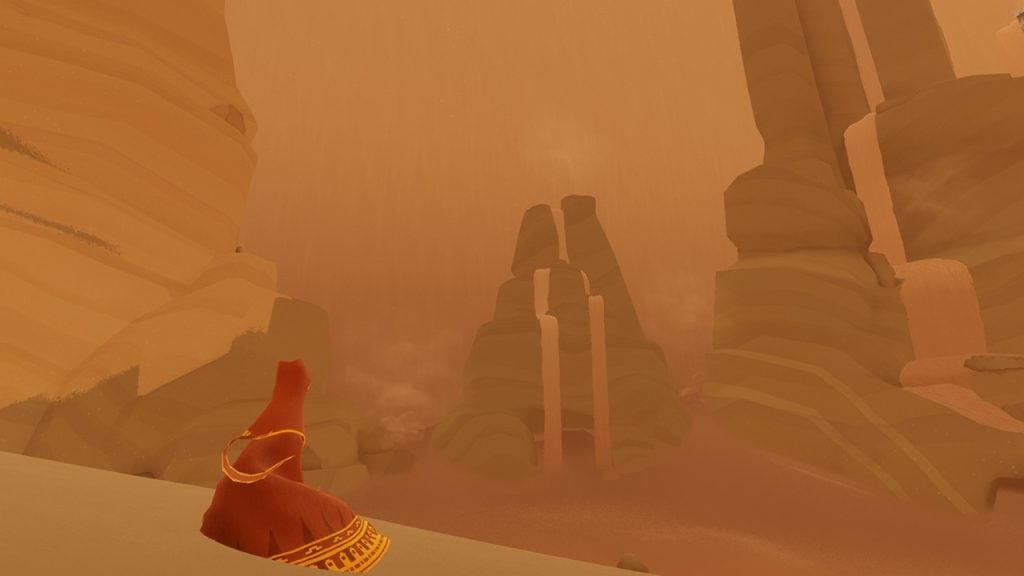
Journey has been around for a while, but it is still one of the best games for anxiety. Much like Aery, the goal of this game is exploration over all else, but there are elements that set this game apart. Instead of a variety of scenery, Journey keeps you in a desert landscape most of the time. You also walk more than you fly; instead of picking up crystals, you pick up pieces of cloth that elongate your scarf and let you fly for short bursts. Many players believe that this game is a literal reflection of life’s ups and downs and how we respond emotionally to them.
There are many reasons to love Journey, but the one I love most is that you can interact with people on a basic level. This is a fun, linear game that lets you explore a wide map and occasionally encounter other players. There is no dialogue in this game, so players can only communicate through tones. This means that players don’t know much about each other apart from their shared experience in the game, and no one can be rude, mean, or otherwise affect your mental health when you play. I would argue that this sense of camaraderie and human connection in a safe environment helps beat loneliness without feeling obligated to have a conversation with someone.
ESRB Age Rating: E
Where To Play Journey: PS4, PS3, PC, iOS
‘Celeste’ Turns Mental Health into Another Person

Celeste is a little more heavy-handed when it comes to discussing mental health. Players helm Madeline, a young girl dealing with mental health issues through an alternate persona named “Badeline”. Most everything in this game is a metaphor for something else. Badeline is a manifestation of the feelings Madeline doesn’t like but seems to control her; Celeste Mountain is a representation of the silent uphill battles we all face; and the gondola-breaking scene does an excellent job of showing what a panic attack feels like in 16-bit animation.
Celeste is amazing because it’s an incredibly powerful tool wrapped up in an unassuming throwback game. The gameplay is simple enough that younger kids can master the controls, and since the goal of this game is to help mental health, there are no consequences to dying other than maybe being set back a few steps. The thing that I truly, deeply, genuinely love about this game is how it teaches kids real-world solutions in a video game. Not only is the wording very specific to help kids identify and face mental health issues (i.e., “It’s okay to be scared” instead of “don’t be scared”), but it also includes guided breathing exercises that kids can take from the game and apply to real-life stressful situations.
ESRB Age Rating: E10+
Where To Play Celeste: PS4, Xbox One, Nintendo Switch, PC (Windows, Mac, Linux)
‘Unpacking’ Helps More Than It Seems
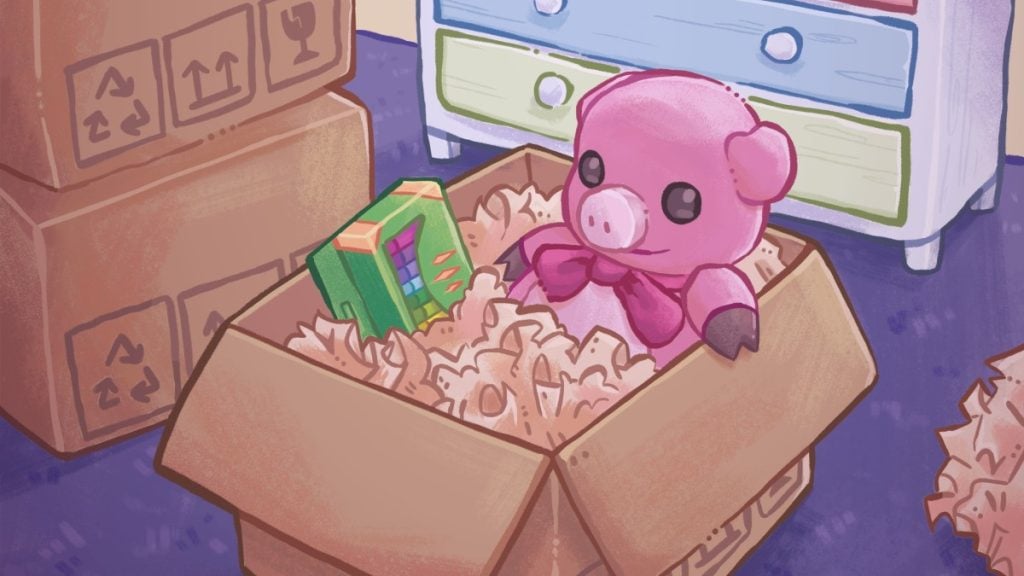
Unpacking is largely considered a mindless cozy game, but there is a little more there to, um, unpack. At its core, this is literally a game about unpacking and organizing a room, which can be a fantastic metaphor for mental health and life in general. Each room you unpack comes with a story about the items and their significance to you. As the level progresses, you go from unpacking a single room to an entire house, with each level adding some difficulty. For instance, in a later level, you may be moving in with a roommate or partner and need to unpack your items around items that are already in the house.
My anxious child loves cozy games, so this one has been part of our collection for a while. You could say it’s meant only to help clear the mind and destress, but this game has multiple themes that subtly address mental health. For instance, themes of moving homes, changing family dynamics, and personal growth are excellent for kids who are mirroring similar changes in their real lives. I especially prefer the later levels, when you are forced to compromise with others and work together to find a place for everything that keeps everyone happy.
ESRB Age Rating: E
Where To Play Unpacking: PS5, PS4, Xbox Series X/S, Xbox One, Nintendo Switch, PC, iOS, Android
‘Fractured Minds’ Is Short But Powerful
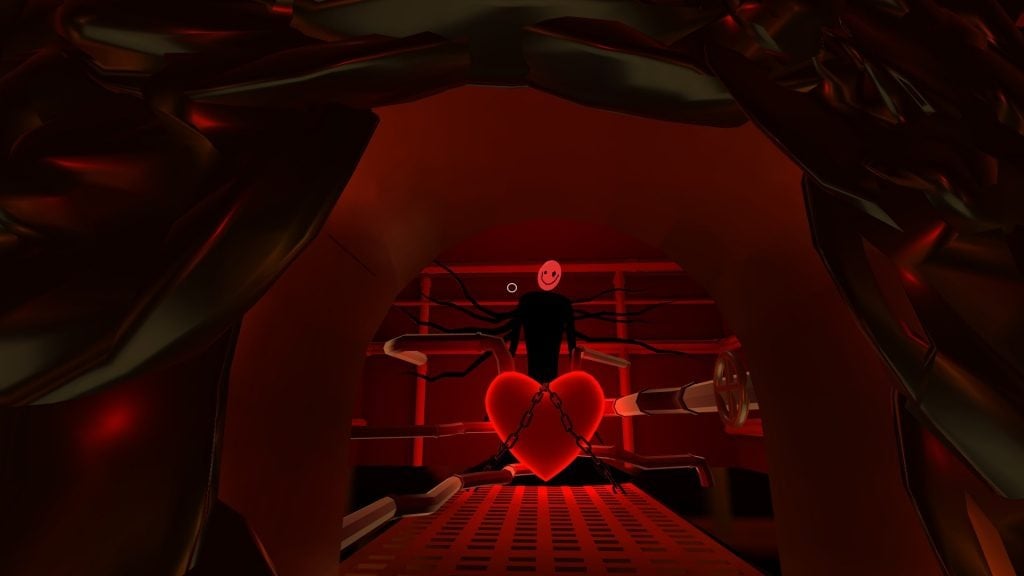
This is another game that doesn’t beat around the bush when talking about mental illness. Created by a seventeen-year-old girl, this quick but poignant endeavor explores common mental health problems. There are only six levels, and each level explores a mental health challenge through puzzles. Chapters cover feelings like anxiety, paranoia, and loneliness. Most players will speed through this game in under an hour, but that doesn’t mean they won’t get anything from it.
The fact that this game was created by a girl around my daughter’s age sold me before I even saw it. I love that the story is short and to the point, but the puzzles are engaging enough that kids are forced to listen to the message. One more thing that makes this an awesome game for kids who struggle with mental health is that the proceeds are split between the creator and the Safe in Our World Charity that supports gamers’ mental health.
ESRB Age Rating: E
Where To Play Fractured Minds: PS4, Xbox One, Nintendo Switch, PC, iOS, Android
‘The Last Campfire’ is About Helping Others
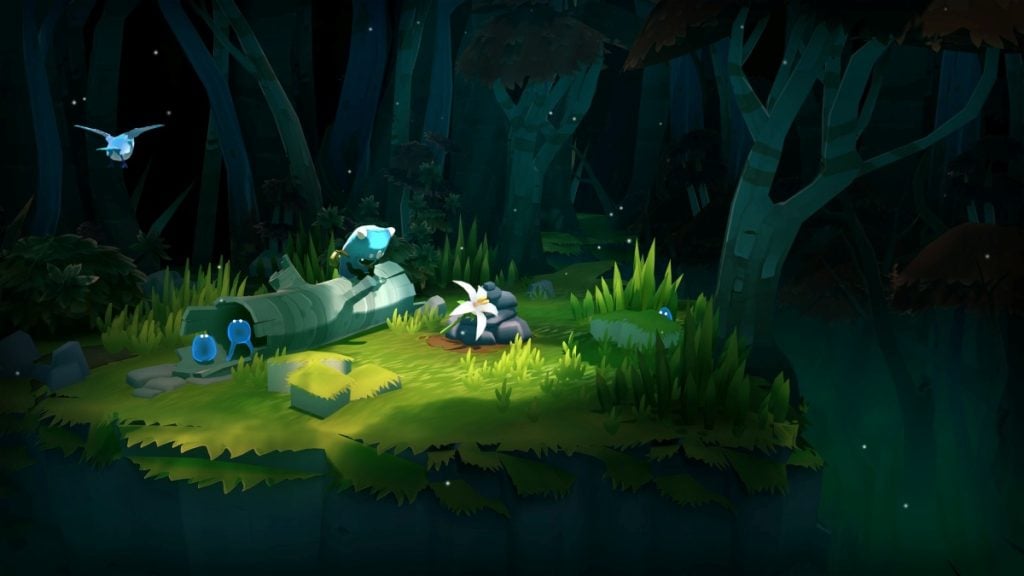
The Last Campfire examines mental health issues, but it does it in a subtle way that doesn’t scream “this is about depression and anxiety”. You are in charge of helping little creatures called The Forlorn, who have given up on their journeys. These creatures are sad, lost, scared, or hopeless that they will ever find their way, so they have given up. It is your job to listen to their struggles and find solutions that help them rediscover their purpose. Even if this game didn’t mention mental health, it would still be an awesome game for calming because it isn’t about conflict and combat; it’s about listening and helping.
Sometimes you help yourself by helping others, which is why I love the idea behind this game. The Forlorn are clear analogies for negative feelings, but instead of having to deal directly with your own negative feelings, you get to help others work through theirs and get back on the right path. This indirect route may spark internal dialogue that helps kids connect to their own lives.
ESRB Age Rating: E
Where To Play The Last Campfire: PS4, Xbox One, Nintendo Switch, PC, iOS (Apple Arcade), macOS
‘Two Point Hospital’ May Not Be For Everyone
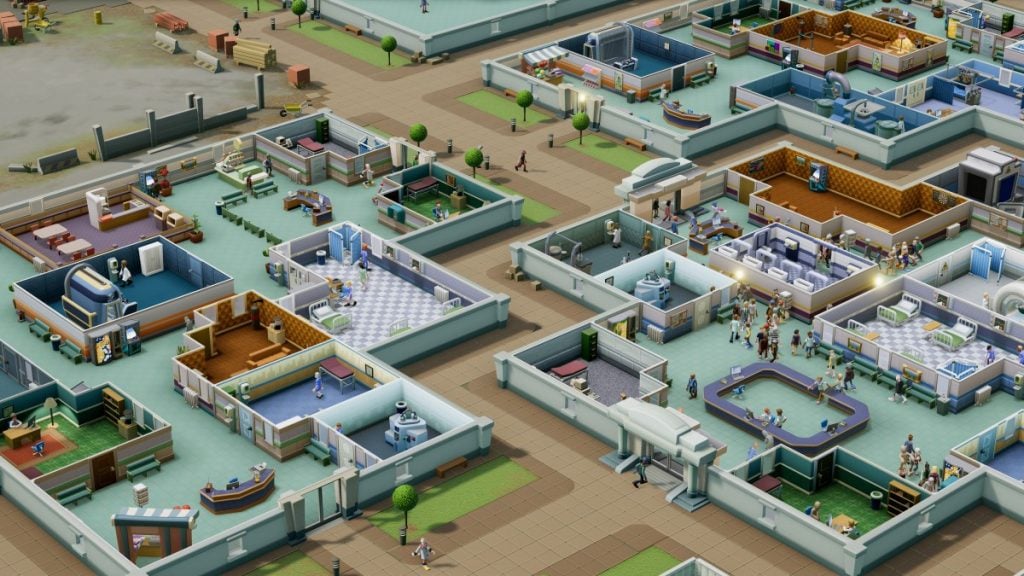
Mental health takes the stage in a portion of this game. The Two Point franchise is this generation’s Tycoon game, so it is more about building and maintaining a hospital than actual clinical work. However, in the game, there is a dedicated psychiatric ward, and only doctors with a psychology qualification can work there. The downside to this game is that it adds humor and satire to mental illness. Sometimes laughter is the best medicine, but mental health issues are serious matters, so some players may not appreciate the comical tone of Two Point Hospital. Players are required to have specialized staff handle mental health disorders while managing patients’ happiness and stress levels.
The Two Point franchise is an awesome collection of cozy games because it’s fun and also teaches kids life skills and entrepreneurship. What I like particularly aboutTwo Point Hospital is that it normalizes therapy. Taking a humorous look at mental illness can sometimes add levity to a serious situation. Since mental health isn’t the only focus of this game, it is also a great way to broach the topics of mental health instead of making it the main topic of the game.
ESRB Age Rating: E10+
Where To Play Two Point Hospital: PS4, Xbox One, Nintendo Switch, PC, Mac, Linux
‘Wylde Flowers’ is an Unexpected Gem
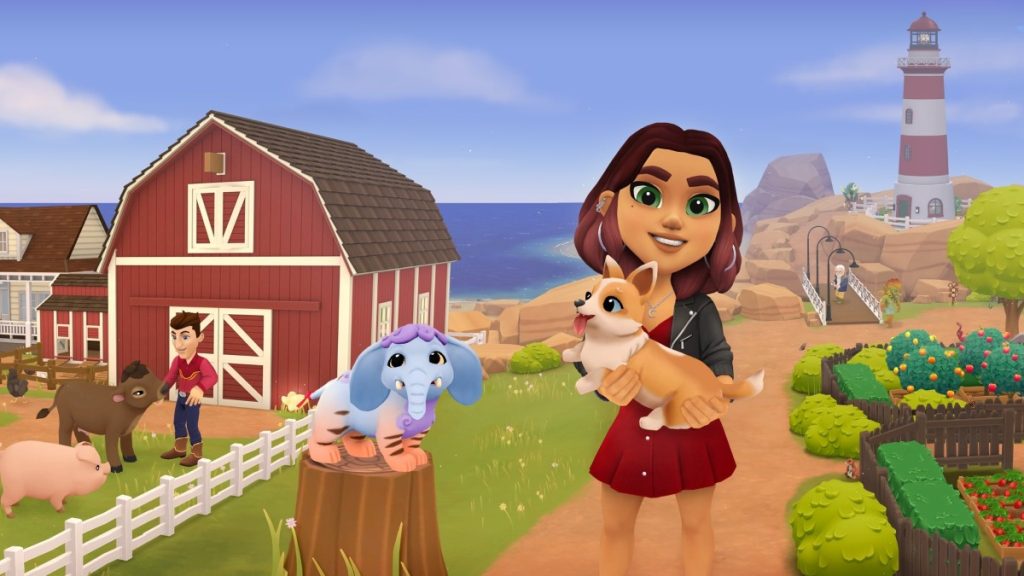
If you look at its cover, you would have no idea that this game explores mental health and coping mechanisms. At its core, this is a lifestyle sim where your character, Tara, is a farmer and caretaker by day and a witch by night. You move in with your ailing grandmother to care for her, but soon find that she and other townsfolk are actually witches. Despite the game’s magical aspects, it is very much a traditional life-sim in the vein of Animal Crossing and Stardew Valley, with just enough differences to set it apart. Parents should be aware that Tara’s grandma eventually passes in the game, which may help kids learn about coping with grief, but could also be hard for some kids. If your child is dealing with death for the first time, check out our list of 20 kids’ movies that teach children about death.
It may not seem like a game meant to help with mental health, but this is another lead-by-example game. In the game, there is explicit dialogue about grief as Tara realizes her grandmother won’t be with her forever. There are also overlying themes of burnout and feeling stuck as Tara leaves her job to start a new life as a farmer. Tara isn’t the only one who is coping with mental health concerns, as many of the NPC townspeople you interact with also share the challenges they have in their own lives. This was a homerun in my house because it’s the exact type of game my oldest loves to play. I like it because it shows that it is okay to talk about your struggles, but it also teaches through play ways to cope and feel better when your mental health isn’t where you want it to be.
ESRB Age Rating: T
Where To Play Wylde Flowers: PS5, Nintendo Switch, PC, iOS (Apple Arcade), macOS
‘To the Moon’ Is Sad, But Touches on Important Topics
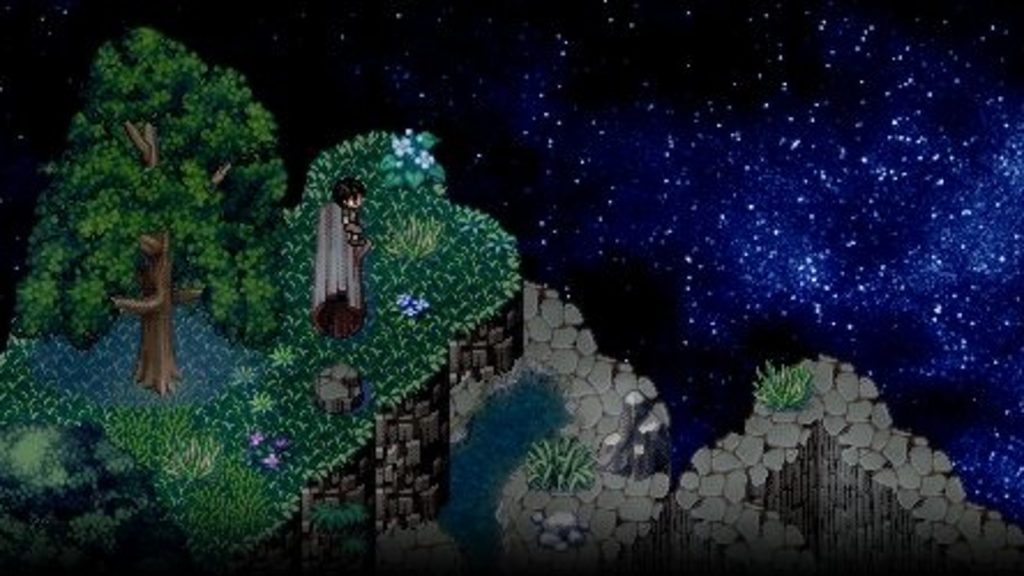
To the Moon has a Total Recall feel, as doctors promise dying people the chance to fulfill a final wish by altering their memories. When your current patient asks to be given memories of going to the moon, you think it’s a bit odd, so you start poking through his memories. You soon start unpacking the patient’s life and memories, and find that the moon isn’t so much a destination as a symbol. The game tackles themes of love, loss, hope, desperation, and most importantly, accepting what we don’t have control over. In the end, the patient gets his wish before passing peacefully, but the player receives a greater gift: understanding the meaning behind his wish.
To the Moon would be considered a cozy game if it weren’t for the heavy subject matter. There isn’t any combat in the game, and it isn’t puzzle-based; instead, it’s more of an interactive story. I love this game because it is another one where kids can help themselves by helping others. Hopefully, most kids don’t need to worry about losing loved ones, but older kids – especially in high school – start to deal with first loves and those heavy feelings of loss after a breakup. Games like this may help to work through some of those feelings vicariously by helping others do the same.
ESRB Age Rating: T
Where To Play To The Moon: PS5, Xbox Series X/S, Xbox One, Nintendo Switch, PC, iOS, Android
‘Gris’ Isn’t Shy About Emotion
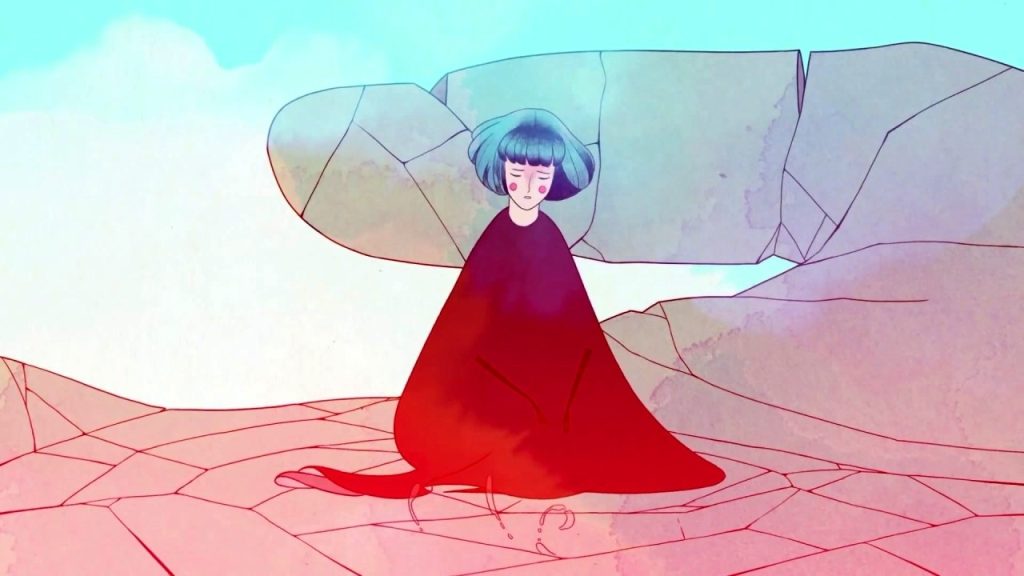
Gris is often thought of as a journey through grief. Before you get to the main theme of the game, you’ll notice that Gris is visually stunning and paired with calming music as you sidescroll through black and white ruins. As you progress in the game, the background colors change, and many believe this symbolizes the stages of grief. Even though this is a relatively simple side-scroller, there are still challenges that pop up, like windstorms that push you back and impede your forward progress, and collapsing platforms. This could also be seen as a setback on the road to healing.
Gris would be a fun game to play without the symbolism. It is a fun, slightly challenging, side-scrolling platformer that everyone in my house, including my six-year-old, can easily master. What I appreciate most is how this game is long enough to be entertaining without losing its underlying meaning. If it takes a kid a few days or even weeks to finish the game, they will still remember that Gris starts as a withdrawn girl in a black-and-white world who keeps pushing through her grief. As the game progresses, Gris eventually regains her voice as the world regains its color. As a parent who has experienced way too much loss, I love games like this that help kids understand that it always gets better, even though it can be a journey sometimes.
ESRB Age Rating: E
Where To Play Gris: PS5, PS4, Xbox Series X/S, Xbox One, Nintendo Switch, PC, iOS, Android
‘Room of Depression’ Doesn’t Mask Its Theme
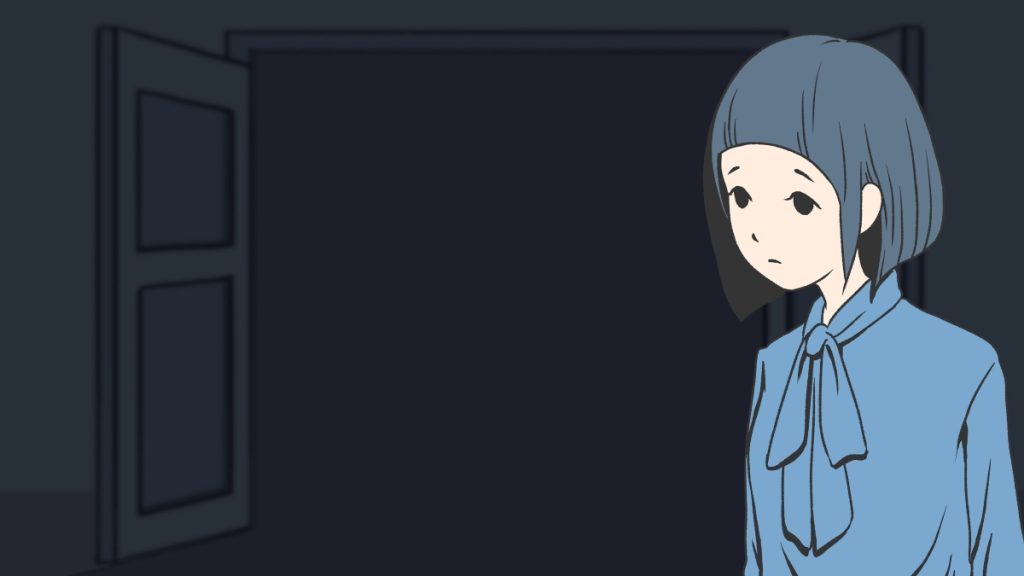
There is no room for interpretation here. Room of Depression was developed specifically to illustrate what people living with depression experience. The aim of this game isn’t so much to help kids with depression as it is to help them understand and empathize with people who struggle. You control a young office worker named Moon who lives with depression and see how she experiences ordinary life through the lens of her mental health. While this is technically a puzzle game, it is more narrative-driven and doesn’t take very long to complete.
There are so many reasons why this game is fantastic for kids living with depression or who know someone who does. The creators wanted to create a game that captures what it feels like to live with depression. They tackle the neurodivergent “Spoon Theory” by giving you a set number of energy points to spend on every task, even the most mundane. It also makes simple tasks like spelling words awkward and much more challenging than they should be. Despite the unpleasant idea behind the game, it isn’t as daunting or sad as it sounds. This game features a calming, quiet soundtrack, and it ends with a hopeful shift in Moon’s view of the world. I like it because it offers a glimpse into what it’s like living with mental illness to help build empathy and understanding.
ESRB Age Rating: E
Where To Play Room Of Depression: Xbox One, Nintendo Switch, PC, Mac, iOS, Android
‘Night in the Woods’ Is Cute But Doesn’t Sugar Coat Its Content
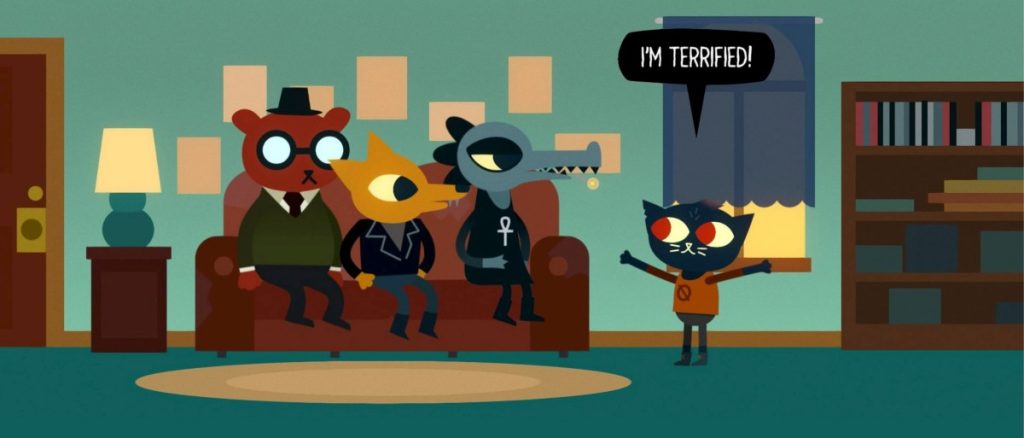
Mental health plays a significant role in this game, as the player controls Mae, who is forced to return to her hometown after dropping out of school. Mae’s sudden change of scenery fills her with anxiety and depression, so much so that she dissociates and starts seeing the world as shapes. Mae also has a group of friends who similarly display symptoms of mental health struggles. Anyone who has lived with anxiety will resonate with Mae as they play. There are multiple scenes that mirror the feelings of anxiety without blatantly spelling it out. Mae has night terrors, which are often brought on by anxiety in our real-world lives. She also has inner monologues throughout the game that perfectly mirror how many people with anxiety live.
What I like about Night in the Woods is that it doesn’t sugarcoat anything. The characters are honest and open about their feelings and the life experiences that influenced them. I also like that its gameplay is unique. The 2D artwork is eye-catching, and the music is interesting, but it’s the mixture of narrative-driven play with side-scrolling mechanics that makes it stand out. The reason it’s so great for kids struggling with mental health is that they can resonate with the characters’ different aspects and coping mechanisms, despite them being 2D animals. The best part, and the message that I like that it imparts to my kids, is that working on yourself and your mental health doesn’t have an end. It is a constant journey, and there is no shame in leaning on the people around you when you can’t do it yourself.
ESRB Age Rating: T
Where To Play Night In The Woods: PS5, PS4, Xbox One, Nintendo Switch, PC, Mac, Linux, iOS
‘Sea of Solitude’ is Harsh but Fair
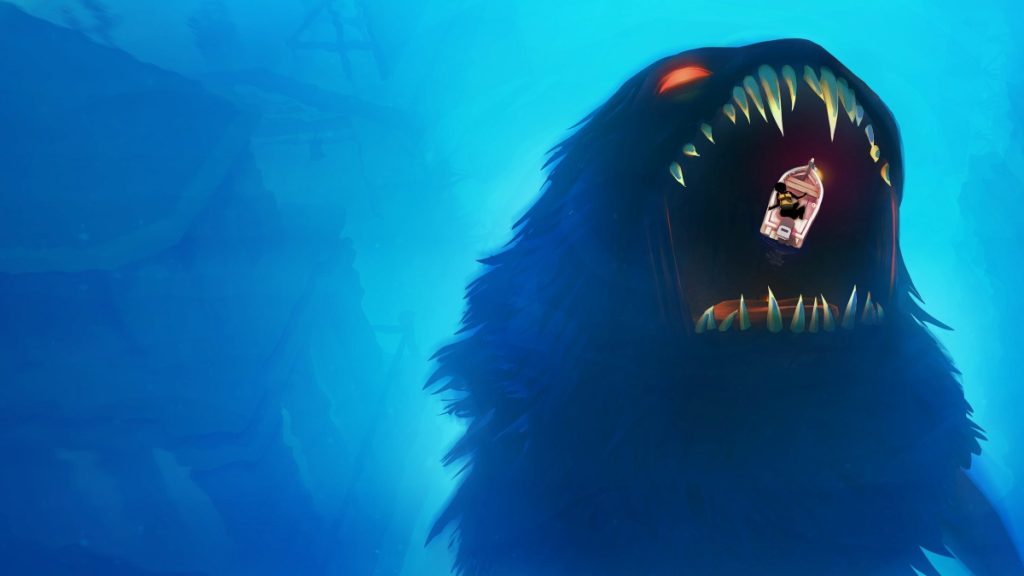
As the title suggests, this game is very clearly about struggles with mental health, specifically anxiety, depression, and loneliness. Everything in this game is a metaphor. Players play as Kay, a lonely girl whose feelings turn her into a literal monster. The scenery and monsters that you face are all metaphors for mental health struggles or their triggers. There is no doubt this game is about mental health, to the point where it may be a little much for some players. Kay has a pretty harsh inner monologue throughout most of the game. Although this is mostly a narrative-driven story, it also features elements of puzzle and adventure to keep it engaging.
I love Sea of Solitude because Kay ultimately realizes that she’s been too hard on herself. When she is forced to confront the fact that the monstrous world she’s been traversing was created in her own mind, she turns back into her old self, and the world begins to fade. This is definitely a game meant for older teens who can handle the kind of self-talk Kay does. I love it for my daughter because it doesn’t have a perfectly gift-wrapped happy ending. Instead, Kay realizes that things will eventually improve through self-acceptance and self-compassion. The game ends with Kay back in the real world, not magically cured, but with a new perspective on life. The idea that everything is not magically fixed at the end of the game, but things are on a better path, is an excellent reminder to kids with vulnerable minds that things do get better, and a lot of times, you can be your own worst enemy.
ESRB Age Rating: T
Where To Play Sea Of Solitude: PS4, Xbox One, PC (Director’s Cut exclusive to Nintendo Switch)
‘No Time to Relax’ Accidentally Describes Anxiety
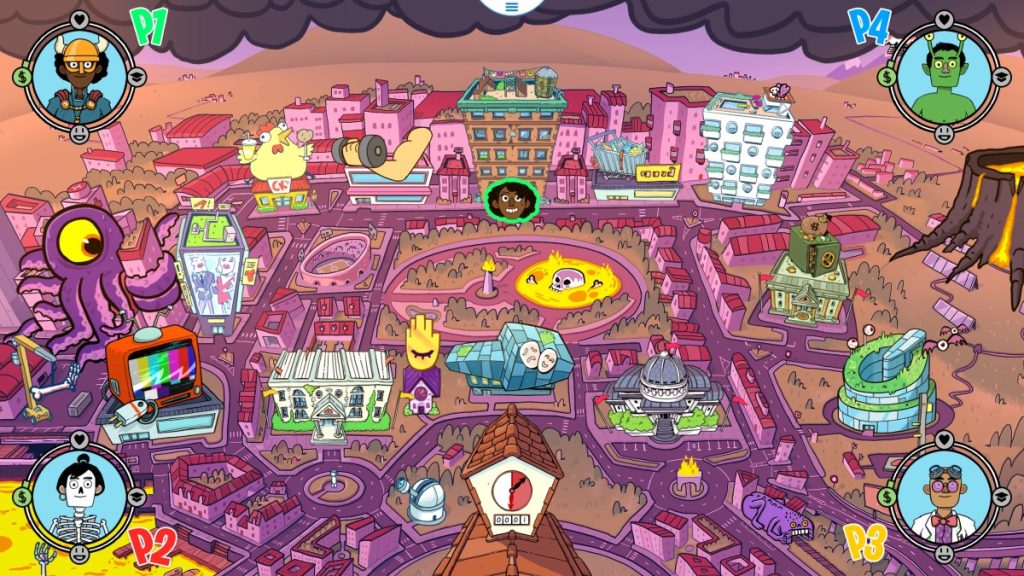
No Time to Relax isn’t expressly about mental health, but it does an excellent job describing what it’s like to live with anxiety and neurodivergence. It feels like an anxious offspring of The Sims and The Game of Life. It’s a tongue-in-cheek social commentary where players must run the rat race of life, going to school, having a job, taking care of themselves, and tending to their relationships, and the precarious balance it takes to stay happy through it all. While it doesn’t directly and specifically tackle mental health, the ideas of burnout and overworking yourself are heavily prevalent. Since it is in a board game format, the game can be played infinitely with any number of outcomes, especially when it can be played by up to four players simultaneously.
We love this game in our house because we love board games, and we’re all made of anxiety and neurodivergence. This game highlights how people with neurodivergence and mental health challenges feel all the time. It’s like no matter how hard you work, or how many tasks you try to juggle, there is always something left at the end of the day to stress you out. The satirical nature of this game makes it fun to play, and since the mental health themes aren’t blatant, it doesn’t feel like they are making light of mental health struggles. If anything, it feels like a direct message: we get that life can be overwhelming, but a little humor can go a long way when you’re feeling stressed and burned out.
ESRB Age Rating: T
Where To Play No Time To Relax: PS5, Xbox Series X/S, Xbox One, PS4, Nintendo Switch, PC, Mac
‘Tripp’ Is Amazing But Needs Extra Equipment
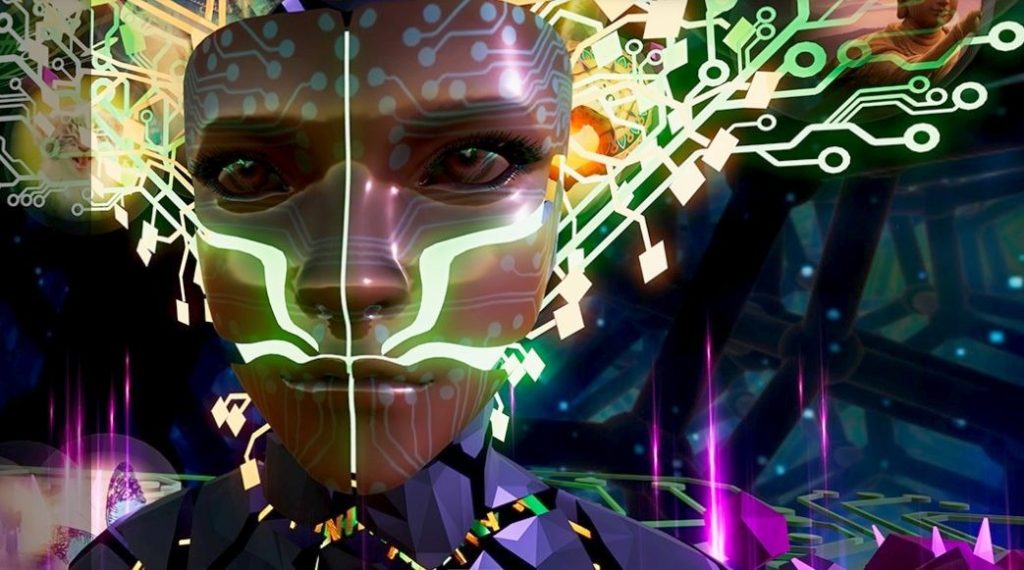
Tripp might be the quintessential mental health game because it is specifically designed to help, but it unfortunately requires a VR headset. The developers of the game describe Tripp as feeling like a video game meets a happy pill. This isn’t a narrative game, but more of a tool to help calm and regulate emotions through guided meditation and gaming. The goal of Tripp is to improve overall mental and physical well-being by teaching skills like breathing and mindfulness. While it is a bummer that VR is needed for this game, you can see why. You end up in gorgeous, immersive environments designed to cut you off from the stressors of the real world and calm your mind. The mini games are also super simple, but that is because they are meant to calm and distract instead of challenge. The ability to personalize your space in-game and an AI coach that helps you stay positive and motivated also helps to make this game feel more comfortable.
We have this game on the Oculus, although it is also available for PSVR. I personally love it because it’s like Wii Fit for your mind. It takes a little extra equipment, but in return, you get all the benefits in a gamified fashion. Not that you don’t do anything in this game, but instead of playing through a two-hour-long narrative where you live vicariously through a character, you are doing the work yourself and learning skills you can bring into the real world. While it’s not a replacement for therapy or medical intervention, Tripp may be a great tool in addition to other therapies that help kids struggling with their mental health.
ESRB Age Rating: E
Where To Play Tripp: Meta Quest (2, 3, Pro), PSVR, PSVR2, Apple Vision Pro, Pico 4, iOS/Android
These video games all offer different approaches to openly discussing and exploring mental health. However, they are not a substitute for actual professional help. If you or your child may be suffering from anxiety, depression, or any other form of mental health condition, I highly recommend speaking to a healthcare professional who can offer expert advice and assistance.

