

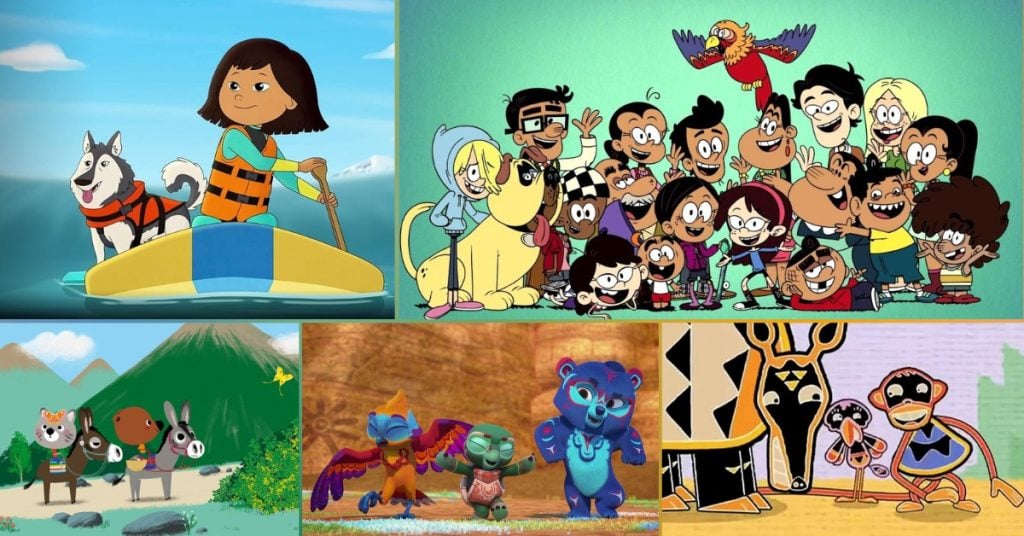
Given the seemingly ever-declining societal importance of art and culture, I’ve worked hard to teach my kids as much as I can about expressing themselves through art of any kind. This has been great fun; both my kids have taken to it, but as an added bonus, it’s opened their minds to art and expression of different cultures.
Using that as a jumping-off point, my wife and I love to take the kids to local museums and cultural festivals, and we have worked some very fun shows about global cultures very different from ours into their TV-watching routine.
Not to get too hippy-dippy, but the world is a kaleidoscope of perspectives, cultures, and people. Not getting to know them would be a huge missed opportunity to become better people. Below are a few TV shows that we’ve enjoyed that feature characters and settings from around the globe. Great for starting conversations and even better for opening minds, kid and parent alike.
Where To Watch Note: Some streaming services may list episodes in a different order or split episodes into multiple parts. I suggest searching by episode name if the episode isn’t located in the same position I have noted. I’ve included recommended age ranges for each show along with the streaming services where they’re currently available in the United States. Streaming availability and age recommendations in this guide reflect platforms commonly used by families in the United States. International availability may vary by region due to licensing.
Spirit Rangers
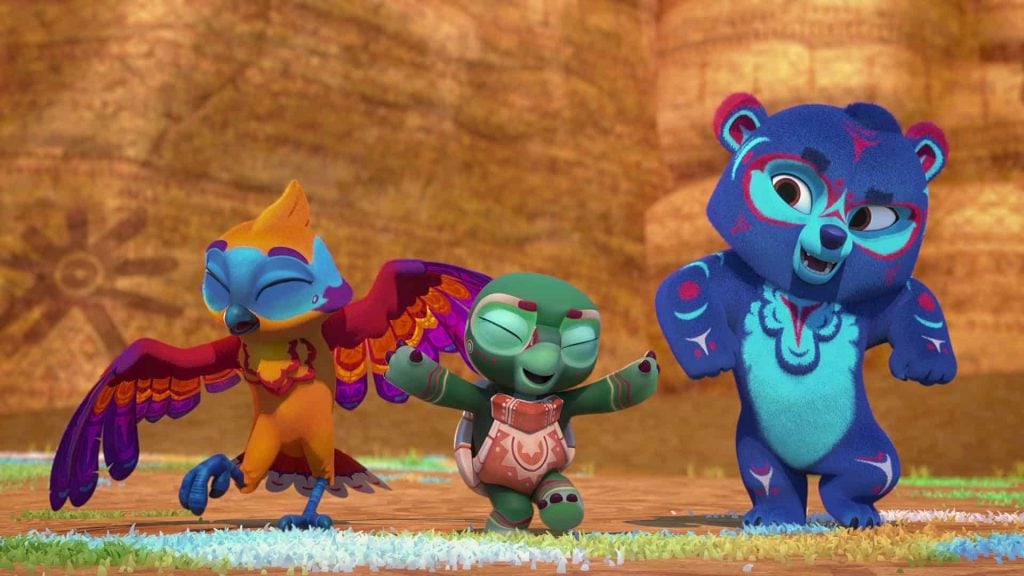
Spirit Rangers stars Kodi, Summer, and Eddy, three junior park ranger siblings who transform into the superpowered Spirit Rangers. The show takes place in America’s national parks, and the Spirit Rangers protect the land, animals, and spirits that live there. Inspired by Native Stories: Each episode draws from Native American storytelling and cultural backgrounds, offering a rich narrative infused with traditional elements of nature conservation and the importance of community.
How Spirit Rangers Teaches Kids About Different Cultures: Spirit Rangers is crafted to be an authentic representation of Native Americans. The writers on the show are of Indigenous heritage, and the show incorporates elements from the Chumash and Cowlitz tribes. “Spirit Rangers” also promotes the significance of community and identity, teaching young viewers about Indigenous traditions, respect for nature, and the interconnection between people and the land.
These elements make “Spirit Rangers” a meaningful series that educates children about Native American culture while providing engaging entertainment.
Age Range: 4-8 years
Where To Stream: Netflix
Let’s Go Luna!
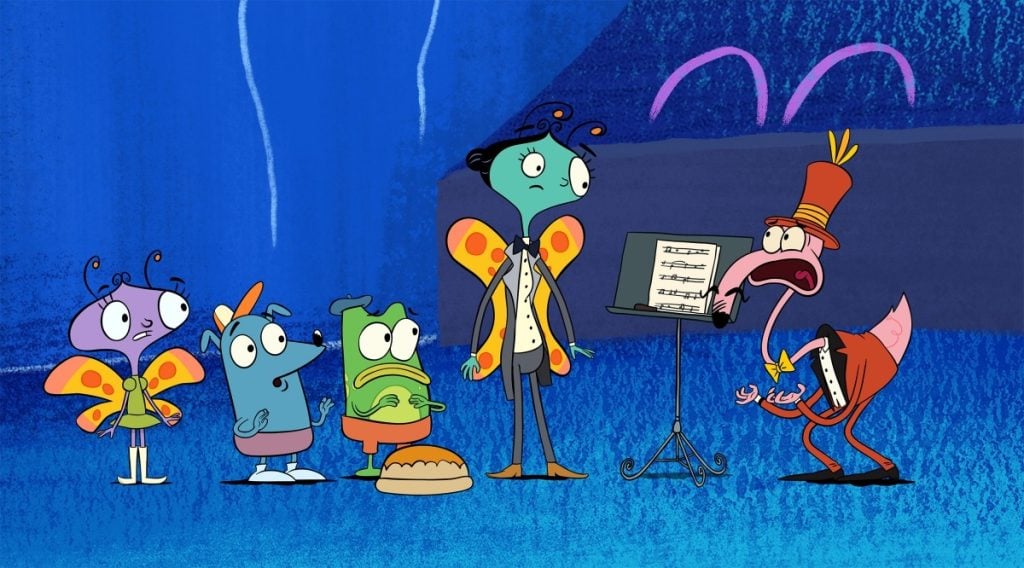
Let’s Go Luna!In Let’s Go Luna! Three friends—Leo, Carmen, and Andy—travel around the world with a global traveling circus called Circo Fabuloso. In each location, Luna, the moon, serves as their guide and companion. She helps the children learn about local customs, foods, and traditions as they explore. Through their curiosity and interactions, the kids learn important life lessons while making kid-friendly cultural discoveries and observations.
How Let’s Go Luna! Teaches Kids About Different Cultures: Let’s Go Luna! is a global show that takes viewers to diverse locations like Mexico City, Cairo, and Beijing. This introduces viewers to different cultural practices, languages, and holidays. For example, in the episode set in Mexico City, children learn about Day of the Dead and Mexican music. “Let’s Go Luna!” also highlights the importance of language and food across cultures. In France, the kids taste local French foods and learn basic French phrases, fostering appreciation and respect for cultural traditions and communities.
Age Range: 4-8 years
Where To Stream: PBS Kids, Amazon Prime Video
Maya & Miguel
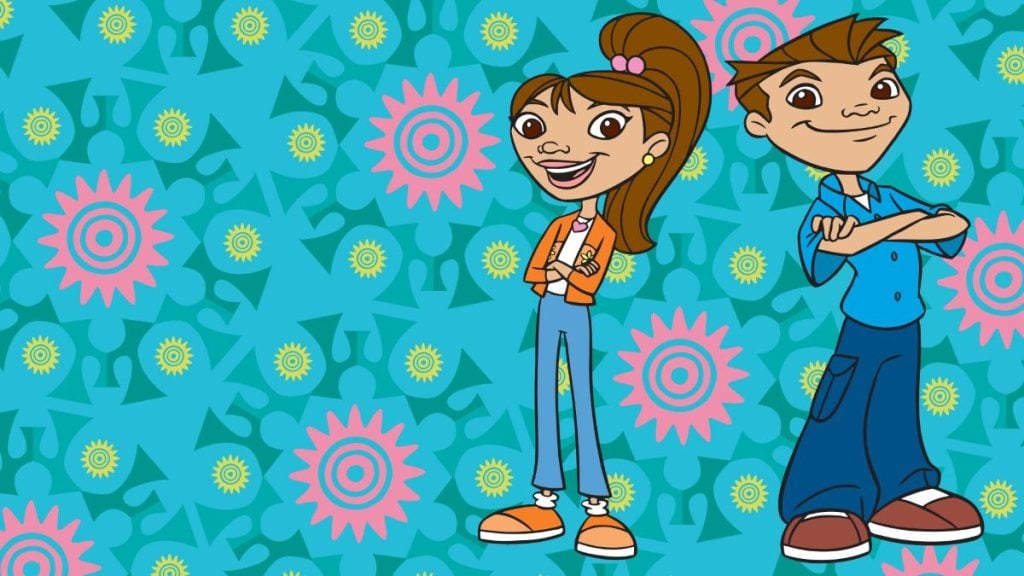
Maya & Miguel is a beloved PBS KIDS series that follows the life of energetic ten-year-old twins Maya and Miguel Santos as they navigate everyday life in a bustling, diverse neighborhood. Set in the fictional neighborhood of Portals, the twins interact with a multicultural cast of characters, including their parents (of Mexican and Puerto Rican descent), their grandmother, Abuela Elena, and friends of various ethnicities. The show centers on Maya’s “big ideas,” which are usually well-intentioned but often chaotic schemes to help her friends, family, or community that go awry. Maya then has to recruit her brother Miguel and their friends to help fix it.
How Maya & Miguel Teaches Kids About Different Cultures: Maya & Miguel is unique in that it highlights the nuances within the Latino community by showing that “Hispanic” isn’t just one group of people or places. For example, the episode “The Papi Express” teaches kids about the differences between Mexican and Puerto Rican traditions, music, and food. In episodes featuring Abuela Elena, viewers see the cultural importance of honoring elders and the tradition of passing down oral histories and family recipes, such as making tamales or arroz con pollo together. Maya and Miguel also often take part in their friends’ cultural traditions, like when their friend Maggie celebrates the Chinese New Year, to learn about different cultures.
Age Range: 6-11 years
Where To Stream: PBS Kids, Amazon Prime Video
Mira, Royal Detective
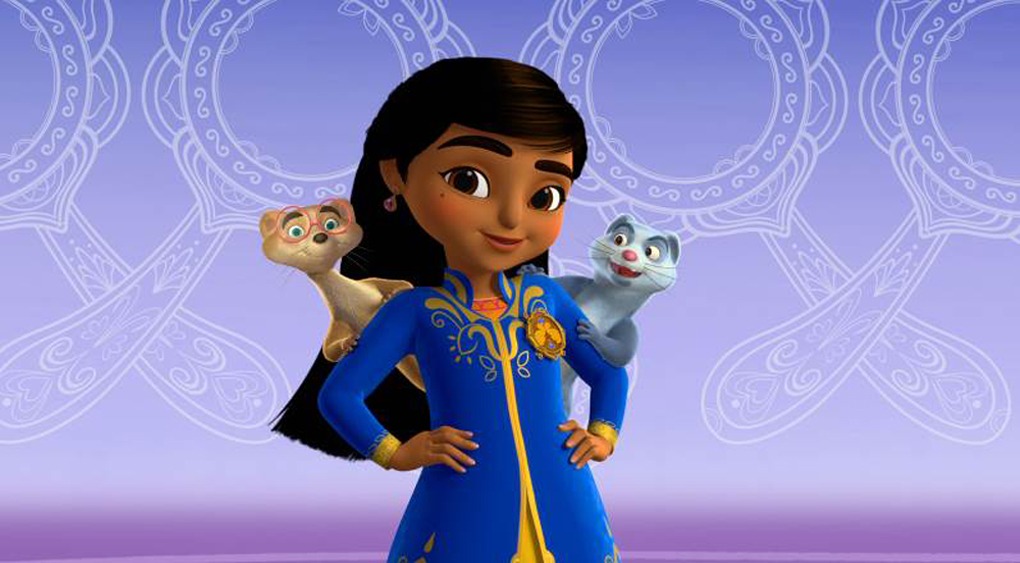
Mira, a resourceful and inquisitive girl, becomes the first female Royal Detective after saving the young prince of the kingdom of Jalpur, helping both commoners and royals. To help her out, Mira has two hilarious mongoose sidekicks, Mikku and Chikku, as well as her inventor friend, Prince Neel, and her fashion-forward cousin, Priya. The show uses a mystery-solving mechanic to encourage preschoolers to think critically and use detective skills (including a magnifying glass and notebook) to help gather clues and solve the case.
How Mira, Royal Detective Teaches Kids About Different Cultures: Mira, Royal Detective is set in India and introduces young viewers to South Asian life, culture, and celebrations. In the episode “The Case of the Missing Rakhi,” kids learn about Raksha Bandhan, a holiday in which siblings tie decorative “rakhis” (bracelets) around each other’s wrists to celebrate their bond. Characters often use Hindi terms and enjoy traditional meals and snacks, including samosas, ladoos, and mango lassis. The series also features authentic Bollywood-style choreography and music, detailed Indian architecture, and traditional clothing such as saris, lehengas, and anarkali suits.
Age Range: 4-8 years
Where To Stream: Disney+
Super Wings
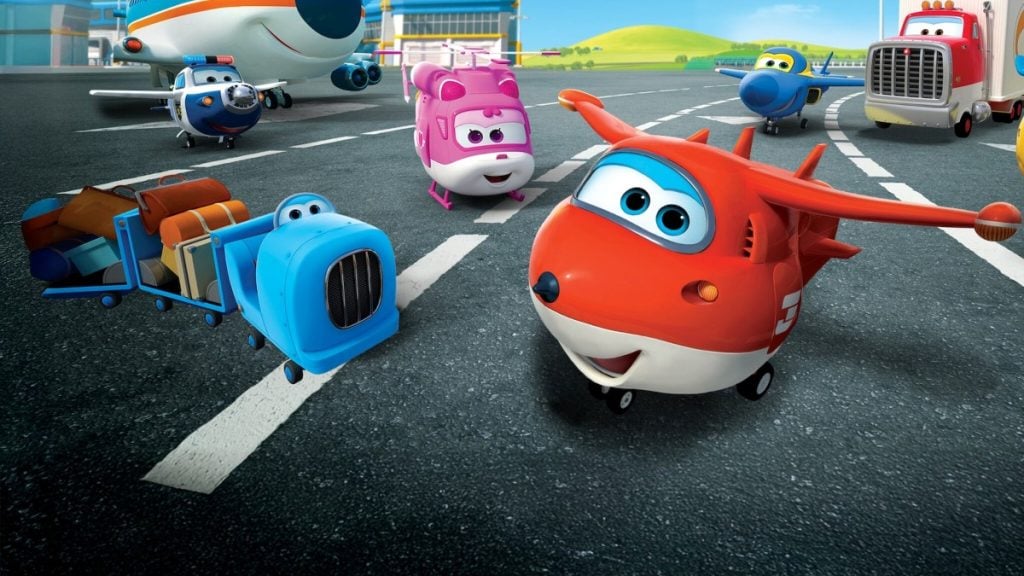
Super Wings revolves around Jett, a young jet plane/robot tasked with delivering packages to children worldwide. Each episode features Jett landing in a new country, sparking exciting and educational adventures. Jett is supported by a team of robot planes and vehicles, each with unique skills. They work together to resolve challenges that arise during deliveries. Jett and the other Super Wings develop friendships with children from different cultures as Jett learns about their lives.
How Super Wings Teaches About Different Cultures: Every episode of Super Wings is set in a different country and includes real-life cultural practices and landmarks. In an episode set in India, Jett participates in a Diwali celebration, learning about the festival’s significance and the importance of light in Indian culture. Super Wings episodes also feature basic language of the countries visited and show kids an age-appropriate glimpse into the lives of children around the globe, helping viewers explore global diversity.
Age Range: 3-6 years
Where To Stream: Netflix, Amazon Prime Video
Mighty Little Bheem
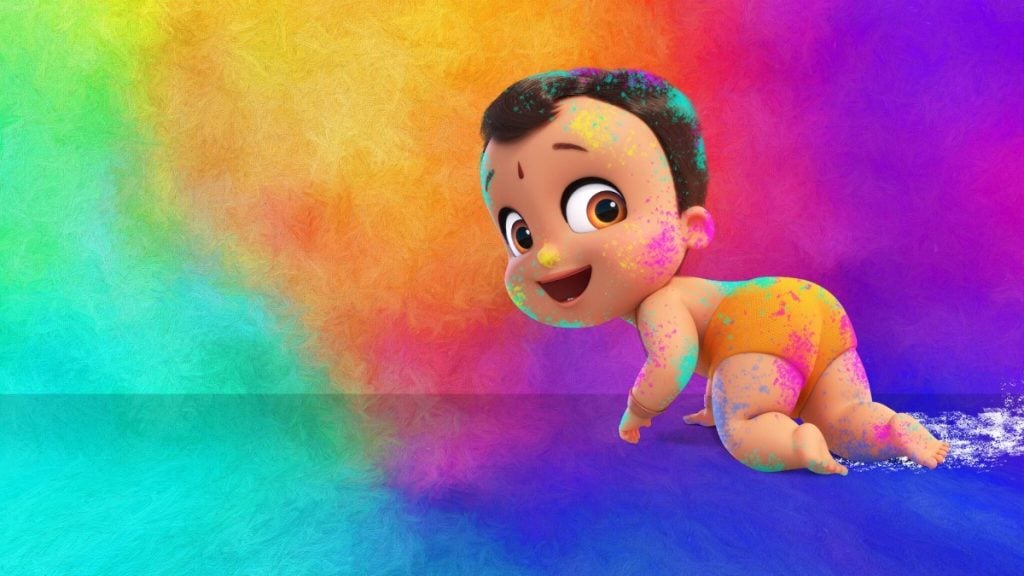
Adorable Bheem is a super-strong and endlessly curious toddler. Bheem wanders throughout his village and turns everyday moments into big, wordless adventures. Each episode features Bheem using his surprising strength and determination to solve simple problems, often creating really funny chaos along the way. The show is non-verbal and relies on visual storytelling, physical comedy, and expressive animation rather than dialogue. This makes it accessible to preschoolers worldwide.
How Mighty Little Bheem Teaches Kids About Different Cultures: Mighty Little Bheem showcases Indian village life, including colorful markets, street vendors, homes, and temples that reflect real-life everyday settings in India. The show also introduces cultural foods, such as laddoos and other traditional sweets, which recur throughout Bheem’s adventures. Reflects Indian customs and clothing, including traditional outfits, festivals, and community interactions, helping kids become familiar with Indian culture through observation. Bheem’s adventures are very relatable to preschoolers and show how they can connect with kids of similar ages from different cultures.
Age Range: 3-6 years
Where To Stream: Netflix
The Casagrandes
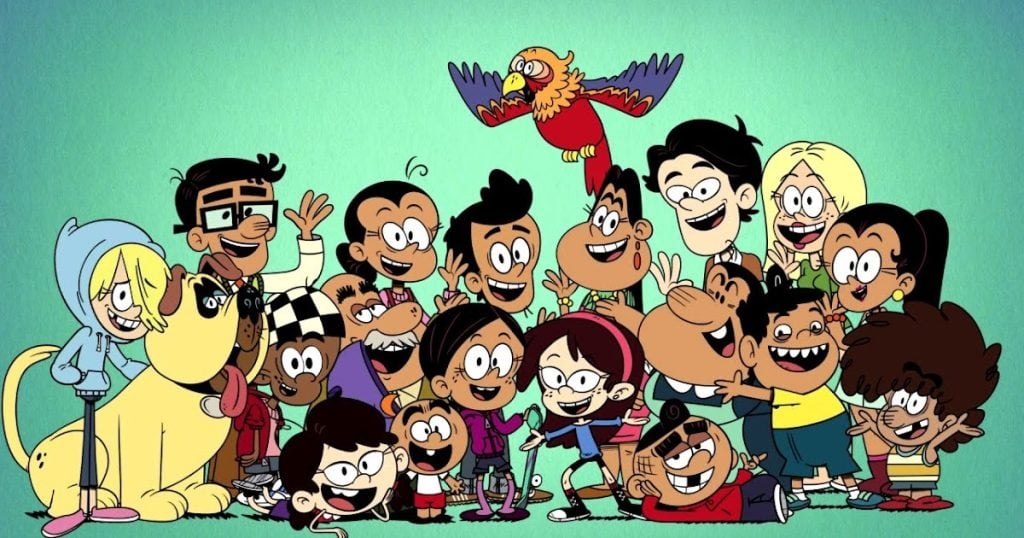
The Casagrandes is a spin-off of The Loud House that follows 11-year-old Ronnie Anne Santiago as she navigates life in the big city within a multi-generational Mexican-American household. Ronnie Anne and her brother Bobby adjust to living above the family-owned Casagrande Mercado in an apartment shared with grandparents (Abuelo and Abuela), their aunt and uncle, and several cousins. The series focuses on city life, showing how Ronnie Anne explores her diverse neighborhood, makes new friends, and finds her own identity.
How The Casagrandes Teaches Kids About Different Cultures: The Casagrandes focuses on family values and relationships in the Hispanic culture. Kids see how every family member participates in household responsibilities and celebrations, teaching kids about respect for elders and helping out. The show seamlessly blends English and Spanish, introducing viewers to common phrases. Food is a major focus in The Casagrandes, including preparations for Día de los Muertos (Day of the Dead), showcasing traditional foods like pan de muerto. There is also an excellent episode named “Lucha Fever,” which dives into the world of Lucha Libre (Mexican wrestling), explaining its cultural significance, the importance of the masks, and the theatrical storytelling involved in the sport.
Age Range: 6-11 years
Where To Stream: Nickelodeon, Paramount+
The Real Adventures of Jonny Quest
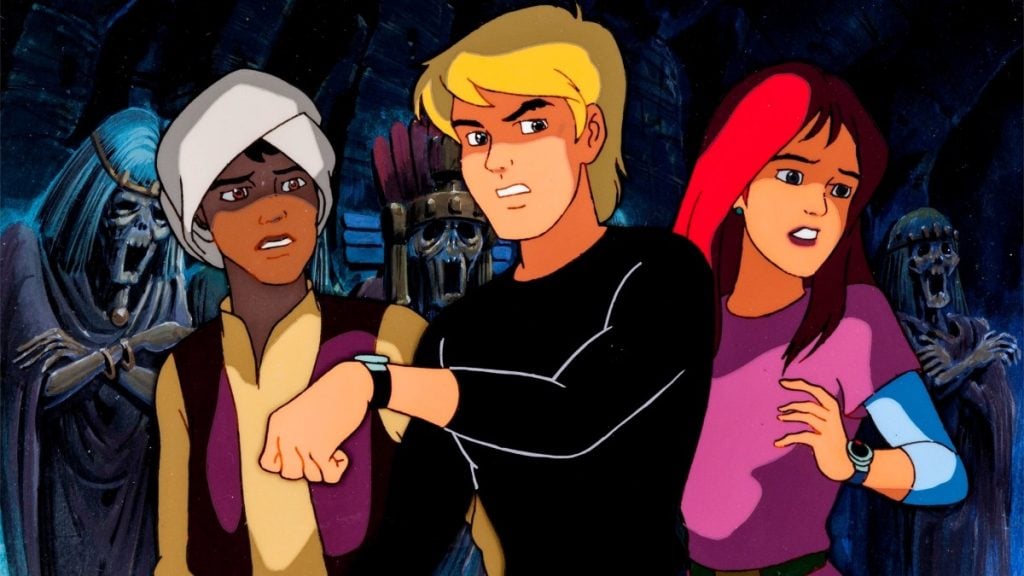
The Real Adventures of Jonny Quest follows the titular Jonny Quest, his father Dr. Benton Quest, bodyguard Race Bannon, and friend Hadji as they travel the globe on high-stakes scientific and espionage missions. The team uses cutting-edge technology to investigate ancient mysteries and global threats across cultures worldwide. Blending action, science fiction, and real-world locations, the show teaches problem-solving, emphasizing intelligence, teamwork, and courage in dangerous situations.
How the Show Teaches Kids About Different Cultures: In The Real Adventures of Jonny Quest, missions take place in settings like Central America, Asia, and the Middle East, exposing viewers to diverse landscapes, cities, and traditions. Each episode teaches kids about different cultures through local legends, archaeological sites, and historical myths. This gives kids an idea of how history and culture influence real-life societies. The diverse cast also includes characters from different backgrounds, such as Hadji, who practices meditation and encourages cultural curiosity and appreciation.
Age Range: 7-12 years
Where To Stream: Amazon Prime Video
Dora the Explorer
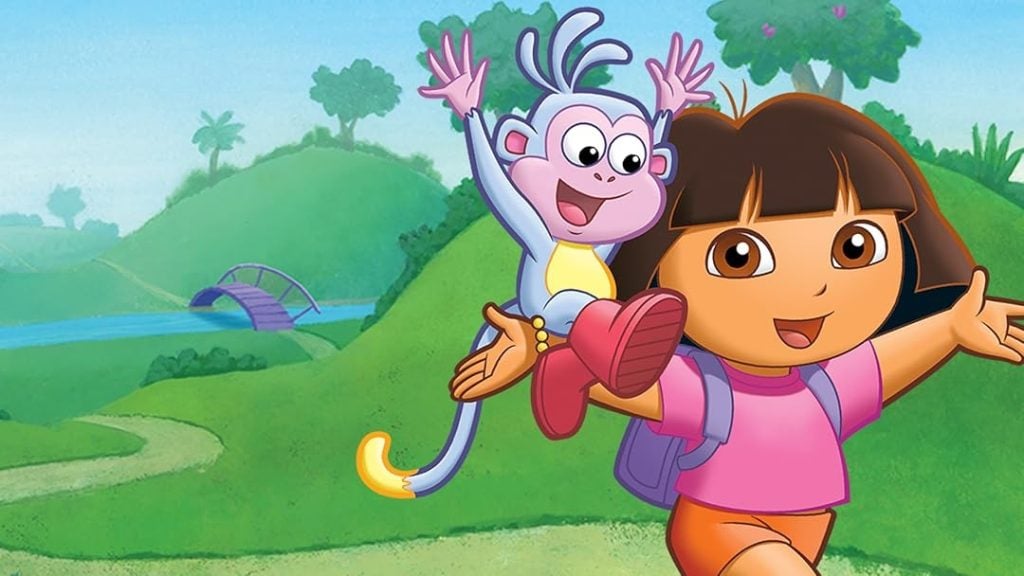
The classic show Dora the Explorer follows young adventurer Dora and her monkey friend Boots as they set out on kid-friendly journeys to help friends and solve problems on the way to various destinations. The show is very interactive, inviting viewers to participate by answering questions, solving puzzles, and helping Dora navigate using her map and backpack. Kids also get to help ward off the villainous Swiper the Fox as he tries to ruin Dora and Boots’ travels. The show blends adventure with early learning, focusing on problem-solving, cooperation, and exploration.
How Dora the Explorer Teaches Kids About Different Cultures: Dora introduces kids unfamiliar with Spanish to common phrases and words, such as “Abuela” and “Vámonos.” Dora regularly shares with the audience Latin American cultural traditions and celebrations, such as festivals, music, and dance inspired by her culture. The show also features Latin American foods, landscapes, and customs from different regions, helping kids recognize and appreciate cultural diversity through adventure-based storytelling. Dora never talks down to the audience, either, providing preschool kids with a relatable, fun character who feels more like a friend.
Age Range: 2-5 years
Where To Stream: Paramount+, Amazon Prime Video
Totally Spies!
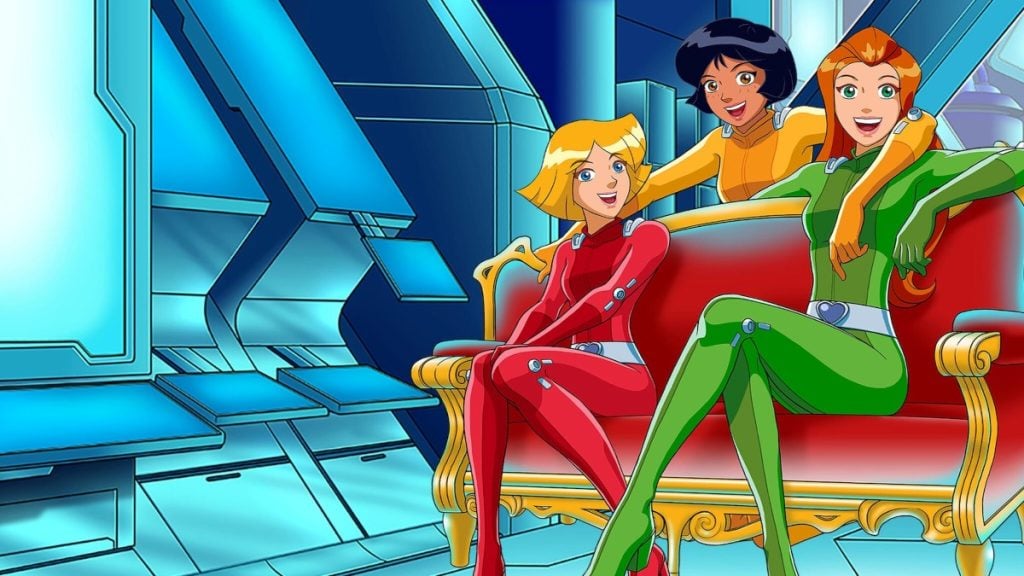
Totally Spies! is a high-energy action-comedy series that follows three Beverly Hills teenagers named Sam, Alex, and Clover. The three girls balance their average high school lives with global adventures and missions for the World Organization of Human Protection (WOOHP). A variety of high-tech gadgets disguised as fashion accessories allow the spies to stay stylish while on missions tackling global threats and eccentric villains. Much of Totally Spies! focuses on the girls’ struggle to maintain their secret identities, keep up with their schoolwork, and manage their social lives while being whisked away through “WOOHP-ing” portals at a moment’s notice.
How Totally Spies! Teaches Kids About Different Cultures: Because WOOHP is a global organization, the spies travel to a new international location in almost every episode. Kids learn about iconic landmarks and cities, such as Paris (France), Tokyo (Japan), and Rio de Janeiro (Brazil). The show often incorporates cultural aspects of the regions the spies visit. For instance, in the episode “Starstruck,” the girls travel to London, where the character designs lean into British “Mod” fashion. In “Malled,” they visit a massive mall in Dubai, touching on the architecture and luxury of the region. In subsequent episodes, they attend traditional festivals and visit historic sites like the Great Wall of China and the Egyptian Pyramids, providing kids with a basic introduction to world history and various diverse locations around the world.
Age Range: 7-12 years
Where To Stream: Amazon Prime Video
Ni Hao, Kai-Lan
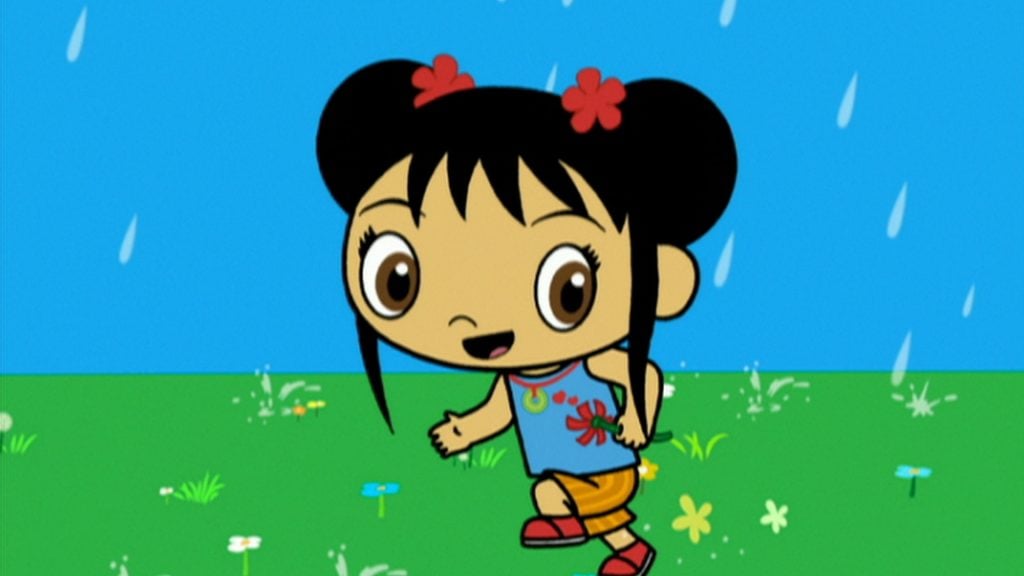
Ni Hao, Kai-Lan is a vibrant preschool series that follows the adventures of a playful young Chinese-American girl named Kai-Lan and her animal friends. Kai-Lan is an optimistic preschooler who invites viewers to join her in playing games, solving problems, and managing emotions alongside her friends Rintoo the tiger, Tolee the koala, and Hoho the monkey. Kai-Lan often speaks directly to the audience, teaching kids basic Mandarin Chinese words and phrases that are integrated into her adventures. Kai-Lan often helps her friends navigate frustration or social conflicts with calm reasoning and empathy.
What Ni Hao, Kai-Lan Teaches Kids About Different Cultures: Ni Hao, Kai-Lan introduces kids to Chinese culture and the Mandarin language in a kid-friendly way. For example, in the episode “The Dragonboat Festival,” Kai-Lan teaches viewers how to say yī, èr, sān (one, two, three) to help her friends paddle in rhythm. Viewers are introduced to major Chinese cultural celebrations and their specific customs and foods, such as dumplings (jiaozi). The series also teaches kids the value of co-operation and fairness by showing how the characters often share toys and work together to resolve disagreements.
Age Range: 2-6 years
Where To Stream: Paramount+, Amazon Prime Video
Mouk
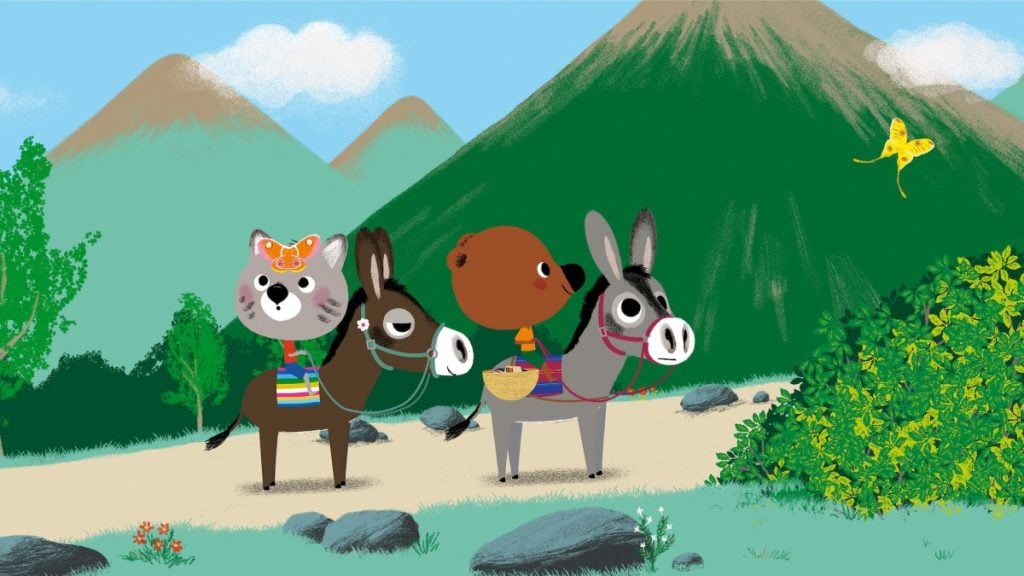
Mouk follows a young bear named Mouk and his best friend Chavapa the panda as they travel the world on bicycles. Together, they visit real countries, meet new friends, explore landmarks, cultures, and daily life, and help locals solve problems. The show blends gentle adventure with real-world geography, using authentic settings inspired by actual cultures and locations.
How Mouk Teaches Kids About Different Cultures: Each episode of Mouk introduces kids to real-life local customs, such as celebrating festivals in India or learning traditional music and dance in Africa. The show makes a point to highlight everyday life around the world, including how children play, go to school, and spend time with their families. Mouk encourages kids to be curious about different cultures and often teaches simple words and phrases in the local languages. The show teaches that learning about different foods, clothing, and environments in new cultures is an exciting part of global life.
Age Range: 4-8 years
Where To Stream: Amazon Prime Video
As Told by Ginger
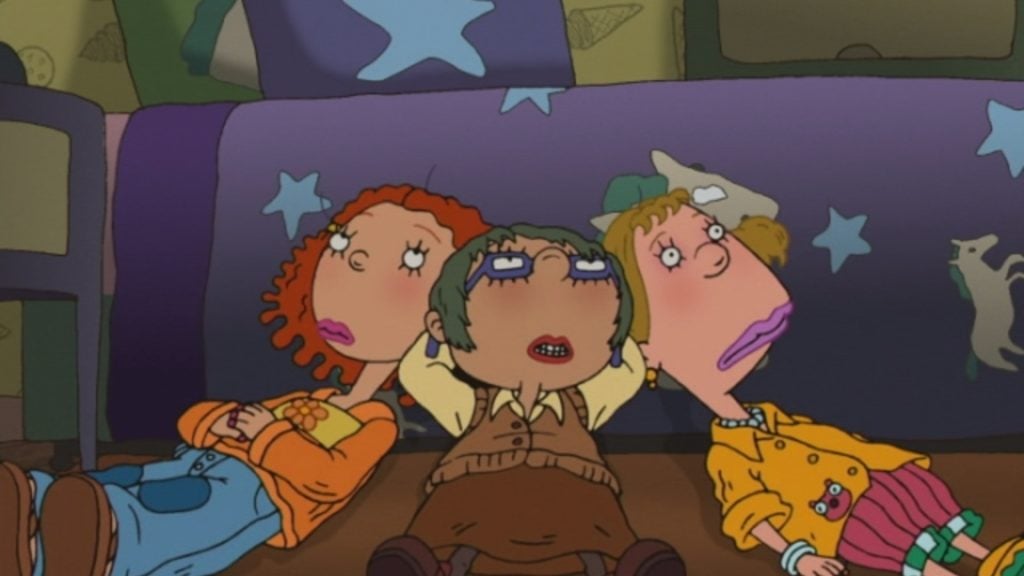
As Told by Ginger is a critically acclaimed Nickelodeon series that stood out for its realistic portrayal of adolescence, featuring characters who aged, changed their clothes, and dealt with complex emotional issues. The series follows Ginger Foutley, a creative kid who is often caught between loyalty to her “geeky” friends and the intrigue of popularity. Each episode is framed through Ginger’s diary entries, offering a grounded look at difficult topics such as divorce, betrayal, body image, and the struggle to remain true to oneself while trying to fit in.
Unlike most cartoons of its era, the show featured sustained story arcs in which characters aged and their relationships evolved over the course of the series.
How As Told By Ginger Teaches Kids About Different Cultures: As Told By Ginger continues its bold direction by exploring topics such as Jewish culture and multi-faith identities. “An Even Steven Holiday Special” finds Ginger discovering she is one-quarter Jewish. So, Ginger decides to embrace her heritage by celebrating Hanukkah alongside her usual Christmas traditions. The episode teaches kids about Jewish history and the concept of “Holidays” being a time for personal discovery rather than just a set of rigid rules. As Told by Ginger was also one of the first animated shows to feature interracial romance through the long-term relationship between Ginger (who is white) and Darren Patterson (who is Black). By portraying their families interacting naturally and showing Darren’s brother, Will, as a successful athlete and role model, the show challenged common stereotypes and depicted a diverse suburban reality.
Age Range: 7-12 years
Where To Stream: Paramount+, Amazon Prime Video
Sagwa, the Chinese Siamese Cat
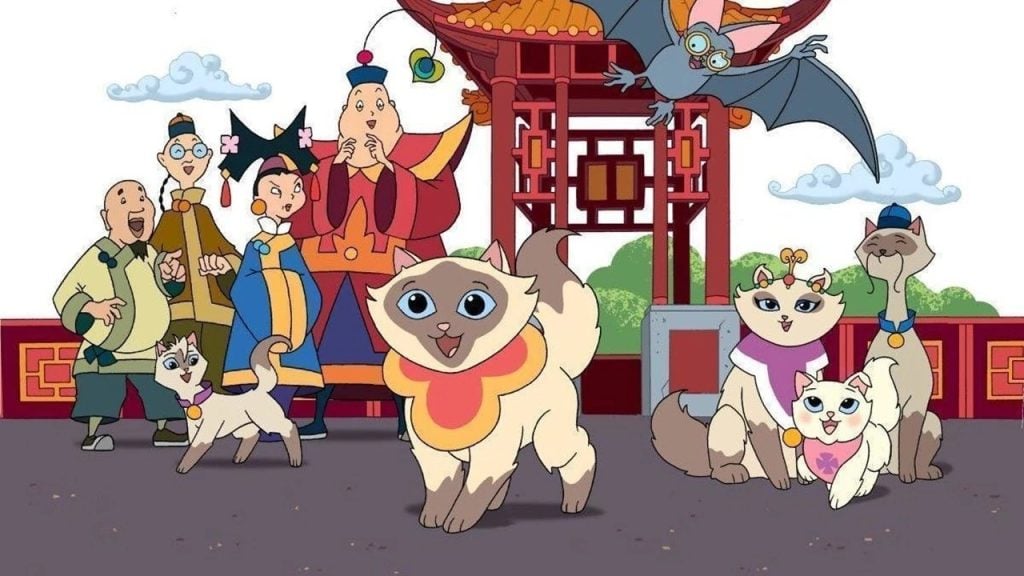
Based on Amy Tan’s book, Sagwa, the Chinese Siamese Cat, is an educational series set in historical China during the Qing Dynasty. Sagwa is a kitten who belongs to the Miao family, a clan of cats with the unique ability to write Chinese characters with their tails, serving as the official scribes for the Foolish Magistrate of the province. Sagwa, her siblings Dongwa and Sheegwa, and their bat friend Fu-Fu navigate day-to-day life and the palace’s rules. Episodes are told in a “fable” style, and the show emphasizes the importance of the written word in Chinese history, teaching about writing tools like inkstones, bamboo brushes, and rice paper.
What Sagwa, the Chinese Siamese Cat Teaches Kids About Different Cultures: The show places a heavy emphasis on the importance of the written word in Chinese culture and history. In “The Writing on the Wall,” students learn about calligraphy, a form of communication and a highly respected art form. Children also learn about the roles of officials and the importance of the palace’s architecture, which features courtyards and pagodas, reflecting authentic historical designs. Many episodes are also set during specific cultural celebrations like the Lantern Festival, which teaches about the symbolism of lanterns and the tradition of solving riddles. Other episodes explore Chinese traditions, such as the Lunar New Year and the significance of the Zodiac, explaining how each animal represents a different year.
Age Range: 4-8 years
Where To Stream: Amazon Prime Video
Molly of Denali

Molly of Denali follows curious and creative Molly Mabray, an Alaska Native girl from the fictional village of Qyah, as she solves everyday problems and goes on adventures in her rural Alaskan community. With help from her friends Tooey and Trini, Molly uses observation, research, and traditional Native storytelling to learn about her environment and her Indigenous culture. For example, in the episode “Have Canoe, Will Paddle,” Molly and her friends learn about canoes and canoeing to try and win a competition. The series blends slice-of-life storytelling with informational segments that encourage cultural curiosity, independence, and critical thinking.
How Molly of Denali Teaches Kids About Different Cultures: Molly is of the Gwich’in/Koyukon/Dena’ina Athabascan tribes, representing a blend of these three Alaska Native cultures. Her background reflects the rich diversity of Interior Alaska’s Indigenous peoples, highlighting contemporary Native life and cultural values. Various episodes teach Native traditions such as fishing, storytelling, and community celebrations rooted in Indigenous practices. The series works with Alaska Native writers, consultants, and voice actors to ensure cultural accuracy and representation as the show explores Native languages, values, and respect for nature. Molly of Denali helps kids understand how culture, environment, and identity are interconnected.
Age Range: 4-8 years
Where To Stream: PBS Kids, Amazon Prime Video
Yoko! Jakamoko! Toto!
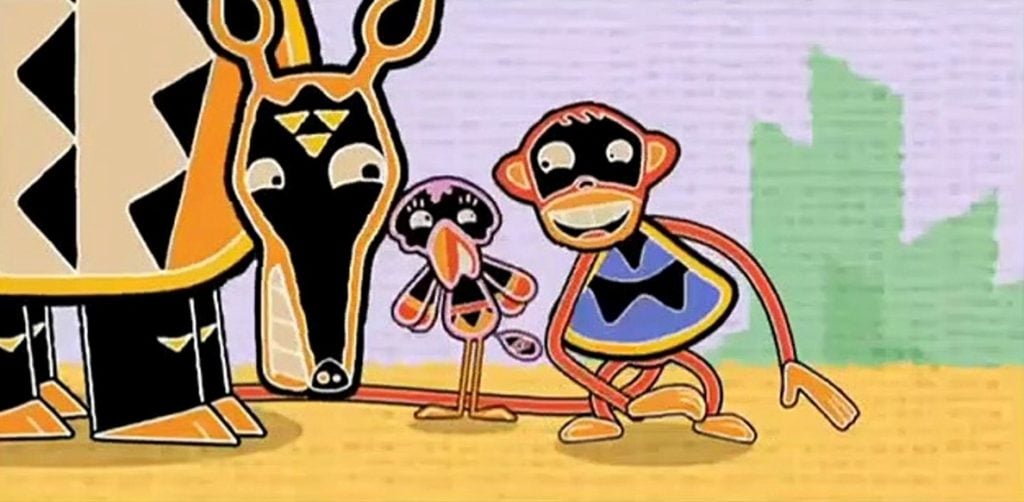
Yoko! Jakamoko! Toto! is a very unique British series about an unlikely trio of friends. Yoko (a bird), Jakamoko (an armadillo), and Toto (a spider monkey) explore their natural habitat, but the characters don’t speak a human language. Instead, they communicate through expressive sounds and gestures, and by saying only each other’s names. The show is unique in that it focuses on the music and art of several cultures to create a one-of-a-kind environment for its characters to explore, using world-music-inspired rhythms and melodies to drive the plot and convey their emotions. The non-verbal aspect is terrific for younger kids who are just learning how to be expressive.
How Yoko! Jakamoko! Toto! Teaches Kids About Different Cultures: Yoko! Jakamoko! Toto! introduces children to global music and sounds with a score heavily influenced by Latin American, African, and Caribbean rhythms. Instruments like the pan flute, bongos, and marimbas teach kids about musical styles beyond Western pop and the typical “kids’ music.” Viewers learn that rhythm can tell a story without the words. The show’s visual style blends Indigenous and folk art, specifically Central and South American patterns and colors. By using sound instead of language, the show teaches the value of universal communication and shows kids that friendship and cooperation are not dependent on a specific culture or language.
Age Range: 3-7 years
Where To Stream: Tubi, Amazon Prime Video

