

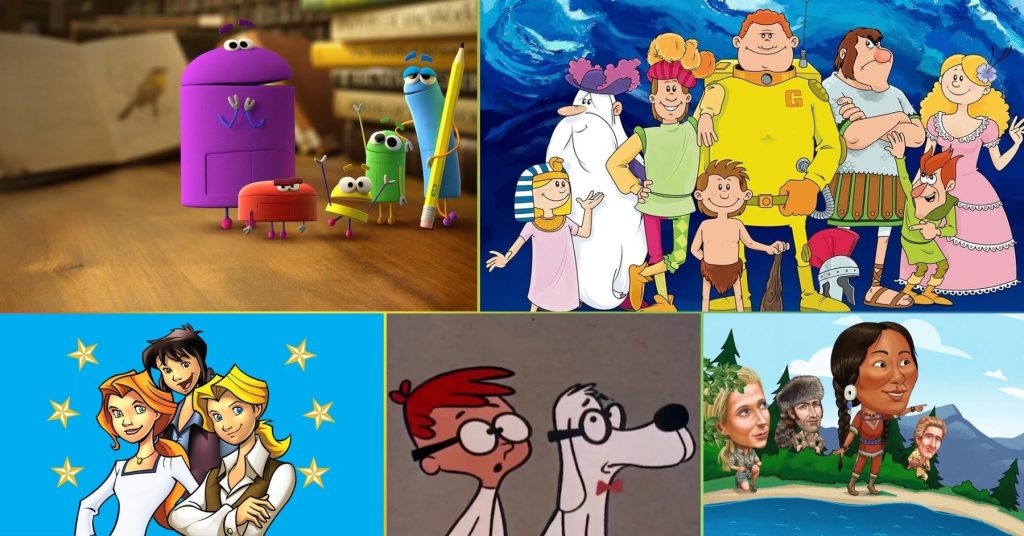
Teaching history can be fun when done right. In school, history was one of my favorite subjects because even the more dire aspects of human history have fascinating stories and so many lessons to teach. With shifting perspectives and the proliferation of misinformation in our culture today, it’s hard to teach kids the lessons of history because everyone seems more interested in debating the facts than in learning them.
To that, I say cartoons can do anything, because they can only be limited by our imaginations. While cartoons about history don’t always present undisputed facts or perfect recreations, they can still open the door to conversation. Showing kids historical events, introducing them to historical figures, and providing historical context make them aware of the past, allowing parents to help guide them through its effects.
Below are a few suggestions of cartoon series that present history and historical context in a fun, vibrant, and exciting way. From the American Revolution to Ancient Egypt, these shows don’t talk down to kids when discussing history; they aim to elevate it, fostering an interest and a hunger for history in their viewers.
Where To Watch Note: Some streaming services may list episodes in a different order or split episodes into multiple parts. Streaming availability and age recommendations in this guide reflect platforms commonly used by families in the United States. International availability may vary by region due to licensing.
Xavier Riddle and The Secret Museum

Based on the excellent “I Am…” book series by Brad Meltzer and Chris Eliopoulous, this animated series follows young Xavier, his sister Yadina, and friend Brad as they travel back in time to meet real historical figures. Each episode introduces kids to influential figures such as Harriet Tubman, Abraham Lincoln, Frida Kahlo, and Neil Armstrong, highlighting their childhood challenges and perseverance. The show emphasizes problem-solving, empathy, and the idea that everyone starts small before making a big impact, making history approachable and inspiring for young viewers to understand that wisdom from the past is a practical tool for solving problems today.
How Xavier Riddle and The Secret Museum Teaches Kids About History: Xavier Riddle uses time travel to teach about historical figures like Rosa Parks, Abraham Lincoln, and Marie Curie when they were children. Kids see that these legends were once children just like them who faced similar fears and doubts, making their achievements feel relatable and easier to understand. The show prioritizes social-emotional learning and core values over dry facts or chronologies.
Each episode begins with a modern-day dilemma (e.g., being scared of the dark). The trio visits the Secret Museum to meet a historical figure who faced a similar challenge, then returns to the present to apply the “secret” lesson they learned. teaching kids that wisdom from the past is a practical tool for solving problems today.
Ages: 4–8
Streaming: PBS Kids, Amazon Prime Video
Liberty’s Kids
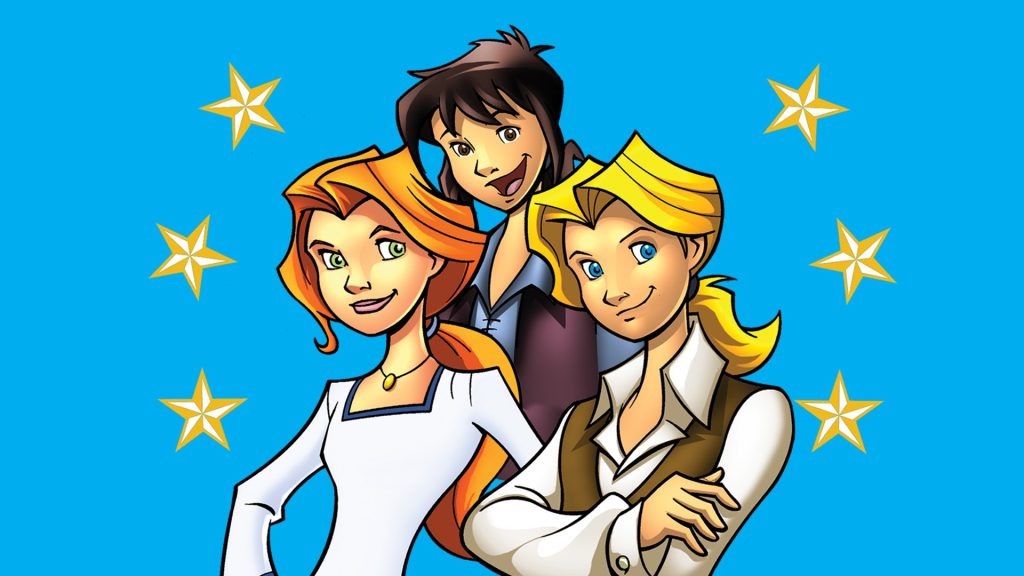
Liberty’s Kids follows three young reporters, James, Sarah, and Henri, as they witness and document key events of the American Revolution from 1773 to 1783. The kids are guided through events by historical figures like Benjamin Franklin and George Washington, as they learn about real historical events, reporting on battles, debates, and the daily life of the time. Liberty’s kids blends adventure and learning with real historical timelines, placing the characters inside authentic events. The show also focuses on proper journalism and the reporting of facts, teaching kids critical thinking skills.
How Liberty’s Kids Teaches Kids About History: Liberty’s Kids is a Revolutionary War-focused show, so it offers one of the best historical accounts of that time period for kids. The show presents major Revolutionary War events like the Boston Tea Party, the Declaration of Independence, and Valley Forge in a kid-friendly, chronological order. That aspect of things is key to helping kids understand cause and effect.
Liberty’s Kids uses first-person narration and references actual news reporting to show kids how history is recorded and interpreted. The show also introduces real historical figures as characters, making them relatable and accessible to kids while keeping the facts and events accurate. This is one series that proves cartoons about history can be both accessible and fun while leaning into historical accuracy.
Ages: 7–12
Streaming: Amazon Prime Video
Histeria!
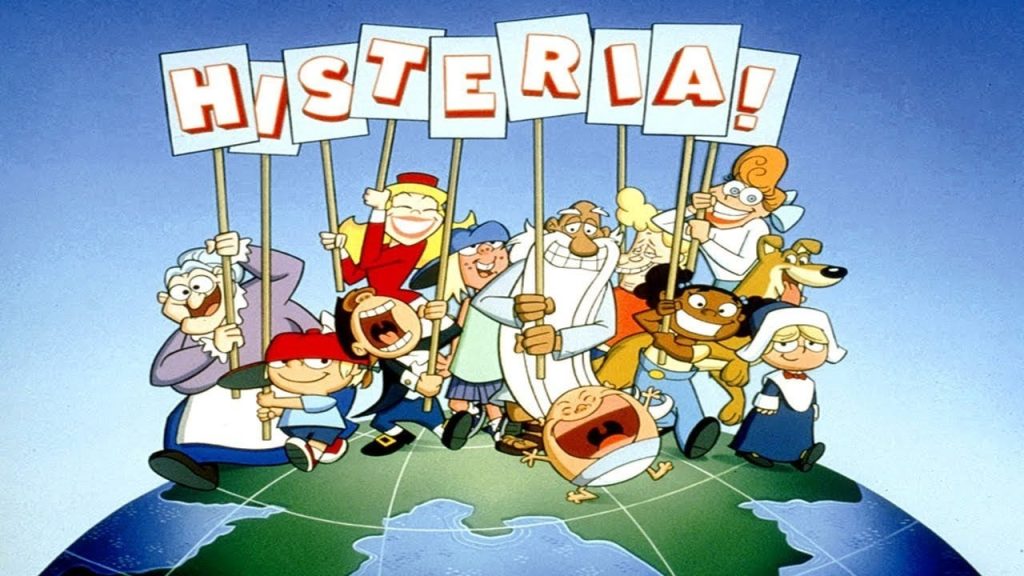
Histeria! is a fast-paced, educational animated series from the late 90s created by Tom Ruegger (Animaniacs). The series is structured as a variety show, featuring a revolving door of comedic sketches, “dramatic” reenactments, and high-energy musical numbers focused on world history. Father Time, a wise but often exasperated old man, hosts the show with his sidekick Big Fat Baby. They are joined by a diverse “Kid Chorus” and quirky guides like Miss Information, a ditzy tour guide who frequently gets her facts hilariously wrong. The show frequently breaks the fourth wall, presenting historical facts in funny and accessible ways for kids.
How Histeria! Teaches Kids About History: Histeria! teaches through satire, presenting historical figures as exaggerated characters to make them memorable. One of the show’s most effective segments is the parody song segment, which helps memorize facts. For example, it explains the causes of the American Civil War to the tune of The Brady Bunch theme or details the Sherman Anti-Trust Act using a parody of Ghostbusters.
To keep the facts straight amongst the comedy, the show uses the character Miss Information, who incorrectly states common myths, so another character can correct her. This “helps children identify and debunk popular historical misconceptions.
Ages: 8–13
Streaming: Amazon Prime Video
Time Warp Trio
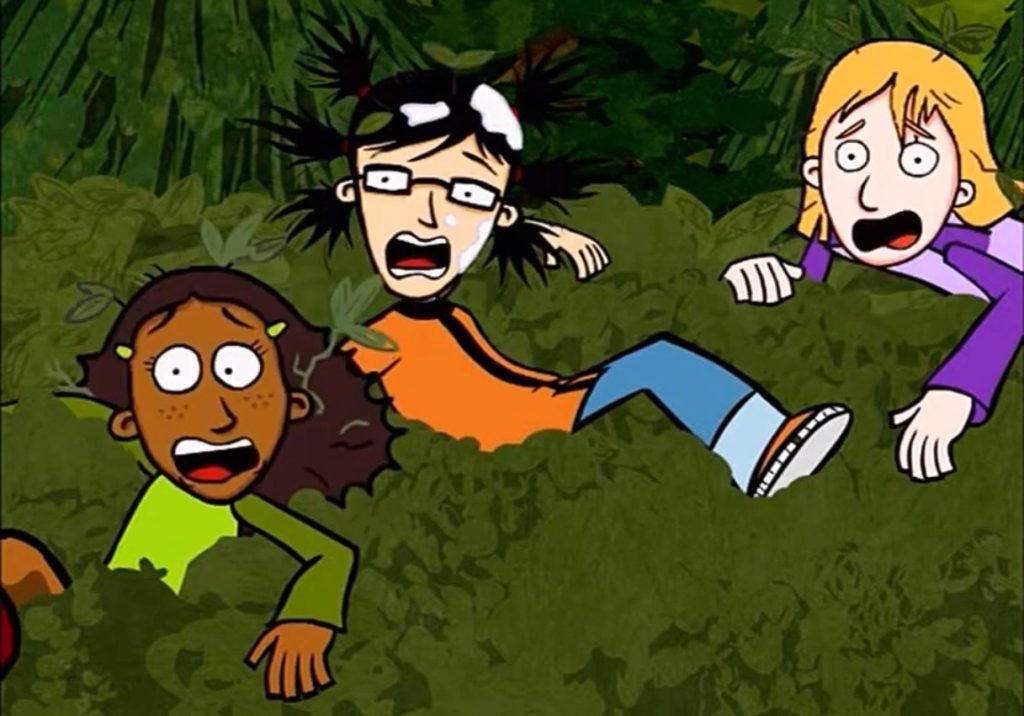
Time Warp Trio stars a trio of best friends, Joe, Sam, and Fred, as they are accidentally sent through time by a mysterious book via portals to different historical periods. Each episode sends the trio into a new era, such as Ancient Rome, medieval Europe, or the American frontier, where they must navigate the customs and dangers of that time period to return home. The kids solve problems and learn how people of the era lived, worked, and thought. They also encounter historical figures, who help round out a more complete picture of the time period they are stuck in
How Time Warp Trio Teaches Kids About History: Time Warp Trio introduces kids to history by literally immersing the show in it. Major historical eras and civilizations are experienced by viewers alongside the characters, directly tying them to the facts and everyday life of the past. This helps kids understand various historical concepts, such as social roles, technology, and cultural customs.
The show uses humor and satire to spark curiosity about the past and depict how historical events and eras have shaped modern life.
Ages: 6–10
Streaming: Amazon Prime Video, PBS Kids (limited)
Animaniacs

Animaniacs might seem like an odd choice for this list, but bear with me, it makes sense. The legendary variety-style animated series practically defined “edutainment” in the 1990s. Combining high-brow (yes, high-brow) satire with slapstick absurdity, the show stars The Warner Brothers, Yakko, Wakko, and their sister, Dot. Each episode is a series of short segments featuring a large ensemble cast, including Pinky and the Brain and Slappy Squirrel. The series uses rapid-fire wordplay, songs, and sophisticated parodies of history, politics, and classical literature to show kids historical figures and events while keeping parents engaged as well.
How Animaniacs Teaches Kids About History: Animaniacs isn’t solely about history, but much of it is. The show’s memorable “list songs” help kids memorize complex facts, like all the US Presidents. The classic “Yakko’s World,” for example, uses catchy melodies to make country names unforgettable. The Warners frequently travel through time or meet icons in their own era. Whether they are “helping” Albert Einstein or annoying Abraham Lincoln, or even visiting Michelangelo at the Sistine Chapel, these interactions make historical figures feel like real, eccentric people rather than just names in a book.
The show boldly takes on the “messier” parts of history in segments like “A Meticulous Analysis of History” by The Brain, or songs about the Magna Carta, to teach kids how power structures, wars, and social movements have shaped the modern world. This is certainly the wackiest show on my list of cartoons about history.
Ages: 7–12
Streaming: Hulu
Peabody’s Improbable History
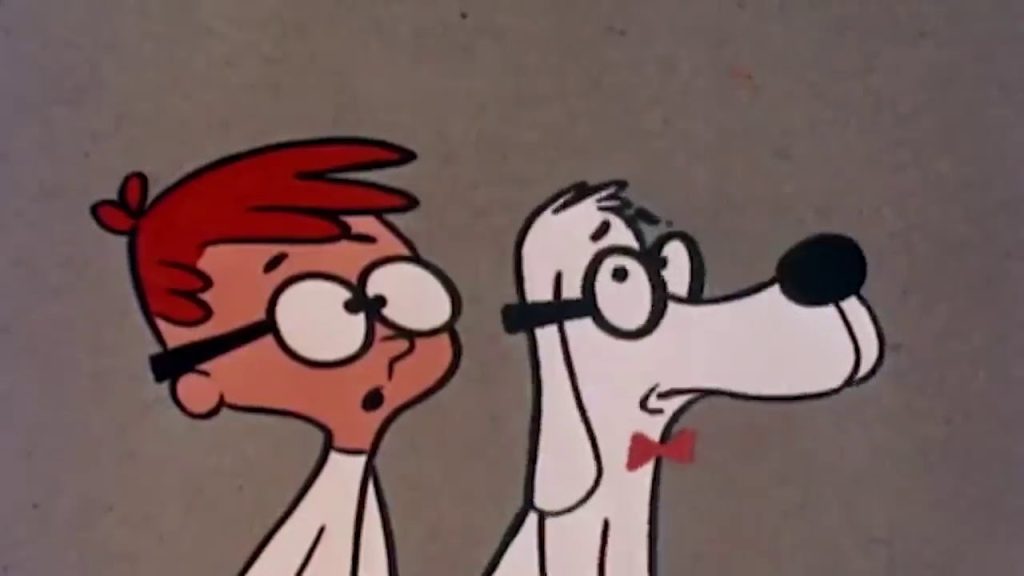
The classic cartoon characters Peabody and Sherman are still relevant today! Peabody, a beagle, is also the smartest being in existence, having graduated from Harvard at 3 years old. (“Wagna cum laude”). Peabody meets Sherman and invents the Wayback (styled WABAC) Machine, which takes Peabody and Sherman through time to meet various historical figures such as Cleopatra, Leonardo da Vinci, and Napoleon, and helps them with their plights. Each adventure combines quick jokes and absurd humor with fast-paced time-travel, ending with Peabody making a pun on something related to the episode’s time-traveling trip.
How Peabody’s Improbable History Teaches Kids About History: In each episode, Peabody and Sherman encounter well-known historical figures and events in short, memorable stories that spark curiosity. Historical figures are portrayed with exaggerated personalities (grumpy kings, dramatic artists), making them feel human rather than distant. In one episode, Peabody and Sherman meet Abraham Lincoln and learn about the Civil War era through a single, focused encounter rather than a long lesson.
The show’s use of humor makes complex ideas like royal power, wars, or political leadership easier for kids to understand and remember. This presents history as fun, surprising, and full of personality.
Ages: 6–10
Streaming: Amazon Prime Video
The Magic School Bus And The Magic School Bus Rides Again
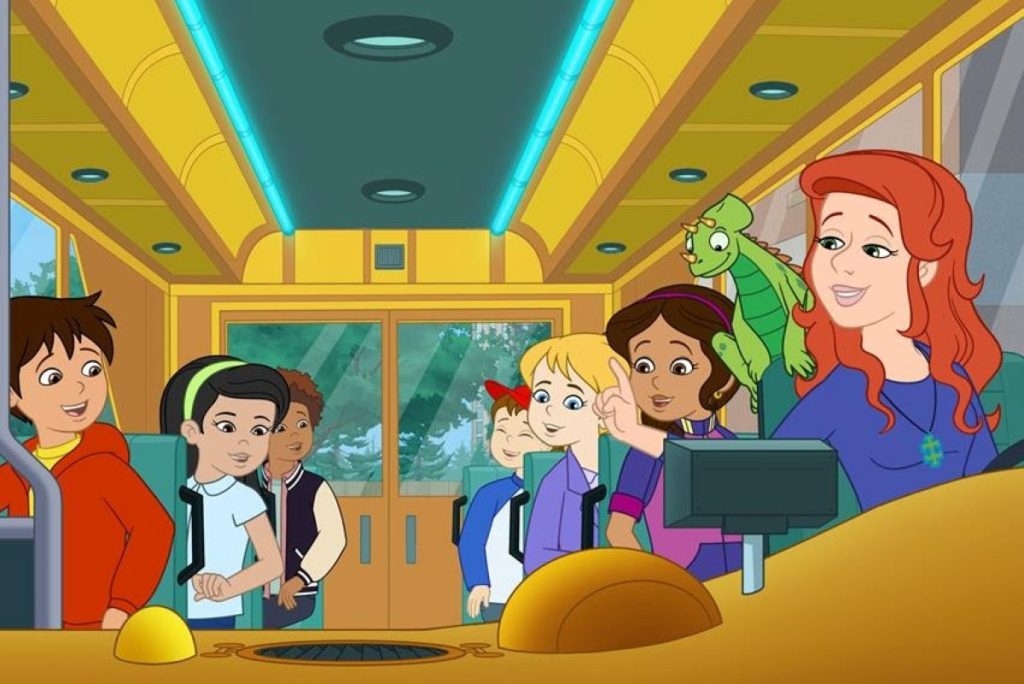
The Magic School Bus and its update, The Magic School Bus Rides Again, follow Ms. Frizzle and her curious class as they take extraordinary field trips in a magical, shape-shifting school bus. The students explore educational concepts firsthand by immersing themselves in them. In each episode, the students often encounter unexpected challenges that they must solve through observation and teamwork. The Magic School Bus blends humor, problem-solving, and inquiry-based learning, encouraging kids to ask questions and learn from mistakes.
How The Magic School Bus Teaches Kids About History: The Magic School Bus doesn’t cover history in every episode, but in many episodes that are more scientific or straightforward educational stories, the show provides key historical context. This includes topics such as the history of scientific discovery, while learning how volcanoes shaped Earth’s past or how fossils reveal information about prehistoric life.
The history of certain inventions and technologies, such as early space exploration, is taught to teach kids how modern knowledge builds on past discoveries. This helps kids understand when and how ideas developed, not just what the ideas are.
Ages: 5–9
Streaming: Netflix, Amazon Prime Video
Schoolhouse Rock!
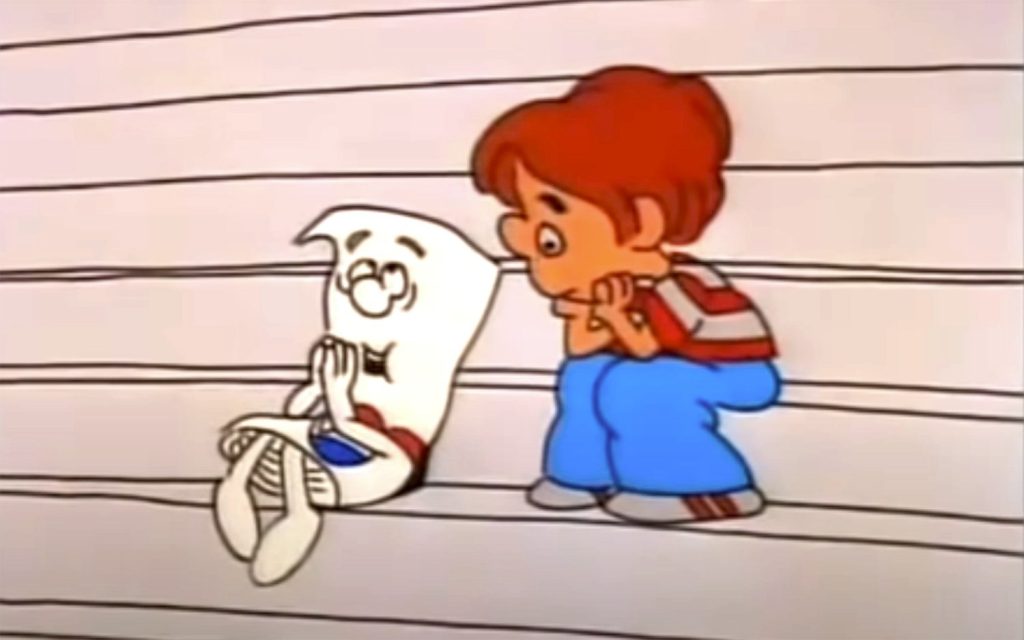
In the early 1990s, the classic Schoolhouse Rock! enjoyed a significant revival and featured the original creative team (Bob Dorough and Jack Sheldon) returning to produce new segments with updated, cleaner animation styles. While the 70s version had a “groovy” hand-drawn feel, the 90s episodes (like “Busy Prepositions” and “The Tale of Mr. Morton”) used a slightly more polished digital-ink-and-paint style while maintaining the quirky character designs fans loved.
How Schoolhouse Rock! Teaches Kids About History: The classic show taught kids how a bill becomes a noun and a verb, and the original and update also feature historical episodes. Historical events such as the American Revolution, the Women’s Suffrage Movement, and Voting are covered in dedicated episodes.
Historical context is also provided in episodes like “This or That’ which teaches the history of money and currency. Episodes like “Tax Man Max” use a vaudeville-style song that explains taxation throughout history to teach that “roads, schools, and libraries” exist because of the community’s collective financial history.
Ages: 6–12
Streaming: Disney+
Once Upon a Time… Man
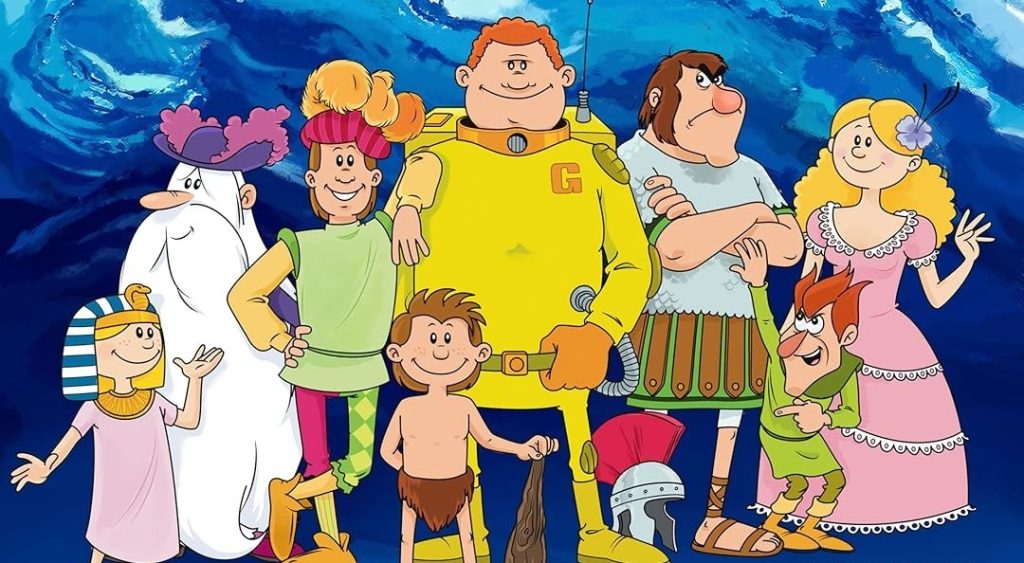
Once Upon a Time… Man is a late-1970s cartoon featuring a “universal” cast of characters who are reborn in every era, taking the viewer on a chronological journey from the origins of Earth to the 20th century and a futuristic vision of 2150. The show is famous for its unique “archetype” storytelling, in which the same characters represent humanity across every time period. This includes Maestro (the wise, long-bearded mentor), Peter (the everyman), Jumbo (the strong friend), and the villainous Pest and Dwarf (representing greed and conflict). A sentient, rectangular clock often helps children grasp the passage of time and the vast scale of history.
How Once Upon a Time… Man Teaches Kids History: Once Upon a Time… Man focuses on the “problems of the time” and how they were solved before moving on to the next historical period. Rather than focusing solely on kings and battles, the show depicts what life was like for ordinary people in the era. “The Pax Romana” episode teaches about Roman infrastructure (roads, aqueducts, and laws) and how it affected citizens’ daily lives, rather than just listing emperors. In its chronological telling, the show illustrates how different civilizations interacted and advanced through trade, migration, and conflict.
In the episode “The Fertile Valleys,” the series shows kids how the shift from hunting to agriculture allowed the first great empires of Mesopotamia and Egypt to rise simultaneously.
Ages: 7–12
Streaming: Amazon Prime Video (select regions)
Ask the StoryBots
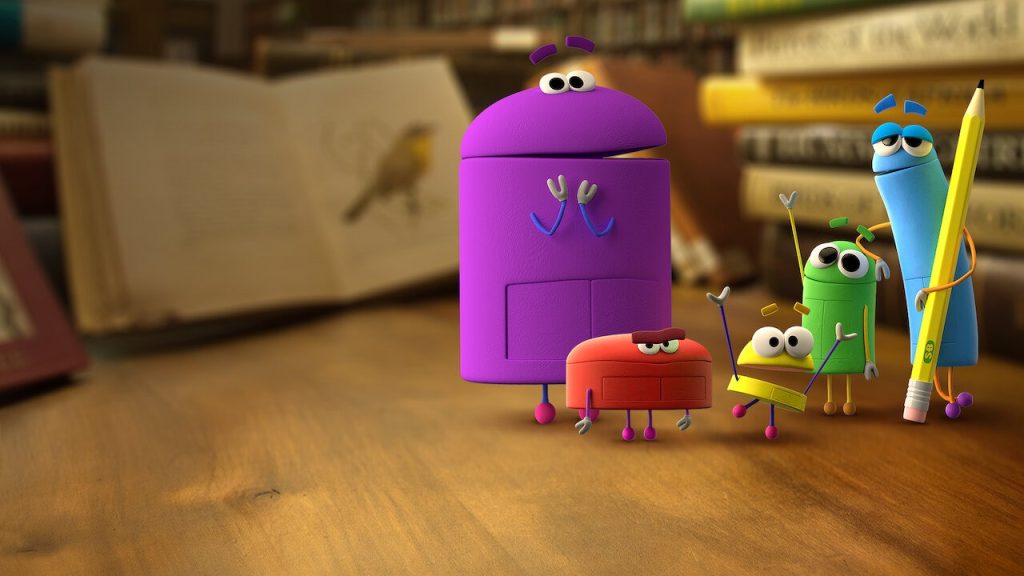
Ask the StoryBots is an Emmy-winning Netflix series that follows a group of tiny, colorful robots (Beep, Bing, Bang, Boop, and Bo) living inside our screens who venture out into the human world to answer big questions submitted by real children. The show uses a “variety show” format, mixing 2D animation, 3D CGI, puppetry, and even live-action. At the end of each quest, comedic misunderstandings and fact-finding adventures, the team returns to their computer home to present their findings to viewers through a high-energy, educational music video that summarizes the answer.
How Ask The Story Bots Teaches Kids History: The StoryBots universe includes questions and answers about a myriad of topics, but history and historical context are at the forefront. Many episodes focus on the history of “how things came to be” to explain how they work now. For example, in “What is Electricity?”, the bots explore the historical contributions of figures like Benjamin Franklin and Thomas Edison, showing the progression of human discovery from lightning rods to the lightbulb.
The show uses catchy, memorable songs to teach kids about topics such as the evolution of technology, African American history, and the historical and cultural significance of global landmarks.
Ages: 4–8
Streaming: Netflix
Caillou
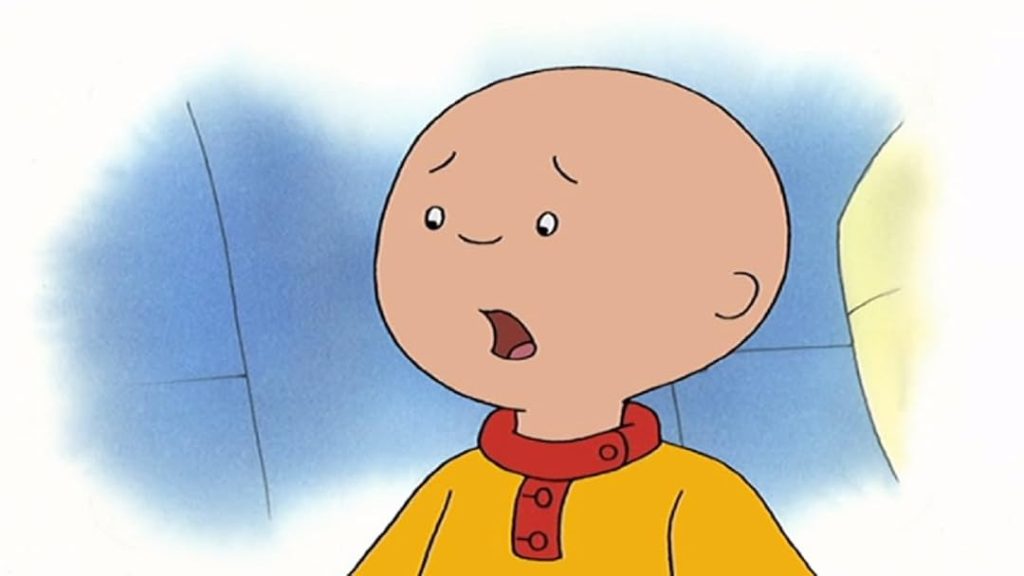
While Caillou is primarily a preschool social-emotional educational show based on the “first experiences” of a four-year-old, several episodes use Caillou’s vast imagination to introduce young viewers to historical concepts and global settings. A core element of the show is Caillou’s daydreams; simple activities often trigger vivid imaginary sequences in which he envisions himself in different roles, such as an astronaut or a jungle explorer. Through Caillou’s imagination and school lessons, the show provides a very basic introduction to ancient history.
How the Caillou Teaches Kids About History: Caillou is a great introduction to history that preschoolers can follow along with. Obviously, it doesn’t go very deep, but in episodes like “Around the World,” Caillou uses his imagination to “visit” Ancient Egypt. He sees the Great Pyramids and learns about the desert landscape, introducing preschoolers to the idea that civilizations looked very different in the distant past.
The show also introduces kids to the concept of history as a subject. In “Day at the Museum,” for example, Caillou visits a museum with his class to observe artifacts and hear stories from his teacher, Miss Martin. While there, he learns about the concept of a museum as a place that protects the “treasures” of history, such as old tools and prehistoric fossils.
Ages: 2–5
Streaming: Amazon Prime Video, Peacock
BONUS: The Who Was? Show

Described as “SNL meets The Muppets,” The Who Was? The show uses a hybrid approach, combining a live-action cast with animated scenes and cutaways. A diverse cast of teenagers performs improv, makes music videos, and does impersonations to tell the stories of historical icons, interspersed with animated cutaways and scenes from each icon’s life. Each episode pairs two completely different historical figures (Marie Antoinette and Louis Armstrong, or Bruce Lee and Julius Caesar, for example) and imagines what would happen if they met in modern settings. The show is framed by a fictional “behind-the-scenes” meta-narrative featuring a bumbling producer named Ron and a narrator (voiced by H. Jon Benjamin) who often corrects the cast’s more absurd claims.
How The Who Was? Show Teaches Kids About History: The Who Was? Show teaches history via real kids acting out scenes and sketches. The show also uses music and high-energy music videos that distill the lives and accomplishments of historical figures into catchy lyrics. For example, Albert Einstein has a rap explaining his Theory of Relativity, helping complex scientific and historical concepts stick in a child’s memory.
While the show is heavy on silliness, it uses specific segments like “The Explanationator” to break down hard facts or define difficult vocabulary, ensuring that the history isn’t lost in the comedy.
Ages: 7–11
Streaming: Netflix

