


France is moving forward with legislation to ban minors under 15 from social media. The response, as you can imagine, is pretty divided.
There’s considerable debate over whether this is government overreach or a necessary law that should have been implemented decades ago to protect children. A bigger problem, though, is enforcement, and even teens who agree it’s needed say it won’t work, based on their own experiences and what they’ve witnessed among peers.
Here’s what parents should know about the French ban, and about any hypothetical future implementation of similar laws in the U.S.
France’s Social Media Ban Proposal
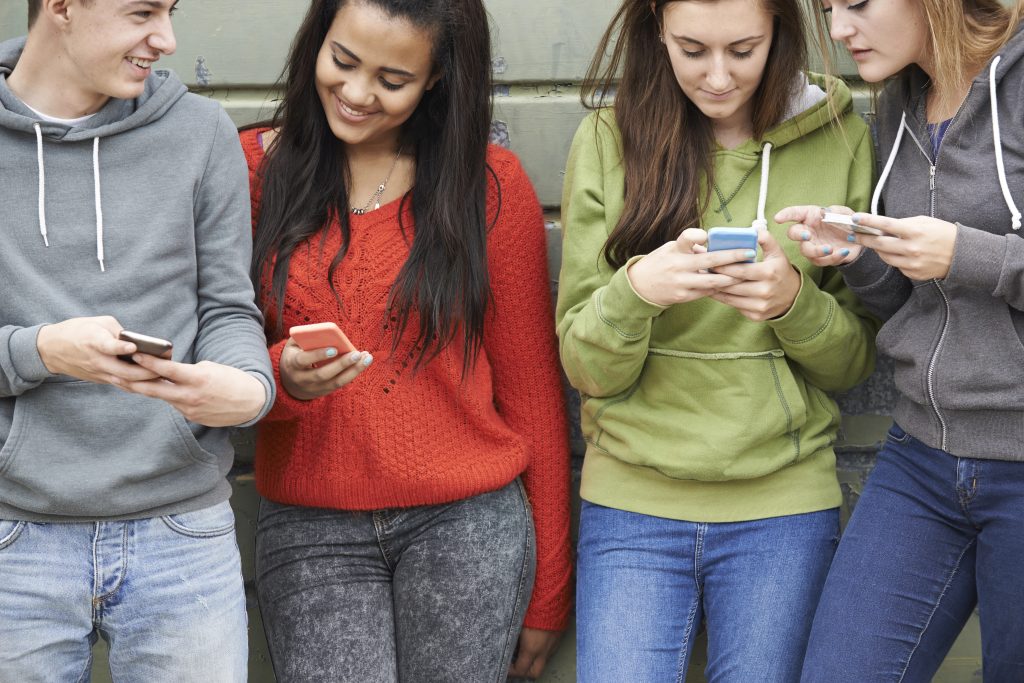
The legislation has passed France’s National Assembly but still must be approved by the Senate to take effect. If passed, President Emmanuel Macron hopes to expedite it and have it in effect before the start of the next school year.
There are many reasons to keep children off social media. We’ve seen how it can harm mental health, and multiple kids have been lost to suicide brought on at least in part by cyber-bullying. Any parents who have gotten sucked into a mindless doomscroll themselves also know how brain-draining it can be, and how hard it can be to put down (even when you can tell it’s making you miserable).
According to the BBC, the proposal would include creating a list of social media sites most harmful to children, banning them for under-15s, and maintaining a separate list of sites deemed less harmful, which would be available with parental approval.
Then, sites will need to implement an age-checking process, similar to the over-18 verification process already in place for accessing adult sites.
How’s It Working In Australia?
Quick disclaimer: everyone recognizes that no law can be 100% effective, and that doesn’t mean that the specific legislation is completely ineffective, or not worth enacting.
That said, similar legislation went into effect in early December in Australia, and the effects so far are mixed. Millions of teen accounts were deleted, but The Times has spoken to kids (and their parents) who describe how the ban has been easy to evade, simply by lying about their age.
One mother explains that she could remove her child from the apps herself (she already checks them for content while her daughter sleeps), but she was hoping the government would step in and enforce it instead. One teen says that his apps haven’t even asked to verify his age.
It’s still in the early stages, so the implementation could become more effective and the net could tighten. At the same time, teens will be finding more ways to get around it.
Ultimately, the legislation will never fully remove children from social media, but it could make the sites much less appealing if it is even effective at keeping most off.
Could Social Media Bans For Minors Work In The United States?
Several U.S. states have actually signed social media bans for minors into law, but the nation’s First Amendment and overall sentiment regarding government control and personal privacy could make it hard for them to stand.
For instnce, Ohio and Arkansas both passed laws that would ban minors from accessing social media sites Ohio’s legislation banned children under the age of 16 and Arkansas wanted to require parental permission for minors), and both have already been permanently blocked by courts that say they violate the First Amendment, according to Multistate.
Similar legislation has been passed in Georgia, Florida, and Mississippi, but it also faces legal challenges. In California, the legislation was more narrowly tailored to “addictive algorithms,” but it is still being challenged on constitutional grounds.
Virginia’s social media ban technically went into effect on January 1st, but it is also being challenged. Under this law, minors can access a social media site for an hour per day, and a site can be fined for allowing a minor to remain on the app longer than that. However, as of this week, it’s unclear whether enforcement is likely, according to Technical.ly.
Also, even under the strictest enforcement of this legislation, a teen could still spend an hour each on TikTok, Instagram, X, Snapchat, YouTube, and Facebook. That adds up to 6 hours per day, even without branching out to more obscure sites.
Other Drawbacks Of Teen Social Media Bans

Adults are unhappy with the notion of social media bans because the most obvious way to verify age is to require users to upload identification documents, and many people aren’t excited to share this with these platforms. Aside from worries about potential data leaks, plenty of people still have alt accounts or use an alternative name (for various reasons) even on platforms with ‘real name’ policies.
There’s also concern that fully blocking kids from social media means they’re suddenly all-in at a set age, without prior experience, and that it may not be the most effective way to keep them safe. (The other side of this is that kids leap in with both feet anyway, whether they launch their account at 16, 12, or 8, so delaying that until a little more emotional maturity is acquired could still be a positive.)
Then there’s the question of how much this sidesteps really dealing with bullying and cruel behavior, instead of addressing it at the source.
What Should Parents Consider?
Whether your state blocks social media for kids or not, it’s a good idea to discuss with your children how they use social media and how to do so safely. A few states are taking steps in this direction, incidentally. North Carolina’s proposed legislation would require schools to provide education on social media and its effects on mental health, and Indiana’s Department of Education is examining how to best teach kids about the risks of social media and excessive cell phone use.
If your state is moving forward with a ban, you should examine what ages it affects and how it will be enforced, and discuss this with your child. At this point, no enforcement proposals include any punishment for children who access social media; only for companies that don’t limit access. However, awareness remains key.
If a ban is enforced that requires identity verification before sharing your or your child’s data, examine how the relevant sites will protect it and what recourse you have if your data is released.
One more factor: children learn by example, so if we want them to reduce their social media use, the adults in their lives may need to model it.
