


The FDA has announced a recall on products, including medications, a wide range of snack and food products, and even pet foods, after finding “unsanitary conditions during the storage process” at one distribution company.
The company, Gold Star Distribution, is a wholesaler that handles products ranging from Advil and other medications and supplements to potato chips, pantry staples, and candies.
Here’s who should check their pantries for affected products, what to look for, and what to do (whether or not you’re in the affected area).
Where Were The Products Distributed?

Gold Star Distributors delivered these products to Indiana, Minnesota, and North Dakota.
The full list of retailers and businesses that received the products includes dozens of small independent grocery stores, halal markets, and delis, as well as at least one gas station and an adult daycare center.
At this time, there’s no indication that these products reached any major chains (which usually handle their own distribution and warehouses), or that this recall should directly affect consumers outside these three states.
A full list of currently known retailers affected is on the FDA website, here.
What’s Wrong With These Items?
The FDA says that these products may have been contaminated due to unsanitary storage, including potential contamination with bird droppings, rodent droppings and urine, and salmonella.
The U.S. Food and Drug Administration (FDA) determined that the facility was operating under insanitary conditions, including the presence of rodent excreta, rodent urine, and bird droppings in areas where medical devices, drugs, human food, pet food, and cosmetic products were held. These conditions create a significant risk that products held at the facility may have been contaminated with filth and harmful microorganisms.
Eating products that have been exposed to these contaminants could cause salmonella, and the FDA says to watch for “fever, diarrhea (which may be bloody), nausea, vomiting and abdominal pain.” For very young children and people with weaker immune systems, this can be severe and sometimes fatal.
There’s also the risk of other bacteria, such as Leptospira, which causes leptospirosis. The Cleveland Clinic says most people infected with it will experience flu-like symptoms, though in rarer cases, there is a risk of more severe illness affecting the kidneys.
What Products Are Included?
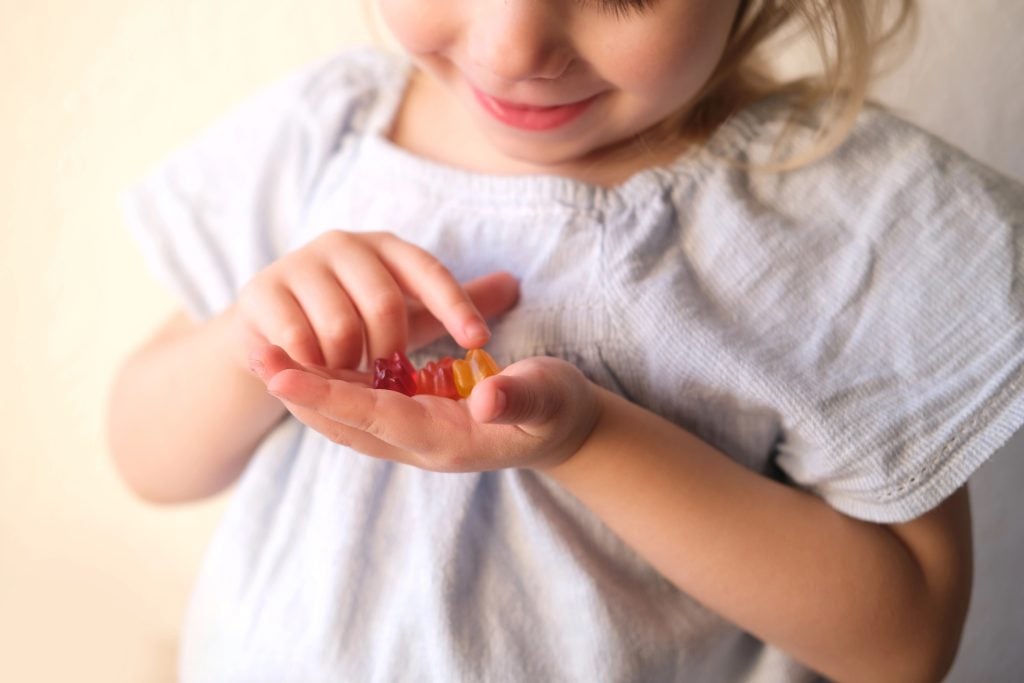
Gold Star Distributors offers an extensive range of products, many of which are favorites among children.
Some of the candies affected are Haribo gummies, bagged Airheads branded gummies and bites, Sour Patch Kids candies, Skittles and Skittles gummies, Trolli brand gummy candies, and Worther’s Original caramels.
The recall also includes a long list of candy bar and chocolate brands, including Reese’s, Hershey’s, KitKat, Butterfinger, Kinder Bueno, Rolo, and M&Ms, among others.
In the chips section, you’ll find Takis, Pringles, and Munch brands.
Then there’s the list of beverages affected: Airheads soda, Arizona teas, Celsius sparkling drinks, Capri Sun, Faygo, and more.
Even cereals like Rice Krispies, Special K, and Lucky Charms, as well as pantry items such as ramen, rice, ketchup, and Nutella, are affected.
If you believe you may have purchased affected products, the full list, including SKUs and UPCs, is available here.
What Should Parents & Consumers Do Next?
Do not return the products to the store where you purchased them.
If the items in your home are on the list, we recommend destroying them and sending proof to Gold Star to receive your refund.
If you notice that you or your child suffers symptoms after consuming any of these products, see your doctor, and submit a report to the FDA here.
As a matter of routine, keep an eye on products you purchase for any signs of contamination, such as a chewed appearance on boxes, or packaging that appears to have become wet and then allowed to dry or wiped dry, has yellowish or brown stains, or a strong, distinctive odor, or any signs of droppings inside packaging.
These inspections occur regularly, but ‘regularly’ can mean as infrequently as every 5 years, depending on the FDA’s risk assessment. Even if your products are not coming from a supplier with a recent specific concern, it’s prudent to exercise caution.
