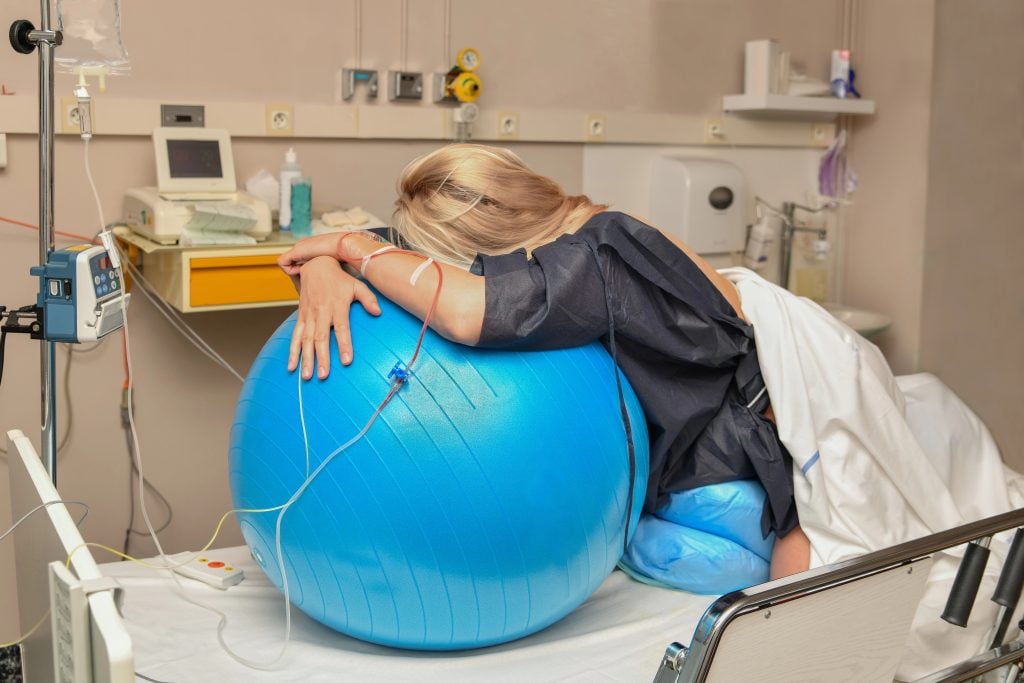
Hundreds of thoughts pop into your brain the second you find out you’re pregnant. For many women, it’s one of those moments they have dreamt about for years. When the moment arises, it’s time to put pen to paper and start planning the small things, like where you’ll give birth, what your insurance covers, and what your birth plan entails.
In that birth plan, it’s important to understand the different ways you can give birth: Naturally, Medicated, or via C-Section.
Birth plans don’t always go as planned, but knowing what each type of birth is can help take away some of the unknown.
As always, it’s a personal and sometimes medically necessary choice, and moms should be educated and confident in their decision so they can have a special birth. I’ve included information for what each type of birth involves, how to prepare for each type of birth, questions to ask your doctor, and other considerations expecting moms should be aware of as they head off to give birth to their child.
As always, please consult with your medical provider who can answer questions based on your past and current medical history.
Type: Giving Birth Naturally

Plain and simple, giving birth naturally means birthing your child vaginally without intervention or pain medication. Natural childbirth can occur at home, in a hospital, or in a private clinic.
How to Prepare for a Natural Birth: One of the biggest ways to prepare for a natural birth is to stay active throughout your pregnancy. Talk to your doctor about a workout regimen that works with your fitness level. Staying in shape and active during your pregnancy will make labor easier, as it is physically and emotionally taxing.
In addition to staying active, staying hydrated and eating healthy foods are essential. Pain is inevitable with an unmedicated birth, but staying in shape and taking care of your body can make it a little easier.
The American College of Obstetricians & Gynecologists offers some excellent ways to help reduce discomfort during a natural birth:
“Common options for coping with pain include massage, water therapy, and breathing exercises. Music and calming smells (aromatherapy) can help relax you. Consider taking short walks and changing positions during labor—moving around can reduce pain. I’ve even seen patients put signs on the wall with words of encouragement. Some use prayer. Decide in advance what’s important for you to get through labor and delivery.”
What to Expect for Recovery: It’s normal to be sore postpartum after giving birth naturally, and it’s important to listen to your body and take things slow. Generally, it’s normal to bleed for up to six weeks after birth. This can be longer or shorter; every woman is different, but it’s wise to keep close contact with your doctor if you have any questions about the severity of bleeding. Ice packs, sitz baths, and witch hazel pads are all amazing tools to help ease soreness and make you more comfortable. Avoid heavy lifting and take it easy until your body heals on its own
Questions to Ask Your Doctor: If you were thinking about having an unmedicated birth, there are some general questions you should ask your doctor, nurses, and medical team at the hospital or clinic you’re birthing at. Ask how they assist mothers who have given birth naturally. Do they assist with different positions or environments such as water birth? Will they work together to achieve your personal goals?
Labor and birth are unscripted. Anything can happen, and surprises can arise. Talk to the staff about different situations and how they prepare and handle complications to ensure their views align with yours.
Tip: Whether it’s your first pregnancy or third, try taking a birthing class for tips to prepare for a natural birth.
Type: Having A Medicated Birth

Medicated births are those that take pharmaceuticals or an epidural (and the like) to assist with pain relief during labor and birth. Medicated births are increasingly popular in the Untied States, so it’s important to know what medications are popular forms of pain relief that your hospital or clinic offers before giving birth. It’s also wise to know why you are offered certain medications and what you’ll feel or don’t feel when you take them.
While we often hear a lot about epidurals, there are also other options. Here’s what’s available for expecting moms in labor.
Understanding Pain Relief Options During Labor
Labor pain relief is not one-size-fits-all. Hospitals offer several options that work in different ways, and knowing the basics ahead of time can make decisions during labor feel far less overwhelming.
One of the most important distinctions to understand first is the difference between analgesia and anesthesia.
Analgesia vs. Anesthesia: What’s the Difference?
Analgesia is designed to reduce pain without completely eliminating sensation or muscle control. These medications help take the edge off contractions, making pain easier to manage, but they usually do not eliminate pain completely. Most people who receive analgesia remain awake, aware, and able to move or change positions depending on the method used.
Anesthesia, by contrast, works by blocking sensation more deeply. Depending on the type, it can numb a small area or affect an entire region of the body. In childbirth, anesthesia is commonly used when stronger pain control is needed, such as during a cesarean birth or certain procedures.
Systemic Analgesia (Opioid Pain Medications)
What Is Systemic Analgesia?
Systemic analgesia works throughout the body rather than targeting a single site. These medications are opioids, which lower how strongly the brain registers pain and often create a calming, sleepy feeling. You stay conscious, but the intensity of contractions may feel more distant or muted.
How Is Systemic Analgesia Given?
Systemic pain medication is typically given in one of two ways:
- As an injection, or
- Through an IV line, which is a small tube placed into a vein
In some cases, medication is administered by a nurse or doctor. In others, you may be able to release doses yourself by pressing a button connected to your IV. Built-in safety controls limit how much medication can be delivered, so accidental overdosing is not possible.
What to Know About Side Effects
Because systemic analgesia affects the whole body, it can cause drowsiness, nausea, or lightheadedness. These effects vary from person to person and tend to wear off as the medication leaves your system.
Nitrous Oxide (Laughing Gas)
What Is Nitrous Oxide?
Nitrous oxide, often called laughing gas, is an inhaled anesthetic used for pain relief in some hospitals. It doesn’t numb pain directly, but it helps reduce anxiety and makes discomfort feel more manageable by promoting relaxation and a sense of calm.
How Is Nitrous Oxide Used?
Nitrous oxide is mixed with oxygen and breathed in through a mask. You control the mask yourself and decide when to use it. It works best when inhaled approximately 30 seconds before a contraction begins, allowing time for the medication to take effect.
Is Nitrous Oxide Safe During Pregnancy?
Nitrous oxide is considered safe for both parent and baby. Some people experience dizziness or mild nausea while using it, but these sensations usually fade within minutes after inhalation stops.
Local Anesthesia (Pudendal Block)
What Is Local Anesthesia?
Local anesthesia numbs a small, targeted area of the body. Many people have experienced it before during dental procedures or minor surgeries.
How Is It Used During Childbirth?
The American Pregnancy Association notes that during labor, local anesthesia may be given as a pudendal block, which numbs the nerves that carry sensation to the vagina, vulva, and perineum. This type of pain relief is usually administered right before delivery.
Local anesthesia is also commonly used:
- If an episiotomy is needed
- When repairing tissue after birth
Risks and Side Effects
Serious complications are rare. Allergic reactions or nerve-related issues can occur in uncommon cases, typically when higher-than-intended doses are used. Local anesthesia has minimal impact on babies.
Regional Pain Relief (Epidurals and Spinal Blocks)
What Is Regional Pain Relief?
Regional pain relief focuses on a specific area of the body, most often the lower body. These methods are widely used during labor and delivery and include:
- Epidural blocks
- Spinal blocks
- Combined spinal-epidural (CSE) blocks
The medication usually includes an anesthetic and may also contain an opioid to enhance pain relief. It can be delivered as a single injection or continuously through a thin tube placed in the lower back. These techniques offer strong pain control with relatively low risk.
Epidurals
What Is an Epidural?
An epidural is the most commonly chosen pain-relief option for childbirth in the United States. An epidural is delivered through a large catheter via the lower back. It reduces lower-body pain, and medical staff can increase strength as contractions worsen. As is the case with any procedure, there can be complications, so it’s imperative to talk about the pros and cons of the procedure before birth.
- During vaginal labor, an epidural typically reduces sensation in the lower body while allowing you to stay awake and alert. Most people can still push during delivery.
- For a cesarean birth, a stronger dose may be used, resulting in complete numbness from the waist down.
- Epidurals can also be used for certain postpartum procedures, such as sterilization.
How Is an Epidural Given?
An epidural can be placed early in labor or later as contractions intensify. It is administered by an anesthesiologist or a specially trained provider.
The process usually involves:
- Cleaning the lower back
- Numbing the skin with local anesthesia
- Sitting or lying on your side while curving your back
- Placing a needle in the lower spine area
- Threading a thin tube through the needle
- Removing the needle and leaving the tube in place
Medication is then delivered through the tube as needed. In many cases, you can adjust dosing within preset safety limits.
Pain relief typically begins within 10 to 20 minutes after receiving an epidural. With that being said, an e
How to Prepare for a Medicated Birth: To prepare for a medicated birth, make sure you have all of your questions answered so that you go into it feeling informed and confident. As with giving birth naturally, staying in shape will help with pain relief and soreness once the medication wears off.
What to Expect for Recovery: Like a natural birth, cramping, bleeding, and soreness are inevitable. If you had a medicated birth, like an epidural, you may be numb from the waist down after your baby is born for a few hours. This can make it difficult to walk alone or use the restroom. The numbness will eventually fade, but be open with your medical team about how you’re feeling to make sure you’re recovering properly.
Questions to Ask Your Doctor: If you’re interested in a mediated birth, meeting with the clinic or hospital’s anesthesiologist is imperative. There, you can ask about the pros and cons of an epidural and what recovery could look like. Ask if alternatives to an epidural are available, and what those options look like. You’ll also want to ask what the timeframe looks like for receiving medication. Most importantly, ask whether the medication affects the baby and how the doctors and staff respond to any effects, if any.
pidural can only be given up until a certain point in your labor, and your doctor can provide you with further information about timing considerations.
Type: Having A C-Section
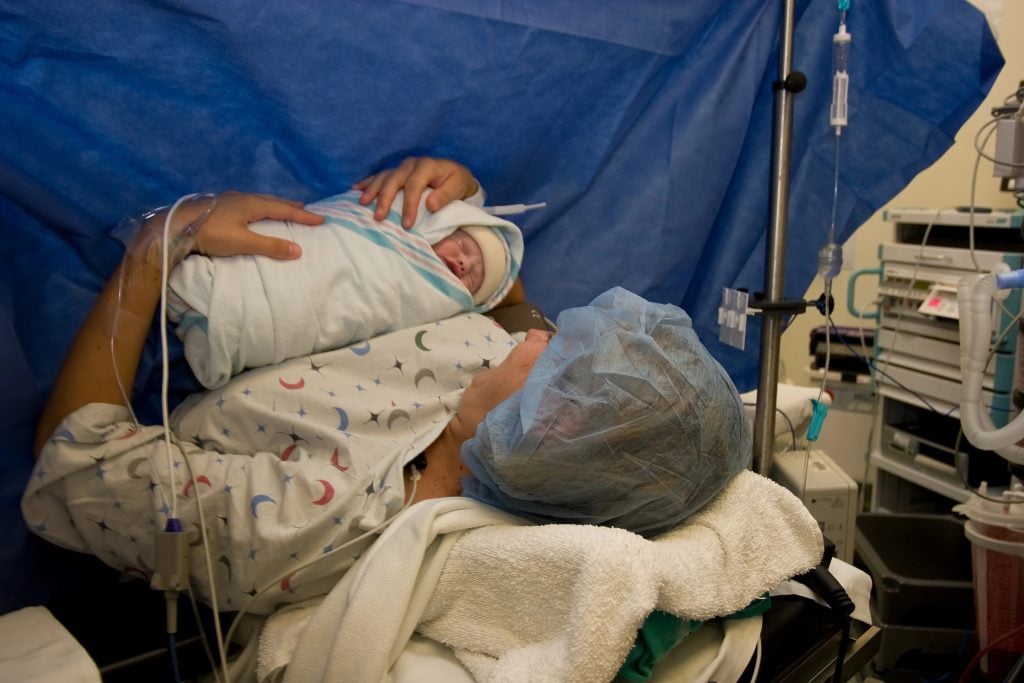
A cesarean section (C-section) is an intense surgical procedure done through the mother’s stomach to deliver the baby. This is a major surgery as there are seven layers of skin, muscle, and tissue that the doctor needs to cut through to retrieve the baby safely. C-sections are often done in emergencies, if the baby is in distress or the mom isn’t dilating as planned.
When a C-Section May Be Recommended During Childbirth
Most parents hope for a smooth labor and delivery, but sometimes a cesarean section (C-section) is the safest option for you or your baby. Healthcare professionals don’t recommend C-sections lightly, and they’re usually suggested when continuing with a vaginal birth could pose risks. Understanding the most common reasons can help you feel more informed and prepared if this decision comes up during labor.
Below are some common situations where a C-section may be recommended.
Labor Isn’t Progressing as Expected
Sometimes labor slows down or stops altogether, even after hours of contractions. This is known as prolonged labor or dystocia, and it’s one of the most common reasons for a C-section.
Labor may be considered prolonged if the cervix isn’t dilating as expected or if pushing doesn’t help your baby move down the birth canal after full dilation. When labor stalls and doesn’t respond to medical support, a C-section can help prevent stress or complications for both you and your child.
Changes in Your Baby’s Heart Rate
Your baby’s heart rate is closely monitored during labor. If there are signs that your child isn’t tolerating labor well, such as concerning changes in heart rate, a C-section may be the safest way to proceed.
In these cases, delivering quickly can reduce the risk of oxygen deprivation or other complications.
Baby Is Not in a Head-Down Position
A vaginal birth is safest when your baby is positioned head-down. If your child’s feet or bottom enter the birth canal first (called a breech position), or if the baby is lying sideways with a shoulder or side first (a transverse position), a C-section is usually recommended.
These positions can make vaginal delivery unsafe or impossible. With that being said, some providers will act more quickly in these situations and it’s a conversation you will need to have ahead of time with your doctor.
Carrying Twins or Multiples
When you’re carrying more than one baby, such as twins or triplets, a C-section may be needed, especially if labor begins early or one or more babies aren’t positioned head-down.
Some twin births can be delivered vaginally, but many depend on how each baby is positioned and how labor progresses.
Problems With The Placenta
The placenta plays a vital role during pregnancy, but certain complications can make vaginal birth unsafe. One example is placenta previa, where the placenta covers the opening of the cervix.
If the placenta blocks the birth canal, your baby cannot pass through safely, making a C-section necessary.
Umbilical Cord Complications
In rare cases, the umbilical cord can slip through the cervix before the baby. This is called a prolapsed umbilical cord, and it can reduce blood flow and oxygen to your baby.
A C-section is often required right away to protect your child.
Underlying Health Conditions
Some parental health conditions can make labor and pushing risky. Heart conditions, certain neurological conditions, or other serious medical concerns may lead a healthcare provider to recommend a planned or unplanned C-section to reduce strain on your body
Physical Blockages or Baby’s Head Size
A C-section may also be recommended if there’s a physical blockage in the birth canal, such as a large fibroid or a previous pelvic injury. In some cases, babies with certain medical conditions—such as severe hydrocephalus, which causes the head to be unusually large—may not be able to be delivered vaginally.
Previous C-Section or Uterine Surgery
If you’ve had a C-section before, vaginal birth may still be possible for some parents; this is often referred to as a VBAC, which stands for ‘vaginal birth after cesarean.’ However, depending on the type of surgery and how your uterus healed, your healthcare provider may recommend a repeat C-section. According to Mayo Clinic, approximately 75% of people attempting a VBAC are successful. However, there are risks, including uterine rupture, especially if a previous incision was a vertical “classical” incision, which usually makes a repeat C-section necessary.
For some parents, a C-section is the safest or only delivery option based on their medical history.
How to Prepare for a C-Section: The biggest way to prepare for a C-section is mentally. Understanding the procedure and why you would have a C-section can ease some of the anxiety. Having your questions answered (below) can also help you feel more at peace with the situation.
What to Expect for Recovery: Generally speaking, a C-section recovery is a long process that can take weeks. You may also be in the hospital for a longer period of time compared to a natural or medicated birth. Full mobility can also take weeks, especially after major abdominal surgery. However, you should be able to hold your baby and breastfeed as normal.
Questions to Ask Your Doctor: Even if you don’t foresee having a C-section, having an educational conversation with your medical team is important. Ask how they handle C-sections, what type of incision they plan on doing (horizontal or vertical), what recovery will look like, who can be in the room while the C-section is being done, what you may or may not feel, and how it could impact the baby. Having an informed conversation with your medical team makes it easier to understand the situation in an emergency.