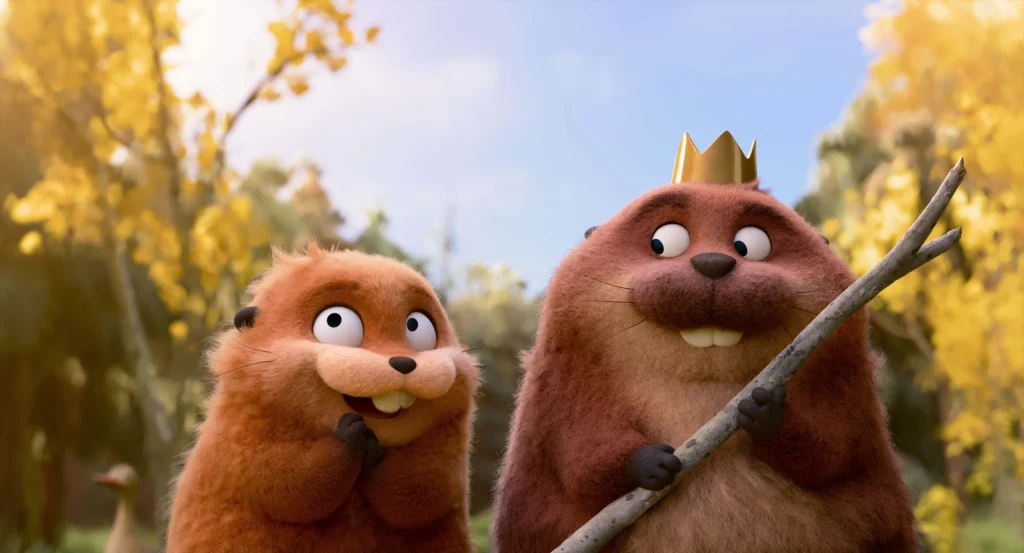
Pixar’s Hoppers didn’t just come together in a vacuum; it’s drawing from a lineage of environmental storytelling that goes back decades. In a recent interview with Mantan Web, director Daniel Chong cited Pom Poko as a direct influence, particularly in its approach to the relationship between humans and nature.
Chong explained that early versions of the film struggled to find the right animal perspective. Penguins were initially considered, but the idea didn’t stick. The shift to beavers changed everything.
Unlike most animals, beavers actively reshape their environments, which makes them a natural fit for a story centered on ecological impact and restoration.
That choice ultimately shaped the film’s core metaphor, nature as something that can rebuild itself when given the chance.
A Shared Theme: Humans And Nature
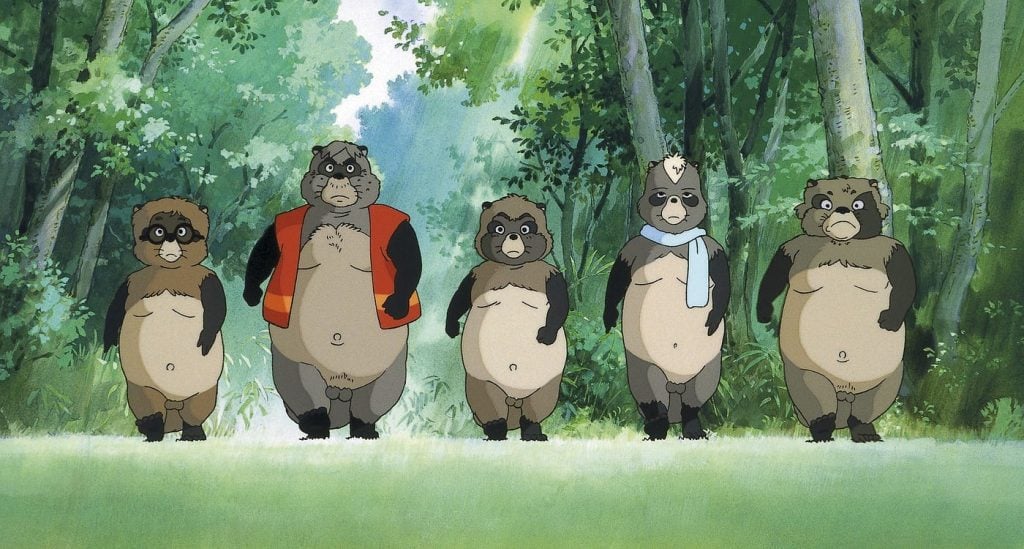
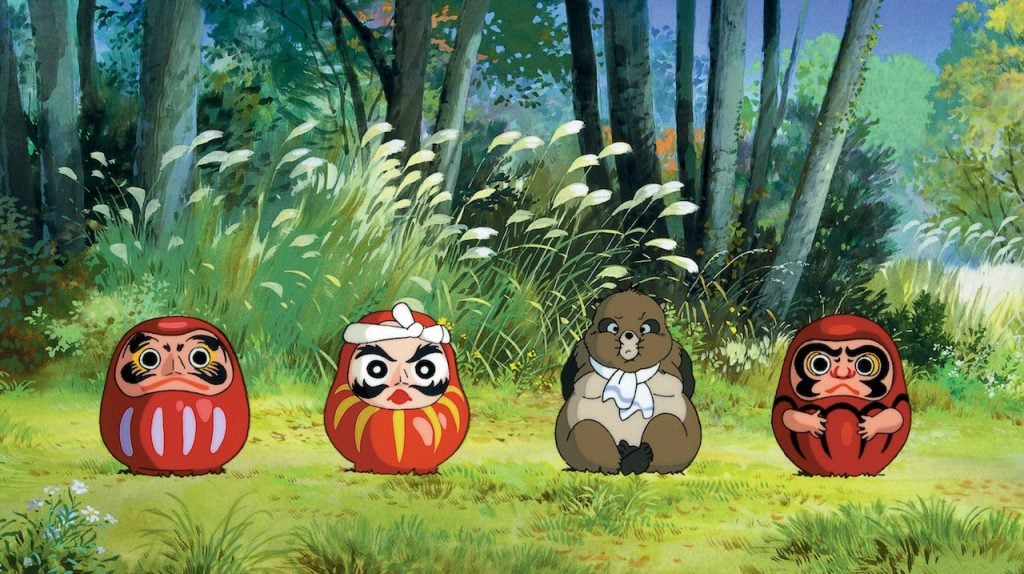
That thematic approach echoes what Isao Takahata explored in Pom Poko. In that film, tanuki use folklore-inspired transformation abilities to resist deforestation as Tokyo expands into their habitat. But what makes Pom Poko stand out isn’t just its premise—it’s how it presents multiple perspectives.
Humans aren’t framed as outright villains, and the tanuki aren’t guaranteed victory. Instead, the story sits in the uncomfortable space between progress and loss.
Chong specifically called out that dual perspective as something that influenced Hoppers. His protagonist, Mabel, exists in both worlds, human and animal, after placing her consciousness into a beaver animatronic. That narrative device allows the film to explore coexistence rather than just conflict, giving it a more balanced lens on environmental issues.
Why The Ghibli Influence Feels Familiar
Chong cites My Neighbor Totoro as a personal favorite, noting its observational style and its ability to capture childhood with subtlety and warmth. “One of my favorite movies is My Neighbor Totoro. Of course, I know it’s very popular in Japan. That film has a beauty and a respect for nature,” he told Mantan Web. “Furthermore, it has a delicate observational eye and charm that looks at childhood, and I really love that.
That influence shows up in Hoppers through its smaller character moments and its willingness to slow down and let the world breathe, rather than pushing constant action.
From a personal standpoint, that influence is easy to spot. As a dad of four, Studio Ghibli films are a regular part of our rotation, and Pom Poko, My Neighbor Totoro, and Spirited Away are all favorites in our house.
As a huge Studio Ghibli fan, I made it a point early on to show my kids Pom Poko, one of the studio’s more underrated movies. My eight-year-old is our family’s biggest fan of the movie, and when prompted, she said she definitely saw similarities between the two films.
Where the Two Films Differ
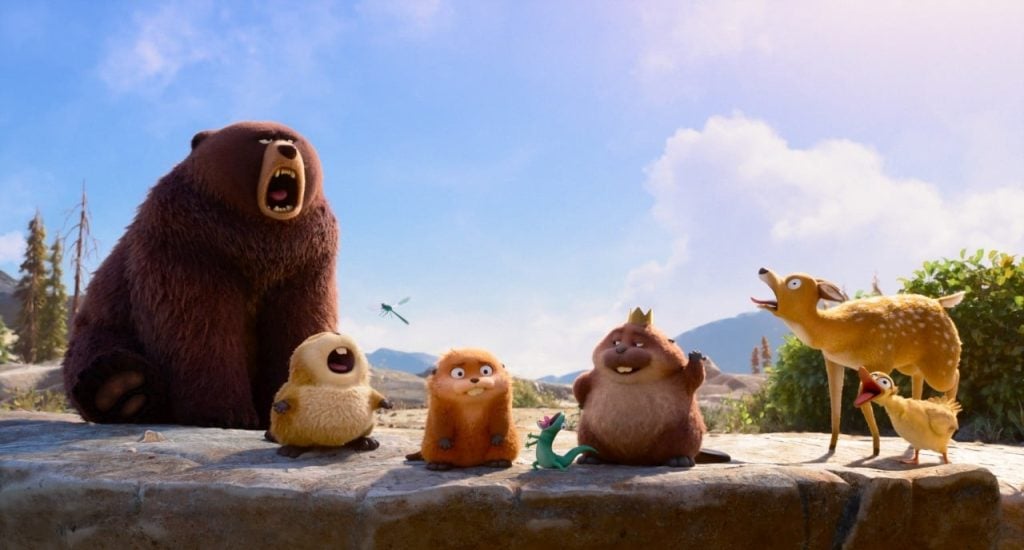
Where the two films ultimately diverge is in outlook. Pom Poko leans into inevitability, the idea that environmental loss is already underway and not easily reversed.
Hoppers, on the other hand, is more optimistic. By centering on an animal known for rebuilding ecosystems, it suggests that recovery is still possible, even if it requires a shift in how humans engage with the natural world.
Where to Watch
Hoppers is currently playing in theaters, while Pom Poko remains available on HBO Max in the United States and is also available for purchase on other streaming platforms.