
Old wives’ tales run rampant when a woman is pregnant. Excitement over guessing the baby’s gender and overall character when they’re born is essentially daydreaming for a new mama-to-be. However, just because an old wives’ tale is popular and has been passed down for generations doesn’t make it true.
I still remember my mom telling me that I was going to have a baby girl because my belly was growing wide and low. There’s rarely a reason for the old wives’ tale — just that the idea was passed down time and time again. (Psst, I did end up having a girl, by the way!)
What Are Old Wives’ Tales? Old wives’ tales are superstitions, folklore, or traditional beliefs passed down to new generations.
It’s the kind of thing where you don’t realize how many myths there are throughout a pregnancy until you’re pregnant yourself.
Many tales surround the baby’s gender, while others predict the baby’s due date or behavior post-birth. Experts have done studies on various tales, hoping to ease a new mom’s mind. The verdicts are both fascinating and enlightening, forcing moms to reflect on their own pregnancies.
Predicting Your Baby’s Gender
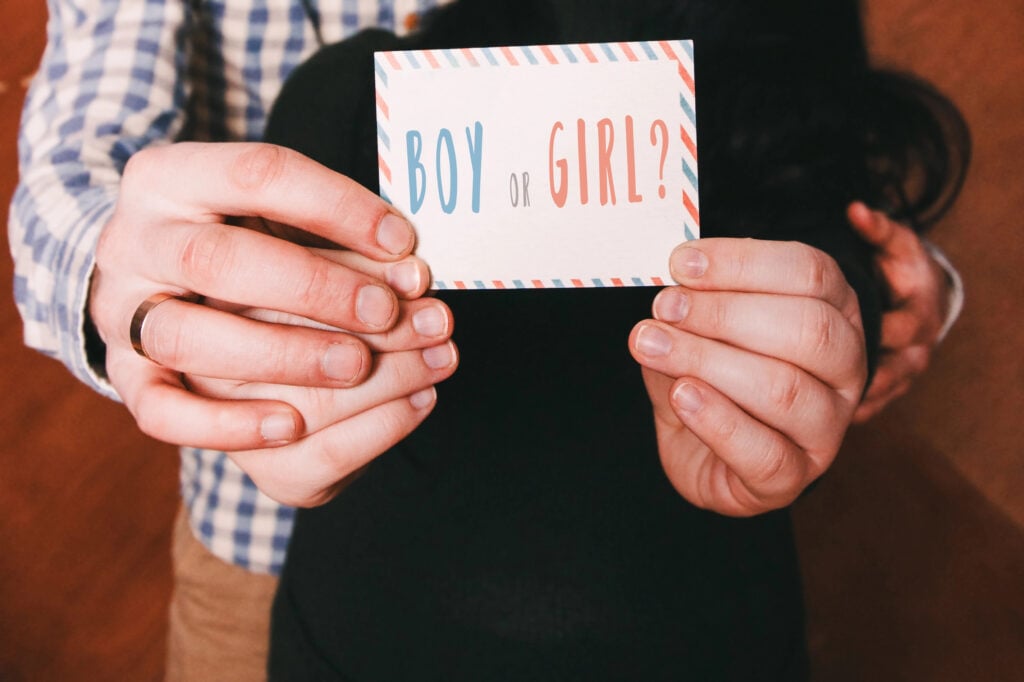
Predicting your baby’s gender deserves an entire entry on its own for the number of old wives’ tales connected to the notion. While every parent wants a healthy and happy baby, knowing if you’re giving birth to a boy or a girl adds an exciting element to the pregnancy. From adorable clothes to baby names, parents can’t help but wonder what gender their baby is.
Experts state that parents can find out the sex of their baby by taking a blood test, starting around 10 weeks. However, if parents want to listen to a few old wives’ tales to unofficially decipher the gender, here are the most popular:
Carrying High or Low: The tale is that those who carry a “high” baby bump are having a girl. Those carrying a low bump are having a boy.
- Verdict: How you carry depends on factors such as the number of pregnancies, muscle tone, and height
Cravings: If a mom is craving salty or sour foods, they’re having a boy. If they’re craving sweet things, they’re having a girl.
- Verdict: Cravings occur because of hormone changes and nutritional needs.
Acne: If a mom has pregnancy acne, it could mean she’s having a girl.
- Verdict: Skin quality is influenced by factors such as genetics, hormones, and diet.
The Shape of Your Bump: A narrow bump means you’re having a boy. A wide bump means you’re having a girl.
- Verdict: The shape of your bump has everything to do with muscle definition and your height.
Morning Sickness: If you have extreme morning sickness, you’re probably having a girl.
- Verdict: Women can have morning sickness when pregnant with either gender, as it’s brought on by rapid hormone changes.
High Heart Rate: It’s said that if a fetus has a heart rate lower than 140 bpm, it’s a boy.
- Verdict: Healthline shared a variety of studies showing that differences in heart rate between genders are incredibly minimal and not indicative of either gender.
These myths, however, are all in good fun. There’s no real science behind these favorites as they’re just predictions. The best indicator of your baby’s gender is an ultrasound around 20 weeks, but there are a few other options:
- Ultrasound
- Genetic testing through bloodwork
- cell-free DNA tests
Heartburn And Hair

On a personal note, I never had heartburn until I was pregnant with both of my girls. On both occasions, I was told my babies were going to have a head full of hair, because the old wives’ tale states that women who have horrible heartburn when pregnant will have babies with a lot of hair.
My babies were, in fact, born with thick, black hair. In my case, the old wives’ tale proved true, but that’s not the case for every new mama.
The National Library of Medicine did a study, Pregnancy Folklore Revisited: The Case of Heartburn and Hair, to determine if the tale rings true. The experts studied 64 women, their heartburn levels during pregnancy, and infant hair volume at birth.
The medical team found that 78% of the women they studied had heartburn during pregnancy. Their synopses concluded that there was a slight connection between the amount of hair a newborn had and the amount of heartburn their mothers had.
“Contrary to expectations, it appears that an association between heartburn severity during pregnancy and newborn hair does exist. We propose a shared biologic mechanism involving a dual role of pregnancy hormones in both the relaxation of the lower esophageal sphincter and the modulation of fetal hair growth.”
On the contrary, some institutions question the study because there weren’t many women participating, and the symptoms collected were “self-reported” with their own intensity ratings.
Verdict: This is one of those old wives’ tales that may have some truth behind it. If you have a ton of heartburn during your pregnancy, there’s a high chance your baby will have a full head of hair.
Are First Babies Actually Late?
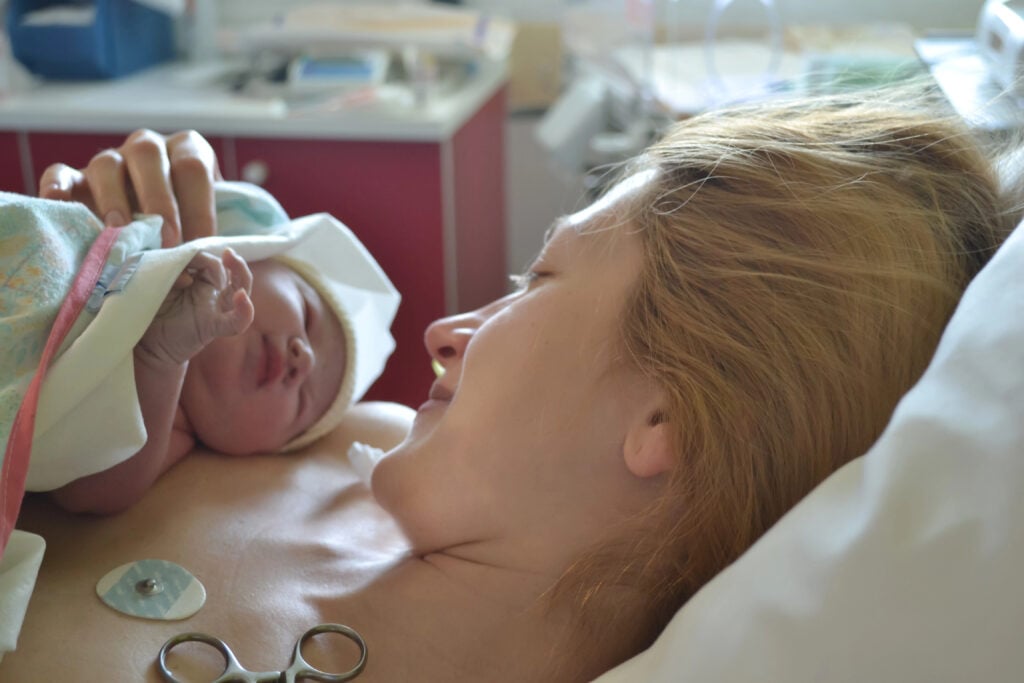
A popular tale that’s shared with new moms is that first babies are usually late, meaning first-time pregnancies tend to go a little longer, while the second babies come a little earlier. It’s said that babies come late because the mama’s body is experiencing birth for the first time, and it’s new for the uterus and cervix. However, is there any validity to this tale?
The first thing to discuss is due dates. Due dates are not set in stone and are just a guesstimation of when your baby could be born.
- Your due date is calculated by determining the first day of your last period (Day 1) and adding 40 weeks to it (the average range of pregnancy).
While due dates are exciting for parents-to-be, experts at the BBC shared that only 4% of babies are born on their actual due date. Computer scientist Allen Downey examined the data and found that firstborn children are more likely to be born later than expected by 16 hours, compared with later-born children.
Although 16 hours isn’t considered long (according to the study), this old wives’ tale seems somewhat true. Another study was conducted by medical staff at Epic Research, and they, too, discovered that first-time mothers had “late” babies.
“The average pregnancy length, known as the gestational period, is longer for first-time deliveries (275.9 days) compared to those with a prior delivery (274.5 days). A full–term gestation is considered 273–286 days.”
It should be noted that every woman and pregnancy is different from the next, and just because you’re having a baby for the first time does not mean your baby will be born past your due date.
Verdict: Firstborn babies do, in fact, tend to be born later (but not as late as many assume).
You Can’t Get Pregnant While Breastfeeding
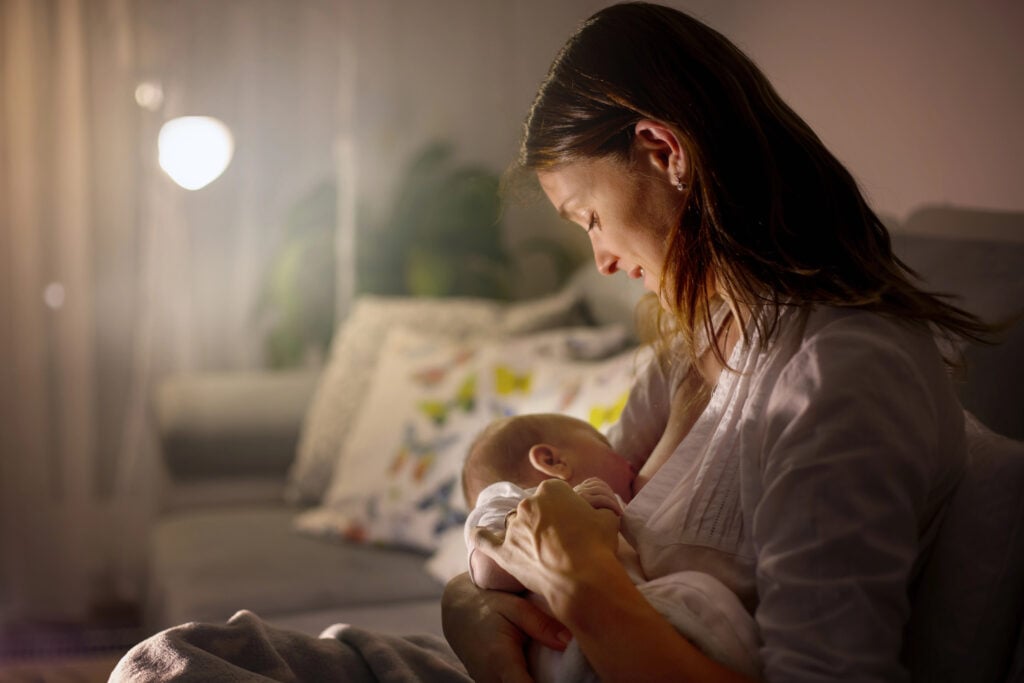
Somewhere down the line, an old wives’ tale was created that women could not get pregnant while exclusively breastfeeding their child. Even I was told by a medical professional that breastfeeding my firstborn was a great form of birth control. Lo and behold, I found out that the old wives’ tale was incorrect (in my case) because I was able to happily get pregnant while still nursing my firstborn.
However, those at Harvard University explained that breastfeeding does prevent ovulation (aka: getting pregnant) when there are strict limitations:
- The baby is exclusively breastfed and younger than six months.
- The mama doesn’t have a period (amenorrhea).
- The baby is breastfed at least every four hours.
Those three main stipulations are often not explained or mentioned when the old wives’ tale is passed around, so many women hear “breastfeeding is birth control,” which is not the case.
How it Works: Breastfeeding releases the hormone called prolactin, which plays a hand in ovulation. In short, too much prolactin affects your body’s ovulation cycle. If you have too much prolactin and are not ovulating consistently, it’s harder to get pregnant, per the Cleveland Clinic. If you got your period back, that means there is a low amount of prolactin, which could trigger ovulation.
If you are breastfeeding, but you’re also supplementing with formula, or your child is eating solids, there’s a chance you could get pregnant, especially if you already got your period back.
Verdict: This old wives’ tale is false. Mothers can get pregnant while breastfeeding and should look at different birth control options.
A Hard Pregnancy Means An Easy Baby
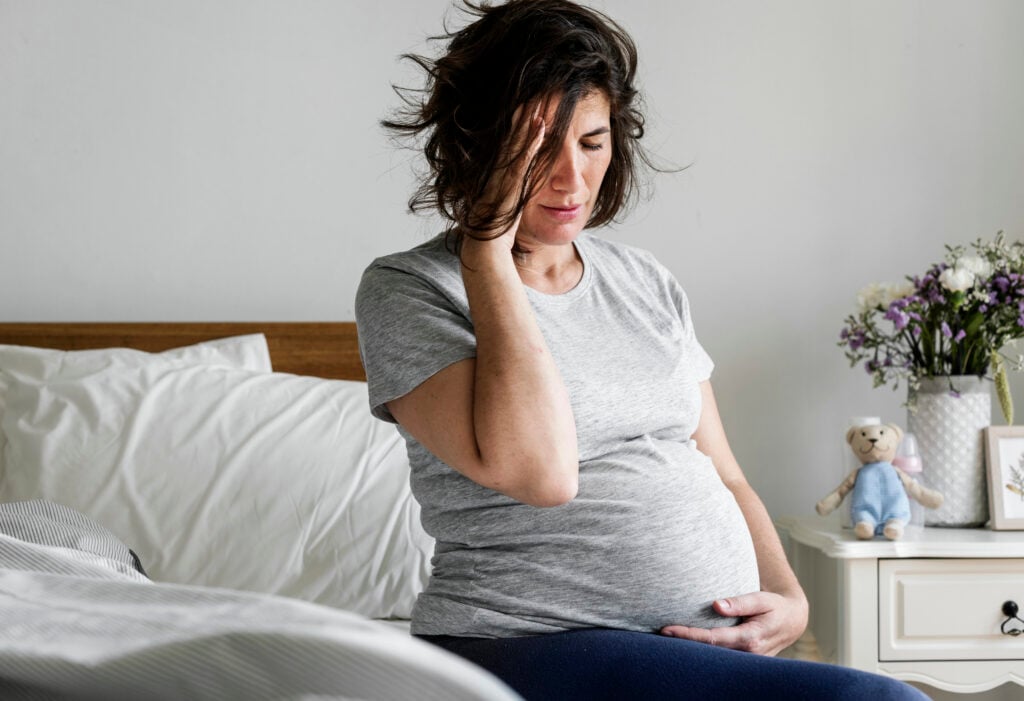
Pregnancy is no easy feat. It’s nine months of growing a human being while enduring countless physical and mental changes to support the fetus. While some women love being pregnant and carry on as usual, others have a hard time transitioning to carrying a bump around. Morning sickness can also take a heavy toll on mamas, along with other ailments.
Knowing how hard pregnancy can be for women, the folklore “a hard pregnancy means an easy baby” was created. It’s the notion that things will even out or get better once the baby comes, because the past nine months were brutal. However, there is no scientific evidence to support this claim. It’s more of a reassurance for new moms, adding some relief.
Verdict: A hard pregnancy does not ensure an easy baby. Every pregnancy, baby, and mama is different, and there are countless reasons why a woman’s pregnancy was hard.