
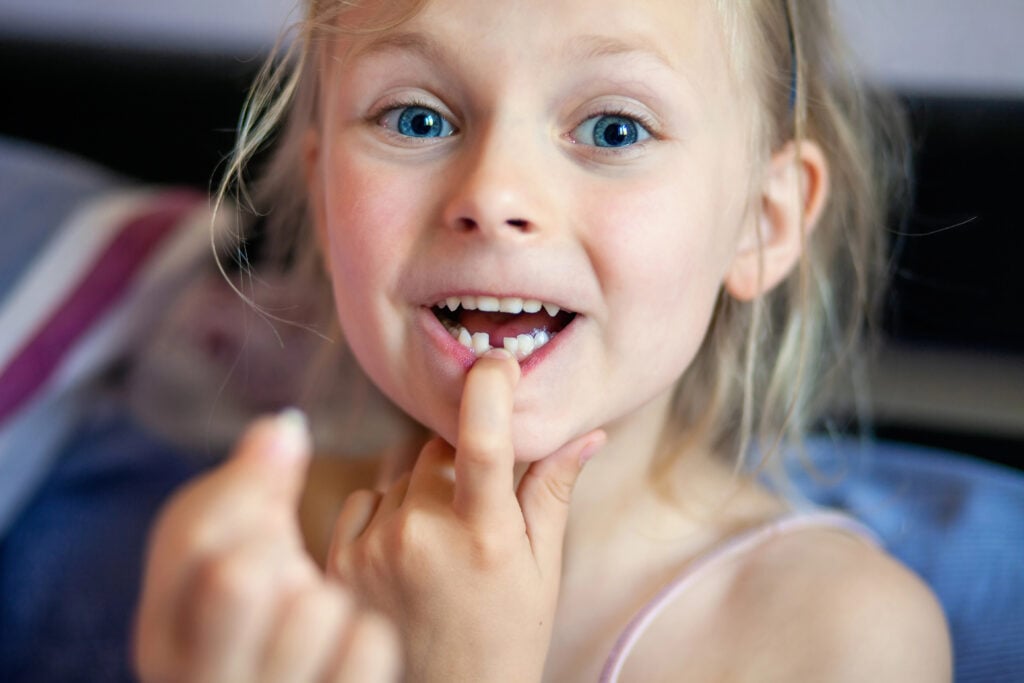
You may not think much about your child’s baby teeth beyond preparing them for the tooth fairy. But new research on the composition of children’s baby teeth shows they can be an important indicator of your child’s exposure to dangerous metals and other elements.
A Record Of Early Exposure
Your child’s baby teeth start developing even before they’re born. Because of this, they provide a historical evidence of the various elements they’ve been exposed to from the womb until early childhood. Scientists recently developed new methods to study children’s lost baby teeth to better understand their exposure to environmental metals and toxins.
This recent study followed children from 20 weeks before birth through adolescence. After children lost their baby teeth, scientists analyzed the composition to identify elements and metals present in them. This provides a picture of all the elements they have been exposed to through all those years.
They compared this exposure to later measures of behavioral issues and brain development. This fascinating new type of research showed some interesting results.
Sensitive Periods
First, the study showed that there seem to be certain sensitive periods when a child is more susceptible to absorbing higher levels of metals. Many of these metals, in trace amounts, are essential for healthy development, but in excess can be dangerous. Particularly between 6 and 9 months of age was a key sensitive period during which greater exposure to metals was associated with later behavioral challenges and differences in brain volume.
The researchers think that this 6 to 9-month sensitive period is mostly due to babies transitioning to solid foods and therefore being exposed to new elements through their diet.
This is also the age when babies become more mobile, crawling, and using their hands to explore. This increases their chances of coming into contact with these metals through the environment as they move through home or outdoor settings.
How To Keep Your Child Safe
While these findings seem alarming, it’s good to keep in mind that this is the first study of its kind to look at these correlations between mental exposure and children’s behavioral issues.
The behavioral challenges studied, such as autism, ADHD, and depression, are complex. So while this study shows a link between mental exposure and these behavioral issues, there are other factors usually at play as well, including genetics, environment, etc.
This study should not be a cause for panic, but it is good to be aware of the environmental conditions that your young child might be exposed to in daily life. Here are a few things to consider:
Food sources. As babies transition to solid food, it’s important to offer a wide variety of healthy options. Consider choosing organic foods when possible, and limit overly processed foods.
Environment. Consider your baby’s environment and the things that they’re breathing and touching daily. If they’re crawling, be mindful of the floor material, such as rugs, carpets, or hard surfaces, which may contain a variety of chemicals or other substances.
Toys or fabrics. Babies put everything in their mouths. It’s good to consider what elements their toys or fabrics are made from—wood, plastic, or synthetic materials.
When considering environmental exposures, the goal is to reduce them. It’s impossible to eliminate these elements. Just be mindful of what your child is breathing, eating, and touching. Small changes and mindful choices can help you reduce their exposure to harmful metals and support their development.