
A sound machine is one of the first things most new parents add to their baby registries. With the constant hustle and bustle of daily life, a sound machine provides consistent noise during rest to deter noisy triggers.
On a personal note, one night, as I was putting my one-year-old to sleep, I opened our sound machine app and chose the generic white noise we’ve been using since she was a newborn. That’s when I saw “brown noise” with a suggested amber lighting. Curious, I chose brown noise, and I couldn’t believe the difference in her sleep. We never went back!
Like anything baby-related, there are pros and cons to sound machines (for babies and adults). From brown to pink noise, this is your guide to different sound-machine settings (and the pros of each).
Why Do Babies Love Sound Machines?

It always makes me giggle when people “shhh” when a newborn baby is sleeping and expect dead silence. In utero, babies are surrounded by constant noise. Their mom’s heartbeat, blood flow, outside rumblings… Noise is consistent during their time in the womb and continues after birth.
Sleeping in a dead-silent room can be a stark contrast to the womb, which is where sound machines come in.
Some parents rely on apps, while others utilize physical sound machines. Some are app-enabled or have fun features like lights or stories.
It’s easy to see why babies like sound machines, but adults are fans too. According to a medically reviewed article at Everyday Health, “The more quiet it is, the more acute your hearing becomes. If it’s too quiet, you hear everything and assign value to it, which usually ends up in getting upset about that noise and not being able to sleep.”
While it’s ironic that sound drowns out sound, allowing you to sleep better, sleep machines are popular for a reason.
Pros & Cons Of Sound Machines
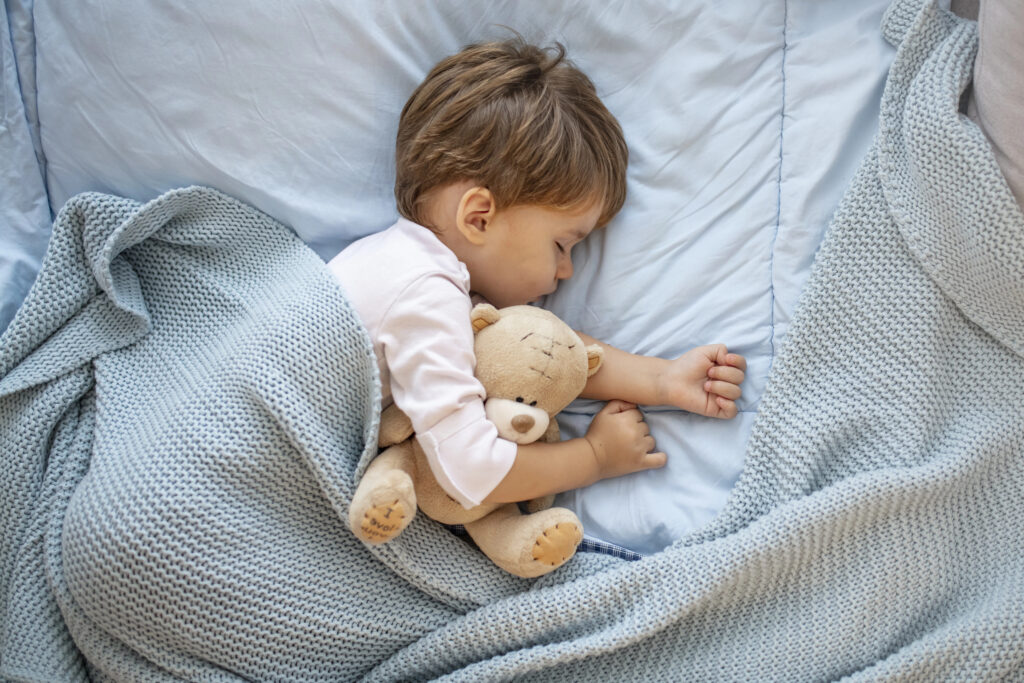
Like everything in life, there are pros and cons to sound machines. While a 2016 study found that people in a hospital setting slept better with a sound machine than those who didn’t, there can be cons to using one consistently (especially at high volumes).
Cons of Using a Sound Machine
Hearing Loss: A 2021 study shared that long-term use of a white noise machine could lead to hearing loss. “Excessive white noise exposure has the potential to lead to noise-induced hearing loss and other adverse health effects in the neonatal and infant population.” The white noise machine should be outside of a baby’s crib, at least 30 cm away from a person.
REM Sleep: In a study done by the University of Pennsylvania School of Medicine, researchers found that “pink noise significantly reduced REM sleep,” and that if adults wanted a deeper sleep without noise, they could opt for earplugs.
Dependency: If your child has always fallen asleep with a sound machine, they may grow dependent on it for sleep. The absence of a sleep machine may disrupt normal sleep patterns, and it could be a problem when traveling or falling asleep somewhere where there is no sound machine.
Pros of Using a Sound Machine
Masks Noise Spikes: At an appropriate volume, sound machines can drown out triggers that might startle someone awake.
Association with Sleep: If the sound machine is a consistent part of your child’s sleep routine, it will eventually become a symbol of sleep. The association will show babies that it’s time to get ready for sleep and can become a vital part of their nighttime routine.
The positives and negatives of sound machines are closely linked, but when used correctly, they can be beneficial for sleep. Now, it’s time to learn the difference between pink, white, and brown noise, and which sound works best for your family.
What Is Pink Noise?

The Sleep Science Academy describes pink noise as a “type of sound that contains a mixture of all audible frequencies, with more power in the lower frequencies.” In case you’re thinking you’ve never heard of pink noise before, its audible sources include ocean waves, rainfall, wind in the trees, etc…
What Pink Noise Does to Your Brain: It’s theorized that pink noise synchronizes the brain’s slow-wave oscillations. Slow-wave oscillations are imperative to organize sleep rhythms. The deep hum of pink noise can dance with brainwaves to enhance sleep.
Benefits: Pink noise can be more soothing than white noise due to its lower frequencies. The low frequencies can promote deeper, longer sleep. Studies have shown that using pink noise can improve memory, according to Sleep Science Academy.
What Is White Noise?
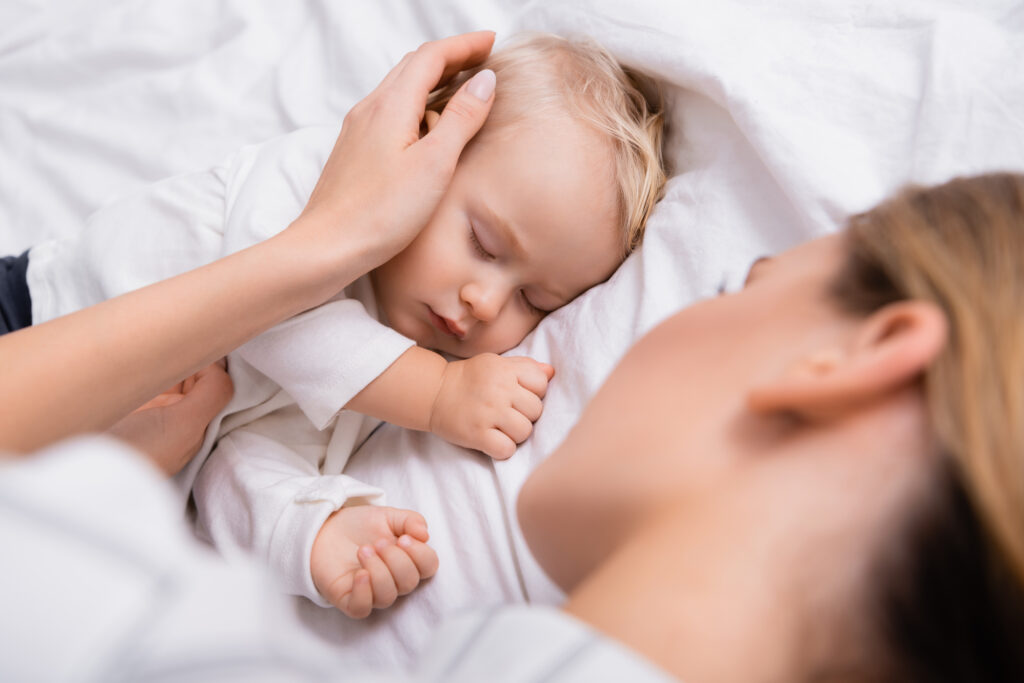
When people think of white noise, they think of TV static. It’s a consistent sound that mixes all audibles at the same frequency, as opposed to pink noise’s lower frequency. White noise can also be comparable to a fan humming or an air conditioner running.
What White Noise Does to Your Brain: White noise’s loud hissing sound reduces the brain’s need to stay alert while sleeping. The consistent, predictable sound allows the brain to rest.
Benefits: The brain pays less attention to other triggering sounds when white noise is playing. It’s louder and brighter, allowing users to fall into a deeper sleep. Consistency creates predictability for the brain, allowing you to sleep or focus more deeply.
What Is Brown Noise?

While pink noise focuses on lower frequencies and white noise focuses on higher frequencies, where does brown noise land? Pink noise combines all frequencies but focuses on lower frequencies and has a richer tone. Examples could be a loud waterfall, heavy rainfall, or an airplane cabin. Many have shared that it’s more soothing than white noise.
If white noise is too irritating and you find pink noise soothing, you may fall in love with brown noise.
What White Noise Does to Your Brain: Brown noise’s rich tones can help the brain focus on a task or sleep. Unlike pink and white noise, brown noise is balanced and appealing to the ear.
Benefits: Brown noise’s consistency can reduce external triggers, such as people talking, cars, or doors closing. The steady, predictable sounds can make it easier for the brain to focus, creating a comfortable place to mentally rest.
Conclusion
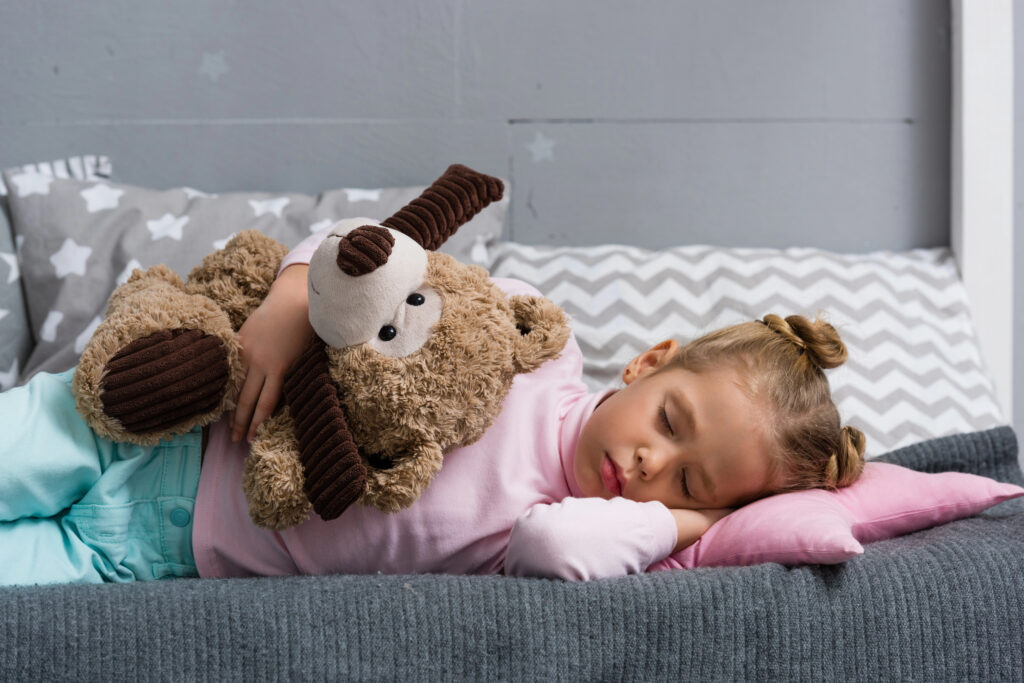
In short, white, pink, and brown noise all have benefits for sleep. What it comes down to is preference. If you’re using a sound machine for your child and realize that white noise doesn’t seem to work for your little one, it may be the wrong frequency for resting.
White Noise
- A combination of all frequencies equally
- Sounds like TV static or high-pitched hissing.
- Use it to mask sounds in a busy area.
Pink Noise
- A combination of all frequencies that are not equally distributed.
- Sounds like gentle rainfall, heartbeat, wind in the trees.
- Use it to fall asleep or stay asleep.
Brown Noise
- A combination of high-energy sounds with lower, deeper frequencies.
- Sounds like a thunderstorm, heavy rainfall, and a dryer rumbling.
- Use it to fall asleep, study, or block out noises.