

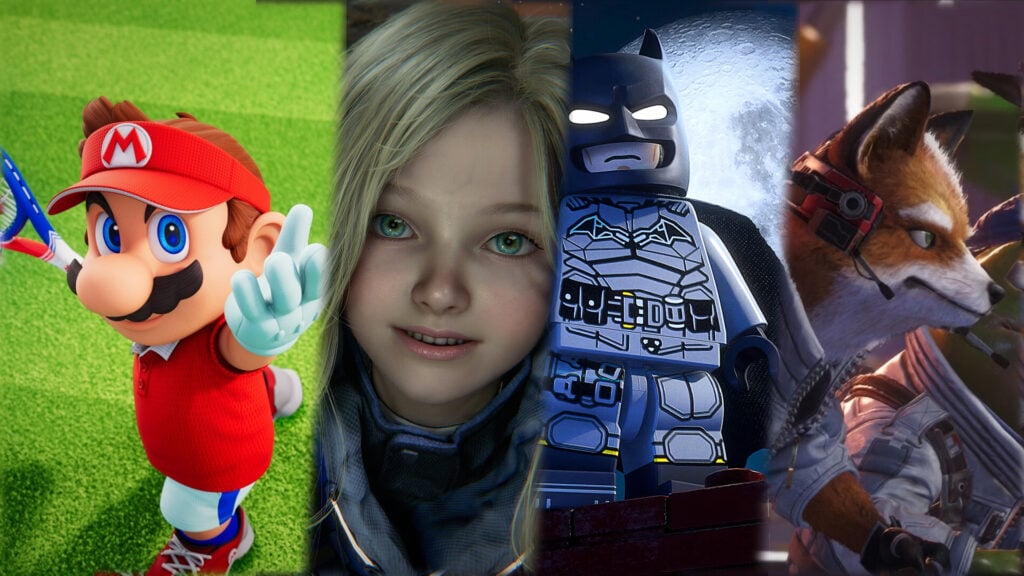
Finding a new video game for a child used to mean choosing between a few colorful platformers and whichever licensed games happened to be sitting near the front of the store. The selection is considerably better in 2026, but it’s also more complicated. A game can look like a Saturday morning cartoon and still earn a Teen rating, while another can feature swords, monsters, and regular explosions without being any more intense than an animated family movie.
Fortunately, this year’s strongest kid and teen-friendly releases cover nearly every kind of player. There are open-world racing games, cozy building simulations, turn-based titles, rhythm games, puzzle platformers, and a surprisingly large number of games about animals doing jobs normally reserved for humans. Whether your child wants to build a Pokémon town, investigate crimes as a cartoon mouse, or save the Lylat system as a fox in a spaceship, 2026 has something for everybody.
For this list, we’ve focused on games that were released in 2026 and earned generally positive reviews from critics and players. Every selection carries an E, E10+, or T rating, though some of the Teen-rated games still deserve a closer look before buying them for younger children. ESRB ratings, content descriptors, multiplayer details, and platforms are included under every entry.
Forza Horizon 6 Turns Japan Into An Enormous Driving Playground
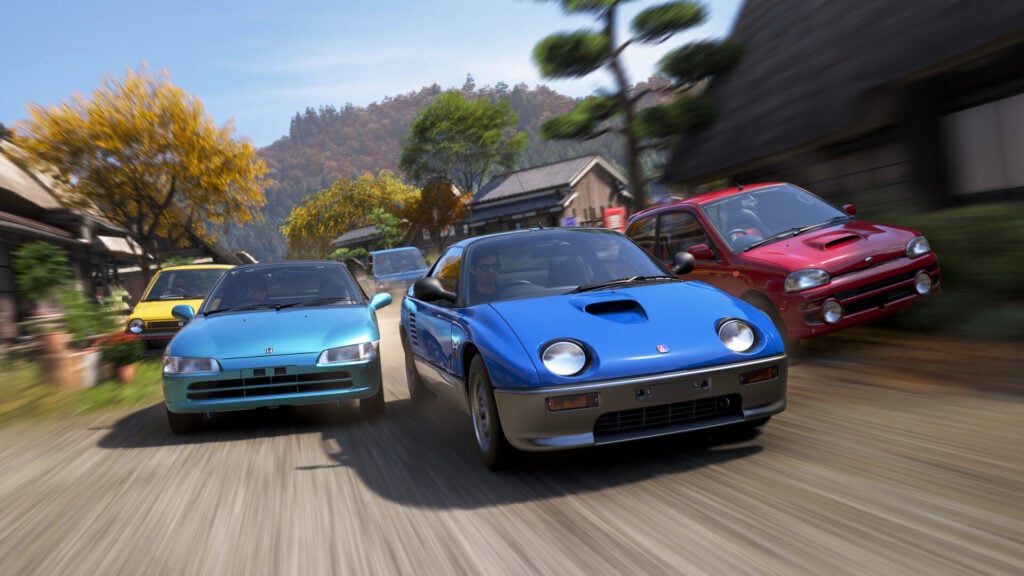
Forza Horizon 6 takes its open-world racing festival to Japan, where players can drive through crowded city streets before heading toward rural villages, mountain roads, and the coast. Races range from traditional road events to dirt tracks and drag strips, but there’s no need to follow a fixed route through the game. Driving around, photographing landmarks, and attempting ridiculous stunt jumps can be every bit as entertaining as competing against other players.
The handling in Forza Horizon 6 works well with assists enabled, so kids don’t need to understand tuning or racing lines before they can enjoy themselves. More experienced drivers can turn those assists off and start chasing faster times. The only major concerns for parents are the online features and optional purchases. Crashes look dramatic, but cars don’t show realistic damage and nobody gets hurt.
Why Kids Will Love Forza Horizon 6: Few racing games give kids this much freedom behind the wheel. They can collect favorite cars, compete with friends, or simply choose a direction and see where the road takes them.
ESRB Rating: E for Everyone
Content Descriptors: Mild Lyrics, Users Interact, In-Game Purchases
Players: Single-player. Online co-op and competitive multiplayer available
Platforms: PC and Xbox Series X|S; PlayStation 5 version coming later in 2026
Pokémon Pokopia Lets Kids Build A Home For Their Favorite Pokémon
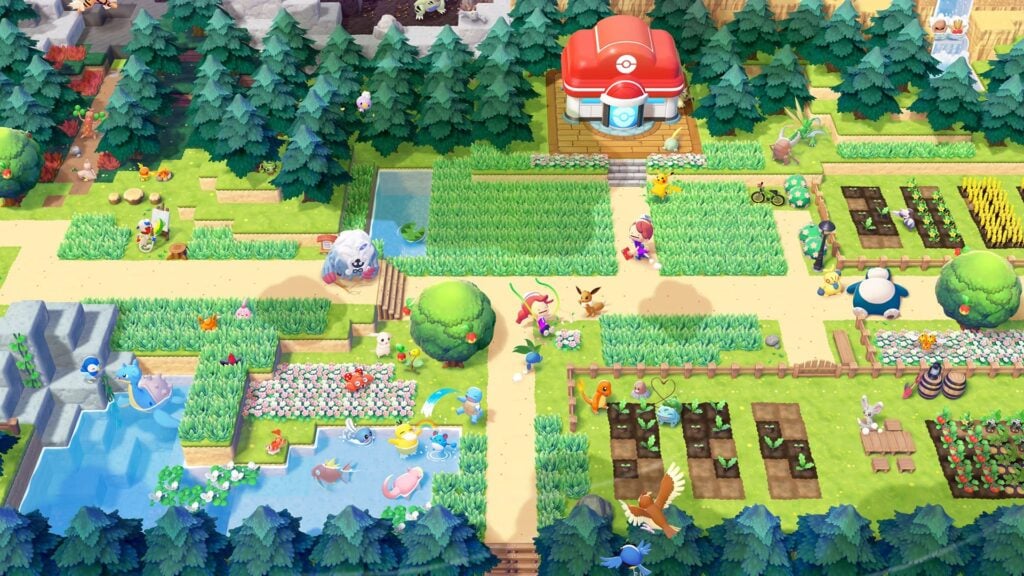
Pokémon Pokopia stars a Ditto that has transformed into a human-like character in a post-apocalyptic world. Bringing the land back to life requires planting greenery, gathering materials, and building habitats where different Pokémon can feel comfortable. Water types need ponds, for example. Other species teach Ditto moves that change the terrain and open up new building options.
The game has more structure than a completely open sandbox, but it rarely instills players with a sense of urgency. Restoring each area brings new Pokémon into the community and makes the once-empty world feel increasingly lively. Up to four people can visit a world through local wireless or online play, though guests can only build freely in certain areas and can’t play together through the whole campaign.
Why Kids Will Love Pokémon Pokopia: Pokémon finally get to feel like neighbors instead of creatures waiting for their next battle. Kids who enjoy decorating and collecting will always have another habitat to finish or resident to welcome. And, of course, this is a must-play for anyone who loves Pokémon games in general.
ESRB Rating: E for Everyone
Content Descriptors: Users Interact, In-Game Purchases
Players: Single-player. 2–4 players via local wireless; up to 4 online
Platforms: Nintendo Switch 2
007 First Light Gives Teens The Chance To Become A Young James Bond
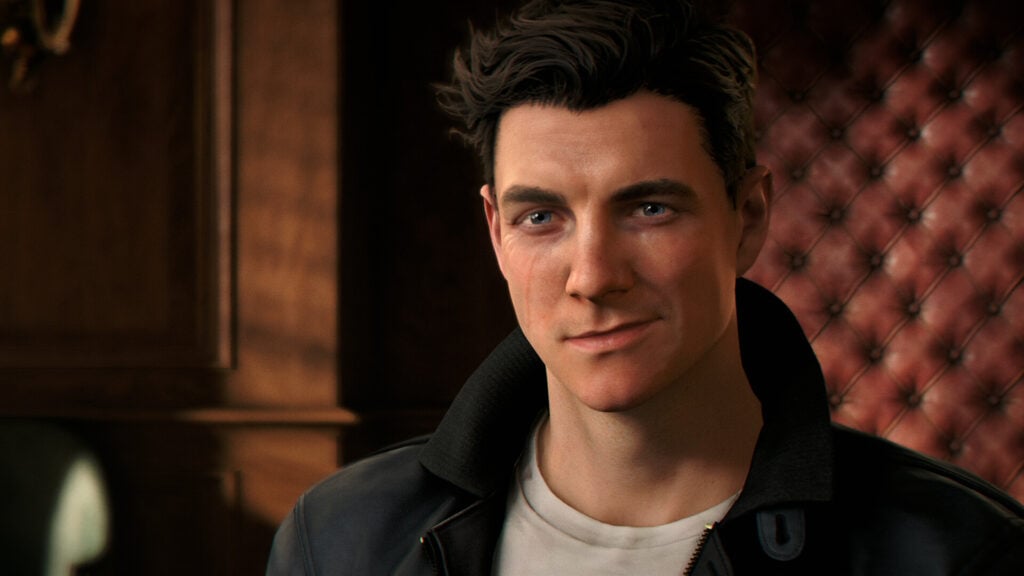
007 First Light tells an original story about James Bond earning his place in MI6. Missions send him into guarded buildings and high-profile social events where he can listen for useful information, create a distraction, or sneak through an area unnoticed. When stealth and infiltration don’t work, Bond can fall back on hand-to-hand combat, firearms, and the occasional high-speed chase.
The developers behind the modern Hitman games give most objectives more than one solution, but First Light isn’t as complicated or punishing as those titles. Helpful prompts keep the story moving, even after a failed attempt turns into a gunfight. Parents should expect some blood, moderate profanity, and suggestive spy-movie dialogue. 007 First Light is definitely not as mature as the darker Bond films, but the Teen rating is warranted.
Why Teens Will Love 007 First Light: Gadgets and alternate routes let teens come up with their own plan if they want to stray away from the predetermined path. The big action scenes make sure there’s still plenty of excitement amidst all the spy work.
ESRB Rating: T for Teen
Content Descriptors: Blood, Language, Suggestive Themes, Violence, In-Game Purchases
Players: Single-player only
Platforms: PC, PlayStation 5, and Xbox Series X|S; Nintendo Switch 2 version coming later in 2026
Pragmata Weaves Hacking Into A Fast-Paced Combat System
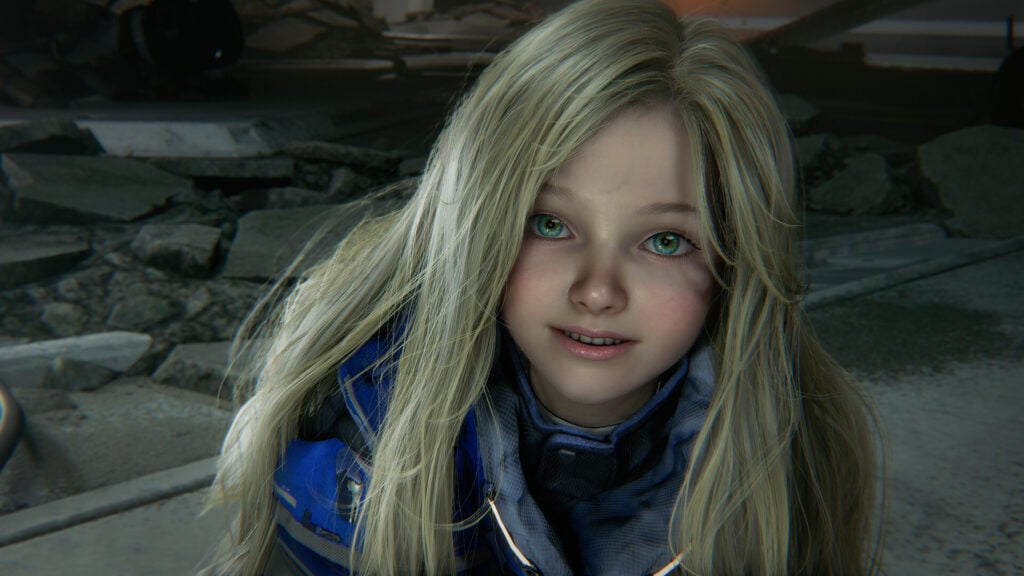
Pragmata follows astronaut Hugh Williams and a childlike android named Diana through a lunar research station overrun by hostile machines. Diana can hack the shields protecting enemies while Hugh handles movement and weapons. Players control both parts of that process at once, tracing a path through a small grid before attacking the exposed target.
That mix of puzzle-solving and shooting results in a combat system that feels very different compared to the average third-person action game. New weapons can stun robots or control groups, and the relationship between Hugh and Diana gives the lonely setting some warmth. The station contains human bodies, however, and a couple of scenes can get pretty graphic, hence the Teen rating.
Why Teens Will Love Pragmata: Winning a fight takes more than good aim. Teens have to solve Diana’s hacking puzzle under pressure, then make the most of the short opening they’ve created for Hugh.
ESRB Rating: T for Teen
Content Descriptors: Language, Violence, In-Game Purchases
Players: Single-player only
Platforms: PC, Nintendo Switch 2, PlayStation 5, and Xbox Series X|S
Monster Hunter Stories 3 Makes Monsters Feel Like Teammates
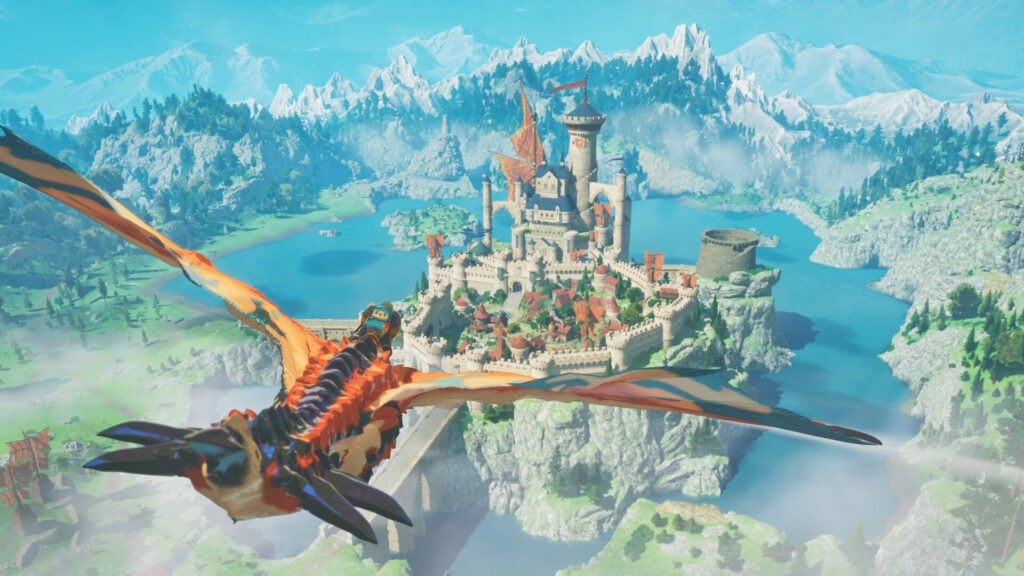
Monster Hunter Stories 3: Twisted Reflection returns to the turn-based side of Capcom’s monster series. Players hatch creatures known as Monsties and raise a team capable of helping two kingdoms survive the Encroachment, a strange crystal phenomenon that’s spreading across the land. Those Monsties also help outside battle by reaching hidden paths or crossing terrain a human rider can’t handle alone.
Battles revolve around power, speed, and technical attacks, with each type beating one and losing to another. Sort of like a game of rock paper scissors. That’s the basic gist of it, but genes give players plenty of control over a Monstie’s skills and make the system a bit more complex. This entry is entirely single-player, unlike its two predecessors. Fantasy fighting, a few serious story scenes, and mildly revealing outfits are responsible for the Teen rating.
Why Teens Will Love Monster Hunter Stories 3: Building a team is just as important as finding new eggs. Teens can choose favorite Monsties, change how they fight, and learn enemy patterns to more easily take them down.
ESRB Rating: T for Teen
Content Descriptors: Fantasy Violence, Mild Suggestive Themes, In-Game Purchases
Players: Single-player only
Platforms: PC, Nintendo Switch 2, PlayStation 5, and Xbox Series X|S
LEGO Batman: Legacy Of The Dark Knight Features A Family-Friendly Gotham
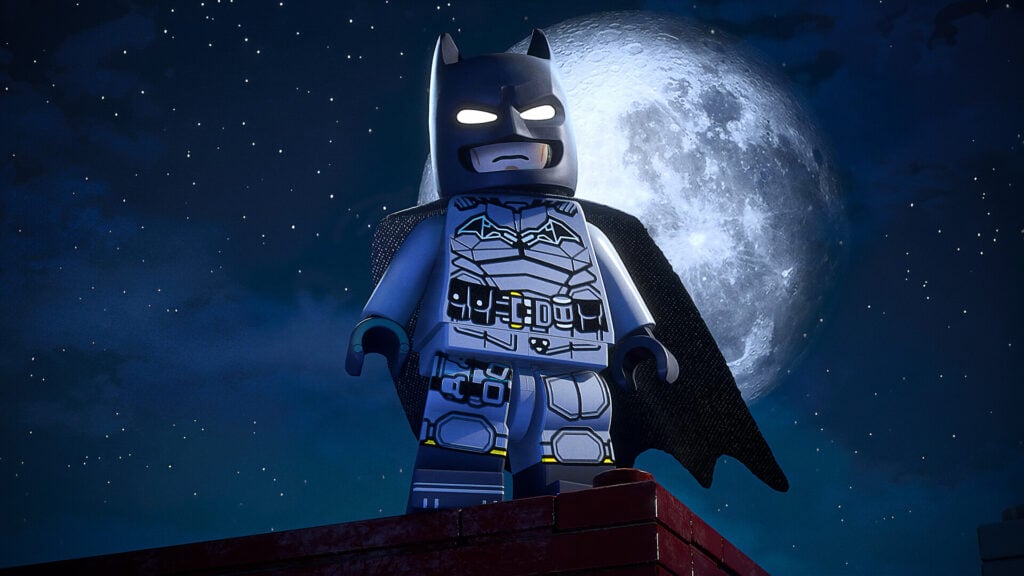
LEGO Batman: Legacy of the Dark Knight retells Bruce Wayne’s story using ideas from decades of Batman movies, comics, television shows, and games. Gotham is filled with crimes to stop and puzzles that call for Batman’s growing collection of gadgets. The fighting closely resembles the counter-based system from the Arkham games, though the plastic pieces and slapstick humor give it a considerably lighter tone.
A second player can join locally as Robin, Batgirl, Nightwing, Catwoman, or another member of the Bat-Family. Co-op works throughout the campaign, but there’s no built-in online option. The story does cover the death of Bruce’s parents and some of Batman’s more intimidating enemies. Nothing gets particularly dark or graphic, but the themes alone and cartoony violence land it in E10 territory.
Why Kids Will Love LEGO Batman: Legacy Of The Dark Knight: Kids can explore Gotham in the Batmobile, unlock new suits, and fight alongside another player on the same couch. Longtime Batman fans will have lots of fun spotting references from across the character’s history. Also very easy to recommend for kids who love LEGO games.
ESRB Rating: E10+ for Everyone 10+
Content Descriptors: Cartoon Violence
Players: Single-player. 2-player local co-op
Platforms: PC, PlayStation 5, and Xbox Series X|S; Nintendo Switch 2 version coming later in 2026
Demon Tides Rewards Players For Moving With Style
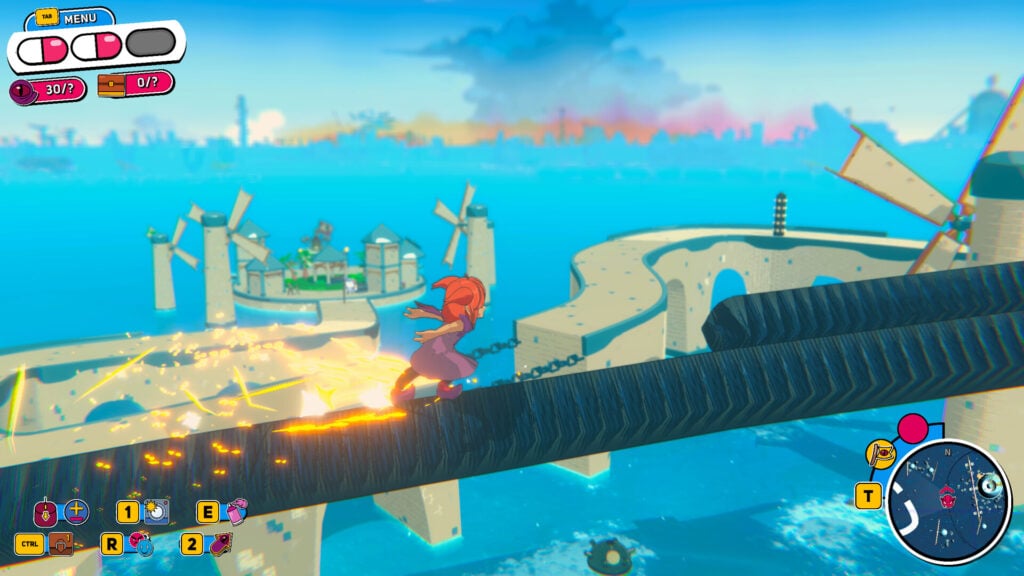
Demon Tides sends demon queen Beebz across an open ocean dotted with islands and platforming challenges. Her movement starts with familiar jumps and wall runs, then grows much stranger as new transformations enter the picture. Players can change those abilities with modifiers that favor height, speed, or other movement styles, opening new routes through places they’ve already visited.
Beebz fights enemies and bosses with quick melee attacks and interesting moves that can be chained together into devastating combos. That said, the movement and terrain traversal remain the real stars of the show here. The game’s Teen rating comes from stylized fantasy combat and occasional profanity. Online features allow players to interact, but the main campaign is designed exclusively for single-player.
Why Teens Will Love Demon Tides: Teens who enjoy mastering movement will discover a game that rarely tells them to slow down. The controls invite improvisation, the upgrades encourage silly experiments, and simply traveling from one objective to another is often more entertaining than the objective itself.
ESRB Rating: T for Teen
Content Descriptors: Fantasy Violence, Language, Users Interact
Players: Single-player only
Platforms: PC and Nintendo Switch
Moomintroll: Winter’s Warmth Finds Comfort In A Lonely Season
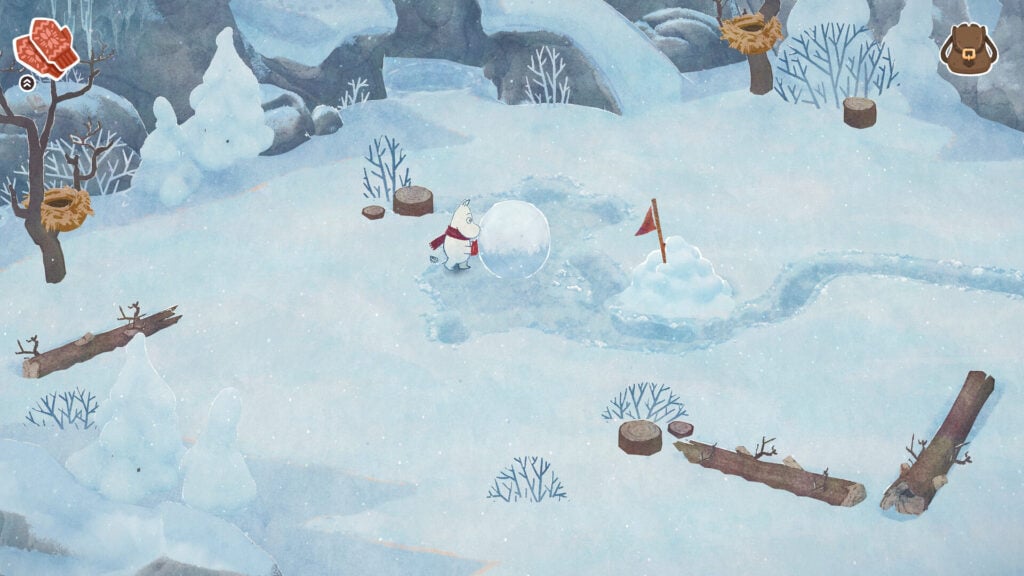
In Moomintroll: Winter’s Warmth, the titular character wakes from hibernation far earlier than expected and discovers a version of Moominvalley he has never seen. Snow covers familiar paths, his family remains asleep, and the reassuring routines of warmer months have disappeared. The story draws from Tove Jansson’s Moominland Midwinter and doesn’t shy away from the fear or loneliness behind its cozy appearance.
Most of the game revolves around helping winter residents and getting the valley ready for a communal bonfire. The tasks are simple, but they give Moomintroll a reason to meet new people and stop viewing winter as something to be afraid of. Aside from a brief snowball fight and some mildly upsetting dialogue, there’s very little content for parents to worry about here.
Why Kids Will Love Moomintroll: Winter’s Warmth: The game’s slow pace gives kids time to explore the snowy valley without timers or difficult combat. Moomintroll’s growing confidence also tells a thoughtful story about how being brave can mean walking outside when the world suddenly feels unfamiliar.
ESRB Rating: E for Everyone
Content Descriptors: Mild Fantasy Violence
Players: Single-player only
Platforms: PC, Nintendo Switch, and Nintendo Switch 2; PlayStation 5 version coming later in 2026
Rhythm Heaven Groove Turns One Button Into Dozens Of Weird Ideas
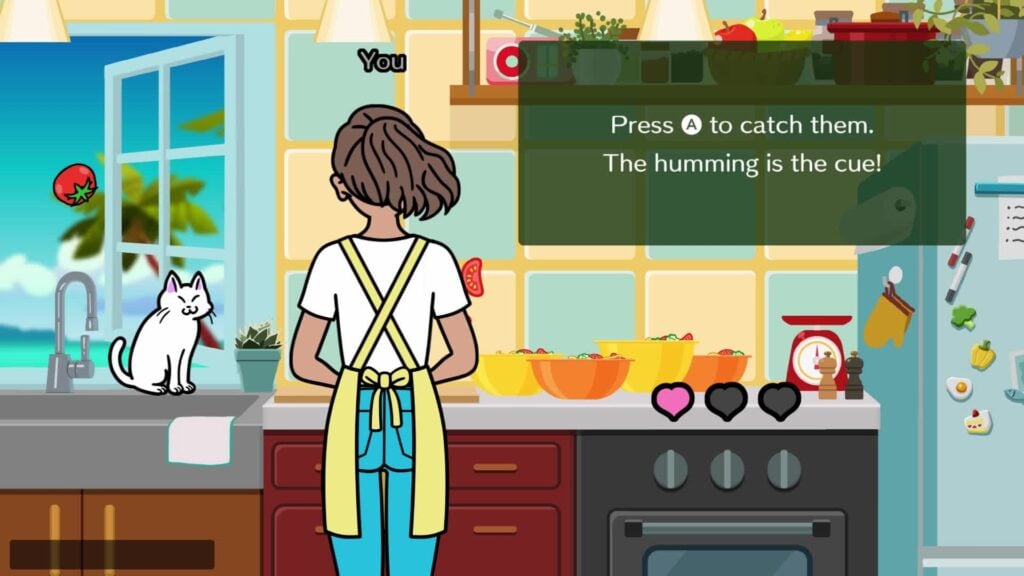
Rhythm Heaven Groove asks players to listen to a beat and press a button at the right moment. Nintendo takes that simple idea and stretches it across more than 80 solo rhythm games involving everything from plucking onion hairs to playing volleyball. Each game teaches its pattern through sound and animation instead of filling the screen with the classic falling notes found in most music games.
The main campaign gradually combines earlier challenges into remixes, testing whether players actually learned the patterns or merely survived them through enthusiastic guessing. Beatspell adds a playful role-playing twist in which rhythmic commands cast spells against monsters, while the Sound Studio lets players revisit unlocked music. More than thirty multiplayer challenges allow up to four people to share one system, including competitive and cooperative games that tend to reveal which family member has been clapping half a beat late.
Why Kids Will Love Rhythm Heaven Groove: The controls only take seconds to explain, making this an easy choice for family game night. Kids can laugh at the strange scenarios even when their timing is nowhere near perfect.
ESRB Rating: E for Everyone
Content Descriptors: Mild Fantasy Violence
Players: Single-player. Local multiplayer for up to 4 players
Platforms: Nintendo Switch; also playable on Nintendo Switch 2
Escape From Ever After Fights Corporate Greed With Storybook Charm
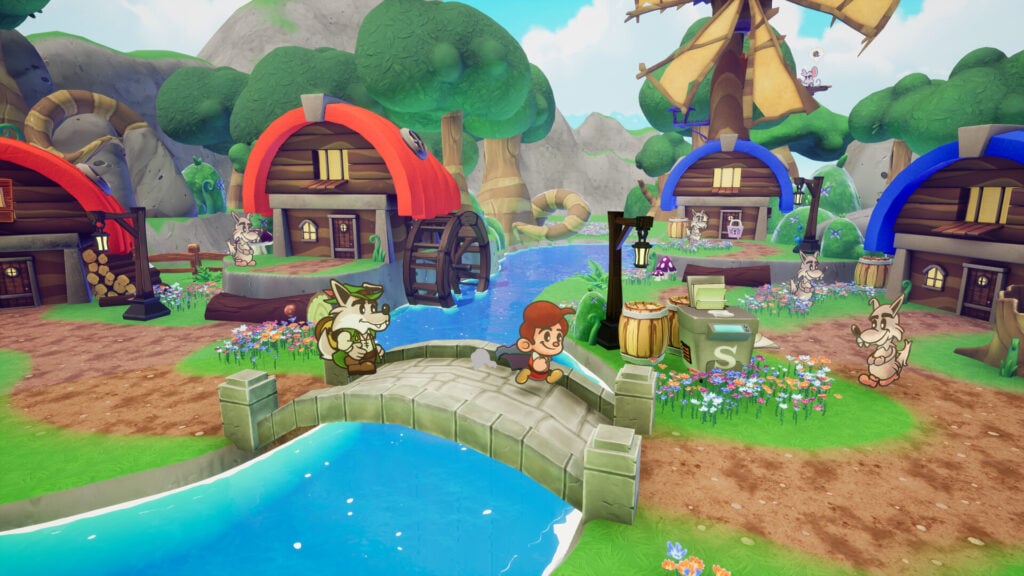
Escape from Ever After follows storybook hero Flynt Buckler after a corporation takes over his world and begins using fairy-tale characters as cheap labor. His solution is to get a job inside the company and sabotage it from within. The writing finds plenty of humor in that setup without requiring kids to understand every joke about office culture.
Exploration and turn-based combat take clear inspiration from the Paper Mario series. Players explore layered storybook environments, solve light puzzles, recruit a strange group of allies, and enter turn-based battles that reward well-timed button presses. Different chapters bend familiar fairy-tale rules, allowing the art, enemies, and jokes to shift before any one setting grows stale. A lively jazz-influenced soundtrack gives the corporate hallways more personality than corporate hallways generally deserve.
Why Kids Will Love Escape From Ever After: Each new chapter plays with a different fairy tale and introduces another oddball character. Battles stay engaging because kids have to time their inputs as turns don’t play out automatically.
ESRB Rating: E for Everyone
Content Descriptors: Mild Fantasy Violence
Players: Single-player only
Platforms: PC, Nintendo Switch, PlayStation 4, PlayStation 5, Xbox One, and Xbox Series X|S
Yoshi And The Mysterious Book Rewards Kids For Experimenting
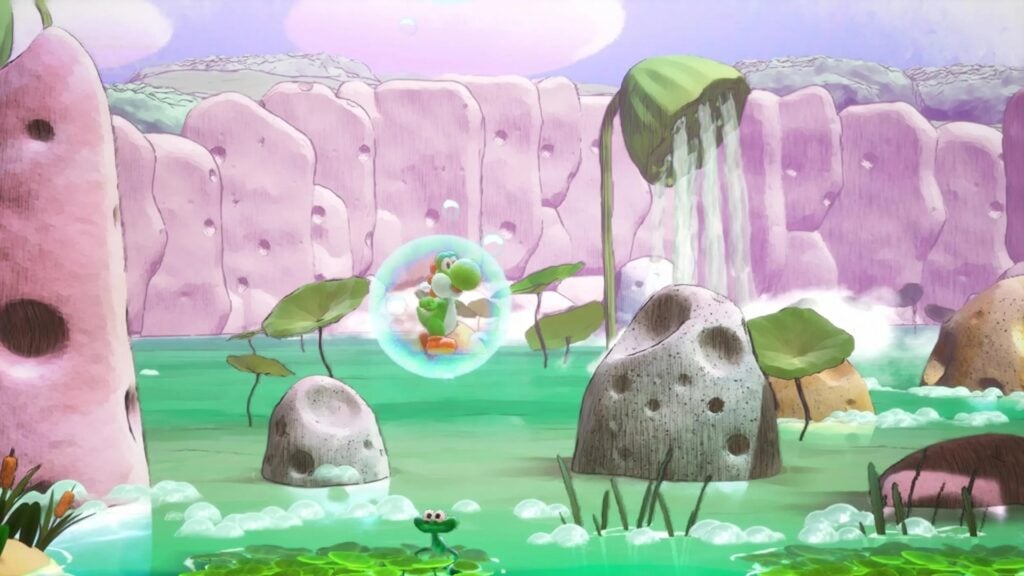
Yoshi and the Mysterious Book gives Nintendo’s green dinosaur a magical book filled with blank pages. Restoring them means entering small papercraft environments and learning how their unusual creatures behave. Players might need to feed a creature, move another, or work out how several animals react to each other before the book records a new discovery.
This isn’t a traditional Yoshi platformer built around reaching the end of a stage. The game feels more like an interactive nature journal where poking at the environment is the main objective. Yoshi can still throw eggs and face a few cartoon bosses, but the fantasy violence is very mild. Parents should also know that the game is single-player only, unlike most of the other recent Yoshi titles.
Why Kids Will Love Yoshi And The Mysterious Book: Kids are free to test their own ideas and see how each creature reacts. The stop-motion presentation makes every page fun to explore, even when players aren’t chasing the next objective.
ESRB Rating: E for Everyone
Content Descriptors: Mild Fantasy Violence
Players: Single-player only
Platforms: Nintendo Switch 2
Splatoon Raiders Gives Ink Battles A New Purpose
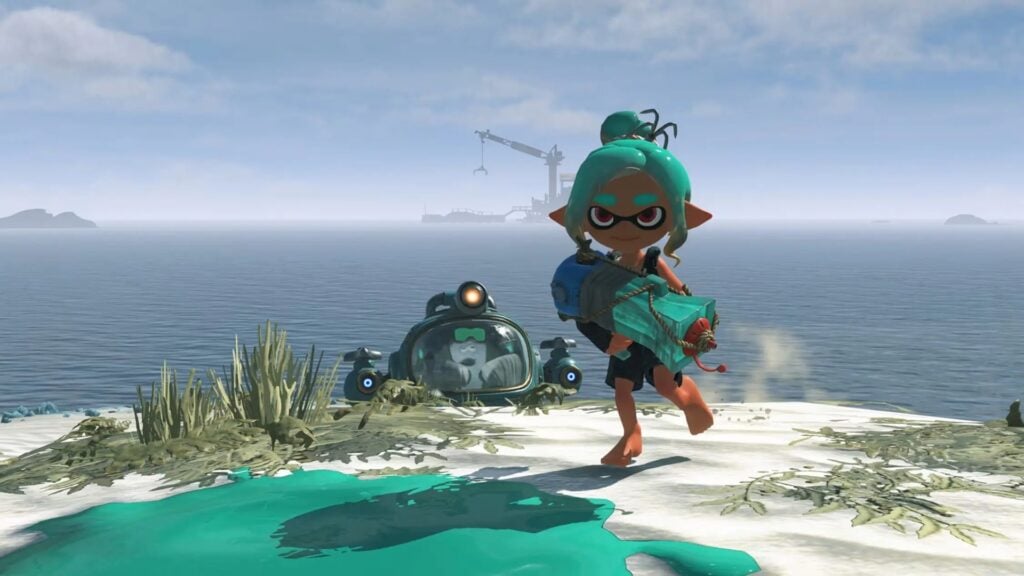
Splatoon Raiders casts players as an Inkling or Octoling mechanic stranded on the Spirhalite Islands with the members of Deep Cut. Missions involve raiding Salmonid territory, completing an objective, and escaping with any treasure recovered along the way. Similar to other Splatoon games, ink still doubles as ammunition and a surface players can swim through, keeping movement closely tied to combat.
Weapons and gadgets can be upgraded between raids, giving the campaign more long-term progression than a standard Splatoon match. Meanwhile, three difficulty options let kids lower the pressure without receiving worse loot. The game focuses on solo play, but up to three friends can help through local wireless or online co-op.
Why Kids Will Love Splatoon Raiders: Short missions work well for quick sessions, and new equipment gives kids a reason to keep changing their loadout. Loadouts invite experimentation, missions are easy to play in short sessions, and co-op provides backup for anyone who would rather fight Salmonids with friends than against strangers.
ESRB Rating: E10+ for Everyone 10+
Content Descriptors: Fantasy Violence, Users Interact
Players: Single-player. Local wireless and online co-op for up to 4 players
Platforms: Nintendo Switch 2
MOUSE: P.I. For Hire Brings A Cartoon Detective Into A Crime Story
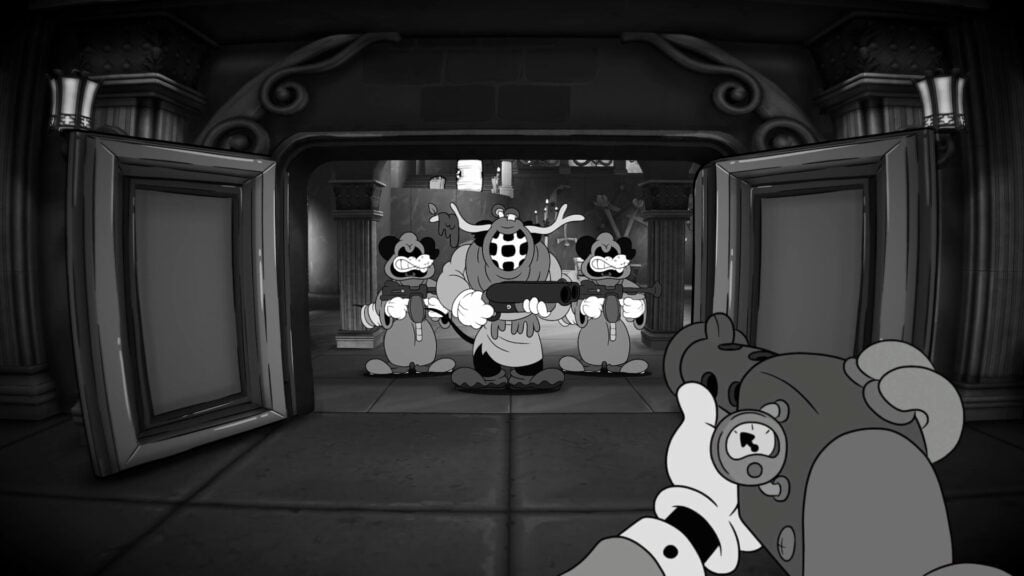
MOUSE: P.I. for Hire looks like a black-and-white cartoon from the 1930s, complete with rubber-hose animation and smiling animal characters. Private investigator Jack Pepper spends most of the game shooting his way through Mouseburg as he investigates corruption and organized crime. Enemies stretch and bounce like cartoon performers, giving the gunfights a look that’s completely different from the average first-person shooter.
The Teen rating deserves attention despite that playful style. Enemies produce black blood when shot, firearms appear constantly, and the dialogue contains mild profanity. Blood can be disabled in the settings, but the shooting is an integral part of the gameplay. Worth noting is that the Nintendo Switch 2 version launched with uneven performance and no gyro aiming, so another platform may be the better choice when possible.
Why Teens Will Love MOUSE: P.I. For Hire: The animation gives every enemy and location a memorable personality. Teens who want a fast shooter without the graphic content of an M-rated game will find a lot to enjoy here.
ESRB Rating: T for Teen
Content Descriptors: Blood, Mild Language, Violence
Players: Single-player only
Platforms: PC, Nintendo Switch 2, PlayStation 5, and Xbox Series X|S
The Adventures Of Elliot Sends An Action RPG Through Time
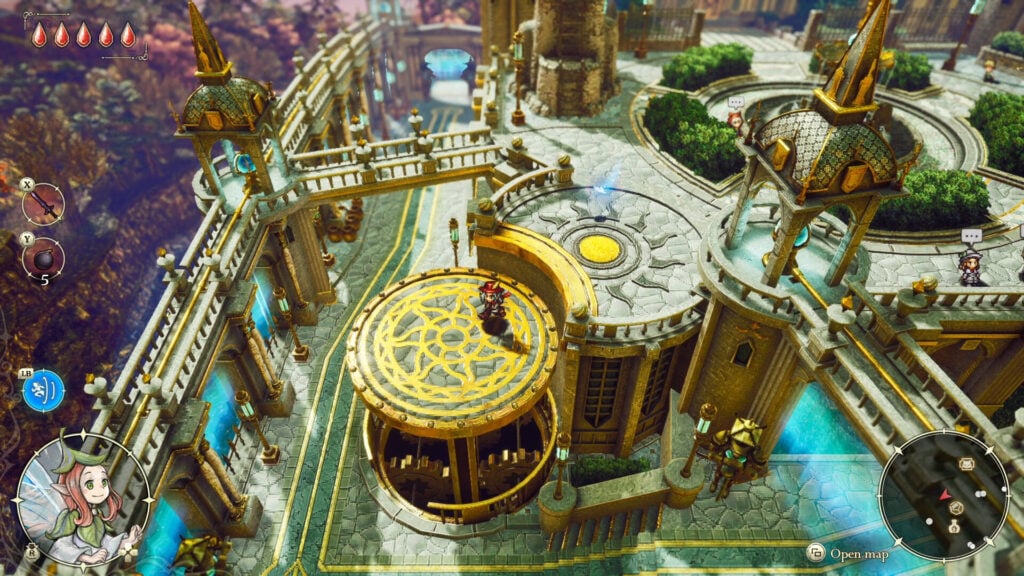
The Adventures of Elliot: The Millennium Tales follows Elliot and his fairy companion Faie across several different historical periods. Visiting places centuries apart shows how earlier choices changed the people and settlements that came later. Square Enix’s HD-2D art gives the environments detailed lighting and depth without abandoning the classic pixel-art style.
Combat in The Adventures Of Elliot takes place in real time with swords, bows, bombs, and several less conventional weapons. Faie’s magic supports Elliot in battle and helps him reach new areas while Magicite changes the way different abilities work. The game consistently rewards switching tools, especially when environmental puzzles and enemy defenses make the standard tools less effective.
Why Teens Will Love The Adventures Of Elliot: A constant stream of new weapons keeps fights from becoming too stale, and the time jumps create a steady supply of mysteries. Teens who enjoy classic Zelda games should feel right at home with the top-down exploration.
ESRB Rating: T for Teen
Content Descriptors: Fantasy Violence, Mild Language, Use of Alcohol
Players: Single-player only
Platforms: PC, Nintendo Switch 2, PlayStation 5, and Xbox Series X|S
Planet Of Lana II Incorporates Teamwork Into Every Puzzle
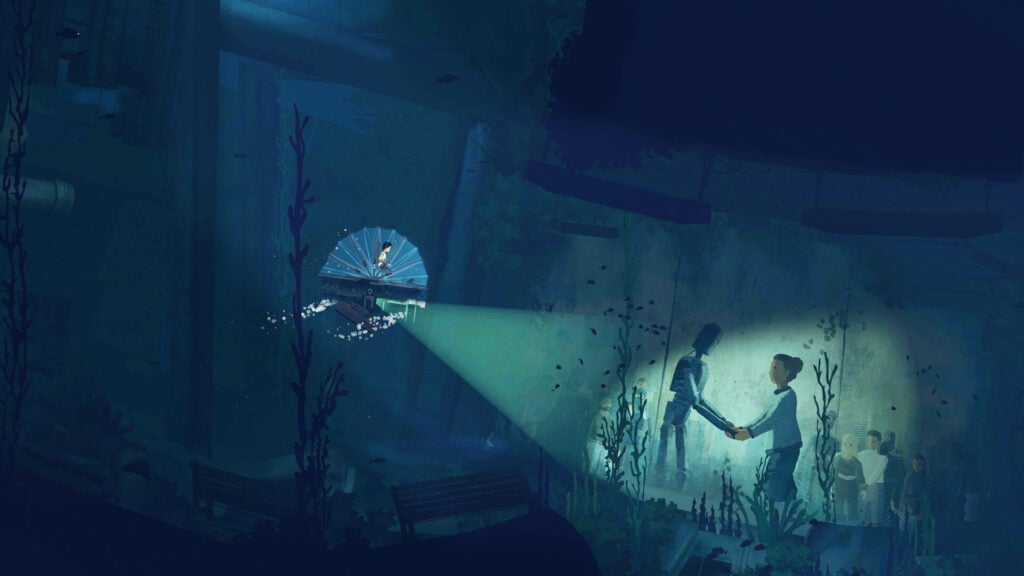
Planet of Lana II: Children of the Leaf reunites Lana with Mui, the small black creature that accompanied her in the first game. The pair set out across frozen mountains and flooded ruins as they search for answers about the machines threatening their home. Near the start of the game, a recap explains the important events for anyone who didn’t play the original.
Lana can climb and operate machinery. Mui fits through small spaces and distracts dangerous creatures. Most puzzles require the pair to work in different parts of the same room, making cooperation mandatory for progressing through various stages of the game. Failure can imply that Lana has been killed, but there’s no blood or graphic injury.
Why Kids Will Love Planet Of Lana II: Solving a room means working out what both characters should do and when they should do it. The hand-painted environments make Planet of Lana II one of the best-looking puzzle games released this year.
ESRB Rating: E10+ for Everyone 10+
Content Descriptors: Fantasy Violence
Players: Single-player only
Platforms: PC, Nintendo Switch, Nintendo Switch 2, PlayStation 4, PlayStation 5, Xbox One, and Xbox Series X|S
Star Fox Gives A Nintendo 64 Favorite A Modern Makeover
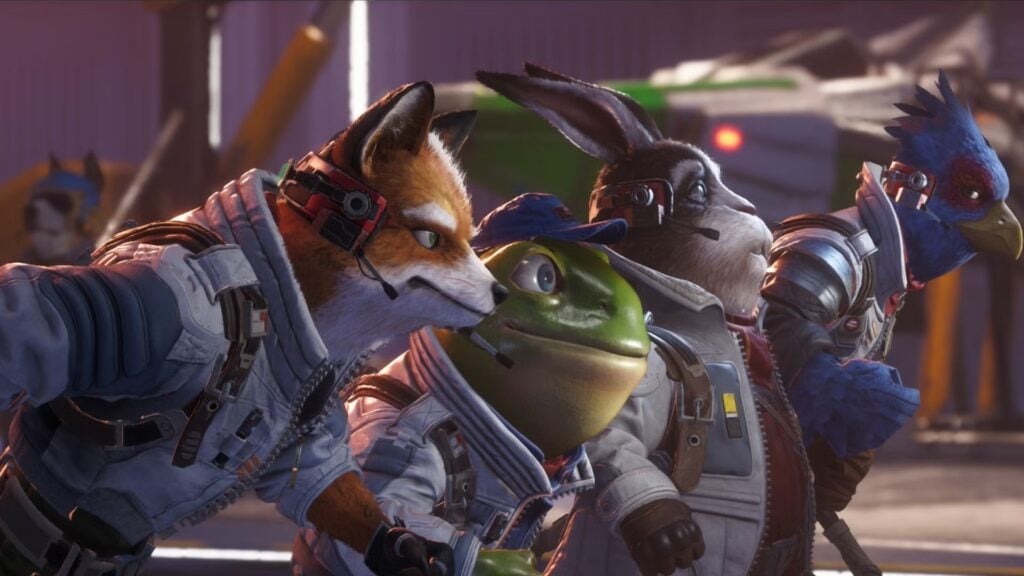
Star Fox rebuilds the 1997 Nintendo 64 game Star Fox 64 with new visuals, fully voiced scenes, and an orchestral soundtrack. Players guide Fox McCloud’s Arwing through enemy fleets and try to keep Falco, Peppy, and Slippy out of trouble. Performance during a mission can change the route through the campaign, leading to different planets and endings on later runs.
The main story is short, but alternate routes and high scores give players a reason to replay it. Two people can play through the campaign as pilot and gunner, but online battles support up to eight players. It’s only the laser fire and exploding fantasy vehicles that account for the E10+ rating as the game doesn’t feature any particularly graphic content
Why Kids Will Love Star Fox: Missions are fast-paced and rarely slow down once Fox takes off. Kids can chase better scores on their own, share the controls with a second player, or compete in the new online battle mode.
ESRB Rating: E10+ for Everyone 10+
Content Descriptors: Mild Fantasy Violence, Users Interact
Players: 1–2 players on one system; up to 8 online
Platforms: Nintendo Switch 2
Dragon Quest VII Reimagined Makes A Huge RPG Easier To Start
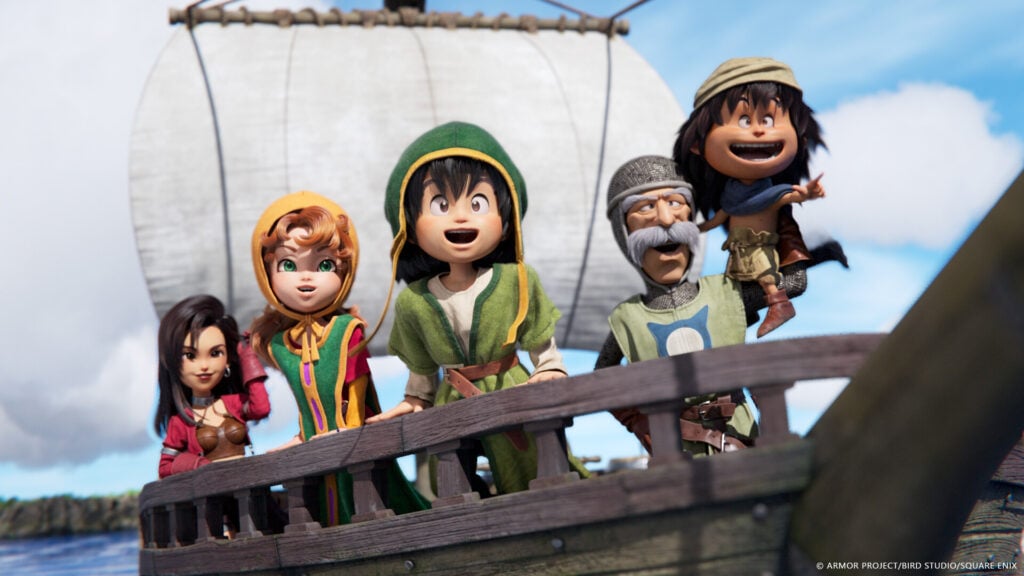
Dragon Quest VII Reimagined starts players off on an island that appears to be the only land left in the world. Before long, mysterious stone fragments send a group of young heroes into the past, where they discover islands that vanished after falling into trouble. Solving each local crisis restores that island to the present and slowly fills the empty ocean with new places to visit.
The original game came out in 2000 and became almost as famous for its slow opening as its enormous story. The remake cuts down that opening, improves navigation, and presents the characters as detailed diorama figures. Turn-based combat and the vocation system still have plenty of depth, but kids won’t have to wait nearly as long to reach them. Some chapters deal with loss. mild blood, alcohol references, and suggestive jokes, thus explaining the E10+ rating.
Why Kids Will Love Dragon Quest VII Reimagined: Every restored island tells its own story, so the long campaign is easy to enjoy one chapter at a time. Changing vocations also lets kids decide how each member of the group fights.
ESRB Rating: E10+ for Everyone 10+
Content Descriptors: Comic Mischief, Fantasy Violence, Mild Blood, Mild Language, Mild Suggestive Themes, Use of Alcohol
Players: Single-player only
Platforms: PC, Nintendo Switch, Nintendo Switch 2, PlayStation 5, and Xbox Series X|S
Tomodachi Life: Living The Dream Turns Miis Into A Comedy Show
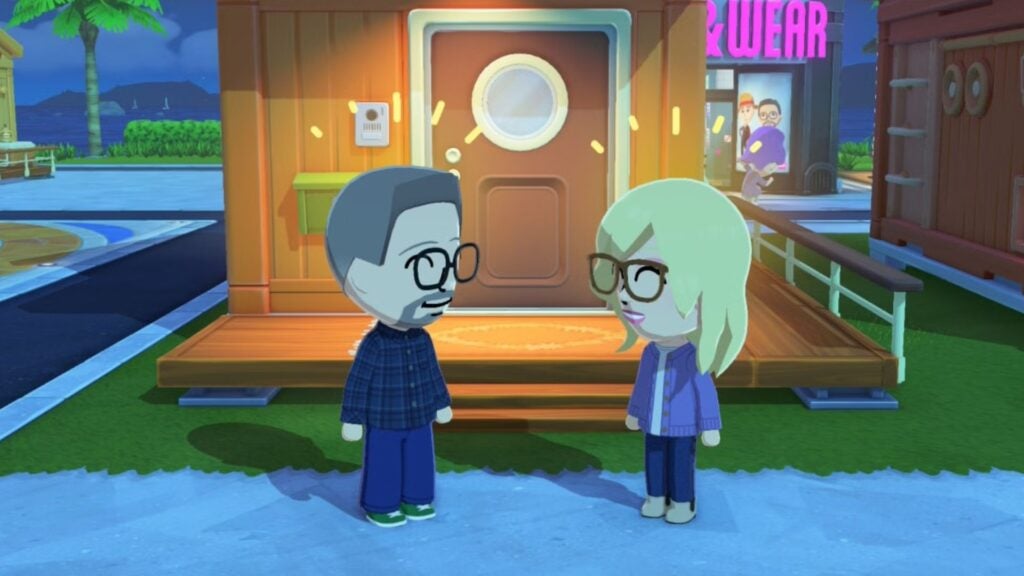
Tomodachi Life: Living the Dream asks players to fill an island with Miis based on friends, relatives, celebrities, or entirely original characters. Those residents develop friendships, start arguments, fall in love, and make strange requests with only limited help from the player. Much of the fun comes from occasionally checking in to see what happened while the player was away.
New creation tools make Miis more expressive. Island-design options let players decide where everyone lives and spends their time. There’s no online interaction, though kids can enter custom names and phrases that appear during play. Tomodachi Life: Living The Dream is an entirely family friendly game that sticks to mild slapstick and mild disagreements. No content descriptors to worry about with this one.
Why Kids Will Love Tomodachi Life: Living The Dream: Creating familiar people makes every unexpected friendship or argument that much funnier. Kids can play this game in short bursts and still have lots of fun with it.
ESRB Rating: E for Everyone
Content Descriptors: Comic Mischief, Mild Fantasy Violence
Players: Single-player only
Platforms: Nintendo Switch; also playable on Nintendo Switch 2
People Of Note Turns Turn-Based Battles Into Musical Performances
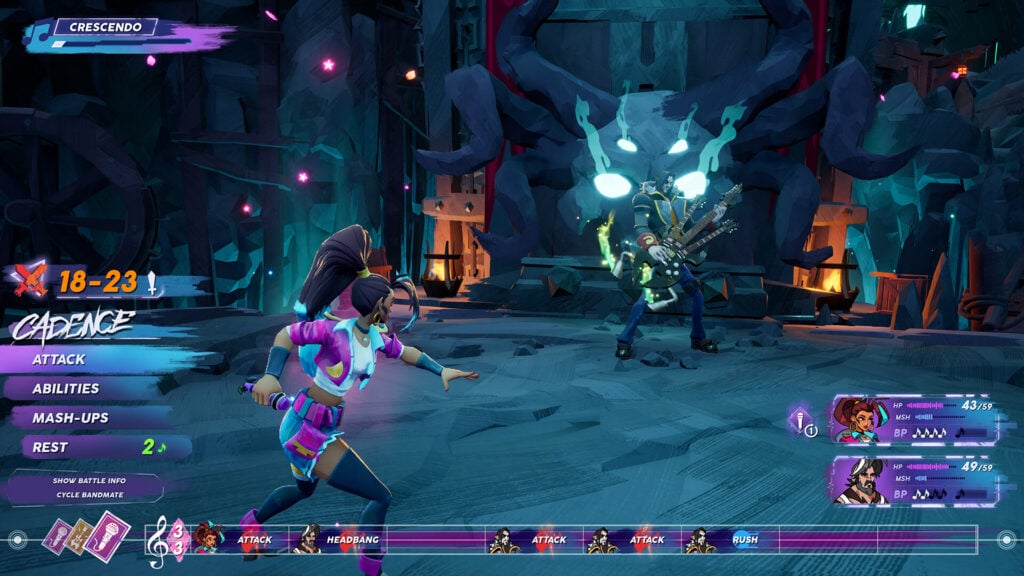
People of Note follows a pop singer named Cadence who falls from grace after a corrupt judge blocks her from the Noteworthy Song Contest. She travels through cities shaped by different musical genres and recruits performers who can help her earn another chance. Each new bandmate adds a different sound to the group, changing the music during fights and larger story sequences.
Combat runs on turns, but timed inputs make attacks stronger and help characters defend themselves. Mashup abilities bring two performers together for a more powerful move, and Songstones let players adjust their skills. The later chapters can drag on for a bit too long, though the changing soundtrack helps keep things interesting. The fantasy fighting stays light, but a small amount of material involving fictional drugs contributes to the Teen rating.
Why Teens Will Love People Of Note: Musical styles affect the characters, cities, and special attacks, serving as more than just background decoration. Adjustable timing options let teens enjoy the story even if rhythm games aren’t normally their thing.
ESRB Rating: T for Teen
Content Descriptors: Fantasy Violence, Use of Drugs
Players: Single-player only
Platforms: PC, Nintendo Switch 2, PlayStation 5, and Xbox Series X|S
Mario Tennis Fever Makes Family Matches Wildly Unpredictable
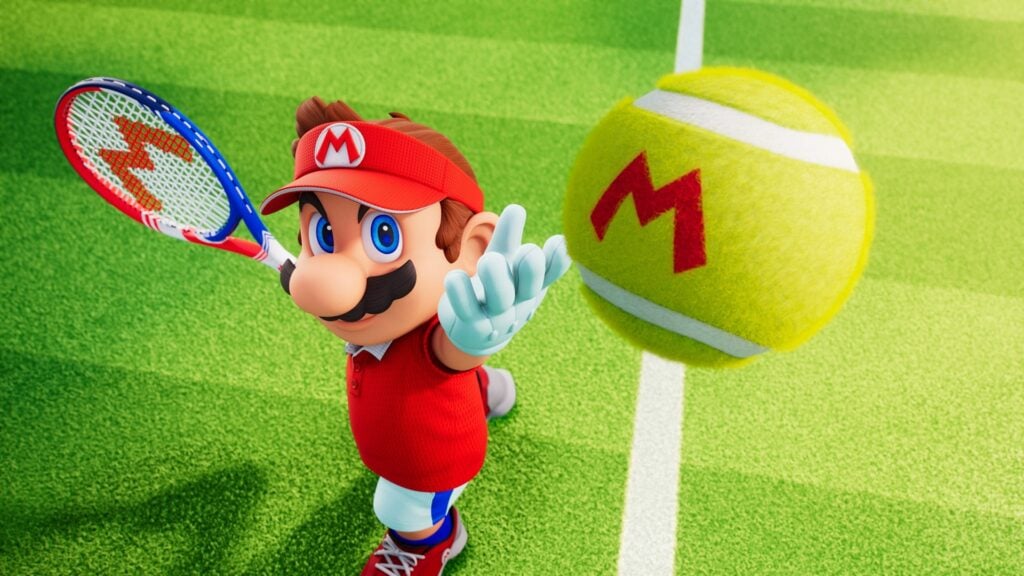
Mario Tennis Fever brings 38 Mushroom Kingdom characters onto the court and gives them 30 Fever Rackets with unusual powers. One freezes part of the court. Another shrinks an opponent with mushrooms. Players who’d rather stick to regular tennis can turn down the gimmicks and focus on shot selection, timing, and positioning.
Singles and doubles work with button or motion controls, and up to four people can play locally or online. There’s a short story mode, but multiplayer is the real reason to keep coming back. Some Fever Rackets feel less balanced than others, which may bother competitive players more than casual ones. Special shots and cartoon fireballs account for the Mild Fantasy Violence descriptor.
Why Kids Will Love Mario Tennis Fever: Beginners can start returning shots after a few rallies. Experienced players can still benefit from better timing, and Fever Rackets keep casual matches surprising when friends and siblings aren’t evenly matched.
ESRB Rating: E for Everyone
Content Descriptors: Mild Fantasy Violence
Players: 1–4 players on one system, through local wireless, or online
Platforms: Nintendo Switch 2

