

When School Shopping Becomes a Comparison Game
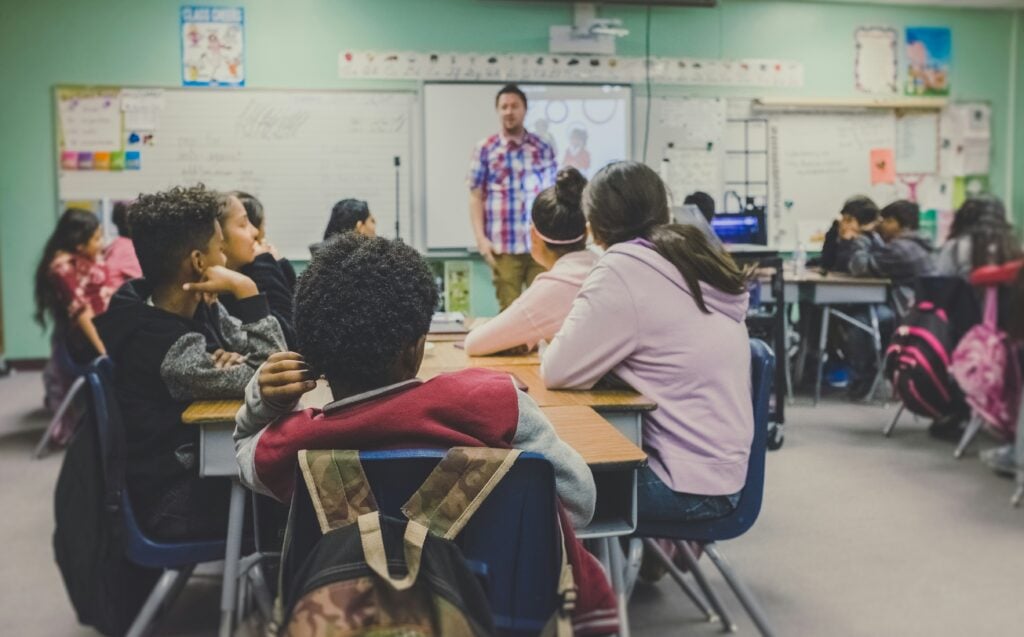
Back-to-school shopping can be exciting, but it can also turn into an annual exercise in comparison. One child has the newest sneakers, another has a trendy backpack, while someone else arrives on the first day wearing an outfit that suddenly makes last year’s clothes feel embarrassingly uncool.
That feeling—sometimes called back-to-school envy—isn’t necessarily about materialism. Kids are often trying to figure out where they fit socially, and clothing, accessories and technology can become visible markers of popularity and belonging. Parents recommends involving children in realistic shopping decisions and setting expectations before comparisons begin, rather than allowing school shopping to become an open-ended competition.
What Jealousy Can Do to Kids
Envy is a normal human emotion, but children don’t always have the emotional tools to understand or express it constructively. Jealousy can lead to sadness, anger, resentment or feelings that they aren’t good enough, particularly when children repeatedly compare themselves with classmates.
Psychologist Eileen Kennedy-Moore explains that “jealousy is about feeling threatened by a rival,” and helping children identify the underlying emotion can make it easier for them to respond appropriately.
The important distinction is between acknowledging those feelings and allowing them to dictate behavior. A child can be disappointed that a friend has something they want without teasing the friend, demanding the same item or deciding that they are somehow less valuable because they don’t have it.
Turning Envy Into a Learning Opportunity
Parents don’t need to tell children to simply “stop being jealous.” Instead, they can ask questions such as, “What is it about that backpack that you really like?” or “Are you wishing you had the backpack, or are you worried about what other kids will think about yours?”
That conversation can reveal whether the issue is genuinely wanting an item or wanting the social acceptance the child believes comes with it. From there, parents can help children distinguish between wants, needs and peer pressure, while also encouraging gratitude for what they already have.
Envy can even become a useful lesson in understanding ourselves. As Parent.com puts it, “envy can teach us something about ourselves,” giving parents an opportunity to help children recognize their desires without allowing comparison to determine their self-worth.
Ultimately, back-to-school confidence doesn’t come from having the most expensive shoes or trendiest backpack. It comes from helping children understand that fitting in isn’t the same thing as having the same things as everyone else.

