

Tears, tantrums, clinginess and stomachaches can all be part of the transition back to school
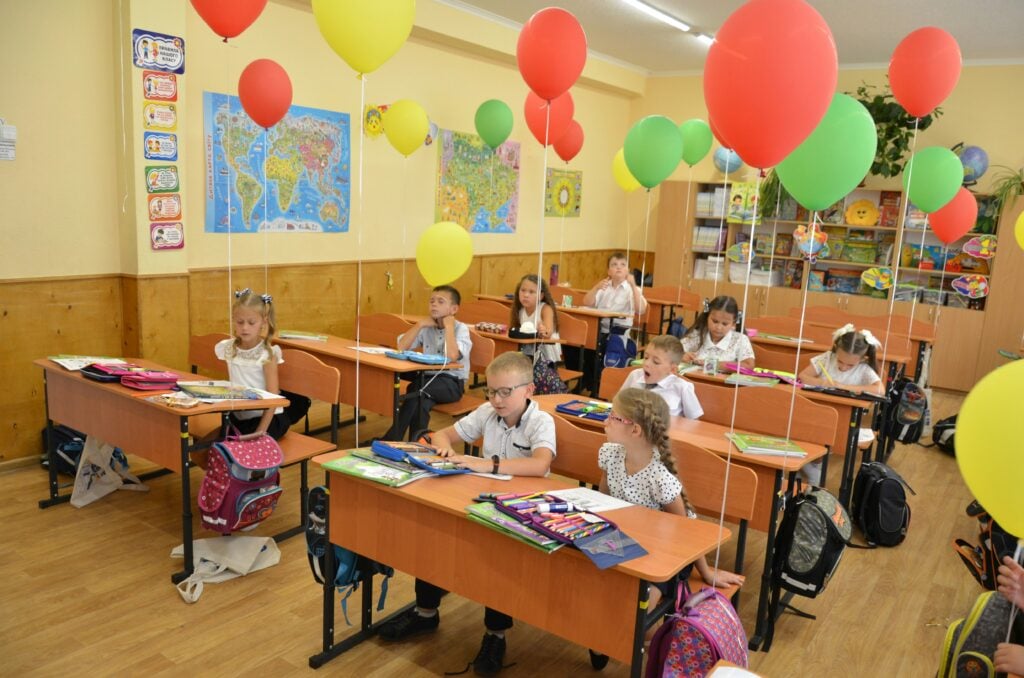
Back-to-school season can bring a surprising change in behavior, even in children who normally seem happy and confident. Tears at drop-off, irritability after school, clinginess, trouble sleeping and complaints about stomachaches or headaches can all be manifestations of the stress that comes with a major transition.
Teachers and child-development professionals emphasize that many of these behaviors are temporary. Kids are adjusting to new teachers, classmates, expectations and schedules, while also giving up the relaxed routines they enjoyed during summer.
One particularly common phenomenon is what experts call “restraint collapse”—when a child manages to hold themselves together throughout the school day before releasing those emotions at home. As Woman’s World explains, crying, yelling and outbursts can occur because children have spent hours regulating themselves in an unfamiliar environment.
What Doctors and Therapists Say About School Stress
Back-to-school anxiety doesn’t always look like anxiety. Children may express their worries through tantrums, withdrawal, changes in appetite, sleep problems or physical complaints rather than saying, “I’m nervous about school.”
Therapists point out that common worries include separation from parents, making friends, fitting in, meeting a new teacher and facing greater academic expectations. “Our brains find comfort in routine,” explains Counselling & Co., noting that the shift from summer’s flexibility to a structured school schedule can be stressful.
For some children, particularly those who have previously experienced bullying or academic difficulties, the transition can be harder. Children who are more sensitive to change, including some neurodivergent children, may also require additional preparation and support.
How Parents Can Help Kids Adjust
The first step is to normalize the feelings without dismissing them. Instead of saying, “There’s nothing to worry about,” try asking, “What are you most excited or nervous about?” and remind your child that feeling nervous doesn’t mean they can’t handle the situation.
Parents can also make the transition more predictable by establishing bedtime and morning routines before school begins, visiting the school, organizing supplies together and practicing what the first day might look like. Deep breathing, positive self-talk and role-playing potentially stressful situations can give children practical tools they can use independently.
Most importantly, give kids time to decompress after school. If anxiety, physical complaints or school avoidance persist or begin interfering with everyday life, that’s when parents should consider talking with a pediatrician, teacher or mental-health professional rather than assuming it’s simply normal back-to-school adjustment.

