

Remember: Your Child’s Tears Aren’t Your Failure
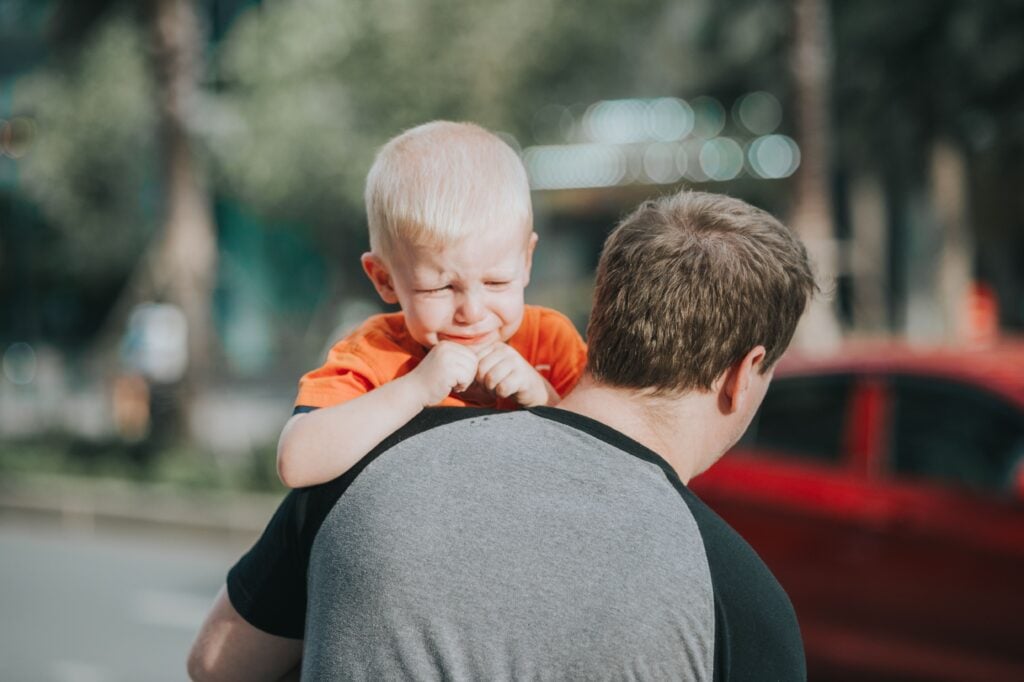
Few parenting moments are tougher than leaving a crying child at daycare or school. A toddler clinging to a parent’s leg can make even a confident parent wonder whether they are doing something wrong, but separation anxiety is a normal part of development for many young children.
Children can be genuinely upset during separation while still being perfectly capable of having a positive day once their parent leaves. In other words, tears at the door don’t necessarily mean your child is unhappy or unsafe at school.
Parents can also unintentionally make the goodbye harder by repeatedly returning after saying they are leaving. KinderCare advises parents to keep goodbyes brief and confident, noting that “the longer you linger, the harder it can be for both of you.”
That doesn’t mean parents should ignore genuine distress or concerns about a particular school or caregiver. But when the environment is safe and the child is otherwise thriving, a predictable goodbye can help everyone move through the difficult moment.
Make the Goodbye Predictable
One of the simplest strategies is creating a consistent drop-off ritual. A hug, a kiss, a short phrase and perhaps a wave through the window can give children a familiar sequence that signals what happens next.
Parents should also avoid sneaking away, even if leaving quietly seems easier. A child who suddenly discovers their parent has disappeared may become more anxious about future separations because they don’t know when or how the next goodbye will happen.
Co-parents can make things easier by communicating about what works and keeping routines consistent between households. Psychology Today recommends that parents “focus on your child, not each other” when managing drop-offs, particularly when co-parenting relationships are complicated.
Parents can also give children something concrete to anticipate, such as what they will do after school or which activity they will enjoy that day. The goal isn’t to bribe children into separating, but to remind them that goodbyes are temporary.
Give Kids Confidence—and Yourself Some Grace
Preparation can begin at home by establishing routines, getting children involved in preparing for school and practicing the morning schedule before the first day, all of which can make the transition feel less unpredictable.
Parents should also acknowledge feelings without suggesting that the child has something to fear. Saying, “I know you’re sad that I’m leaving, and your teacher will take good care of you” validates the emotion while reinforcing confidence.
Finally, parents should remember that their own emotions matter, too. It’s perfectly normal to feel guilty, sad or anxious when leaving a tearful child, but a calm, reassuring goodbye communicates an important lesson: separation can feel difficult, and children can handle it.

