

Psychologists Say Boredom Can Be Good for Kids
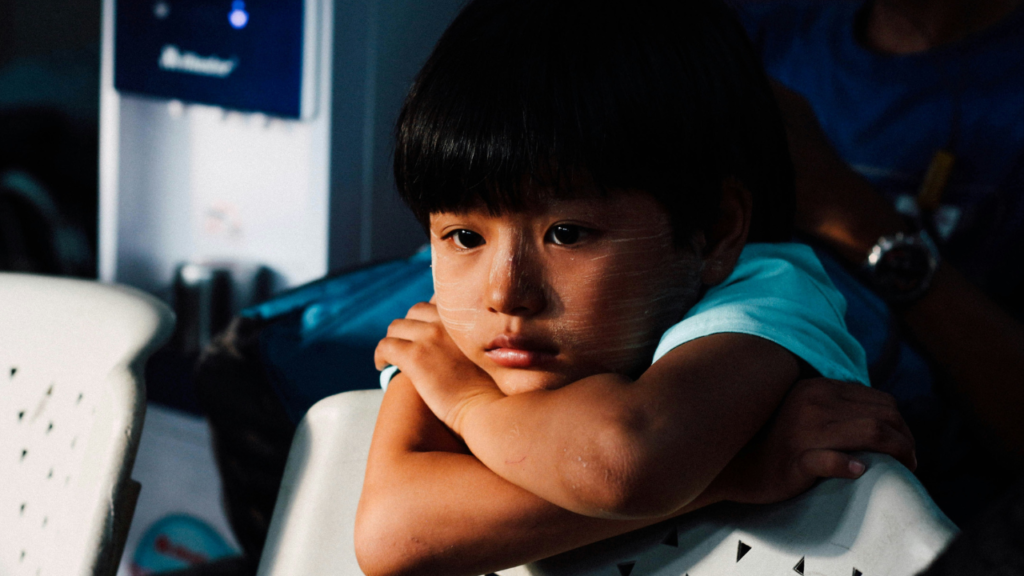
Hearing “I’m bored!” for the tenth time can test any parent’s patience, but psychologists say boredom isn’t necessarily something adults need to fix. Instead, an empty stretch of time can give children an opportunity to decide what they want to do and figure things out independently.
Psychologist Amy Kincaid Todey, Ph.D., says that “your child’s brain does not need to consume something every minute in order to be developing.” Quiet moments can allow kids to remember, imagine, reflect and consider other people’s perspectives.
There’s also some research behind the idea. A 2022 study involving 128 children found that time spent playing was associated with self-regulation, which was subsequently linked with early reading and math skills a year later. The researchers found an association, not proof that boredom itself causes academic gains.
The Science Behind Boredom and Child Development
Boredom may feel uncomfortable, but that discomfort can be useful. The Child Mind Institute explains that boredom can help children practice frustration tolerance while developing planning, problem-solving, flexibility and organizational skills.
Clinical psychologist Stephanie Lee, PsyD, describes boredom as a way for children to learn how to manage frustration and regulate emotions when things aren’t going their way. The important distinction is that boredom itself isn’t the benefit; what children do with that free time is where the learning happens.
Neuroscience also points toward the value of downtime. Building Brains Together notes that unstructured time can engage the brain’s default mode network, which is associated with daydreaming, imagination and reflection, while free play gives children opportunities to practice decision-making and managing frustration.
What Should Parents Say When Kids Say “I’m Bored”?
Parents don’t have to immediately produce an activity, turn on a screen or become their child’s entertainment director. Parents should first considering whether “I’m bored” might actually signal hunger, sadness, a need for attention or another unmet need, particularly with younger children.
Once you’ve determined that your child really is simply bored, give them some space to work through it. For younger kids, a couple of choices or a prepared “boredom menu” can provide helpful scaffolding, while older children may be ready to come up with their own solutions.
Most importantly, parents don’t have to feel guilty about occasional downtime—or about being imperfect parents. Just as there’s nothing inherently wrong with a parent enjoying a drink now and then, there’s nothing wrong with a child occasionally having nothing to do. Sometimes, “I’m bored” is simply the beginning of whatever they decide to create next.

