

How Culture Shapes Parenting Styles
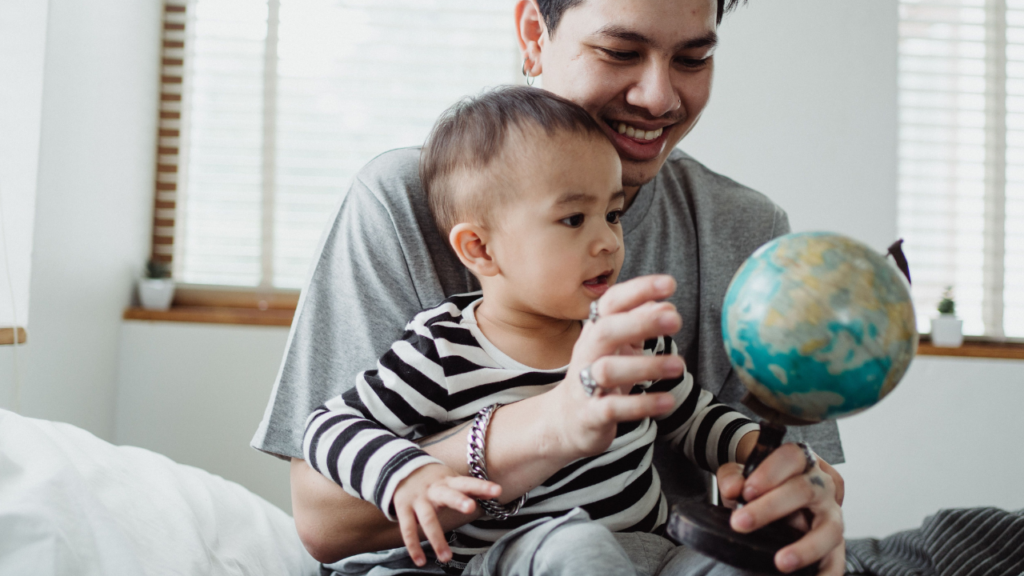
There is no single way to raise a child, and parenting styles around the world are often shaped by cultural values, social expectations and family structures. What seems completely normal to one family can look unusual to parents from another culture.
In the U.S., parenting is often described as achievement-oriented and individualistic, with considerable attention given to academics, sports and extracurricular activities. SavvyMom notes that American parenting can also involve a seemingly contradictory mix of encouraging independence while remaining highly involved in children’s lives.
That doesn’t mean every North American family parents this way. Families across the U.S. and Canada are enormously diverse, and parenting is influenced by everything from cultural heritage and community to economic circumstances and individual beliefs.
Three Ways Parenting Can Look Different Around the World
One noticeable difference involves independence. An American mother raising two children in Italy describes seeing Italian children given more freedom and less constant monitoring, while extended family members often play a larger role in everyday childcare. She says she has tried to combine those Italian influences with the safety-conscious approach she grew up with.
Food and family life can look different, too. The same mother describes Italian school lunches as multi-course meals and says Italian children generally face less pressure to fill every afternoon with extracurricular activities.
Another difference is how children fit into the wider community. Experiences shared with BuzzFeed describe children in Germany playing independently from a young age, while other contributors describe cultures where children routinely accompany adults to restaurants, parties and other activities rather than having separate child-focused spaces. One contributor summarized the difference by saying, “Kids are part of society.”
What North American Parents Can Take From Other Cultures
Looking at international parenting styles doesn’t mean North American parents need to copy another country’s approach. Instead, different cultures can provide ideas that families can adapt to their own circumstances, values and children’s personalities.
For example, parents might consider whether their children could handle a little more age-appropriate independence, whether every afternoon really needs to be scheduled, or whether grandparents and other trusted adults could become a larger part of family life.
An American mother raising her kids in Italy, ultimately takes a similar approach, combining aspects of both cultures rather than choosing one over the other. Her conclusion is worth remembering: “there is no right or wrong way to parent.”
Parenting around the world has more similarities than differences: parents want their children to be healthy, confident and cared for. Learning how other families approach those goals can simply give North American parents more possibilities to consider.

