

Why Parents Keep Those Old Drawings and Report Cards
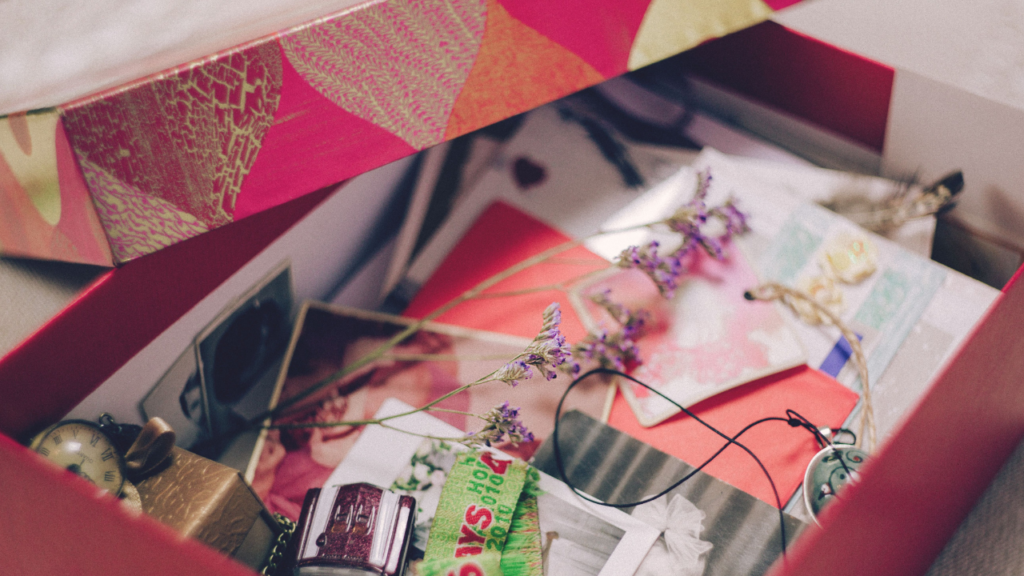
For many parents, a child’s old schoolwork is much more than a pile of construction paper, spelling tests and report cards. A drawing made in kindergarten or a handwritten story can become a tangible reminder of a particular period in family life.
Parents may keep these items because they capture moments that otherwise become difficult to remember as children grow. An old drawing can bring back memories of where the family lived, what the child was interested in and what everyday life felt like at the time.
Psychologists suggest these objects can become part of a parent’s own life story, rather than simply preserving the child’s history. The emotional value often comes from what the object represents: a particular stage of parenthood, a child’s personality or a milestone the family experienced together.
How Many Parents Keep Their Kids’ Memories?
Keeping childhood memorabilia appears to be extremely common. A 2024 YouGov survey found that 95% of U.S. parents with adult children still have photographs from when their children were young, while 74% have kept their children’s artwork and 57% still have report cards.
The survey also found that 35% of parents wished they had saved more of their children’s childhood memorabilia, while only 6% wished they had kept less. That suggests the emotional regret often comes from throwing something away rather than saving too much.
The impulse can continue long after children have grown up and left home. For parents, these objects can provide a physical connection to a time that cannot be recreated, even when the child is now an adult with a life of their own.
Keeping everything, however, isn’t necessarily the goal. Selecting particularly meaningful pieces may allow families to preserve memories without turning every school assignment into a permanent archive.
The Psychology of Nostalgia
Nostalgia helps explain why an ordinary piece of schoolwork can suddenly feel priceless years later. Psychologist Krystine Batcho describes nostalgia as a longing for aspects of our personal past and says it can help “unite our sense of who we are” across time.
Nostalgia can also strengthen connections between people. Looking through a child’s old drawings can prompt parents and children to tell stories about the experiences surrounding them, turning an object into a starting point for family conversation.
Research highlighted by the American Psychological Association also shows that conversations about the past help children develop autobiographical memories and identities. Parents don’t simply preserve memories by keeping objects; talking about those memories can help pass family stories and values from one generation to another.
That may be why a faded drawing can mean so much more to a parent than its artistic quality suggests. The paper is temporary, but the memories and family stories attached to it can become part of the family’s shared history.

