

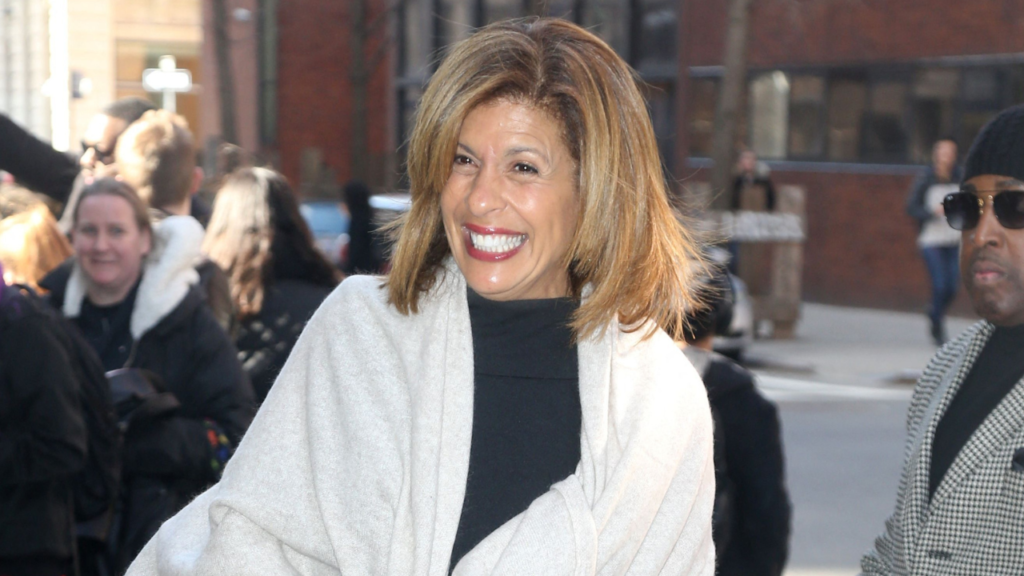
Hoda Kotb is sharing the kind of diabetes worries many parents can understand after her youngest daughter, Hope, was diagnosed with Type 1 diabetes in 2023. Now 7, Hope requires ongoing monitoring, including overnight checks of her insulin levels.
“I worry about my youngest daughter, who has diabetes. I am concerned,” Kotb said, describing how she checks her phone during the night to monitor Hope’s numbers.
Kotb has previously described the constant attention required to manage her daughter’s condition. She said that diabetes means parents are “constantly watching, you’re constantly monitoring, you’re constantly checking,” a reality that helped influence her decision to leave Today.
Diabetes Is Increasing Among Young Americans
The concern comes as diabetes among children and teenagers is projected to increase substantially in the United States. The CDC analyzed data from 2002 through 2017 and modeled what could happen among Americans under 20 through 2060.
If current rates of new diagnoses continue increasing, the CDC projects Type 1 diabetes could rise by about 65%, while Type 2 diabetes could increase by approximately 700%. Even if incidence rates remain constant, Type 2 cases are projected to increase about 70%.
The CDC also emphasizes an important distinction: Type 1 diabetes has no known way to prevent it, while Type 2 diabetes can sometimes be prevented or delayed through lifestyle changes. Researchers modeled prevention efforts that reduced annual Type 2 incidence by 2%, lowering projected cases from 526,000 to 294,000.
What Parents Can Do to Lower Type 2 Risk
Parents cannot prevent every case of childhood diabetes, but healthy family routines can help reduce children’s risk of Type 2 diabetes. Nationwide Children’s Hospital recommends offering nutritious foods, encouraging regular physical activity, limiting sugary drinks and highly processed foods, and making sure children get enough sleep.
Children should get at least 60 minutes of physical activity most days, according to the hospital. That doesn’t have to mean organized sports: riding bikes, running, playing outside or walking the family dog all count.
Parents can also make healthy habits a family affair rather than singling out a child. “Children are more likely to develop healthy habits when they see adults practicing them too,” Nationwide Children’s notes.

