

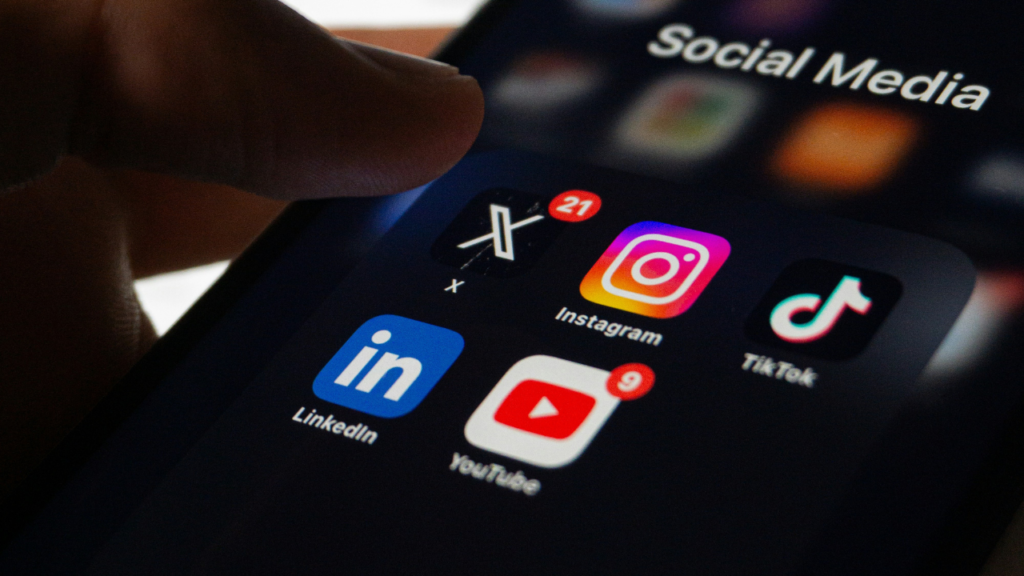
Parents may be spending plenty of time on social media while simultaneously supporting restrictions on their children’s access. A new survey of 726 Western Australian parents found that 88% supported Australia’s under-16 social media ban, even though 92% of those surveyed used social media and 96% of those users accessed it every day.
The contradiction may be less surprising when parents consider what they have experienced themselves. Forty-four percent said social media had a somewhat or extremely negative impact on their lives, while parents also described using platforms for connection, information and support.
Researcher Catherine Archer called the contrast striking, saying, “It surprised me that parents are so much in favor of a social media ban for their kids and yet use it so much themselves.” The researchers suggest that familiarity with social media may actually make parents more aware of its potential risks.
How Parents’ Attitudes Can Affect Kids
Parents don’t just establish rules around social media; their own attitudes and behavior can influence how children understand those rules. A 2023 study of 808 Chicago parents with children ages 11 and older found that 62.9% agreed with frequent parental monitoring of their children’s social media use.
The study also found that parents who expressed greater concern about bullying were more likely to support frequent monitoring. Researchers concluded that parental characteristics and concerns can influence monitoring attitudes and potentially shape how families manage young people’s online lives.
That makes consistency particularly important. If parents regularly scroll during family time while telling children to put their phones away, kids can receive mixed messages about what healthy social media use actually looks like.
How Families Can Create Healthier Social Media Boundaries
Instead of creating rules exclusively for children, experts at NewYork-Presbyterian recommend developing a social media plan for the whole family. That might include phone-free mealtimes, designated social media periods and conversations about how everyone uses different apps.
Open communication should be part of those boundaries. Clinical psychologist Shannon Bennett recommends “frequent, open conversations” about social media, while psychiatrist Warren Ng encourages parents to remain curious about how their children use different platforms.
Parents can also talk with kids about algorithms, privacy and how social media makes them feel. The goal isn’t necessarily to eliminate social media, but to help children develop the skills to recognize when an online habit is affecting sleep, school, relationships or their emotional well-being.

