

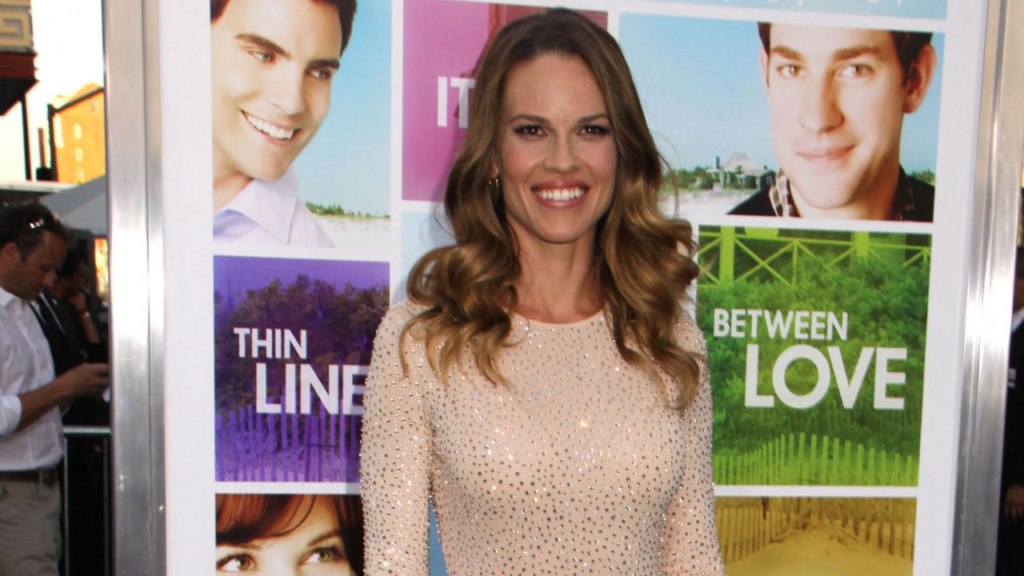
Actor Hilary Swank has announced she is expecting her third child at 52 with husband Philip Schneider. The Oscar winner, who welcomed twins Aya and Ohm in 2023, shared the news in a playful social media video that revealed her growing baby bump.
According to Page Six, Swank had previously discussed the advantages of becoming a mother later in life. In a 2025 interview, she described having children at 47 as a “magical” time.
Swank has also highlighted how an established career has allowed her to focus on motherhood. Her announcement has renewed public discussion about the challenges and rewards of starting or expanding a family later in adulthood.
What Are the Physical Risks of Having Children Later in Life?
Pregnancy at an older age can involve increased medical risks, although outcomes vary from person to person. The Mayo Clinic identifies higher risks of gestational diabetes, high blood pressure, miscarriage, premature birth and certain chromosomal conditions as age increases.
Fertility also declines with age as the number and quality of eggs decrease. Pregnancy later in life may require additional monitoring, and some people may explore fertility treatments or donor eggs with medical guidance.
These risks do not mean a healthy pregnancy is impossible. Preconception counselling, regular prenatal care and individualized screening can help people understand their circumstances and make informed decisions.
The Psychological Effects of Becoming a Parent Later
Having children later in life can bring emotional advantages, including greater financial stability, career experience and a stronger sense of readiness. Some older parents may also feel more confident about their priorities and better equipped to manage the demands of raising children.
A 2024 scoping review published in the Journal of Clinical Medicine found that older mothers may benefit from greater socioeconomic security, while noting that research into the psychological effects of later motherhood remains limited.
Later parenthood can also bring worries about energy levels, health and being older than other parents. Ultimately, there is no universally ideal age to have children; emotional support, individual health and family circumstances all shape the experience.
Editorial note: The supplied information supports the discussion of potential benefits and risks, but they do not establish that every older parent experiences the same physical or psychological effects. Swank’s pregnancy announcement also should not be taken as evidence that pregnancy at 52 is typical or risk-free.

