

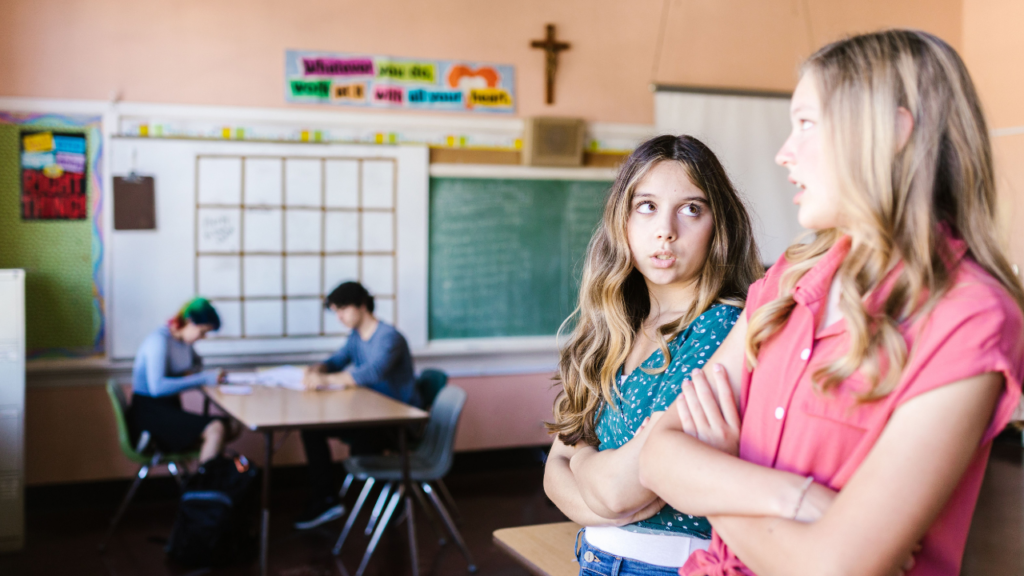
For teenagers, friendships are about much more than having someone to hang out with. They can shape a teen’s identity, confidence and sense of belonging, making arguments, exclusion and shifting loyalties feel devastating.
A recent News & Observer report explores why teen friendship drama can feel overwhelming and what research suggests parents can do. As teenagers become more independent, acceptance from peers can carry enormous emotional weight.
Group chats and social media can make disagreements harder to escape. A misunderstood message or photo can spread quickly, leaving teens replaying the conflict long after the school day ends.
Preteens Feel Friendship Pressures, Too
Friendship struggles can begin well before high school. Preteens may worry about where to sit at lunch, who gets invited to a party or whether a small disagreement will leave them excluded from their group.
According to Parent Cue, preteens increasingly care about what their peers think, from their appearance to how they speak. Constant texting and social media can intensify those worries by making social interactions feel never-ending.
At this age, children are still learning how to resolve disagreements, understand other perspectives and set boundaries. What looks minor to an adult can feel like a major social crisis to a child who is still developing these skills.
How Parents Can Help Teens and Preteens Through Friend Drama
Start by listening instead of immediately offering advice or criticizing a friend. Saying, “That sounds really tough,” can help your child feel understood before you explore possible solutions together.
A Counselling Directory guide encourages parents to take a curious approach and ask questions that help teens decide what to do next. Try asking, “What do you think you want to happen?” rather than stepping in to fix every disagreement.
Parents should also watch for warning signs, including persistent anxiety, withdrawal from friends or reluctance to attend school. If the situation involves bullying, repeated exclusion or emotional harm, contact the school or another trusted adult for support.

