

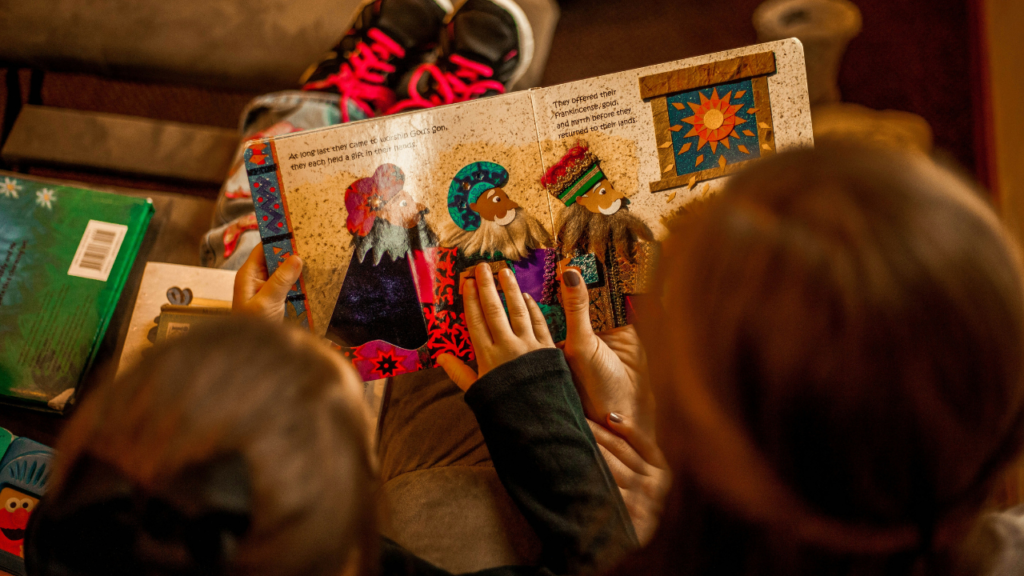
Whether children dream of becoming doctors, mechanics, artists or entrepreneurs, literacy will help them reach their goals. Reading, writing and understanding information are essential skills that support learning, communication and problem-solving throughout life.
Literacy goes far beyond being able to read a book. Children need to understand instructions, interpret information, communicate ideas and evaluate what they read, whether they eventually work in an office, a hospital or a skilled trade.
According to Kidsburgh, literacy provides a foundation for success across professions. Strong reading comprehension helps children learn new skills, while writing and communication allow them to share ideas and work effectively with others.
Literacy also supports independence in adulthood, from understanding contracts and managing finances to evaluating online information. Helping children build these skills early gives them tools they can use throughout their education and careers.
What Do the Statistics Say About Child Literacy in the US?
Reading achievement remains a concern across the United States. According to the National Assessment of Educational Progress, only 31% of U.S. fourth-graders performed at or above the proficient level in reading in 2024, highlighting the challenges many children face in developing strong literacy skills.
The Literacy Project has highlighted research connecting early reading experiences with children’s later academic development. However, parents should consider the dates and original sources behind individual statistics, since older figures may not reflect current conditions.
Early support matters because reading difficulties can affect performance in other subjects, too. Children who struggle to understand written instructions may find math, science and social studies more challenging as schoolwork becomes more complex.
How Can Parents Encourage Literacy at Home?
Reading together is one of the simplest ways to nurture literacy, even before children can recognize letters. PBS Parents recommends making literacy part of everyday family life through activities that encourage children to explore language.
Parents can read aloud, visit libraries, tell stories and let children choose books that interest them. Talking about characters, asking questions and connecting stories to real-life experiences can help build vocabulary and comprehension.
Everyday activities also offer opportunities to practice reading and writing. Invite children to help follow recipes, read shopping lists, write greeting cards or look up information about their favorite subjects.
Most importantly, make reading enjoyable rather than a chore. By offering encouragement, access to books and opportunities to explore language, parents can help children develop literacy skills that support success in school, work and everyday life.

