

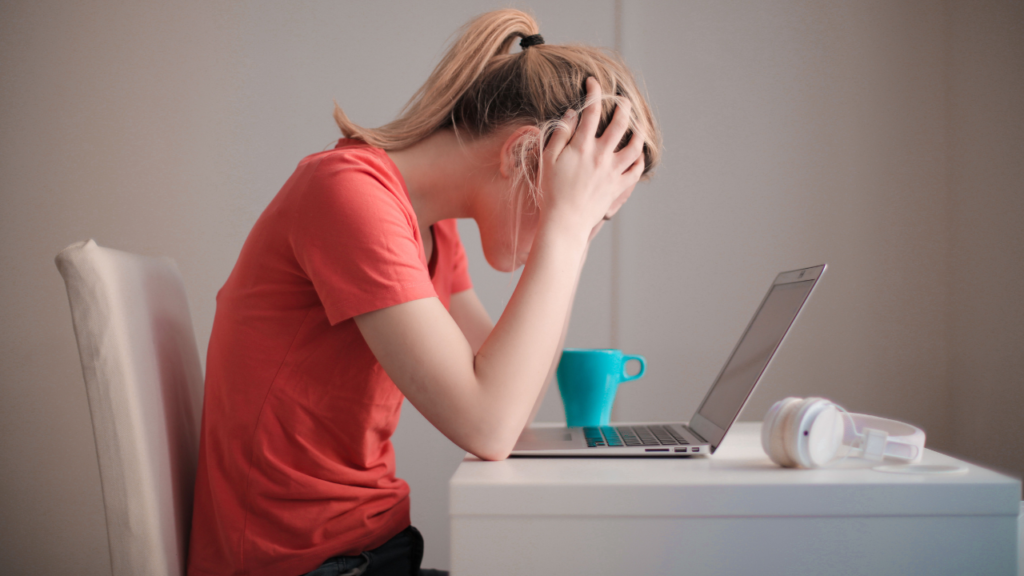
Growing up can be overwhelming for teenage girls, who often juggle academic expectations, changing friendships, body-image concerns and pressure to fit in. Social media can intensify these challenges by encouraging comparisons with peers and unrealistic standards of beauty, popularity and success.
In an article for SheKnows, the pressures facing adolescent girls highlight why parents should take their daughters’ worries seriously. Even problems that seem minor to adults, such as friendship conflicts or feeling excluded, can feel enormous during adolescence.
Schoolwork, extracurricular activities and uncertainty about the future can add to the burden. When stress becomes persistent, parents may notice irritability, withdrawal, trouble sleeping or declining confidence.
How Stress in Teenage Girls Can Differ From Boys
Teenage girls and boys can experience many of the same pressures, but research suggests that their stressors and responses sometimes differ. A CBS News report on research published in Child Development found that girls in the study experienced twice as many interpersonal stressors as boys in an average week.
Girls reported approximately one interpersonal stressor weekly, compared with 0.50 among boys. Boys, meanwhile, reported more achievement-related stressors, including challenges involving performance and accomplishments.
The researchers also found that girls experienced more depressive symptoms in response to stress. These findings describe group-level patterns, not every teenager, and boys can experience serious emotional distress, too.
How Parents Can Help Teenage Girls Feel Supported
Parents can make a meaningful difference by listening without immediately trying to solve every problem. Acorn Counselling Centre suggests validating a girl’s feelings helps her feel understood and builds trust.
Instead of dismissing a friendship dispute, try saying, “That sounds really frustrating.” Give your daughter space to talk, ask open-ended questions and resist comparing her struggles with your own teenage experiences.
Help her develop healthy coping strategies, too. Encourage hobbies, physical activity, adequate sleep and breaks from social media, while celebrating her effort, creativity and kindness rather than focusing exclusively on achievements or appearance.
Finally, watch for persistent changes in mood, sleep, school performance or social behavior. If distress interferes with daily life, consider seeking help from a qualified mental health professional. Above all, remind your daughter that she does not have to handle every challenge alone.

