

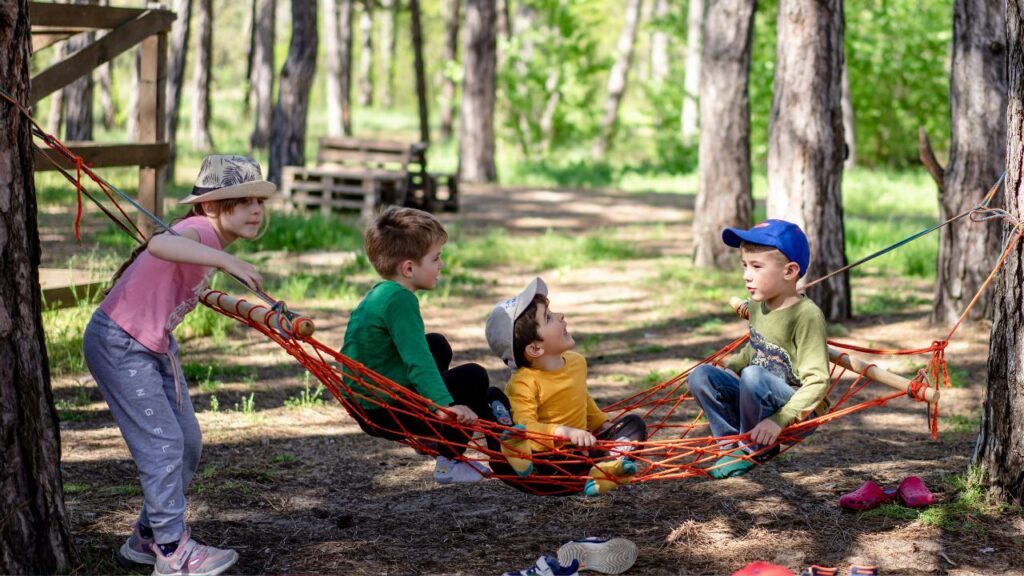
Kids spend more of their day on screens, so it’s no surprise that physical activity gets less attention. Adventurous outdoor play does more than burn energy. It builds physical fitness, friendships and creativity at the same time.
However, parents should make sure adventurous outdoor play is safe. While some parents cannot be everywhere with their children, they can help their kids learn to assess risk themselves.
Here are seven simple ways parents can encourage adventurous outdoor play while keeping their children safe.
1. Take Them to Places That Encourage Outdoor Exploration
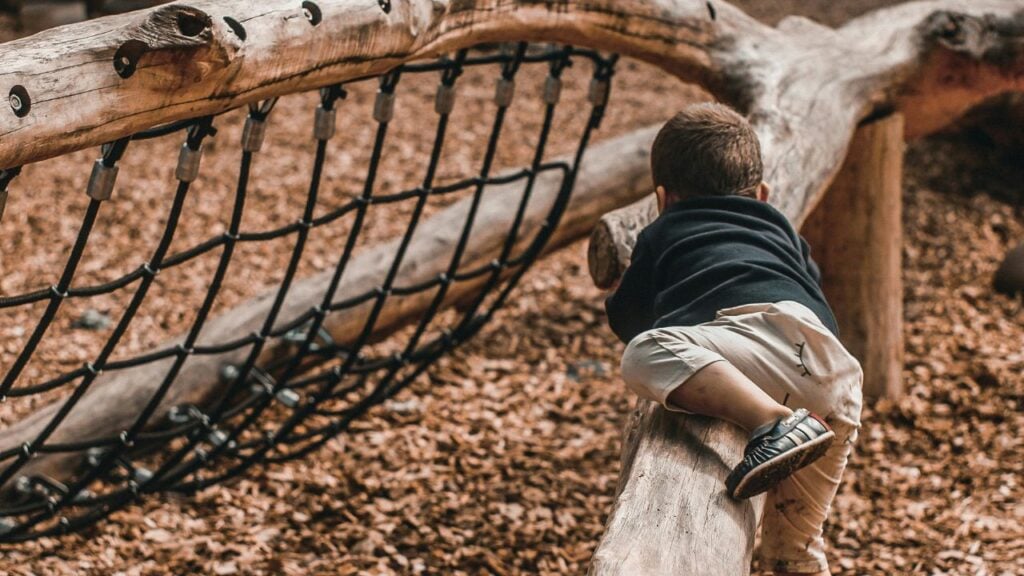
Children love to explore places when they are encouraged to. A park with a couple of trees to climb on, a trail through nature or even an untidy backyard would be perfect for that purpose.
Schedule some playdates for the children in these kinds of locations and let them have a field day. The physical skills are only part of what they pick up from the activity.
Figuring out how to get across a stream or up a slope teaches them to look at their surroundings and work a way through them. This builds confidence and independence.
2. Make Outdoor Play Inclusive for Every Child
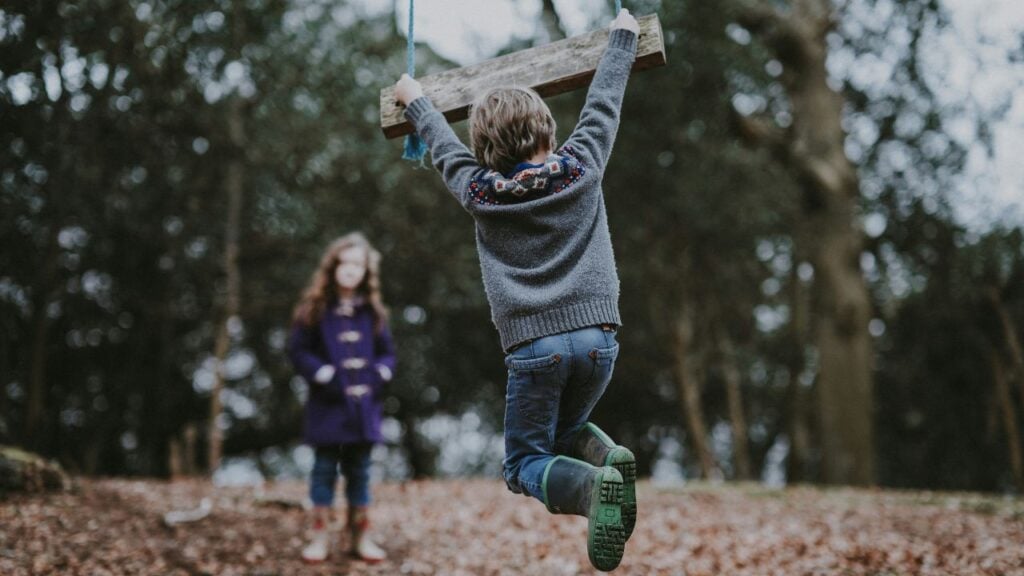
Choose games that children of every age can join and enjoy. Tag can be played at a walking pace. A scavenger hunt can be played differently.
When kids play in a setup that works for everyone, they notice that people do things differently. This can teach kids empathy and encourage them to look out for each other.
3. Teach Children How to Handle Risks Safely
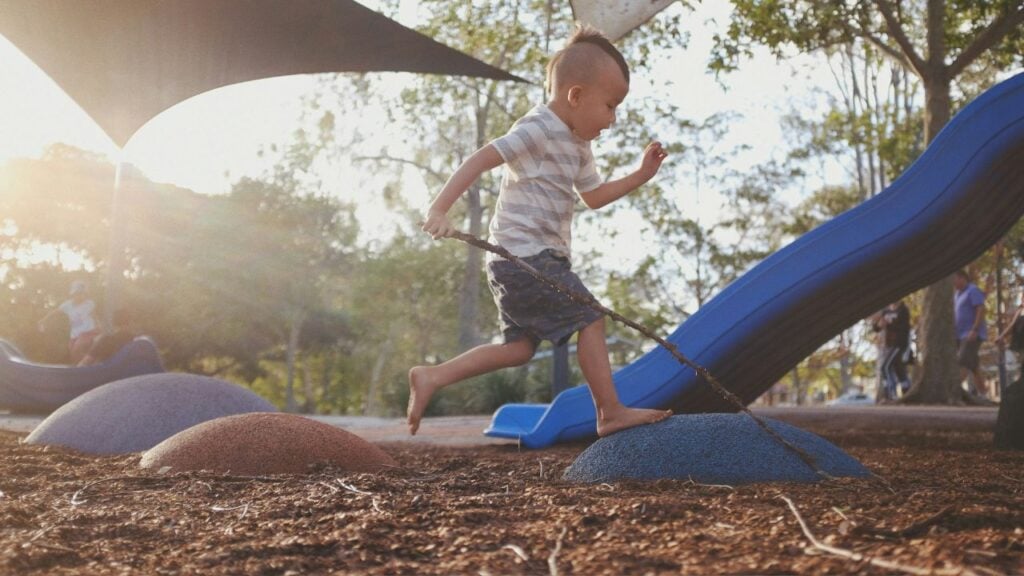
Taking risks is part of adventurous play. Kids who learn to judge those risks make better calls than kids who simply say, “no.”
Ask questions instead of handing out rules. Say your child is climbing a tree and heading for a thinner branch. You could ask, “What do you think might happen if you go any higher?”
This gives children a chance to think about what could go wrong and make their own choices. They may decide to keep climbing or back down. Either way, they learn to make safer decisions on their own.
4. Bring Families Together Through Community Outdoor Activities
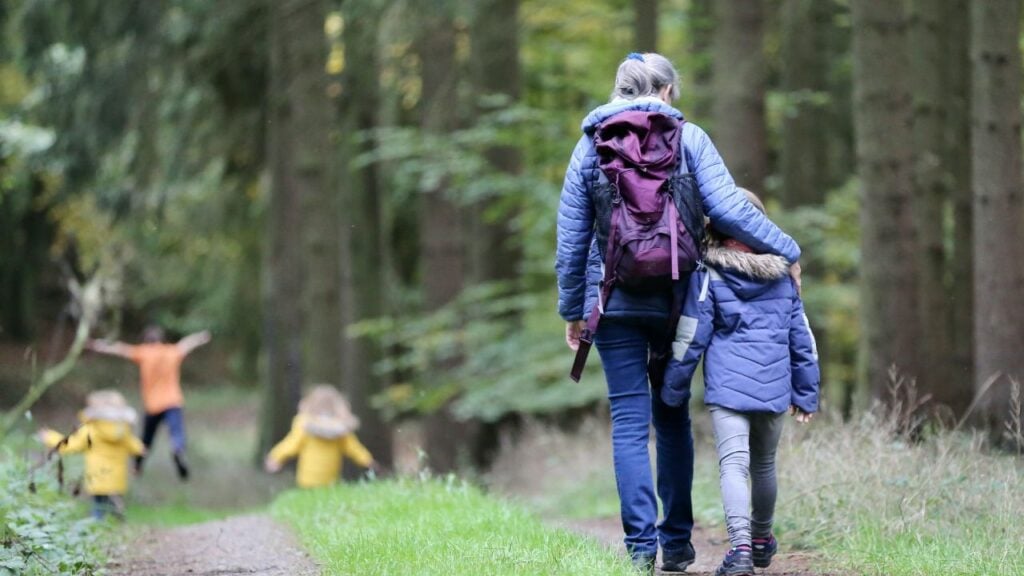
Parents can organize or sponsor outdoor events through schools and community groups. A family hike, dinner or a casual sports afternoon can also work.
Events like these show kids activities they might never try at home. They also get to watch other children and work as a team.
5. Document Family Moments With Nature Photography

A photo can hold more than a smile you give to the camera. Turn an outing into a photo walk. Encourage your kids to look for new things, express what they see and connect with the place they’re in.
Keep it playful. Don’t stop at snapping pictures of the view. Get them to notice what most people walk past. Like the pattern on a tree bark, the shape of a leaf or the way a beetle moves across a log. Kids who are hunting for a good shot end up learning a lot without being told to.
6. Use Technology to Explore and Learn Together
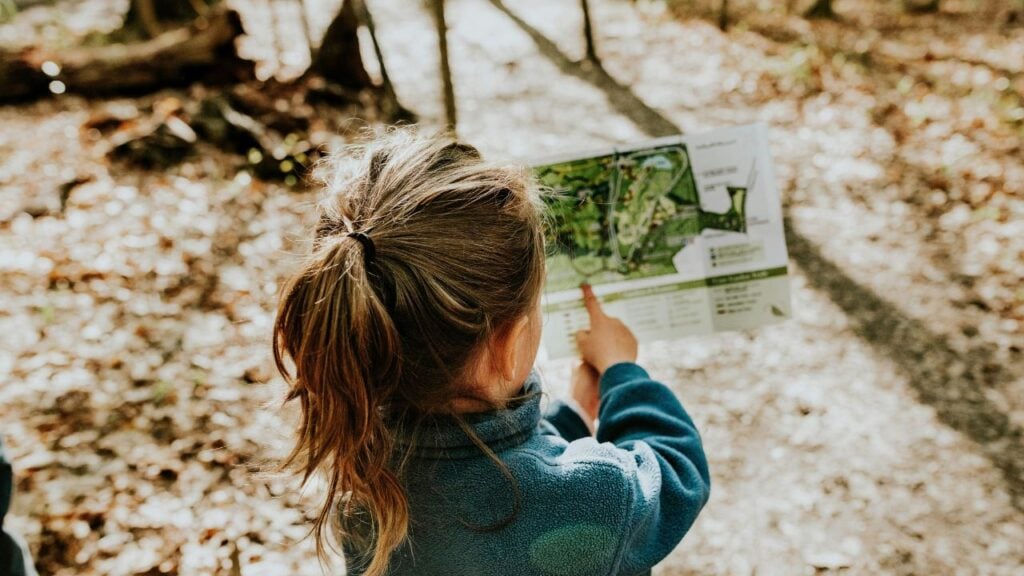
Phones are not the enemy here. Using them well can turn a regular walk into something closer to a field trip.
A plant identification app can settle the “what’s this?” question. A bird-call app might lead you to the creature you’ve been hearing all afternoon. A star map can make a camping night far more interesting.
Previous generations had to wait until they got home to find answers in a book. Your kids can get an answer while they’re still standing in front of the thing.
7. Know When to Step In
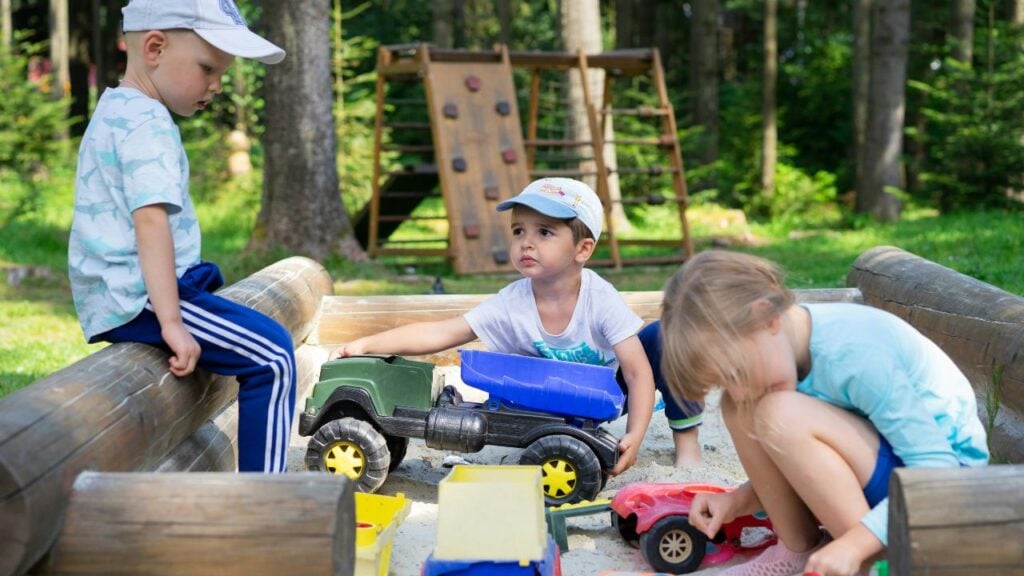
Watch closely when kids try something new, especially if it involves height, speed, water, roads or unfamiliar places.
Step in when a child goes beyond what they can handle, ignores a safety rule or faces real danger. Sometimes a calm reminder is enough. Other times you’ll need to stop the activity.
Learning when to give space and when to step in is the hard part. Get it right and your kids can play freely.

