

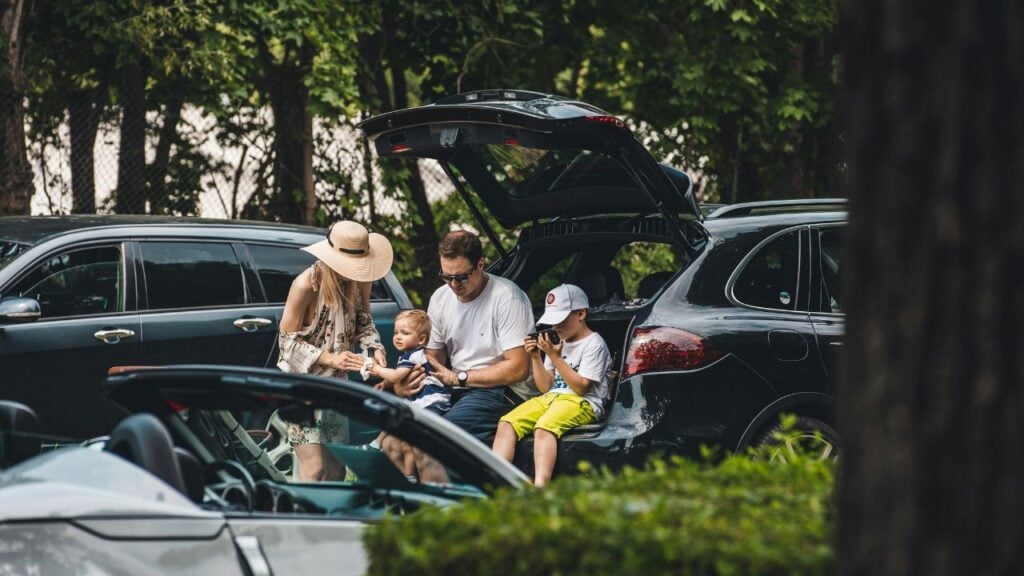
Parents traveling with toddlers and preschoolers can face added stress during the busy holiday season. Thanksgiving and December bring crowded airports, highways and train stations as families travel to visit relatives and celebrate together.
Young children can struggle when travel disrupts their usual sleep, meals and daily routines. Long waits, missed naps and unfamiliar places can also lead to tiredness and frustration.
Parents can make these trips easier by planning around sleep schedules, packing familiar items, bringing snacks and allowing time for breaks. These eight simple habits can help young children stay comfortable and make holiday travel easier for the whole family.
1. Book Around the Child’s Body Clock
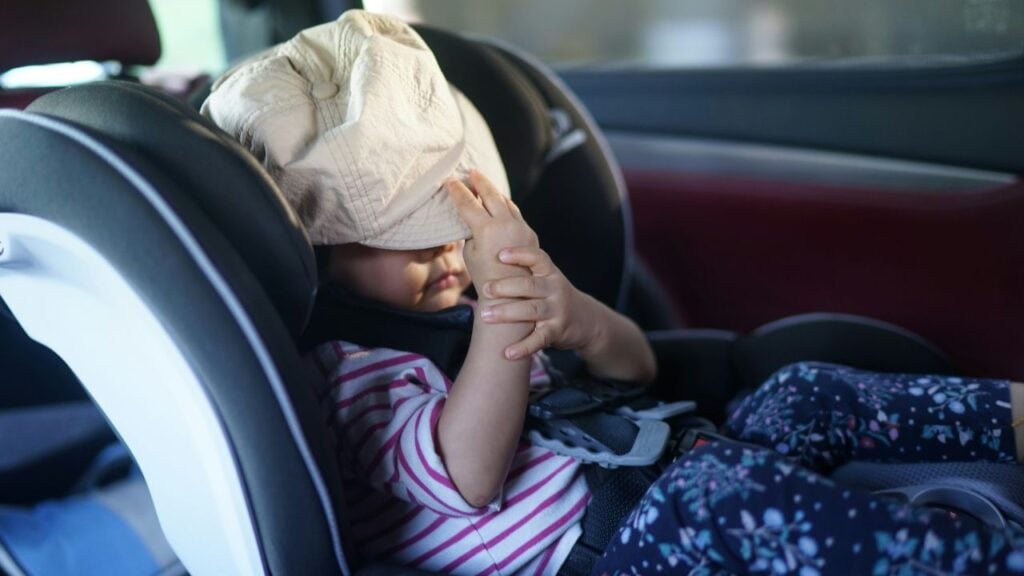
The 6 a.m. flight might sound quite efficient until a two-year-old breaks down at the airport. In case parents decide on an early booking, it allows them to arrange a schedule that suits a child’s biological clock, either the morning flight right after breakfast or the car trip from the moment when the child takes a nap.
A sleeping baby covers many kilometers in silence. An early booking also makes it possible to get adjacent seats and avoid tight connections.
2. Give Children a Job

Children adjust better when they feel involved in tasks. Examples of a child’s tasks include choosing snacks or packing a backpack with a book.
Tasks also play an essential role; for example, delivering the boarding pass from one place to another. This helps the child get acquainted with what will happen next.
3. Pack a Carry-on for the Worst Case
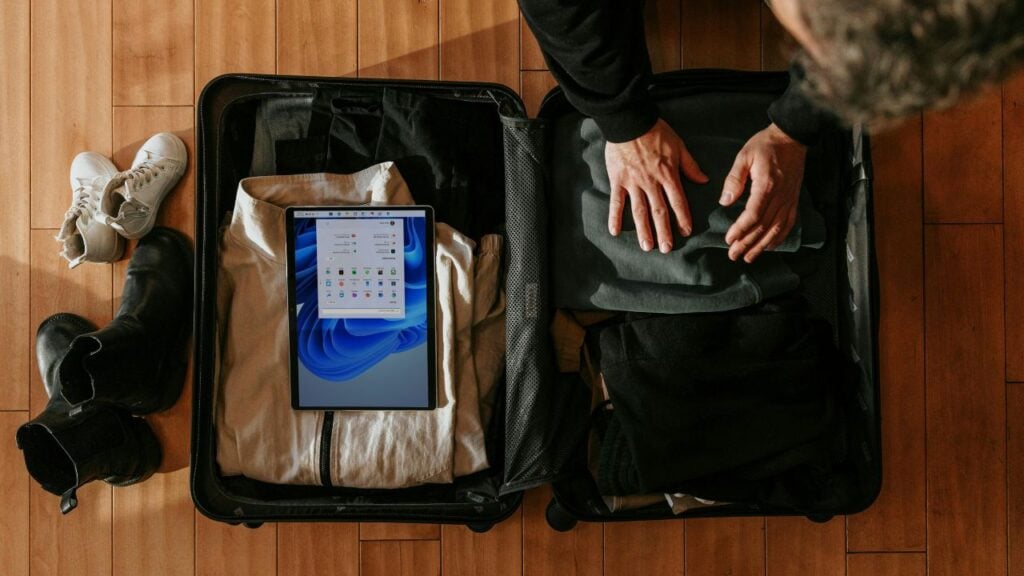
Delays are part of holiday travel, so the bag within reach matters more than the suitcase in the trunk or overhead bin. Worth packing:
- A complete set of clothes for the child and an extra shirt for the adult in case of spills.
- Wipes, tissues and a bag for trash
- Snacks that survive the trip, such as crackers and fruit pouches
- Any medications, stored where they can be grabbed fast
4. Bring something from home
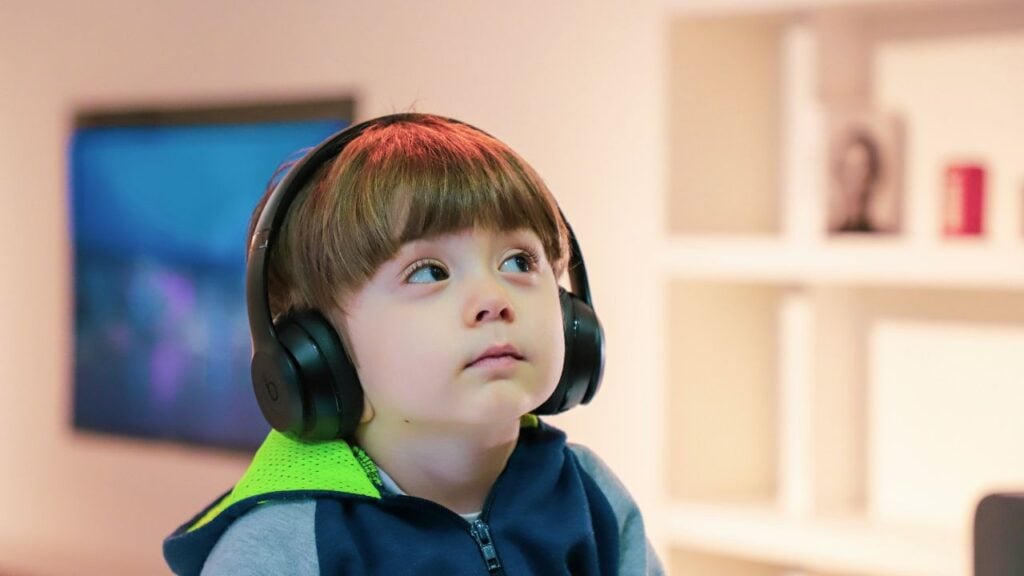
A worn blanket or a stuffed animal can make an unfamiliar airport gate or a relative’s guest room feel a little less strange. Noise-canceling headphones help children who are rattled by loud terminals. None of it weighs much.
5. Hold Some Entertainment Back
Boredom can lead to a long-trip meltdown. I Spy and Travel Bingo are free and activity books, wipe boards and audiobooks offer variety. The key is pacing; new entertainment options in the second half of the ride work much better than toys dumped on them in the first hour.
6. Plan for Movement

Kids can’t be expected to sit for extended periods. Road journeys are best broken up with stops so kids can burn energy at rest stops or playgrounds.
In airports, running around the concourse is a good alternative. This takes more time, but usually brings more benefits than losses.
7. Regular Meals, Sleep and Layered Clothing
Routines anchor young children and a few steps help hold them in place:
- Keep mealtimes close to normal, even if that means eating in the car
- Run the usual bedtime routine at the destination, book and soft music included
- Dress children in layers that come off easily, since temperatures swing between airports, cars and outdoor stops
8. Lower the Bar and Stay Calm

Children read the emotions that adults convey. Parents’ attitude can shape how the trip begins, especially if there’s an airplane delay or roadblock. Giving children a simple warning makes for an easier surprise.
Trips never seem to go precisely to plan during holidays. Expecting “good enough” reduces expectations for everyone.
Travel days end, and the holiday is the point. A little preparation and a little flexibility often turn the trip itself into part of the family’s holiday story.

