

Parenting isn’t just about what you say to your children; it’s also about how you say it. A viral parenting message from TikTok doctor @drrussellledet is reminding parents that their tone of voice can influence how children develop, communicate and eventually interact with the world around them.
Doctor R.J., who shares parenting advice on TikTok under the handle @drrussellledet, recently encouraged parents to pay closer attention to how they speak to their children. His message is that children learn communication habits by observing their parents, meaning constant yelling, sarcasm and disrespectful attitudes can become behaviors they eventually repeat.
The advice gained considerable attention online, with the video receiving approximately 566,000 views and 863 comments. The discussion highlighted how difficult it can be for parents to remain calm when children repeatedly ignore instructions.
Ledet’s message is ultimately about creating a safe environment where children feel comfortable expressing themselves. Parents aren’t expected to be perfect, but acknowledging mistakes and apologizing after losing their temper can help reinforce healthy communication.
How Does Parental Tone Affect Children’s Cognitive Development?
The way parents communicate can influence more than children’s behavior. Research discussed in Capilano University’s examination of parental tone and word choice highlights connections between supportive communication, emotional regulation, self-esteem and cognitive development.
A calm, encouraging voice can help children feel emotionally secure, making it easier for them to process information, express their feelings and learn from mistakes. Conversely, consistently harsh or dismissive communication can contribute to stress, anxiety and difficulties managing emotions.
How Can Parents Use a Better Tone With Their Kids?
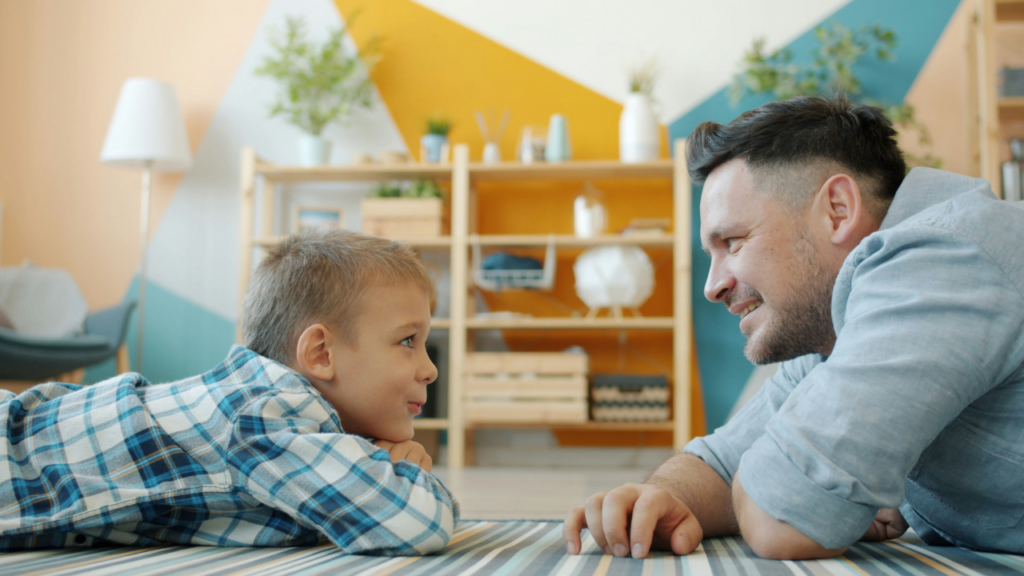
Parents don’t have to completely change their personalities to communicate more effectively. UNICEF recommends active listening, getting down to children’s eye level and showing genuine interest in what they have to say.
According to UNICEF’s nine tips for better communication, parents should also practice reflective listening, acknowledging children’s feelings and repeating what they’ve said in their own words to demonstrate understanding.
Finally, try using a calm, firm voice when establishing boundaries rather than relying on yelling. Remember that children learn by example, and demonstrating patience, respect and empathy can help them develop those same communication skills.
Editorial note: The TikTok video’s view and comment figures are reported figures, not independently verified evidence of the effectiveness of the advice.

