


A groggy, irritable 11-year-old is easy to blame on a late night. Researchers at the University of Pennsylvania suspected the stakes could be higher than a rough morning.
A new study funded by the National Institutes of Health followed 250 children aged 9 to 12 for two years to see whether poor sleep just before adolescence left a lasting mark on the body.
Justin Parent, an associate professor at Penn’s Graduate School of Education and director of its KiDS Lab will lead the work.
How Tricky Stretch Sleep Affects Children’s Health

As children near their teens, their internal clocks begin to shift, nudging them toward later bedtimes and later wake-ups. Social pressures, more screen time and earlier school start times in the upper grades can make it harder to get enough rest.
The effects went beyond feeling tired or struggling to focus in class. Emerging research suggests disrupted sleep during this period could alter how genes are regulated.
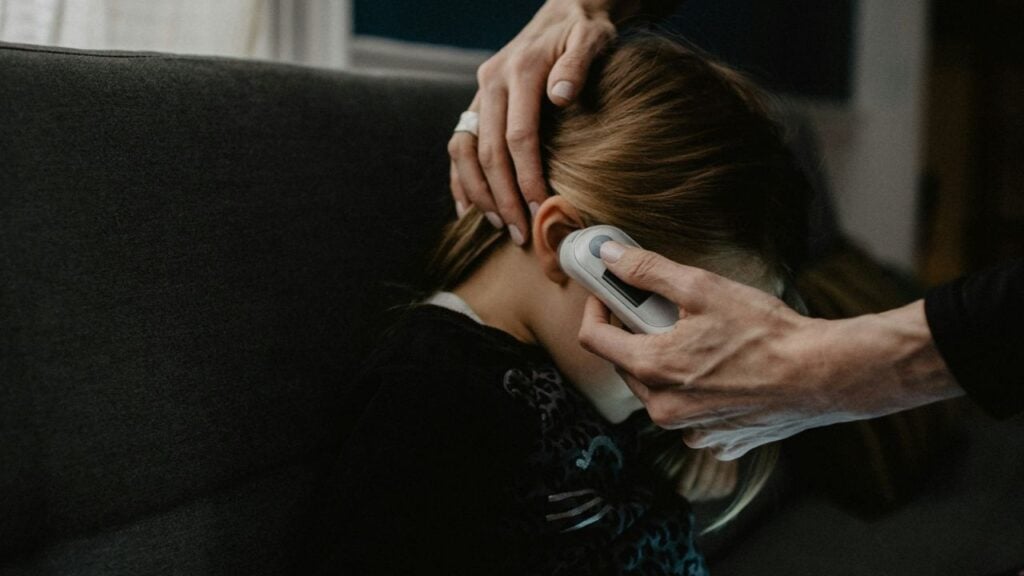
The study could help explain links between sleep and later problems, including anxiety, depression, weight gain and high blood pressure.
Parent said scientists know sleep matters for children’s development and health, but not exactly how or why.
“We think of sleep as a central regulating system that connects stress and adversity to health and development through changes in epigenetic regulation—changes in the ways our genes are potentially expressed,” he said.
What Researchers Will Measure

At the center of the study is epigenetics, the chemical changes that help switch genes on or off without altering DNA. Stress and other experiences can shift those changes. Parent’s team will study whether sleep is one way hardship gets under the skin.
His earlier work offers hints. In one study, differences in teenagers’ sleep patterns helped explain the connection between early adversity and faster epigenetic aging, a marker of biological aging.
A small pilot study of children in intensive mental health treatment also found strong associations between sleep problems and markers tied to inflammation, stress and aging.

Both studies captured a single moment in time, so they can’t show what came first. The new project is built to answer that. Researchers will check in with participants three times over two years.
Children would wear Fitbit devices that track sleep, heart rate and physical activity, and they will give blood samples so scientists can examine DNA methylation, a process that helps regulate gene activity. The team will also follow puberty, mental and physical health and family experiences.
The study focused on families with incomes up to 300 percent of the federal poverty line to better capture children facing stress and adversity.

