

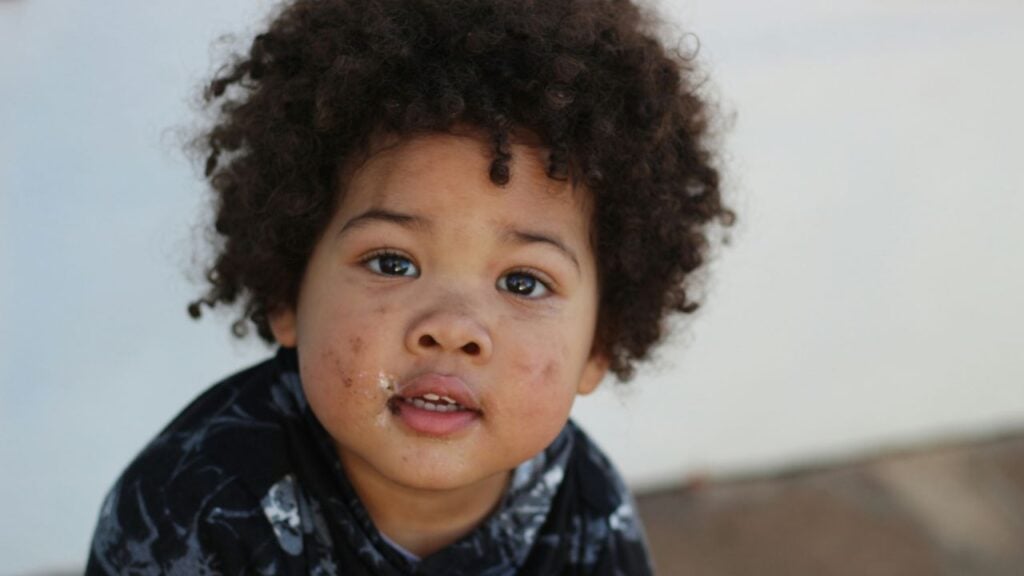
Parents of kids with eczema can go a long way toward preventing the dreaded flare-ups by simply identifying the seven most common triggers at home. Eczema affects over 10 percent of children and results in dry, itchy and sore skin.
The triggers are often the most ordinary things: the soap in the bathroom, the shirt in the drawer, the air from the heater.
Simple changes at home can help protect a child’s skin and reduce eczema flare-ups. Certain triggers may worsen symptoms, but they do not cause eczema.
1. Allergens Like Pet Dander, Pollen and Dust Mites
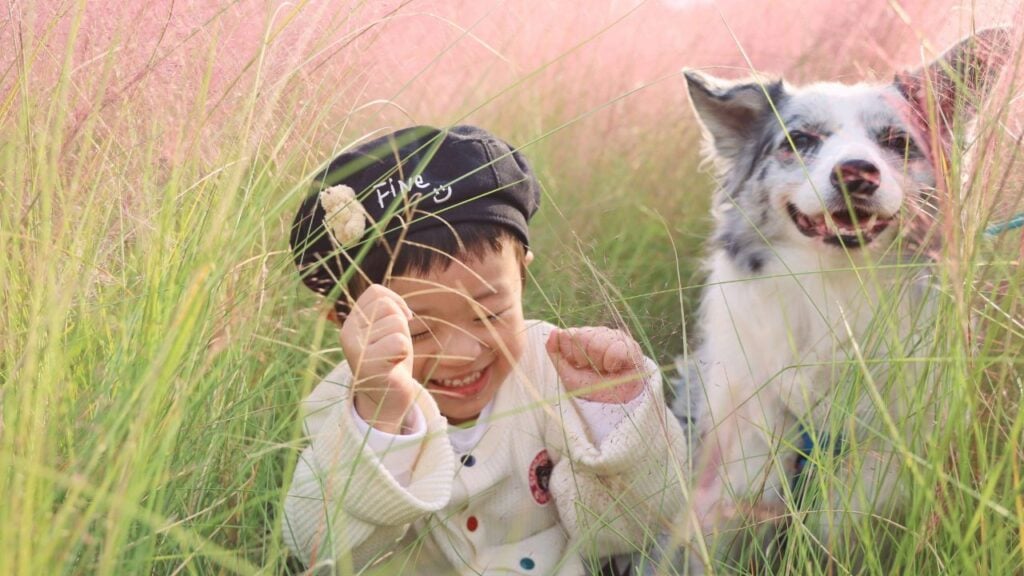
The National Eczema Association lists pet dander, pollen and dust as common allergen triggers. Some children may notice their symptoms get worse during pollen season.
Eczema in infancy can also be the first sign of the allergic march, with the child going on to develop allergies and asthma at a later stage.
Allergen-proof mattress and pillow covers can be of help, as can a vacuum with a HEPA filter. Keep pets out of the bedroom and close the windows on high-pollen days.
2. Harsh Soaps and Skincare Products
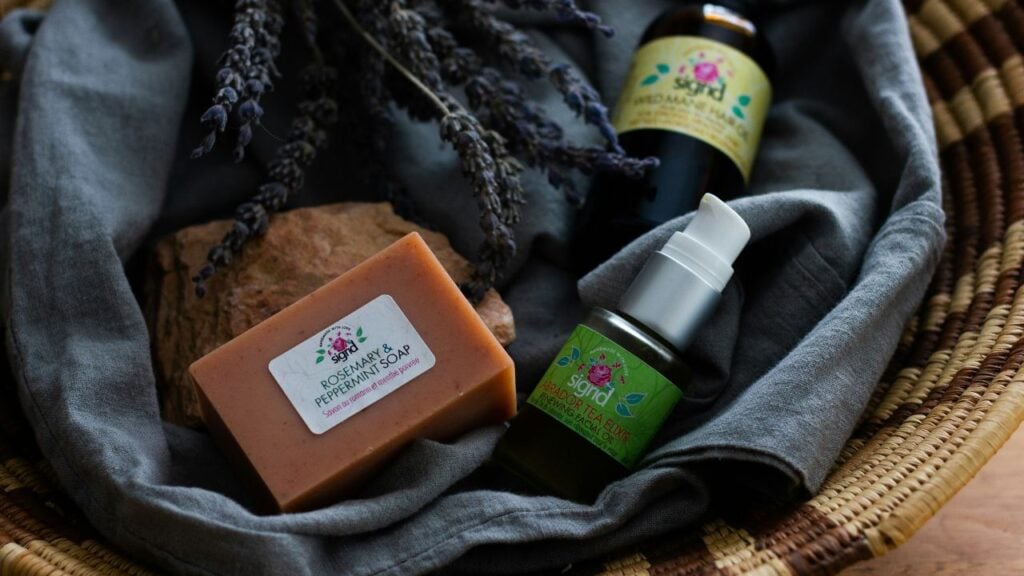
Fragrances, sulfates and alcohol can all be harsh on the skin’s natural oils and compromise the skin’s protective barrier. Shampoos, body washes and laundry detergents all fall into this category. Even products labeled ‘natural’ can irritate sensitive skin.
Use non-soap cleansers and if you do use soap, then it should be fragrance-free and hypoallergenic. Always test a new product on a small patch of skin first and don’t use any fabric softener or dryer sheets.
3. Foods That Trigger Flares in Some Children
Milk products, eggs, peanuts, tree nuts, wheat and soy are the usual suspects. As many as 40 percent of children with eczema will also have a food allergy, but the food doesn’t cause the eczema.
Cutting foods out without a clear reason will actually be detrimental to your child’s nutrition. Note down what your child eats and when symptoms appear. Talk to your pediatrician before making any changes to their diet.
4. Cold, Dry Air and Hot, Sticky Weather
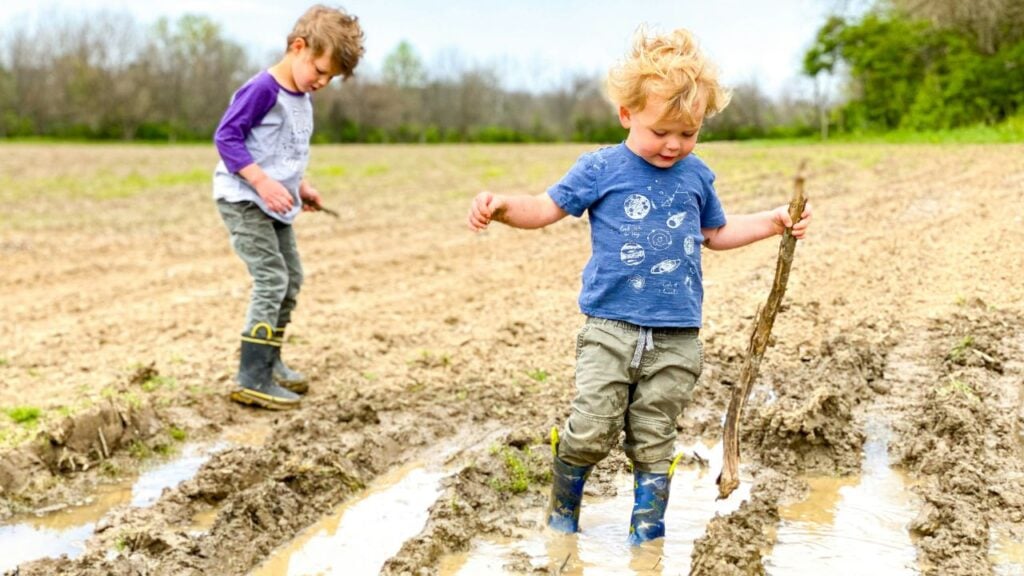
Winter air pulls moisture out of the already fragile skin. Forced-air heating makes indoor air even drier and a humidifier can keep the house at around 40 percent humidity.
Summer brings a different problem. Heat and sweating are also common triggers. Get the sweat off as quickly as possible and apply moisturizer straight after bathing. The air inside air-conditioned rooms can be very dry, so you’ll need to apply moisturizer several times a day.
5. Rough and Synthetic Fabrics
What your child wears is actually more important than most parents realize. Cotton helps to prevent sweat from building up on the skin, whereas synthetic fabrics are harsher and more likely to trap heat.
Wool is another common irritant. Remove scratchy tags and wash new clothes before you wear them for the first time to remove dyes and finishing chemicals. Loose clothing is also helpful as it doesn’t trap the heat against the skin.
6. Stress and Poor Sleep
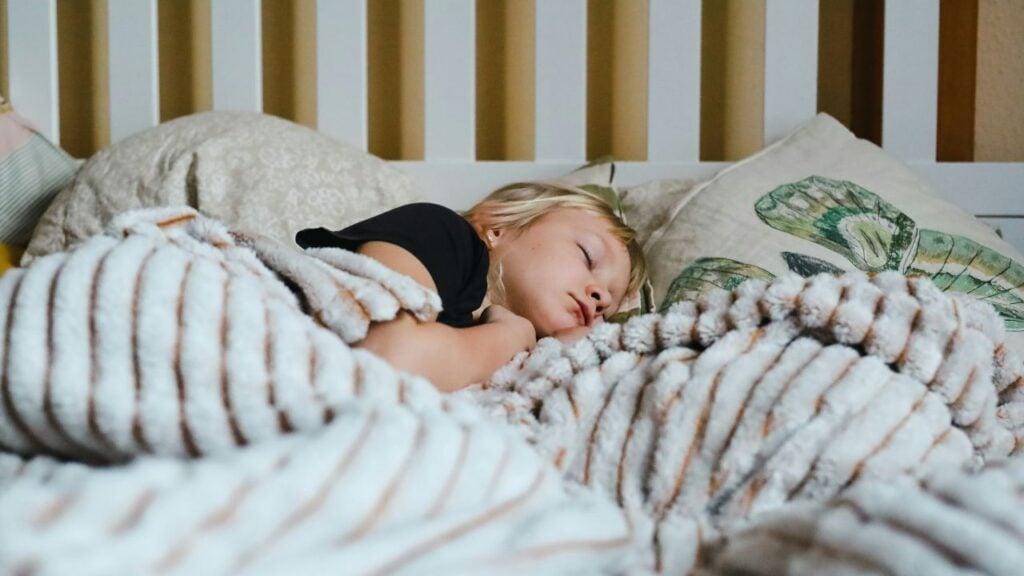
Stress can also make itching worse. Children who scratch at night may lose sleep, leaving them tired and more stressed the next day. Changes at school, family problems and pressure from friends can also add to their stress.
A calm routine can break the cycle. A lukewarm bath, some moisturizer and loose cotton pajamas, followed by a frank conversation with your child about their skin, can help prevent frustration from building up.
7. Infections and Broken Skin

Scratching can break the skin and allow germs in. Infection is one of the major triggers for flares. Keep the child’s nails short and if a patch becomes red and warm, crusty or oozes yellow fluid, get in touch with your pediatrician.
One infection needs extra attention. The herpes virus, which causes cold sores, can lead to a serious skin infection in children with eczema, so do not expose them to people who have a cold sore. If your child develops a cold sore, take them for treatment immediately.
Finding Your Child’s Own Triggers

No two kids will react in the same way. The key, per pediatricians, is to identify your child’s particular triggers and then work with their GP on a management plan.
Start with the easy things first: soap, the pajamas, the air in the bedroom. Then note what helps so you can share it with your child’s doctor.

