

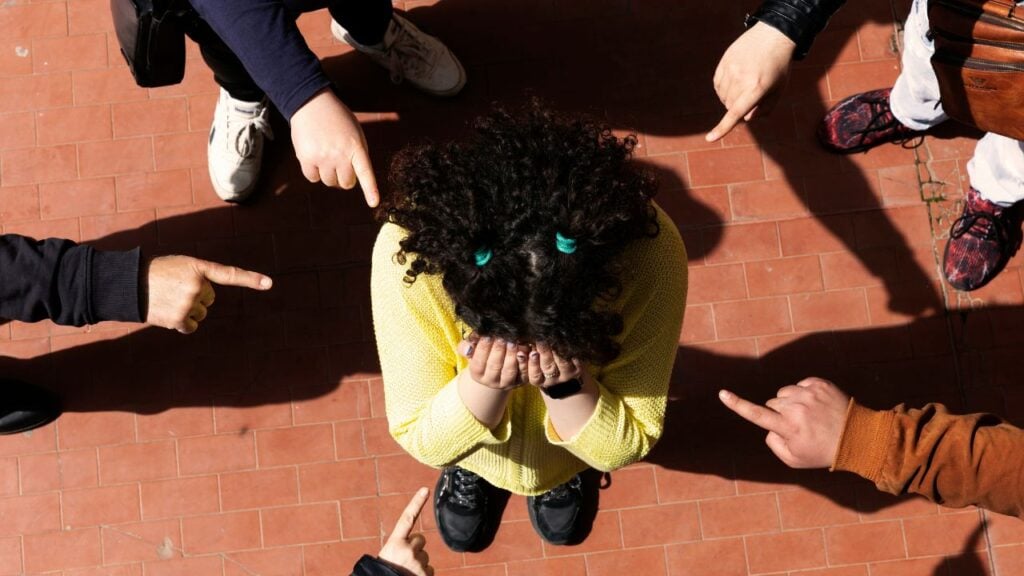
Many kids who are being bullied at school will never tell their parents, so the first signs are often in their behavior. Around 20 percent of students aged between 12 and 18 are bullied nationally, per StopBullying.
Kids may stay quiet for perfectly understandable reasons. Many want to handle it themselves to feel in control and may fear being seen as weak or a complainer. Others may worry the bully will take revenge if they speak up.
Federal guidance from the Centers for Disease Control and Prevention (CDC) defines bullying as aggressive, repeated and unwanted behavior that involves an actual or perceived power imbalance. Parents can look out for seven signs this school year before a small issue becomes a big one.
1. Sudden Mood Changes
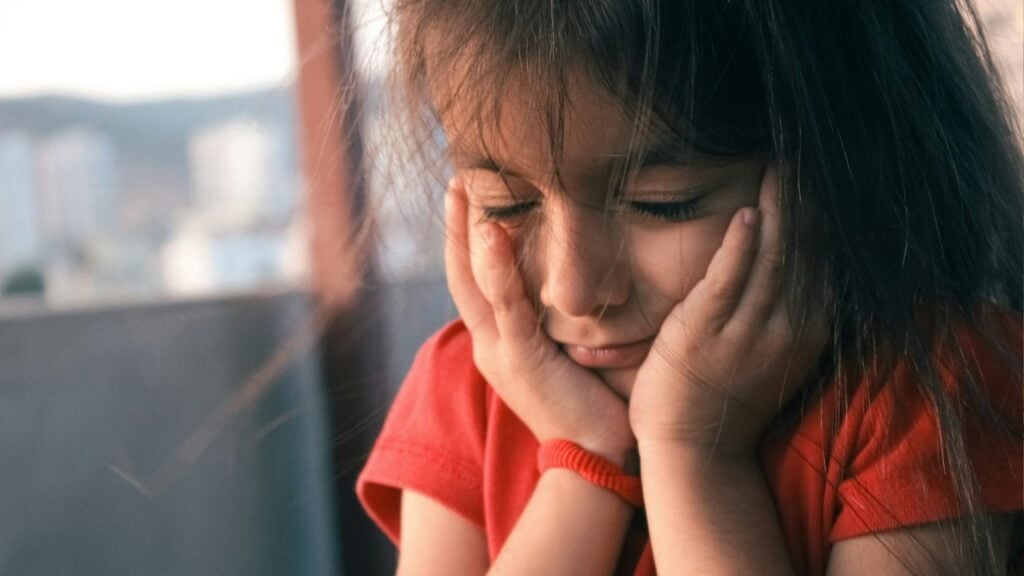
A child who is anxious, sad or easily irritated for no obvious reason may be carrying something heavy. Watch for mood swings that are out of character. Some kids will be perfectly fine in school and completely broken at home, so the change may not be apparent at all.
One bad day is normal. If there’s a pattern over several weeks, that’s worth looking at even if your child says they’re fine.
2. Pulling Away From Friends and Family
Children who are bullied tend to withdraw from activities. They’ll stop talking about their friends; they’ll skip the invites; they’ll spend more time alone in their room.
Some think no one really gets it and some are terrified of being rejected by their peers. To some extent, staying away from others feels safer than risking any more pain.
3. Frequent Headaches, Stomachaches or Faking Sick

Physical complaints can be a quiet way of asking for help. Children may often feel unwell or pretend to be sick when something is bothering them. The pain can be real, as stress can affect the body too.
If the complaints happen only on school mornings, see your general pediatrician to rule out a medical cause. Once medical causes are ruled out, gently ask your child if something at school is bothering them.
4. Avoiding Going to School

A kid who suddenly hates school or likes to stay home is often trying to avoid a particular person or place. Avoiding school is the most common thing that parents will notice. Don’t just write it off as laziness or a bad attitude.
Ask the child which part of the day is the worst or what they don’t like at school. The answer might be the bus, the cafeteria or a corridor fight at school.
5. Changes in Sleep and Appetite
Trouble sleeping or eating considerably less or more than normal can indicate that a child is under stress. These are often the first signs to appear before a child will say anything at all.
Be on the lookout for a child who skips their normal meals. Check whether the change was sudden. A sudden shift is generally more indicative than a gradual one.
6. Unexplained Injuries or Damaged Belongings

Unexplained injuries, lost or destroyed clothing, books, electronics and jewelry. A torn jacket or a missing phone could have a story behind it. Ask about these things calmly, without sounding as though you’re doubting your child’s honesty.
If your child feels accused, they’re far less likely to be forthcoming. Keep a short list of what you find, as the dates and details are very useful when you talk to the school.
7. Secrecy Around Phones and Online Activity
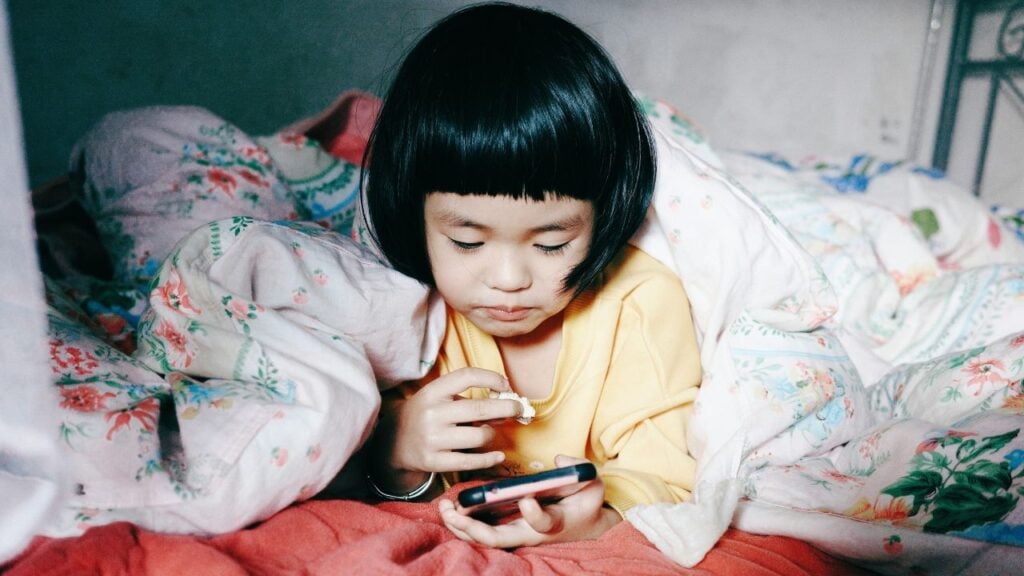
Bullying doesn’t stop when the school day’s over. A CDC study found that 37 percent of middle schools reported cyberbullying at least once a week.
A kid who suddenly goes off their phone or starts to hide what they’re doing online may be suffering. A big jump or a sudden drop in phone use can be a sign.
Ask open questions about who they chat to online and keep your approach curious rather than angry.
How to Start the Conversation

Pick a relaxed time; a car journey is ideal. Ask open questions like, “What was lunch like today?” Listen to the answer before you do anything to ‘fix’ it and simply let your child know that their feelings are valid.
Write down what happened, when and who was involved, then involve the teacher or school counselor. Those are all potential signs of depression, so your child’s general pediatrician can also be of assistance.
If your child is talking about self-harm, then call or text 988 immediately. Trust is built over time and the aim is to have a child who is comfortable coming back to you.

