

Measles returned to American communities at a pace not seen in more than three decades and its first symptoms can pass for a common cold.
The Centers for Disease Control and Prevention (CDC) confirmed 5,412 cases so far in 2026. That is the most since 1991, when 9,643 cases were reported. It is more than double the 2,289 cases recorded in 2025. The data also show four deaths this year.
Most patients were unprotected. The CDC said in August that 93 percent of cases involved people who were unvaccinated or whose vaccination status was unknown.
Why Are Early Signs Easy To Miss?
Here’s a list of a few symptoms parents should never ignore.
- A high fever that can climb past 104 degrees
- A cough
- A runny nose
- Red, watery eyes
Tiny white spots, called Koplik spots, can appear inside the mouth two to three days after symptoms begin. They are easy to overlook.
The rash typically arrives three to five days after the first symptoms. It starts as flat red spots at the hairline, then spreads to the neck, trunk, arms, legs and feet. The spots can merge as they spread and the fever may spike again.
Another warning sign is any hint of a serious complication. A child who has seizures, struggles to breathe or is unusually hard to wake needs emergency care.
Why Are Doctors Worried About Measles?
Measles is one of the most contagious diseases and it is especially dangerous for babies and young children. About 1 in 5 unvaccinated people in the U.S. who get measles is reportedly hospitalized.
As many as 1 in 20 children develop pneumonia, the most common cause of measles deaths in young children.
About 1 in 1,000 children reportedly develops encephalitis, or swelling of the brain, which can leave a child deaf or with an intellectual disability. Between 1 and 3 of every 1,000 infected children reportedly die.
The damage could outlast the illness. Research showed the virus can harm immune cells that remember past infections, an effect sometimes called immune amnesia that may last months or even years.
What Parents Can Do To Keep Their Kids Safe
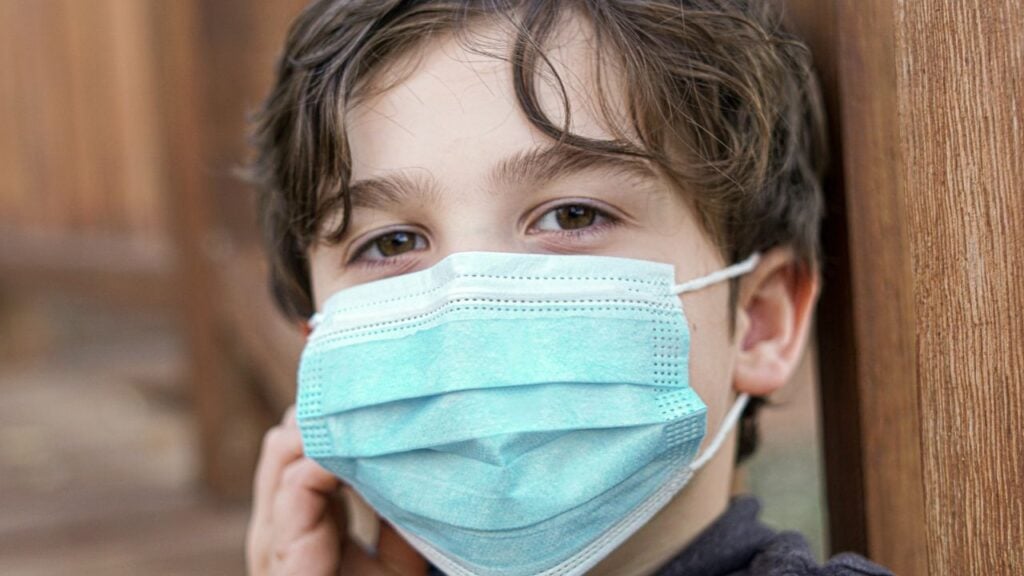
Parents can call a health care provider immediately if they think their child has been exposed. Phone ahead before showing up so staff can keep your child away from other patients, including infants too young to be vaccinated.
The best protection, per the CDC, is the measles, mumps and rubella vaccine. It has recommended two doses, the first at 12 to 15 months and the second between ages 4 and 6.

