


Five children have reportedly died during flu season, the Centers for Disease Control and Prevention (CDC) reported November 13, 2026, after two more pediatric deaths were added in its latest weekly update.
Flu test positivity rose to 11.3 percent for the week ending November 7, 2026, up from 9.1 percent a week earlier. Activity was reportedly high or very high in seven states, including California, Louisiana, Oregon, South Carolina, Tennessee, Texas and Washington.
How Many Deaths Reported So Far?

The CDC estimated at least 2.6 million illnesses, 36,000 hospitalizations and 2,100 deaths so far this season. Influenza A accounted for nearly all positive tests and almost all of the subtyped viruses were H1N1.
The agency also cautioned against reading too much into the early rise, saying it didn’t necessarily lead to a higher peak or a more severe season. Its preliminary assessment rated severity as low for all age groups, though that could change.
Last season was reportedly harder on children. The count of pediatric deaths for 2025-26 stood at 203. About 85 percent of those among eligible children with known vaccination status reportedly involved children who were not fully vaccinated.
Who Faced the Greatest Risk Of Being Hit By Flu?
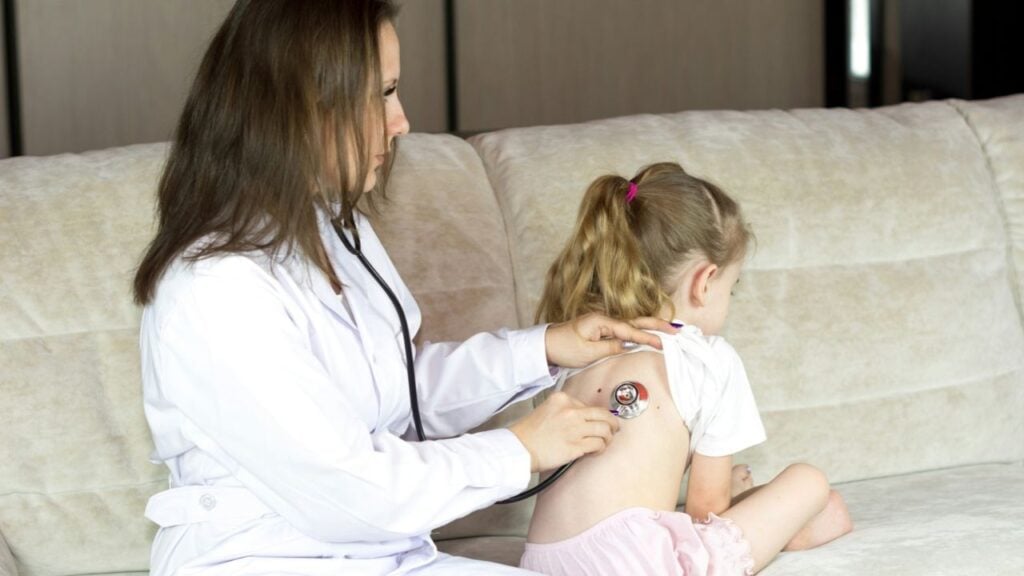
Children younger than 5, especially those younger than 2, were the most vulnerable to severe illness. So were children with asthma, heart disease, diabetes or neurologic conditions.
Older adults, pregnant people and those with weakened immune systems also faced higher risk.
Here are five ways to protect your family ahead of Thanksgiving.
1. Get Vaccinated
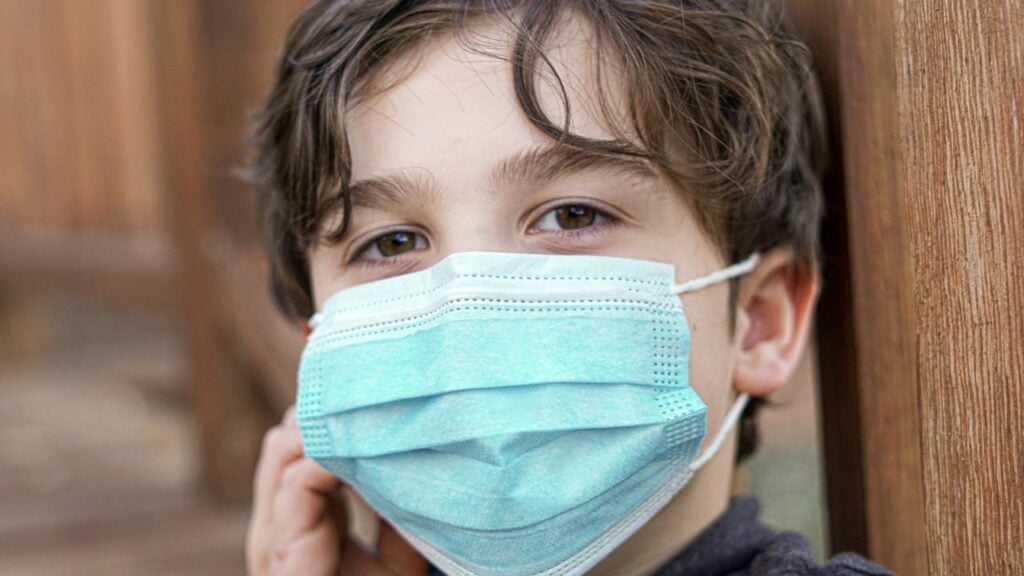
Protection takes about two weeks to build, so the sooner the vaccination, the better. Pharmacies and county health departments reportedly offer shots and many insurance plans cover them. Families without coverage could ask their local health department about low-cost clinics.
2. Keep Sick People Away From the Vulnerable
Relatives with symptoms are advised to stay clear of newborns and frail older adults at holiday gatherings.
3. Stay Home When Ill
Sick children are advised to stay out of school and away from crowds. Everyone should be urged to wash hands often.
4. Call the Doctor Early

Flu often starts suddenly with fever, chills, cough, sore throat, body aches and fatigue. Some children can also have vomiting or diarrhea. Antiviral medicines reportedly work best when started early, so high-risk children with symptoms need to be seen promptly.
5. Know the Emergency Signs
Care should be urgent for fast or labored breathing, bluish lips, chest pain, dehydration, seizures, severe muscle pain, a fever above 104 degrees or symptoms that improved and then worsened. In infants, trouble feeding or fewer wet diapers can be warning signs.

