

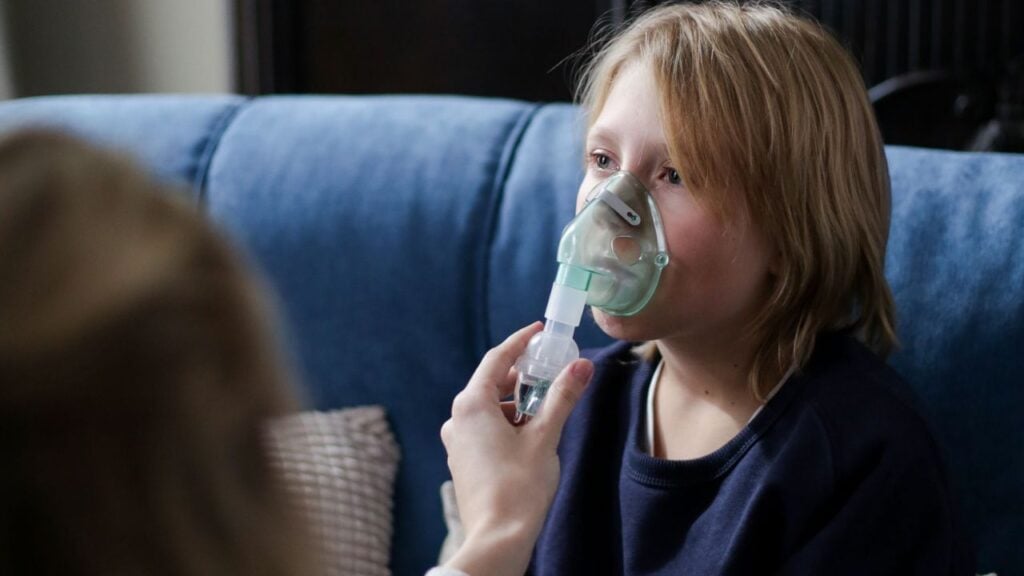
Cold air usually gets the blame when a child’s asthma flares up in winter. However, routine household habits may matter just as much.
There can be several possible triggers of asthma, many being tied to the steps families take to keep children warm.
Stored Blankets in Sealed Rooms Can Worsen Your Child’s Asthma
Families often shut windows and doors to hold in heat. That may limits fresh air and lets dust, cooking smoke and incense linger indoors.
A survey of children in Oman found that burning Arabian incense was a common trigger of wheezing among those with asthma, though it was not tied to how many children had the disease.
Bedding can add to the problem. Heavy quilts and woolen blankets that sat in storage for months may have gathered dust mites.
The U.S. Centers for Disease Control and Prevention lists dust mites as an asthma trigger and advises against down-filled quilts and comforters.
Moisture matters too. Hot showers behind closed doors, steam from pressure cookers and room heaters can raise indoor humidity and encourage mold. The CDC said breathing in mold can trigger an attack whether or not a person is allergic to it. It recommends keeping indoor humidity under 50%.
What’s the Difference Between Fog and Morning Rush
Winter fog can reportedly hold fine particles such as PM2.5 close to the ground. Children breathe closer to that layer than adults do, so the school commute between 7 and 9 a.m. may be a high-exposure window.
A 2023 review of 11 studies found that short-term PM2.5 exposure harmed children’s lung function, with children who have severe asthma more affected.
The shift from a warm home to cold outdoor air can also tighten airways. The CDC lists cold, dry air among known triggers.
Shorter days mean less sunlight, which the body uses to make vitamin D. A 2015 review found low-quality evidence that supplements reduced flare-ups in children. A 2022 analysis of eight trials found no benefit for asthma control. Families should check with a doctor before starting supplements.
Children also tend to spend more time indoors and on screens in winter, leading to less physical activity and shallower breathing.
What Symptoms Parents May Overlook
Beyond coughing and wheezing, there are several signs that families may dismiss as minor, including:
- Chest tightness on waking
- Coughing after a hot bath
- Coughing after putting on a woolen sweater
- Fast breathing right after waking
- Trouble breathing during sleep in a stuffy room
What Families Can Do

It is recommended to open windows for 10 to 15 minutes at midday to air out the house. Drying blankets in the sun weekly and swapping heavy wool for washable cotton layers can also help. The CDC also advised washing bedding weekly and drying it completely.
On cold mornings, children can wear a soft cotton covering over the nose and mouth and try to breathe through the nose. Parents are also advised to keep a child’s sleeping area away from kitchen fumes.
Parents should seek medical care if a child breathes fast after waking, coughs after temperature changes or wheezes at night. Home changes should not replace a doctor’s evaluation.

