

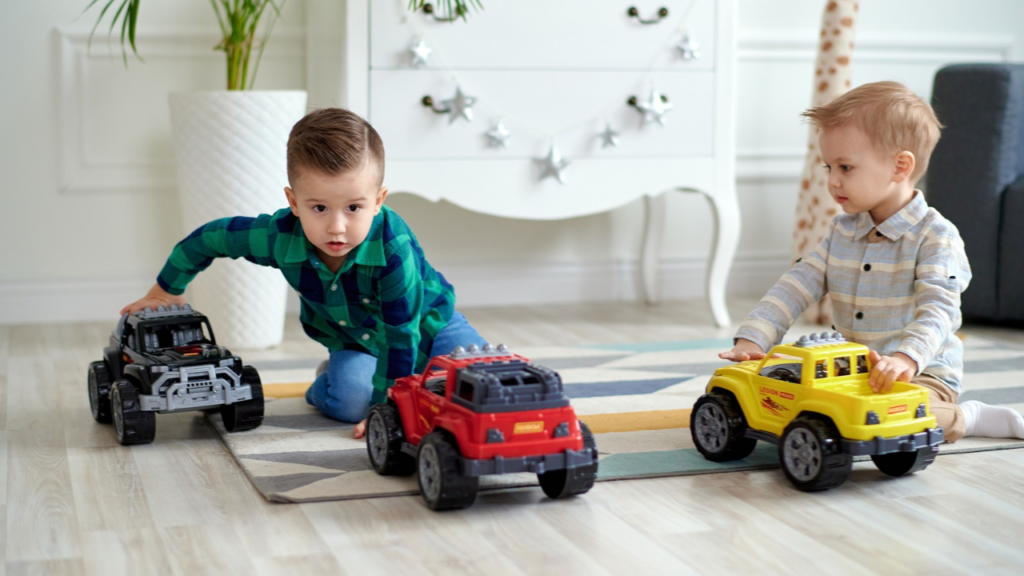
With the holiday shopping season approaching, parents might want to think twice before purchasing toys that make loud noises. Experts warn that noisy toys could cause permanent hearing damage, particularly among younger children.
According to Mayo Clinic audiologist Katie Dease, some toys produce sounds reaching 90 decibels, comparable to a lawn mower. When children hold these toys close to their ears, noise levels can reach 120 decibels. “Children’s ears are delicate,” Dease explains, encouraging parents to test toys before purchasing them.
The Hearing Health Foundation estimates that nearly 50 million Americans experience hearing loss in at least one ear, including 20% of teenagers. These figures highlight the importance of protecting children’s hearing.
How Loud Toys Can Damage Children’s Hearing
Loud toys can damage delicate hair cells inside children’s ears, potentially causing irreversible hearing loss. Unlike other cells, these specialized structures cannot regenerate once destroyed.
Humans are born with approximately 16,000 hair cells in each cochlea. Prolonged exposure to sounds measuring 85 decibels or higher can threaten hearing health.
“Many parents don’t realize the permanent damage a simple toy can inflict on a child’s hearing,” warns American Academy of Audiology President Bopanna Ballachanda.
Hearing loss can also affect children’s education and social development. Ballachanda notes that even minimal hearing loss can cause children to miss 50% of classroom discussions.
How Parents Can Choose Safer Holiday Toys
Fortunately, parents can protect their children’s hearing by making smarter shopping decisions. The American Academy of Pediatrics specifically recommends avoiding excessively loud toys.
Parents should test toys before purchasing them, paying attention to volume and proximity. Choosing toys with adjustable volume controls offers another way to reduce potentially harmful noise exposure.
Parents can also prioritize quieter gifts, including puzzles, building blocks, books, and stuffed animals. These alternatives encourage imaginative play without unnecessary noise.
Finally, parents should read product labels, follow age recommendations, and check for safety warnings. A little extra caution during holiday shopping can help protect children’s hearing for years to come.

