

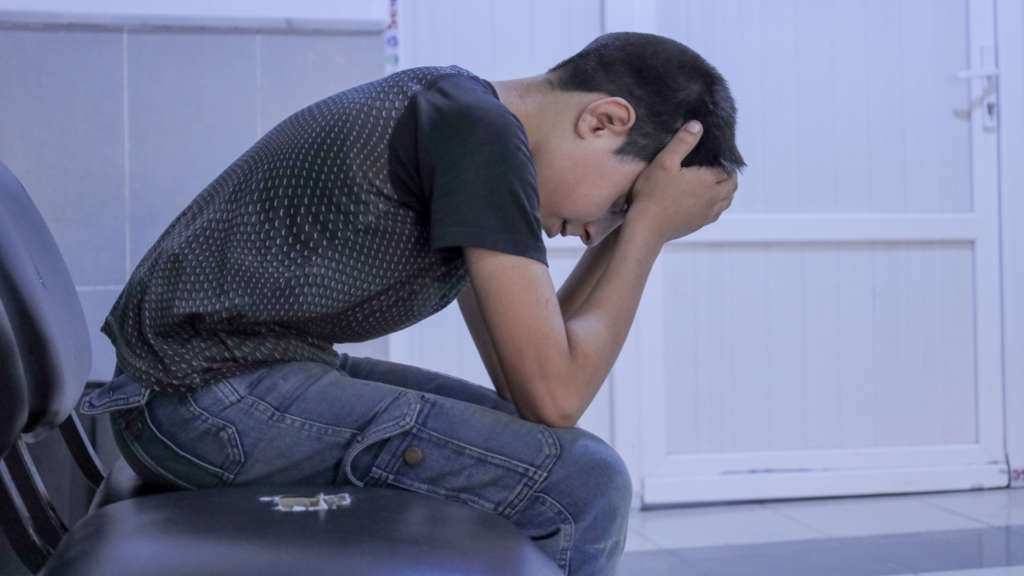
While children naturally seek comfort and reassurance from their parents, an excessive need for validation could indicate anxious attachment. Recognizing the signs early can help parents build healthier emotional connections with their children.
Children with anxious attachment may experience persistent separation anxiety, low self-esteem, emotional outbursts, and difficulty accepting feedback. Even minor disagreements or corrections can trigger fears of rejection or abandonment.
“They have intense emotional responses to being rejected or receiving criticism of any kind,” says psychologist Dr. Jasmine Reed. However, occasional clinginess and separation anxiety are developmentally normal, particularly among younger children.
What Exactly Is Anxious Attachment?
Anxious attachment is one of three insecure attachment styles identified in attachment theory, which originated in the 1950s. In children, it is also known as anxious-ambivalent attachment.
“The development of an anxious/preoccupied attachment style (referred to as anxious ambivalent in children) is often associated with an inconsistent parenting pattern,” explains The Attachment Project. Children may become uncertain about whether their caregivers will respond to their emotional needs.
This uncertainty can leave children questioning their self-worth and struggling to establish independence. Without appropriate support, these patterns may continue into adulthood, potentially affecting friendships, romantic relationships, and emotional well-being.
However, anxious attachment is not a mental health disorder or a permanent personality trait. Children can develop healthier attachment patterns through supportive relationships and positive experiences.
How Parents Can Help Children With Anxious Attachment
Creating predictable routines and providing consistent emotional support can help children feel more secure. Parents should acknowledge their children’s feelings, establish clear boundaries, and follow through on promises.
“Children with anxious attachments often struggle to gauge their feelings, feeling overwhelmed with their emotions very quickly,” explains Nicky Edwards of Dandelion Training and Development. Teaching children to identify and communicate their emotions can help them develop healthier coping skills.
Parents should also encourage age-appropriate independence, celebrate accomplishments, and model healthy emotional regulation. Apologizing and reconnecting after disagreements can demonstrate that conflict does not mean love or affection will disappear.
Building secure attachment takes patience, consistency, and understanding rather than perfect parenting. If anxiety significantly interferes with a child’s daily life, consulting a pediatrician or child psychologist can provide additional guidance.

