

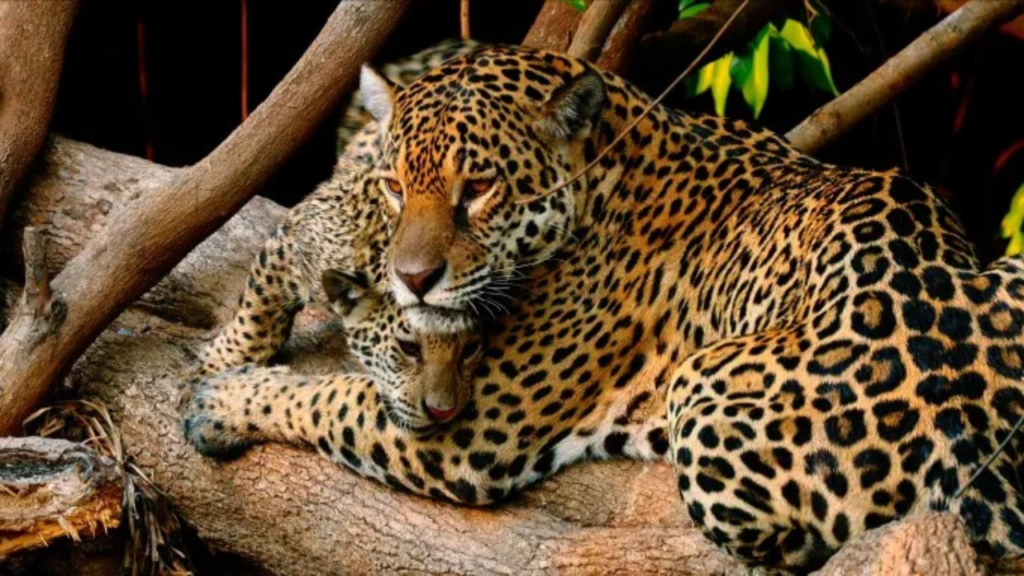
Netflix is bringing families closer to some of the world’s most fascinating big cats with March of the Jaguars, premiering globally on December 22. Narrated by Oscar-nominated actress Fernanda Torres, it marks Netflix’s first wildlife documentary produced in Latin America.
The documentary follows a family of jaguars living in Brazil’s Pantanal region, capturing footage across 26 expeditions over five years. The production team includes filmmakers behind the Academy Award-winning documentary March of the Penguins.
Director Lawrence Wahba said that he hopes to inspire “not only awe and wonder, but also an awareness of the urgent need to protect them.” Brazil is home to approximately half of the world’s wild jaguar population.
How Nature Documentaries Can Benefit Kids
While excessive screen time remains a concern for parents, nature documentaries can provide valuable educational experiences. They introduce children to unfamiliar animals, ecosystems, and environmental challenges while encouraging curiosity about the natural world.
As legendary wildlife broadcaster David Attenborough explained in an interview, younger audiences were “reconnecting with a planet whose beauty is blemished and whose health is failing.” The first three episodes of Planet Earth II attracted more than 12 million viewers in the United Kingdom.
Watching nature documentaries together can encourage meaningful family conversations about conservation, biodiversity, and protecting endangered species. Parents can extend these learning opportunities through nature walks, wildlife observation, and visits to local conservation areas.
Other Acclaimed Netflix Nature Documentaries for Families
Netflix offers several acclaimed nature documentaries that families can enjoy together. Our Planet, narrated by Attenborough, was Netflix’s most-watched nature program during the first half of 2023.
The Academy Award-winning documentary My Octopus Teacher follows a filmmaker who develops an extraordinary connection with an octopus. Its exploration of animal intelligence and environmental appreciation offers an engaging experience for older children.
Meanwhile, Night on Earth uses advanced camera technology to reveal the fascinating nighttime activities of animals worldwide. Parents should preview these documentaries for potentially frightening scenes involving predators, hunting, or animal deaths.
Ultimately, nature documentaries can make educational screen time more engaging while inspiring children to explore and appreciate the world beyond their screens.

