
Home Alone (1990)
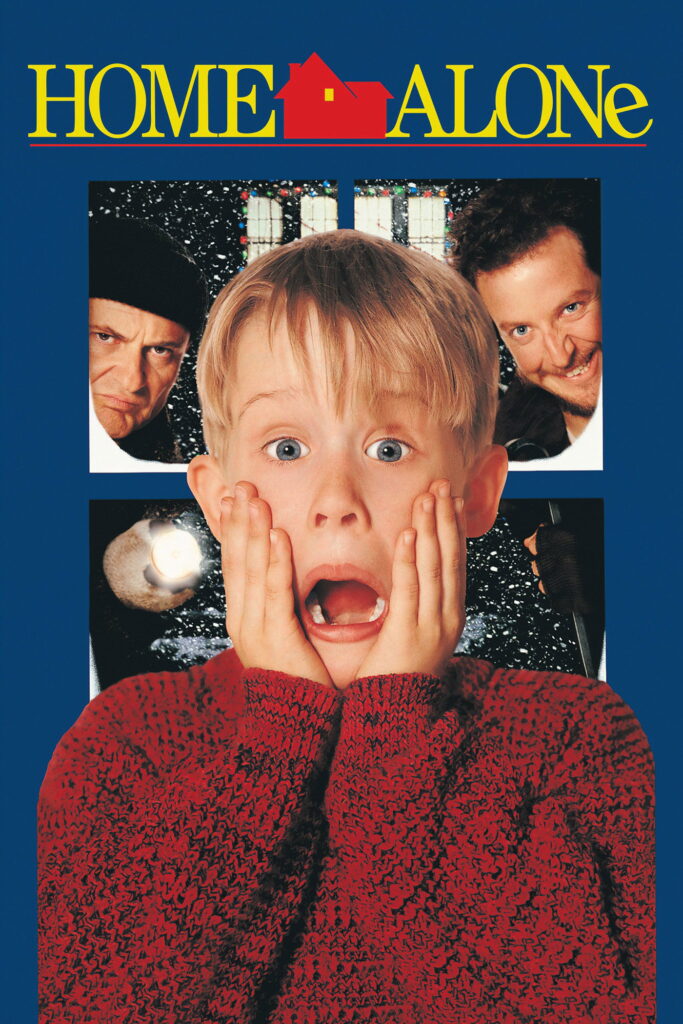
Synopsis:
Eight-year-old Kevin McCallister finds himself in an unexpected situation when his family accidentally leaves him behind during their Christmas vacation. Rather than panicking, the resourceful young boy makes the most of having the house all to himself. However, his solo holiday takes a dramatic turn when a pair of thieves, Harry and Marv, attempt to break into his home. Determined to protect his family's house, Kevin uses his creativity and ingenuity to defend against the would-be burglars, putting up an unforgettable fight. This family comedy follows Kevin's adventures as he navigates being home alone while outsmarting the bumbling criminals who underestimate what one clever kid can do when his home is threatened during the holiday season.
Where To Watch: Home Alone
Parental Feedback
Home Alone delivers a fast-paced family comedy that blends slapstick humor with moments of genuine heart and holiday warmth. Parents should expect a mix of creative physical comedy—often involving elaborate booby traps—and some mild peril as burglars attempt to break into the McCallister home. The tone balances lighthearted mischief with themes of family, independence, and resourcefulness, though the cartoonish violence and brief moments of tension may require context for younger or more sensitive viewers.
Why Kids Should Watch Home Alone
Home Alone offers several positive elements that make it an engaging watch for families during the holiday season.
The story celebrates resourcefulness and quick thinking as eight-year-old Kevin McCallister uses creativity and ingenuity to protect his home. His clever problem-solving demonstrates that even young people can rise to challenges when they believe in themselves.
The film reinforces the importance of family bonds and appreciation for loved ones. Kevin's journey from feeling overlooked to missing his family deeply teaches children to value their relationships and recognize what truly matters.
Macaulay Culkin's performance as Kevin brings charm and relatability to a character who experiences both independence and vulnerability. His emotional range helps children connect with the story on a personal level.
The holiday setting and themes of kindness, forgiveness, and reconciliation provide a festive backdrop that encourages discussions about compassion and second chances, particularly through Kevin's interactions with his neighbor Marley.
Why Kids Shouldn't Watch Home Alone
Parents may have several concerns when considering Home Alone for younger or more sensitive children.
The extensive slapstick violence, while cartoonish in nature, involves burglars Harry and Marv enduring painful falls, burns, and impacts from Kevin's elaborate traps. Some children may find these sequences intense or may attempt to imitate the dangerous stunts.
Moments of peril and tension occur when the thieves actively pursue Kevin and attempt to break into his home. These scenes, combined with Kevin's initial fear of being alone, may be frightening for younger viewers.
Mild language and some rude behavior appear throughout, including teasing among siblings and occasional insults. Parents may need to address these moments to ensure children understand appropriate versus inappropriate conduct.
Verdict: Parent Approved
Home Alone earns approval as a family-friendly holiday classic that balances humor with heart, though parents should preview it for children under seven due to slapstick violence and mild peril.
What Parents Should Know About Home Alone
| Question | Answer |
|---|---|
| Does this Movie model positive behavior that my child can understand and repeat? | Yes, Kevin demonstrates resourcefulness, courage, and ultimately learns to appreciate his family, though the booby trap sequences should not be imitated. |
| Does this Movie include emotional moments my child might find confusing or intense? | Yes, Kevin experiences loneliness and fear when left alone, and the scenes involving burglars attempting to enter his home may be intense for sensitive children. |
| Does this Movie show consequences for unkind or unsafe behavior? | Yes, the burglars Harry and Marv face painful consequences for their criminal actions, and Kevin learns that family connection is more important than solitude. |
| Does this Movie reinforce helpful social skills like sharing, apologizing, or teamwork? | Yes, the story emphasizes forgiveness, reconciliation with family, and reaching out to others, as shown through Kevin's relationship with his neighbor Marley. |
| Will my child come away with any clear moral or message? | Yes, children will learn that family is precious, that kindness matters, and that everyone deserves a second chance. |
The Overall Sentiment From Parental Feedback
Parents generally view Home Alone as a beloved holiday tradition that successfully combines humor with meaningful messages about family and independence. Many appreciate how the story encourages children to value their loved ones while celebrating Kevin's cleverness and bravery. The consensus acknowledges that the slapstick violence is cartoonish rather than realistic, making it acceptable for most school-age children, though parents of younger or more impressionable viewers often recommend watching together to provide context. Families consistently praise the film's ability to spark conversations about responsibility, kindness to neighbors, and the importance of home and family during the holiday season.
Official Home Alone Trailer
Why Kids Love Home Alone
Kevin turns his entire house into a booby-trap playground when burglars Harry and Marv try to break in. He rigs paint cans to swing down staircases, covers floors with toy cars and Christmas ornaments, and sets up blowtorches that singe hair and eyebrows in classic cartoon-style chaos.
The slapstick comedy reaches peak hilarity as the bumbling thieves crash into walls, slip on icy steps, and get smacked in the face with irons. Every trap Kevin designs works perfectly, creating near misses and perfectly timed mishaps that feel like watching a live-action cartoon unfold.
Kevin proves he's the ultimate smart problem-solver by outsmarting two grown-up criminals using nothing but household items and clever thinking. He races through his house setting traps, escapes through secret passages, and stays one step ahead in fast-paced chasing scenes that keep the action moving.
The eight-year-old becomes the hero by doing things his way and saving his home from the thieves. Kevin's silly jokes and pranks—like the fake party he stages with cardboard cutouts—show how he uses creativity and courage to fix the problem and prove himself capable of standing up for what matters.