
A Beautiful Day in the Neighborhood (2019)
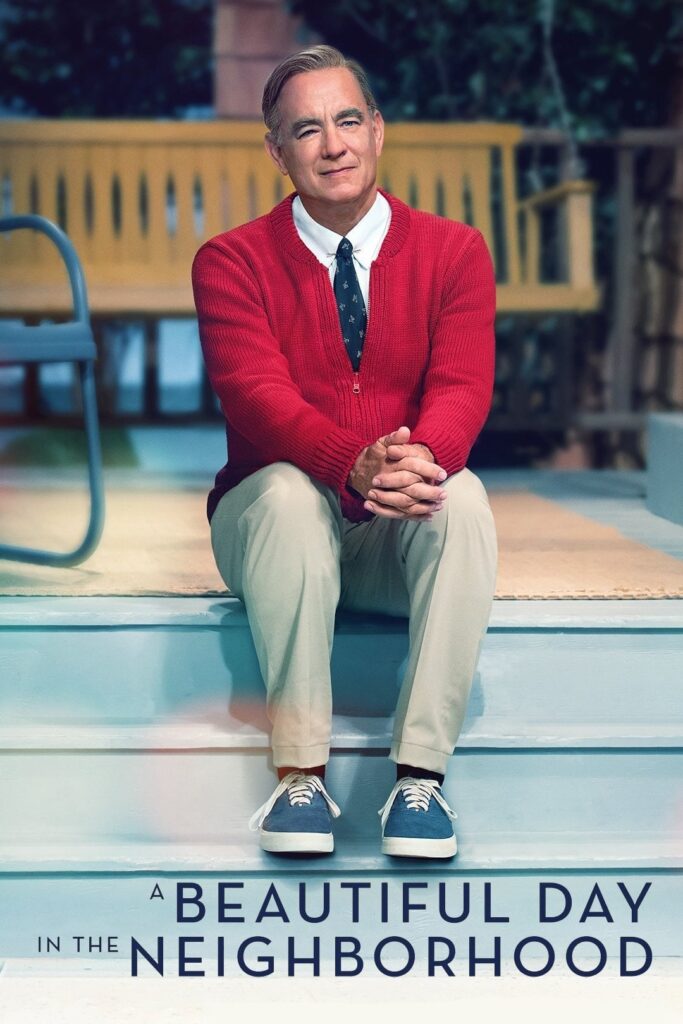
Synopsis:
Lloyd Vogel is an award-winning but cynical journalist who reluctantly takes on an assignment to write a profile for Esquire magazine about Fred Rogers, the beloved host of the children's television show "Mister Rogers' Neighborhood." Despite his initial skepticism, Lloyd's encounters with the gentle and compassionate Rogers begin to challenge his hardened worldview. As he spends time with Fred and observes his genuine kindness and wisdom, Lloyd finds himself confronting his own personal struggles, including a strained relationship with his father Jerry. Through their growing friendship, Fred's patient and thoughtful approach to life gradually transforms Lloyd's perspective, teaching him valuable lessons about empathy, forgiveness, and what it means to be a good neighbor. This heartwarming drama explores how one person's unwavering goodness can profoundly impact even the most guarded hearts.
Where To Watch: A Beautiful Day in the Neighborhood
Parental Feedback
A Beautiful Day in the Neighborhood unfolds at a contemplative, measured pace that prioritizes emotional depth over action or comedy. Parents should expect a thoughtful drama centered on themes of forgiveness, family conflict, and personal transformation, with moments of genuine emotional weight that may resonate differently across age groups. The tone is gentle and reflective, drawing on the calming presence of Fred Rogers while exploring adult relationships and unresolved pain, making it more introspective than typical family fare.
Why Kids Should Watch A Beautiful Day in the Neighborhood
This story offers valuable lessons about kindness, empathy, and the importance of processing difficult emotions in healthy ways.
The portrayal of Fred Rogers models exceptional patience and compassion, demonstrating how listening and genuine care can help others work through their struggles. Children can observe how small acts of kindness and thoughtful questions create meaningful connections.
The narrative explores complex family dynamics in an accessible way, showing that even adults face challenges with their parents and loved ones. This honest depiction can help children understand that conflict is normal and resolution requires effort and vulnerability.
The emphasis on emotional honesty and self-reflection encourages viewers to consider their own feelings and relationships. Fred Rogers' approach to difficult conversations demonstrates that talking about hard things is both brave and necessary.
The gentle pacing and absence of violence or frightening content create a safe viewing environment. Families can watch together without concern about inappropriate material, making it suitable for shared viewing experiences.
Why Kids Shouldn't Watch A Beautiful Day in the Neighborhood
Some elements may prove challenging or less engaging for younger viewers seeking more traditional entertainment.
The slow, dialogue-heavy narrative focuses primarily on adult emotional struggles and professional cynicism that younger children may find difficult to follow or relate to. The central conflict revolves around a journalist's complicated relationship with his father, themes that require maturity to fully appreciate.
The film contains scenes of family tension and arguments that, while not violent, depict real anger and hurt between parents and adult children. These moments of interpersonal conflict may be uncomfortable or confusing for sensitive viewers.
The contemplative tone and lack of traditional plot momentum may not hold the attention of children accustomed to faster-paced storytelling. Younger viewers might become restless during the many quiet, reflective scenes that drive the emotional journey.
Verdict: Parent Approved
A Beautiful Day in the Neighborhood earns approval for families with older children who can appreciate its thoughtful exploration of forgiveness, empathy, and emotional healing.
What Parents Should Know About A Beautiful Day in the Neighborhood
| Question | Answer |
|---|---|
| Does this Movie model positive behavior that my child can understand and repeat? | Yes, Fred Rogers consistently demonstrates active listening, patience, kindness, and the importance of acknowledging and processing emotions in healthy ways. |
| Does this Movie include emotional moments my child might find confusing or intense? | Yes, the film includes scenes of family conflict, anger between father and son, and discussions of abandonment and resentment that may require parental context. |
| Does this Movie show consequences for unkind or unsafe behavior? | Yes, the narrative demonstrates how unresolved anger and refusal to forgive create ongoing pain and damaged relationships, while showing the healing that comes from reconciliation. |
| Does this Movie reinforce helpful social skills like sharing, apologizing, or teamwork? | Yes, the story emphasizes the importance of honest communication, the courage required to apologize and forgive, and the value of seeking help when struggling emotionally. |
| Will my child come away with any clear moral or message? | Yes, the central message emphasizes that everyone deserves kindness, that processing difficult feelings is essential for healing, and that forgiveness benefits both the forgiver and the forgiven. |
The Overall Sentiment From Parental Feedback
Parents generally appreciate the film's gentle approach to complex emotional themes and its faithful representation of Fred Rogers' philosophy of kindness and emotional intelligence. Many note that while the PG rating is appropriate, the content resonates more deeply with older children and teens who can grasp the nuances of adult relationships and forgiveness. Families value the opportunity for meaningful post-viewing conversations about handling anger, repairing broken relationships, and the importance of emotional vulnerability. Some parents mention that younger children may lose interest due to the slower pacing, but those who engage with the story often come away with valuable lessons about empathy and communication that align with Rogers' enduring legacy of teaching emotional literacy.
Official A Beautiful Day in the Neighborhood Trailer
Why Kids Love A Beautiful Day in the Neighborhood
Kids love watching Lloyd Vogel meet Fred Rogers and discover an unexpected friendship that changes everything. The famous TV host welcomes the grumpy journalist into his colorful world, showing him around the television studio where all the magic happens. Their conversations spark funny moments as the serious reporter tries to understand Rogers' gentle, playful way of seeing the world.
The movie brings Fred Rogers' beloved TV neighborhood to life with miniature sets and toy trains that zip through tiny towns. Kids get excited seeing the behind-the-scenes action at the television studio, where puppets and props create the show they know and love. The playful production details make Rogers' world feel real and inviting.
Young viewers enjoy watching how Rogers helps Lloyd solve his family problems without being bossy or preachy. When Lloyd struggles with his dad Jerry and his wife Andrea, Rogers listens carefully and asks thoughtful questions that help Lloyd figure things out. The smart problem-solving happens through simple conversations that show how talking and listening can fix big messes.
The film celebrates making connections with people who seem totally different at first. Kids appreciate seeing how Rogers' kindness slowly wins over the skeptical journalist, proving that unexpected friendships can happen anywhere—even between a famous children's TV star and a cranky magazine writer.