
The DUFF (2015)
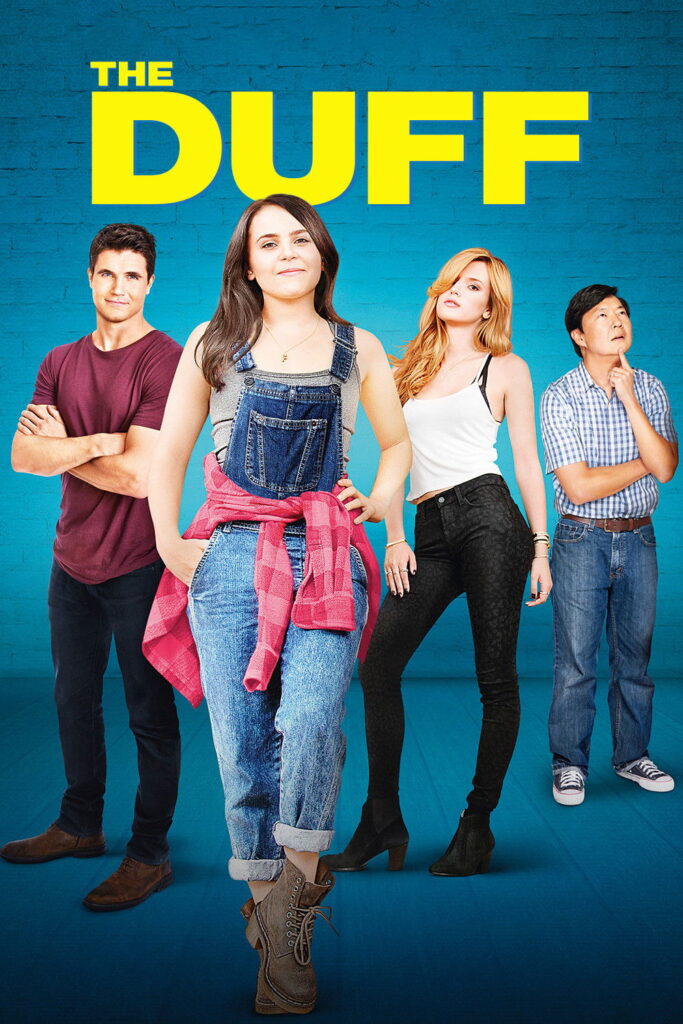
Synopsis:
Bianca's world is turned upside down when she discovers that her high school classmates refer to her as a DUFF—Designated Ugly Fat Friend. Determined to shed this humiliating label, she enlists the help of Wesley Rush, a charming jock, and her favorite teacher, Mr. Fillmore, to reinvent herself. Together, they navigate the challenges of high school social hierarchies while confronting Madison Morgan, the school's mean girl. Through this journey of self-discovery, Bianca learns an important lesson about identity and acceptance: everyone is someone's DUFF, and that's perfectly okay. This teen-focused romantic comedy explores themes of friendship, self-esteem, and the courage it takes to embrace who you truly are, reminding viewers that labels don't define worth and that confidence comes from within rather than from others' perceptions.
Where To Watch: The DUFF
Parental Feedback
The DUFF delivers a fast-paced high school comedy with a lighthearted tone that balances humor with moments of self-discovery and friendship. Parents should expect contemporary teen humor, social media themes, and the typical challenges of navigating high school social hierarchies. The story maintains an upbeat energy throughout while addressing issues of self-esteem, labeling, and the importance of looking beyond superficial judgments in a way that keeps the mood accessible rather than overly heavy.
Why Kids Should Watch The DUFF
This high school comedy offers several positive takeaways for young viewers navigating their own social worlds.
The central message about self-acceptance is powerful, as Bianca learns that labels don't define her worth and that everyone has value regardless of how others perceive them. Her journey from insecurity to confidence provides an encouraging example for teens struggling with their own identity.
The story emphasizes the importance of genuine friendship over superficial popularity, showing how real connections matter more than social status. Bianca's relationships evolve as she learns to value authenticity and honesty in her interactions with others.
The narrative demonstrates personal growth through facing challenges head-on rather than avoiding them. Bianca actively works to change her situation and stands up for herself, modeling resilience and determination.
The film reinforces that kindness and understanding can come from unexpected places, as characters learn to see beyond first impressions and stereotypes. This encourages viewers to approach others with an open mind and recognize that people are more complex than their labels suggest.
Why Kids Shouldn't Watch The DUFF
Parents may want to consider several aspects before allowing younger viewers to watch.
The film centers on the concept of labeling and categorizing people based on appearance, which could be sensitive for teens already dealing with body image issues or social anxiety. The term "DUFF" itself focuses on physical appearance and social hierarchy in ways that might reinforce rather than challenge these concerns for some viewers.
High school social dynamics including mean girl behavior and public humiliation are prominent throughout the story. The antagonist Madison Morgan engages in cyberbullying and deliberate cruelty that could be distressing or triggering for young viewers who have experienced similar treatment.
The romantic subplot and social situations typical of teen comedies may include content that parents of younger children find premature. The PG-13 rating suggests material that requires parental guidance for pre-teens who may not be ready for certain themes or humor styles common in high school settings.
Verdict: Parent Approved
The DUFF earns approval for teens ready to engage with its self-acceptance message, though parents should preview for younger or more sensitive viewers.
What Parents Should Know About The DUFF
| Question | Answer |
|---|---|
| Does this Movie model positive behavior that my child can understand and repeat? | Yes, Bianca ultimately models self-acceptance, standing up to bullies, and valuing genuine friendships over popularity, though she makes mistakes along her journey. |
| Does this Movie include emotional moments my child might find confusing or intense? | Yes, scenes involving public humiliation, cyberbullying, and Bianca's initial devastation upon learning she's considered the "DUFF" could be emotionally intense for sensitive viewers. |
| Does this Movie show consequences for unkind or unsafe behavior? | Yes, the mean girl Madison faces social consequences for her bullying behavior, and characters who engage in hurtful actions experience appropriate repercussions. |
| Does this Movie reinforce helpful social skills like sharing, apologizing, or teamwork? | Yes, characters learn to apologize for their mistakes, work together to overcome challenges, and communicate honestly about their feelings and misunderstandings. |
| Will my child come away with any clear moral or message? | Yes, the central message is clear: everyone is someone's "DUFF" and that's okay—labels don't define your worth, and self-acceptance matters more than others' opinions. |
The Overall Sentiment From Parental Feedback
Parents generally appreciate The DUFF for its positive messages about self-acceptance and looking beyond labels, finding it an entertaining way to discuss social pressures with teens. Many note that while the premise involves potentially hurtful labeling, the ultimate message encourages viewers to embrace their authentic selves and reject superficial judgments. Some parents caution that the PG-13 content and high school setting make it most appropriate for older tweens and teens rather than younger children. The film's humor and relatable characters resonate with families looking for contemporary stories that address real social challenges teens face, though parents recommend watching together to discuss themes of bullying, self-image, and healthy relationships. Overall, feedback suggests the movie succeeds in delivering an uplifting message wrapped in an accessible, entertaining format that sparks meaningful conversations.
Official The DUFF Trailer
Why Kids Love The DUFF
Kids love watching Bianca navigate hilariously awkward situations as she discovers her unexpected label and decides to do something about it. The funny characters around her create constant comedy, from her charming jock helper Wesley to the over-the-top mean girl Madison who stirs up chaos at every turn.
The silly jokes fly fast as Bianca and Wesley team up in their unlikely partnership, turning everyday high school moments into laugh-out-loud scenes. Their smart problem-solving approach to tackling social drama keeps things entertaining, especially when they clash with Principal Buchanon and scheme with Mr. Fillmore.
Young viewers enjoy seeing Bianca prove herself by standing up to Madison's mean-girl antics and helping Wesley with his own challenges. The movie celebrates being unique and shows how making new friends can happen in the most unexpected ways, even with someone who seems totally different from you.
The comedy ramps up as Bianca works to fix the problem of her reputation, creating one funny mishap after another. Kids appreciate watching her help Wesley while he helps her, turning their whole school dynamic upside down with their bold plan to change how everyone sees them.