

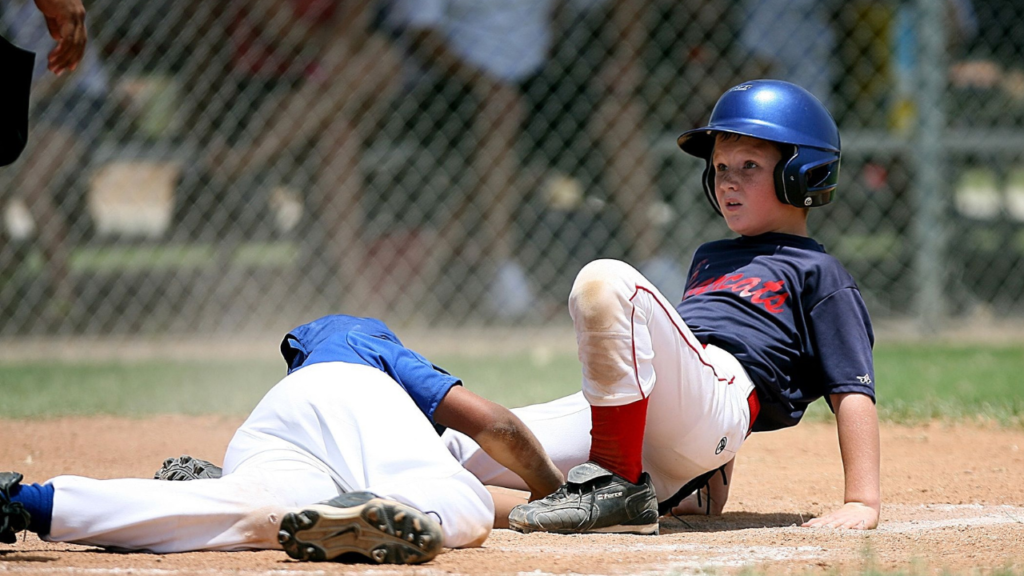
Ask most parents why they want their kids to play sports, and you’ll probably hear the same answers: exercise, friends, teamwork and confidence. A new survey suggests parents aren’t just repeating the usual talking points—most genuinely believe youth sports do more good than harm.
But there’s another side to the story. While organized sports can provide children with important physical, social and emotional benefits, they can also bring injuries, burnout, financial costs and pressure. So, are parents right about the benefits of youth sports?
Why Parents Think Youth Sports Are So Good for Kids
According to a new Associated Press/Ipsos survey, 89% of parents of children who play sports say the benefits outweigh the drawbacks. Parents particularly value the social and character-building aspects of athletics, with 98% saying sports help kids make friends and 97% citing lessons about hard work, commitment, teamwork and dealing with adversity.
Physical health is another major reason parents sign their children up. The survey found that 96% of sports parents believe youth sports improve physical fitness, while the same percentage said sports reduce the amount of time children spend on screens and technology.
Parents also see emotional benefits in watching their children participate. However, they aren’t blind to the potential problems: 78% identified burnout as a concern, 77% cited chronic injuries and 73% pointed to pressure from parents or coaches.
The Real Benefits of Youth Sports for Children
There is research behind many of those parental perceptions. The University of San Diego reports that youth sports can support children’s physical, psychological, social and academic development, including improved fitness and coordination, greater self-esteem and stronger social skills.
Sports may also help establish habits that continue into adulthood. One study highlighted by the university found that children who participated in sports between ages 9 and 18 were five to six times more likely to remain physically active as adults.
And youth sports aren’t necessarily about creating future professional athletes. As the University of San Diego puts it, “winning feels good, but youth sports is about so much more than that.” Teamwork, communication, confidence and character development can all be part of the experience.
When Kids’ Sports Stop Being Fun
The benefits can come with a price, particularly when recreational sports become highly competitive. Maclean’s examines how youth athletics have evolved into increasingly expensive and time-consuming commitments, with some families investing heavily in specialized programs, equipment, travel and additional training.
That intensity can also change how children experience the game. Pressure to make a team, earn playing time, avoid being cut or satisfy parents and coaches can turn an activity children once enjoyed into a source of stress.
For parents, that doesn’t necessarily mean pulling kids out of sports. It may mean paying attention to whether the activity is still enjoyable and age-appropriate. As Maclean’s describes the trend, youth sports can end up “draining bank accounts, commandeering schedules and reshaping childhoods.”

