Parents planning a night out in 2026 are facing higher babysitting costs than ever, according to new data from UrbanSitter’s babysitting rates report. The nationwide platform, which connects families with vetted babysitters and nannies, compiles its annual rate analysis using real booking data from cities across the country.
UrbanSitter, founded in 2010, allows parents to search, book, and pay sitters online while comparing local rates. Its latest report shows the national average hourly rate for one child has climbed to $26.24, with care for two children averaging $29.87 per hour. That represents roughly a 5% increase over last year, continuing a steady upward trend.
Babysitting Costs Vary Widely by City
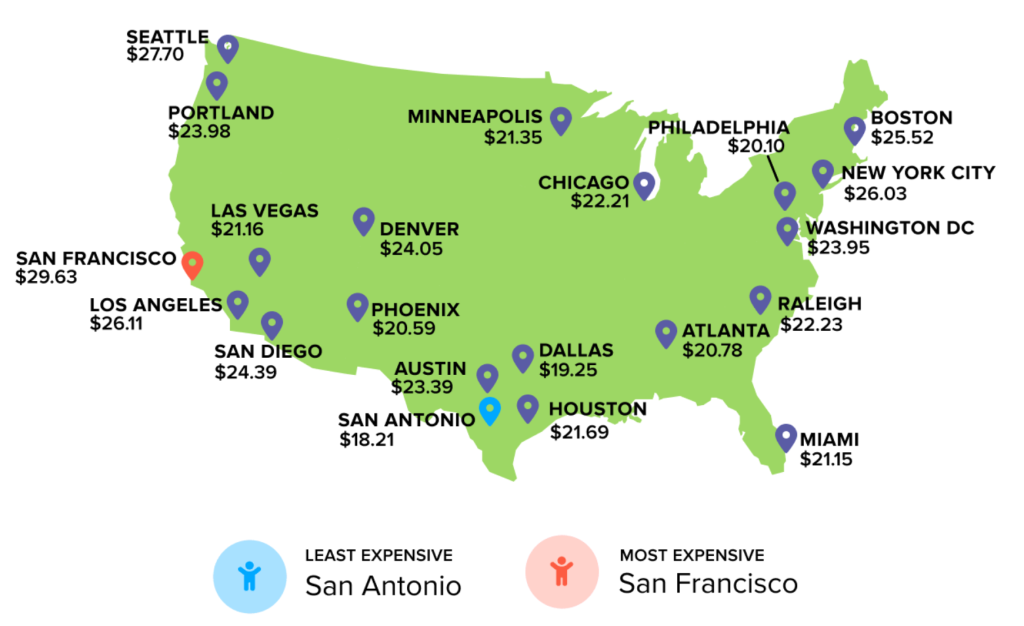
While the national average gives parents a helpful starting point, what families actually pay depends heavily on where they live. In high-cost metro areas, particularly in California, Washington, and Hawaii, babysitting rates consistently land well above the national figure. In contrast, parts of Texas and the Midwest remain more affordable overall, even though prices there have also ticked up year over year.
The spread is significant. In San Francisco, parents are paying an average of $29.63 per hour for one child and $33.70 for two, the highest among the cities surveyed. Seattle ($27.70 for one child, $30.79 for two) and Honolulu ($27.22 and $29.38) follow closely behind.
Compare that to San Antonio, where the average sits at $18.21 for one child and $21.94 for two, or Dallas/Ft. Worth at $19.25 and $22.58. Even neighboring regions show noticeable differences. New York City averages $26.03 per hour for one child, slightly higher than North Jersey at $25.38. In Reno-Tahoe, the jump from one child to two is especially steep, rising from $23.90 to $30.50 per hour.
The pattern is clear: babysitting costs aren’t just rising nationally — they closely reflect local economic realities. Minimum wage increases, higher living costs, strong demand for flexible care, and growing expectations around certifications and experience all play a role in shaping what families ultimately pay.
Urbansitter also notes that some babysitters are willing to provide discounted flat rate fees for longer periods of time, including full day and overnight rates, all the way through a 5 day rate that is still costly at an average of $2600.
A Growing Line Item in Family Budgets

For families with more than one child, the math adds up quickly. A three-hour evening booking at the current national average for two children approaches $90 before tips or added responsibilities. For parents juggling multiple activities, appointments, or work obligations, occasional care can become a recurring expense.
When deciding how much to pay a babysitter, families should look beyond city averages and consider factors like location, number of children, added responsibilities, and the sitter’s experience or certifications. Transportation costs, additional expenses, and any specialized care needs can also influence the final hourly rate.
UrbanSitter’s report reflects broader child care pressures nationwide, where affordability remains a concern for many households. As formal child care options remain limited in some areas, more families are relying on part-time sitters — increasing competition and pushing rates higher.
The takeaway for parents is clear: babysitting costs in 2026 are no longer minor incidentals. Checking local averages and planning ahead may help families better anticipate what care will realistically cost in their area.