

Your kids are stressed, but if you as a parent are feeling the back-to-school panic, you’re not alone.
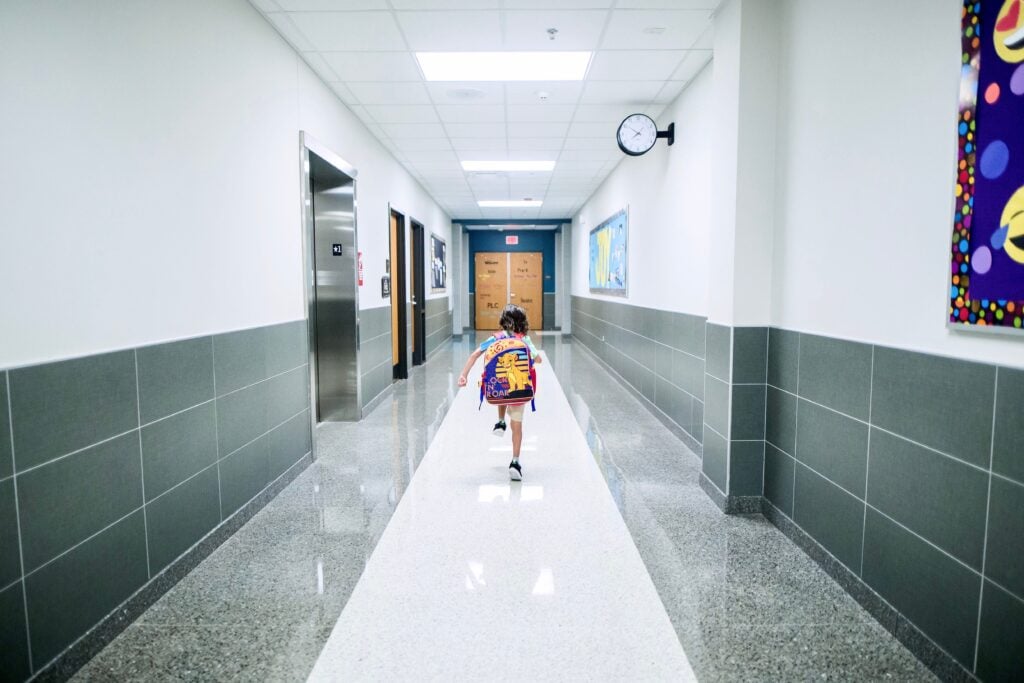
For many children, returning to school means excitement mixed with nervousness. New teachers, classmates, routines, academic expectations and separation from parents can all create anxiety, which may show up as physical complaints rather than a child simply saying, “I’m worried.”
The Child Mind Institute notes that school anxiety can produce headaches and stomachaches, particularly in the morning, and that repeated symptoms deserve attention rather than being dismissed as excuses to stay home. Parents should distinguish ordinary first-day jitters from anxiety that interferes with a child’s ability to attend or function at school.
Research on returning to school also highlights the importance of the parent-child relationship during stressful transitions. Anxiety can affect both children and parents, creating a cycle in which a worried child picks up on a parent’s fears, while the parent’s concern increases when the child struggles with separation or school attendance.
Parents Can Feel the Pressure, Too
Back-to-school anxiety isn’t exclusively a childhood problem. A Children’s Mental Health Ontario survey found that 90% of parents reported experiencing stress and worries about the start of the school year, with 64% saying they were “extremely” worried.
Parents may worry about whether their children will make friends, succeed academically, handle bullying, adjust to a new school or cope with changing routines. Those concerns can become especially intense when parents remember their own difficult school experiences or feel responsible for making the transition perfect.
The danger is that parental anxiety can unintentionally become contagious. Children often look to their parents for cues about whether an unfamiliar situation is safe, so projecting confidence while still acknowledging legitimate concerns can help prevent ordinary nervousness from becoming overwhelming fear.
Helping Kids Through the Transition
Parents should start by listening rather than immediately solving the problem. Ask what specifically worries the child—friends, teachers, homework, separation, getting lost or something else—and give them room to explain without minimizing their feelings.
Western Mass News recommends watching for warning signs including low self-esteem, nightmares, stomachaches, migraines and avoidance. Jasmine Jones also encourages parents to support children’s independence and reminds families that “support and communication can help students manage back-to-school nerves.”
Preparation can make the unknown feel manageable: gradually restore school-year bedtimes, practice the morning routine, visit the school if possible and let children make reasonable choices about clothes, lunches or supplies. Most importantly, parents should remain calm, supportive and consistent—and seek help from a pediatrician, school counselor or mental-health professional if anxiety becomes persistent or starts interfering with everyday life.

