

Bullying Can Leave Lasting Scars
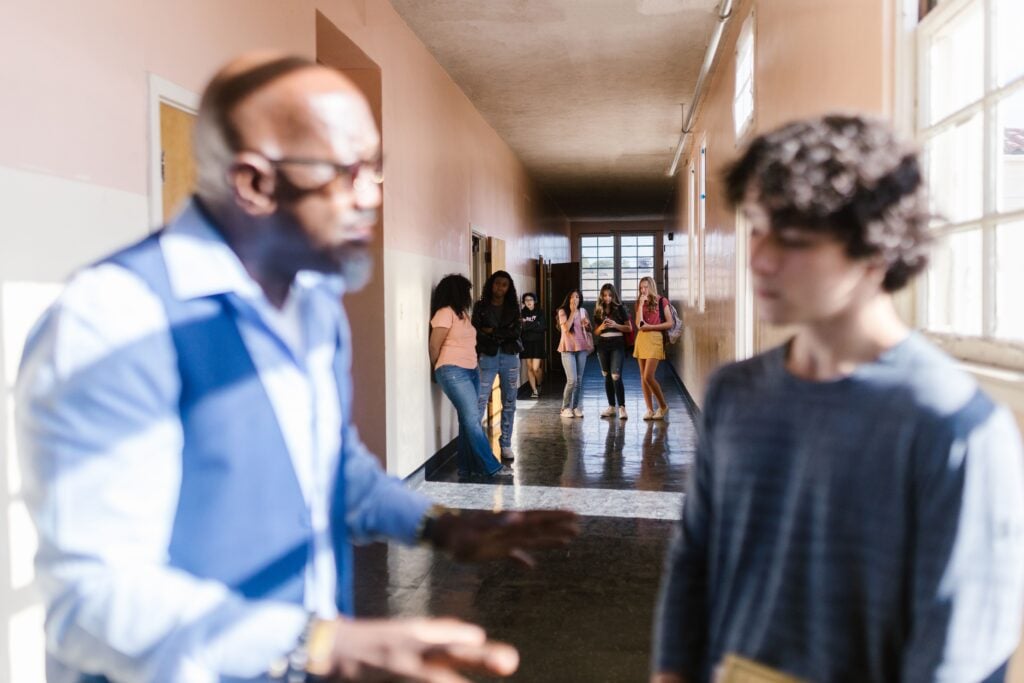
Few things are more upsetting for a parent than learning that their child is being bullied. Bullying can involve physical aggression, threats, insults, social exclusion or humiliation, and its effects can extend well beyond the school day.
Research has linked childhood bullying with emotional and psychological difficulties, including anxiety, depression and problems with social relationships. A study published in the Journal of Youth and Adolescence found that the relationship between bullying victimization and later adjustment can be particularly complicated when children also experience difficulties with their peers.
The temptation to intervene personally is understandable, especially when a child comes home frightened or upset. But an angry confrontation can potentially make the situation worse, particularly if the bully retaliates against the child afterward.
Should Parents Confront the Bully?
A viral story highlighted the dilemma when a father confronted the child he believed was bullying his daughter. While the father’s actions generated plenty of sympathy online, the story also illustrates why emotionally charged confrontations are risky: parents don’t necessarily know everything happening between the children.
Parents generally shouldn’t approach another child themselves to threaten, intimidate or punish them. The same goes for heated confrontations with the other child’s parents, which can turn a school problem into a conflict between adults.
Psychology Today recommends focusing on strategies that give children support while addressing the behavior through appropriate channels. Rather than trying to “win” a confrontation, parents should work with the school and help their child develop practical ways to respond.
What Parents Can Do
The first step is to listen carefully and document what is happening. Ask your child what happened, who was involved, where it occurred and whether there were witnesses, while keeping records of messages, incidents and dates if the bullying happens online or repeatedly.
Parents should then contact the school and calmly present the information rather than demanding that someone be punished immediately. Parents should work collaboratively with educators and avoid making the child feel responsible for solving the problem alone.
Parents should also watch for changes in sleep, appetite, mood, school attendance, friendships or academic performance. A child who suddenly becomes withdrawn, frequently complains of physical symptoms, refuses school or expresses hopelessness needs additional support from a pediatrician or mental-health professional.
Most importantly, children need to hear that being bullied isn’t their fault. The strongest parental response isn’t necessarily the loudest one—it is the response that makes the child feel safe while creating a clear plan for stopping the behavior.

