

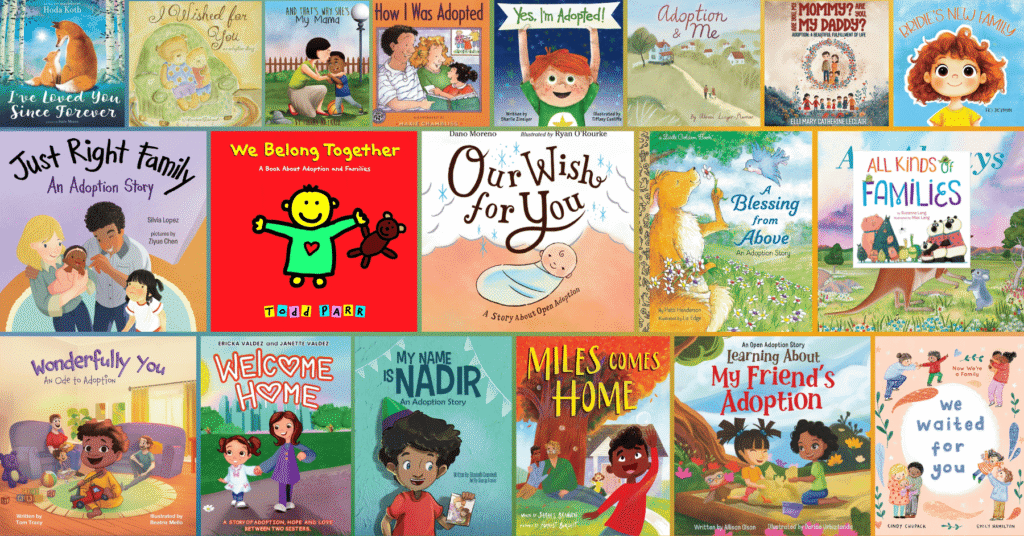
Children’s Books About Adoption can be a meaningful resource for families going through change, whether a child is joining the family or a sibling is learning what that transition looks like. These stories give children a shared way to talk about belonging, love, and family growth without pressure. Reading together, especially one-on-one, creates a safe space for kids to ask questions, name their feelings, and feel reassured that their family is growing in a thoughtful and loving way.
For children who are adopted, these stories help normalize their experiences and reinforce that they are wanted and secure. For kids welcoming a new sibling, the same books can ease confusion or worry by showing that love does not get divided when a family grows.
Children’s books about adoption also provide parents with a natural starting point for conversations that can be difficult to begin. Through familiar characters and age-appropriate storytelling, children can explore ideas such as trust, patience, and attachment at their own pace. At the same time, parents gain language that helps guide those conversations with confidence and care.
Whether your family is welcoming a child through adoption or helping siblings adjust to a new family dynamic, I’ve included a collection of books for children ages 2 to 9. Along with a quick synopsis for each book, I’ve also included the specific lessons that each book teaches.
I’ve Loved You Since Forever By Hoda Kotb
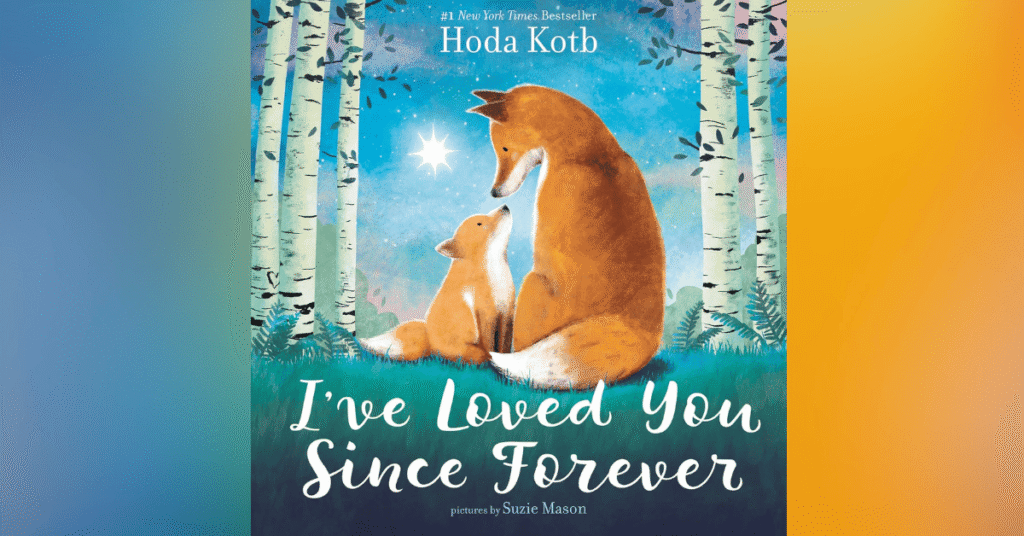
I’ve Loved You Since Forever is a tender, lyrical celebration of the unbreakable bond between parent and child. Inspired by Hoda Kotb’s deeply personal journey into motherhood through adoption, this story speaks to a love that predates the first embrace. The story’s poetic verses begin by showing how two souls (a parent and a child) are destined to meet. The souls are depicted as two stars in the sky that move closer together as the story progresses. A mother and child appear as silhouettes against the night sky at the end of the story.
What “I’ve Loved You Since Forever” Teaches Kids About Adoption: Parent–child bonds are powerful because they are built on love and commitment from the parent and reverence and admiration from the child. Caregivers showing up daily with patience validate children’s feelings. These connections extend beyond biology and grow stronger through shared moments between the child and their new caregiver. Adoption brings a parent and child who need each other into a strong family bond they would never have had otherwise.
Recommended Ages: 2-6
Adoption & Me: A Bedtime Story to Help Young Children Understand the Concept Of Adoption By Alexei Linger-Kumar
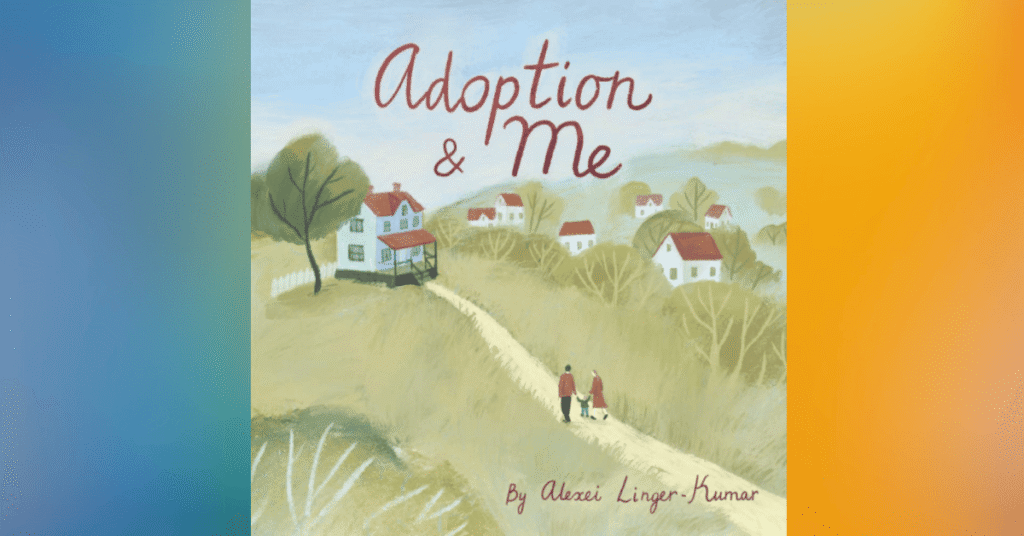
Alexei uses his unique adoption story, adapted into a colorful format, to help children learn how he came to his adoptive family. The child in the story asks why his adoptive parents are not their biological ones. The best part is how the parents in the story inform their adoptive child of all the loving and caring actions they will take, such as reading him bedtime stories and tucking him in at night. The adoptive caregivers in the story remind their child that they will always be there for him, even though they aren’t his biological parents.
What “Adoption & Me: A Bedtime Story to Help Young Children Understand the Concept of Adoption” Teaches Kids About Adoption: It takes a responsible adult who is full of love and willing to invest in an adoptive child’s life. Despite children still having questions about their biological parentage, they can learn that families come from unique bonds that go beyond blood relations. Adoptive parents demonstrate this loving investment through consistency and patience in caring for their children daily. A willingness and commitment to raise a child in need are powerful expressions of love in adoptive stories that transcend genetic ties.
Recommended Ages: 3-7
Adoption: A Beautiful Fulfillment Of Life By Elli Mary Catherine Leclair
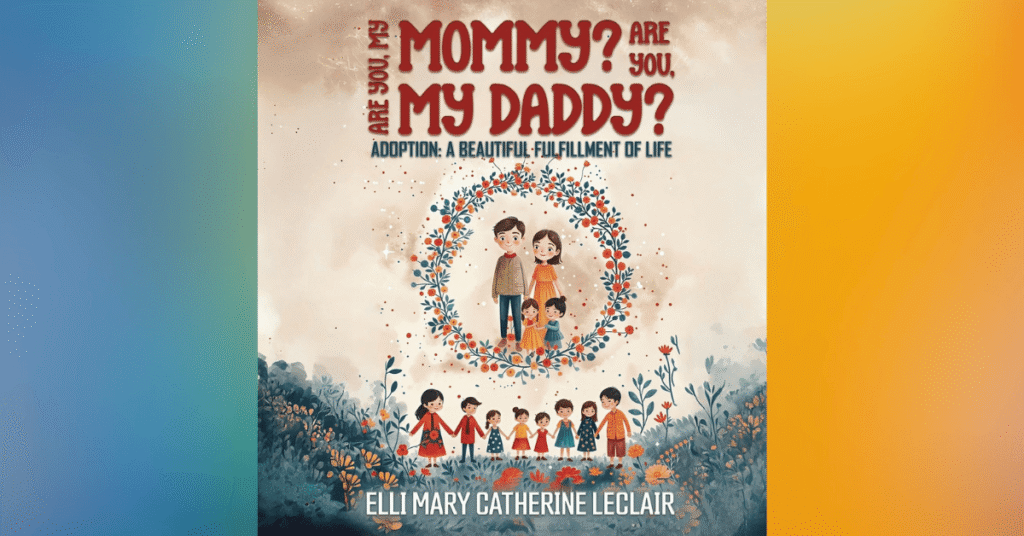
This unique adoption book goes beyond storytelling: it is a dialogue between the parent and the newly adopted child. The adopted children ask their caregivers if they are their biological parents. The parents state that they are their child’s mother and father because of their decision to adopt them. This work shows the unique struggles that come with adopting a new child, including siblings getting used to them and the adoptive child asking their new parents many questions.
What “Are You My Mommy? Are You My Daddy? Adoption: A Beautiful Fulfillment Of Life” Teaches Kids About Adoption: Adoptive children shouldn’t be afraid to ask their new parents questions. Living in a whole new environment comes with a mix of excitement, anxiety, happiness, and frustration. The child may be thankful for a new, adoptive loving family while missing their biological members if they were old enough to remember them before being separated. Youth can learn the emotional adjustments necessary when living with an adoptive family for the first time.
Recommended Ages: 3-7
Yes, I’m Adopted By Sharlie Zinniger
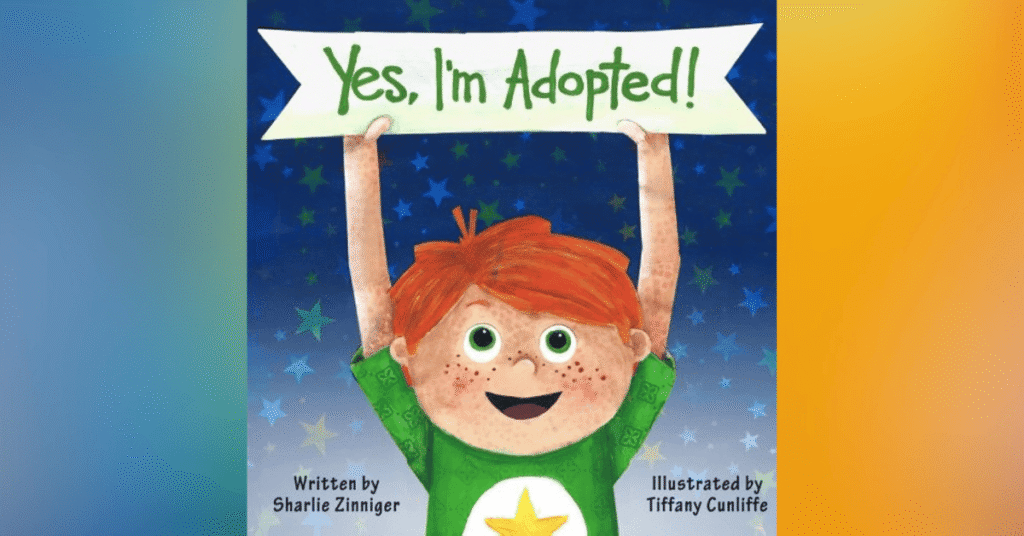
A ginger-haired boy narrates the story, discussing how special he feels despite being told he is different. He touches on how he doesn’t have his adoptive parents’ biological features. However, he appreciates the time his parents spend with him, including meals and various activities. He notes that parents will travel long distances by various modes of transportation to bring their child home for the first time. His adoptive parents met his biological mother when he was first born and he was adopted immediately into their family. The young boy embraces his adoption story as a key part of who he is.
What “Yes, I’m Adopted” Teaches Kids About Adoption: An adoption story should be widely celebrated. Over 400,000 children are in America’s foster system without a family to call their own. Families grow in many ways, including through the adoption of a child who truly needs a home. Newly adopted kids and those transitioning from the foster system soon can learn they have a valid identity. With patience and faith, they can secure a place in a family unit when the right members choose them.
Recommended Ages: 4-7
How I Was Adopted By Joanna Cole

Sam looks at old photos with her adoptive parents and narrates to readers how she was adopted. The story highlights the birthing process, how Sam’s mother put her up for adoption, and how her adoptive parents found her and brought her home. Ultimately, Sam invites readers to reflect on their adoption stories and on how far they’ve come. This interactive feature is an awesome conversation starter for adoptive children and parents to discuss their story.
What “How I Was Adopted” Teaches Kids About Adoption: Children should embrace their roots as they learn their origin story. They can build their new identity with help from their adoptive family. It’s okay to hold space in their hearts for the new beginnings with their adoptive family while coming to terms with why they may not have as strong ties with their biological family members anymore.
Recommended Ages: 4-8
And That’s Why She’s My Mama By Tara Nazario
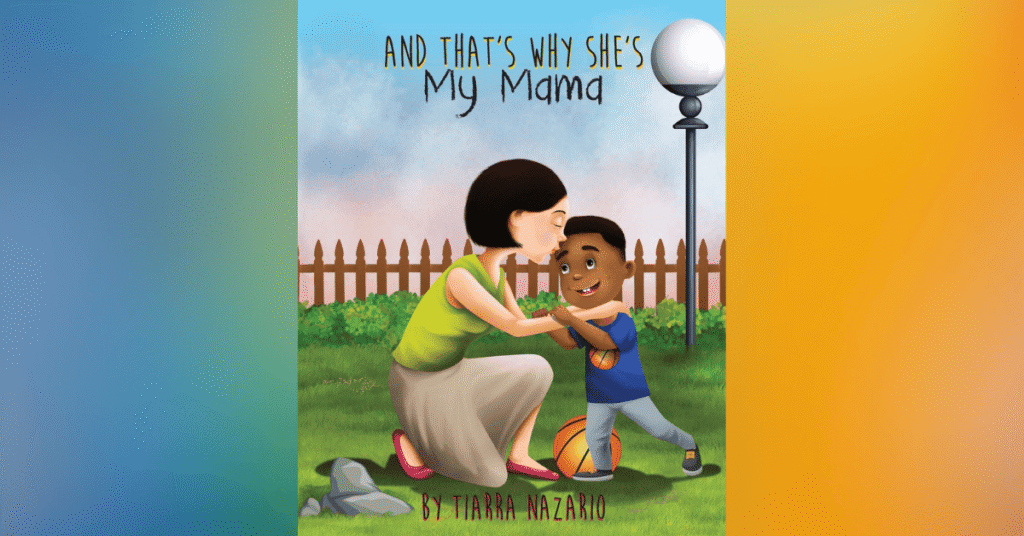
I appreciate the representation showcased on the cover of And That’s Why She’s My Mama. Adopted children and their parents are bound together by personality and interaction, not by culture or skin tone. The male child narrates the story with a youthful charm, explaining why his adoptive mother is his mama. Even though she didn’t carry him through a pregnancy, she loves him as her own. They have special shared experiences at the park and enjoy their favorite foods.
What “And That’s Why She’s My Mama” Teaches Kids About Adoption: A true parent nurtures, guides, and engages with their child. It doesn’t matter if they are biological or adopted because true parental love comes from a commitment to protect and guide their child. Shared experience and emotional consistency build a strong foundation for adoptive families. My three biological children are 7, 4, and 2.5. As my circumstances change, I would love to adopt a child to expand the love in my home and teach my kids the importance of the long term.
Recommended Ages: 3-7
I Wished For You: An Adoption Story By Marianne Richmond
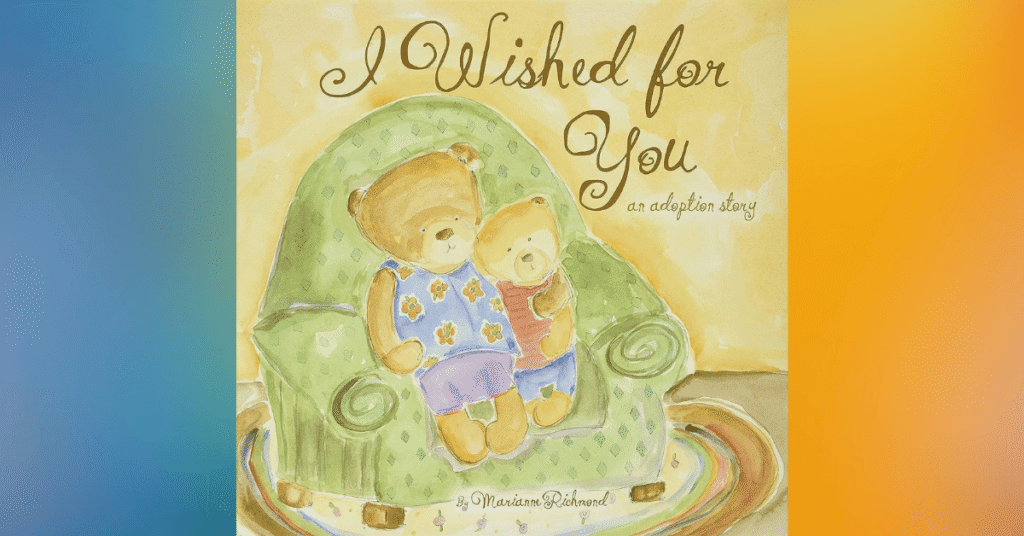
Barley is an endearing baby bear who asks his adoptive Mama how her wish came true of having him in her life. The lovely story blossoms through soft watercolor illustrations, capturing young readers’ attention while making parents smile at every page turn. Mama answers all of Barley’s questions with patience, honesty, and captivating storytelling. Barley feels special and valued each time Mama tells the story, which is why she doesn’t mind telling it repeatedly.
What “I Wished For You: An Adoption Story” Teaches Kids About Adoption: Adoptive parents wish for a child to love and guide as they work hard to prepare for their new family member. The timing and circumstances align to bring an adoptive parent and child together. Children can discover from this book that they are wanted and cherished, and that they are definitely worth the wait their adoptive parents endured.
Recommended Ages: 2-6
We Waited For You: Now We’re A Family By Cindy Chupack
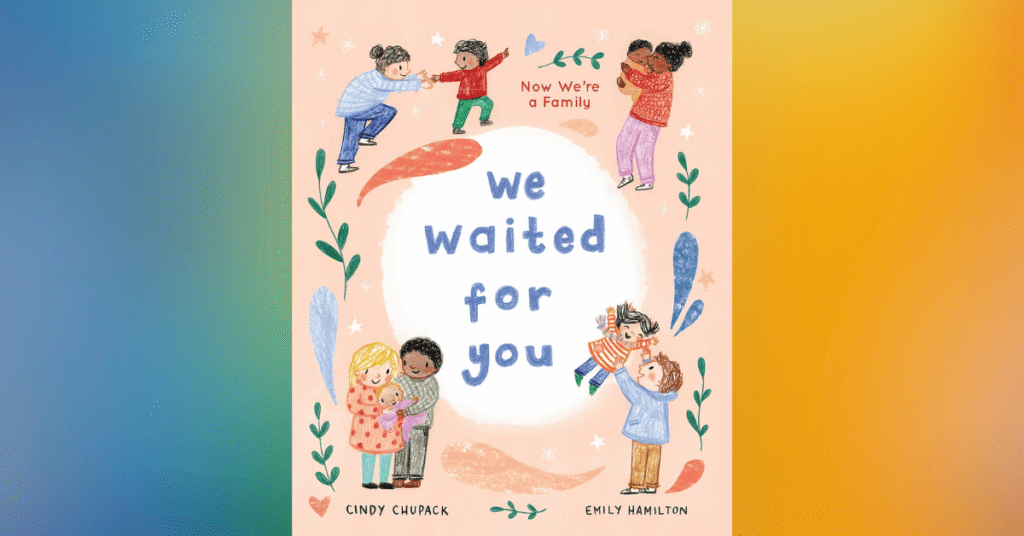
The whimsical rhymes resonate with parents worldwide, showcasing the many feelings that come with adoption. The parents in the story felt sad that other adults and animals had babies while they did not. The book’s rhymes highlight how special a child is to their parent at birth or adoption. It doesn’t strictly depict an adoption situation, but the message of a parent and child uniting in a special bond is universally understood. The parents wish, cry, and dream about their desired adoptive child. The musical prose shows that love for that or a child exists no matter what stage they enter a parent’s life.
What “We Waited For You: Now We’re A Family” Teaches Kids About Adoption: Children are wanted and loved by someone long before their arrival into the world or to a new family. Even if their biological parents cannot care for them, adoptive parents have been dreaming of them. They consider the emotions they will experience when their goal is achieved. A child waiting on an adoptive family should hold on to the hope that someone is out there for them and that they will find the love they crave and deserve in due time.
Recommended Ages: 2-6
A Is For Always: An Adoption Alphabet By Linda Cutting
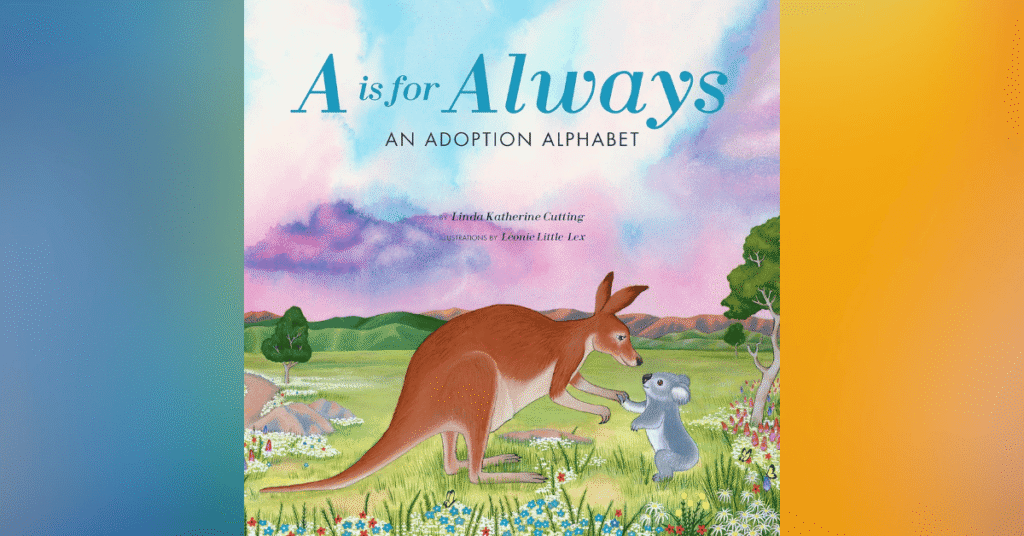
The adoption alphabet story highlights a noun, verb, or other impactful word that conveys the love and duty adoptive parents show their children. The animals in the book that adopt other species as their young show how families differ in appearance and personality. The letters F and M for father and mother show how these parents can contribute to their adoptive child’s growth.
What “A Is For Always: An Adoption Alphabet” Teaches Kids About Adoption: Family is who you surround yourself with the most. Adoptive children learn to form new bonds with their caregivers. Reading this book teaches kids the wonderful traits their adoptive parents have as they care for them daily. Diversity and inclusion happen across many adoption stories. It is important to stay open-minded and respectful of others, regardless of their background. It doesn’t matter how the family looks, but how much love they share.
Recommended Ages: 2-5
A Blessing From Above: An Adoption Story By Patti Henderson
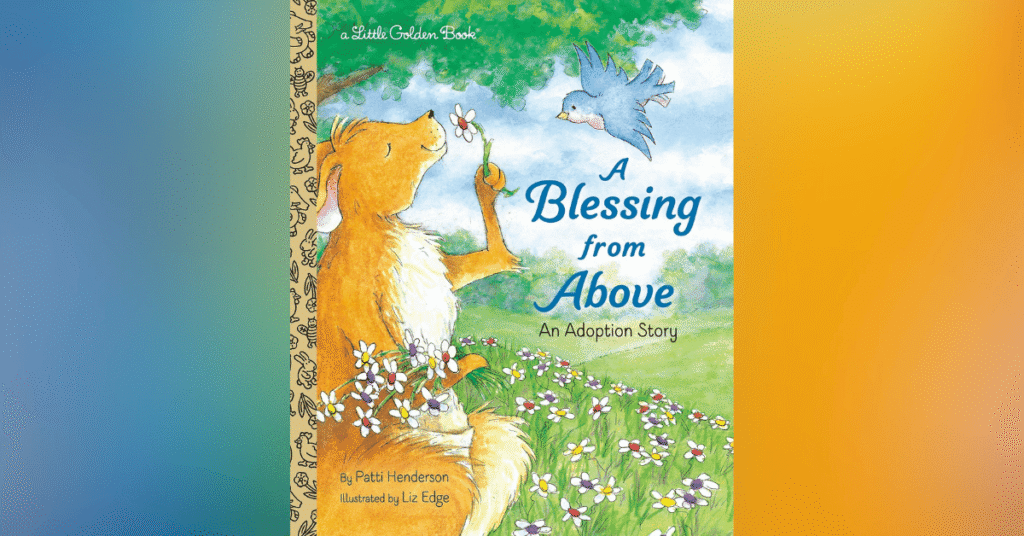
A kangaroo adopts a baby bluebird in this awe-inspiring family tale. Momma-Roo wishes for a little one of her own at the beginning of the story. Her wish comes true when she sees a baby bluebird alone in a nest high up in a tree. She welcomes the little one with open arms, and they do everything together, from sharing grass and berries to sleeping side-by-side.
What “A Blessing From Above: An Adoption Story” Teaches Kids About Adoption: An adoptive parent meeting a child in need causes a monumental shift, making the parent ready to do everything for the child. It’s as if destiny crosses their paths to put them together at that exact moment. Love can form instantly between an adoptive parent and child, and grow through protection, care, and shared life experiences.
Recommended Ages: 3-6
We Belong Together: A Book About Adoption And Families By Todd Parr
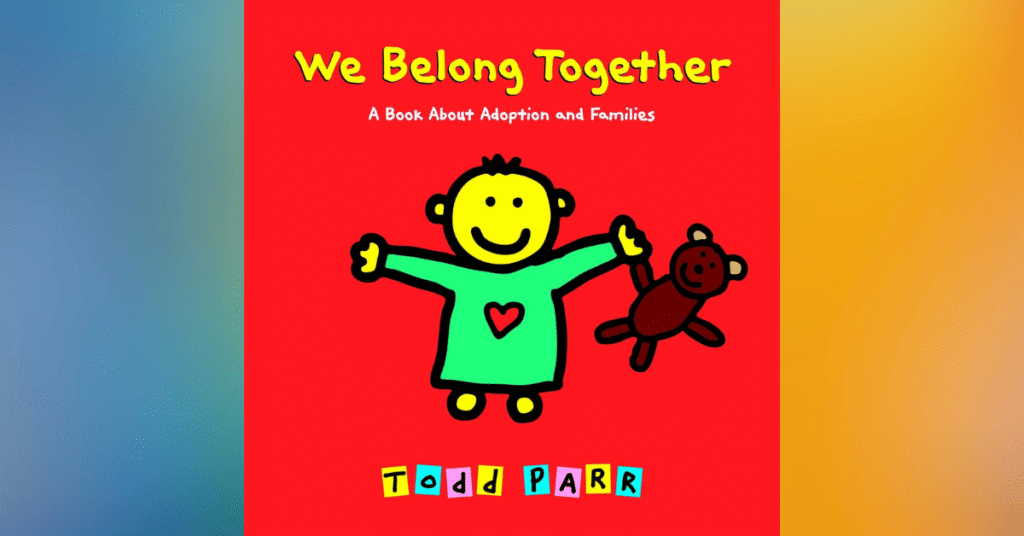
The classic Todd Parr rainbow illustrations accompany text explaining why the family in the story, formed through adoption, belongs together. The parents and child belong together because they need each other, and want a family to explore the world. There’s a sub-theme of adopting a pet in the middle of the story, after the story touches on parents welcoming a child into their family. Parr’s work demonstrates how strong dedication improves outcomes for youth in need.
What “We Belong Together: A Book About Adoption And Families” Teaches Kids About Adoption: There is no “correct way” to form a family. Adoption brings together individuals who need each other most. A parent who desires to raise a child may not be able to biologically have one of their own for whatever reason. A child gets placed in the foster system for an array of reasons because their previous home wasn’t in their best interests. Adoptive parents work hard to create a positive environment with the necessary resources to care for children in need.
Recommended Ages: 2-6
All Kinds Of Families By Suzanne Lang
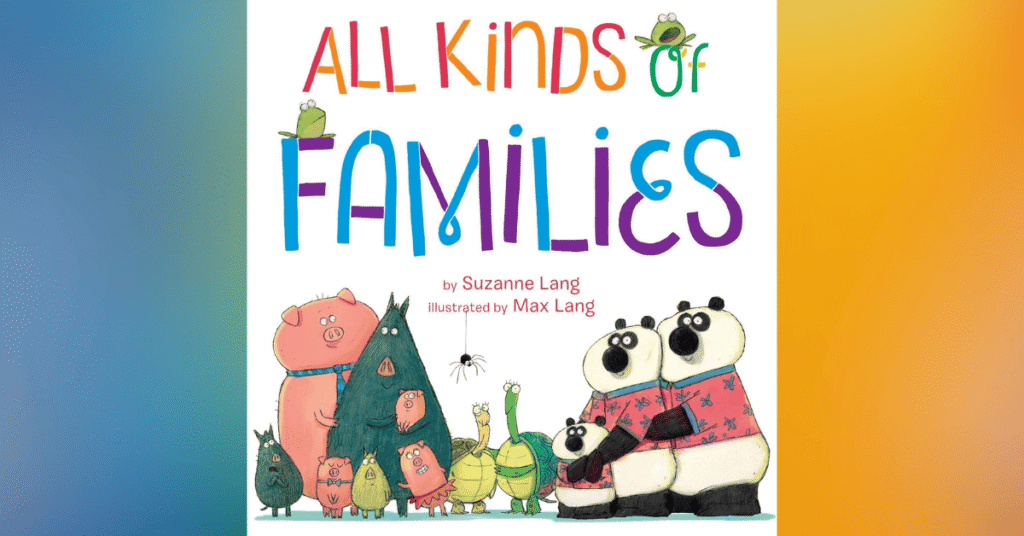
A family doesn’t have the same makeup as others do. The delightfully drawn critters accompany this witty and fun story about how families can be different. Some animals are shown with two mothers or two fathers instead of a mother. The author compares and contrasts families based on the number of siblings and pets. Some of the animal families in the book are formed through adoption or marriage into blended families, where stepchildren gain new siblings.
What “All Kinds Of Families” Teaches Kids About Adoption: Adopted children are one unique way a family forms. Kids can build confidence and feel proud of their adoption story by reading this tale about different family structures. Celebrating differences demonstrates that families reinforce care and belonging, regardless of where their members have come from.
Our Wish For You: A Story About Open Adoption By Dano Moreno
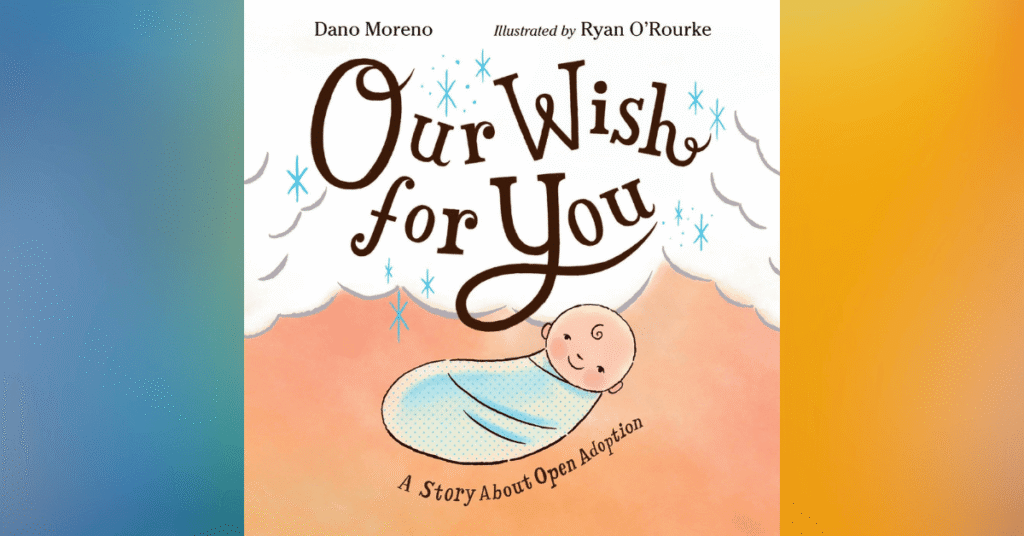
Children’s books about adoption are usually from the perspective of the family welcoming a new adoptive child or the little one in the foster system. This open adoption story is notable because it examines the perspective of a biological mother who chooses two fathers to adopt her newborn son. She gets to watch the child grow up with his adoptive fathers while maintaining a relationship with her son. The author draws on his experience adopting his son with his husband to craft a delightful, relatable story that families can share.
What “Our Wish For You: A Story About Open Adoption” Teaches Kids About Adoption: Not all adoption stories end with the biological parents entirely out of the picture. Open adoption shows that responsible adults can help raise a child with their best interests at heart. Biological parents can still maintain visitation rights with their adopted child to watch them grow, even if they aren’t equipped to take care of them directly. Adoptive parents are the main layer of love, protection, and guidance on a daily basis for their youth, while their visiting biological parent still offers support in different ways.
Recommended Ages: 3-7
Just Right Family: An Adoption Story By Silvia Lopez
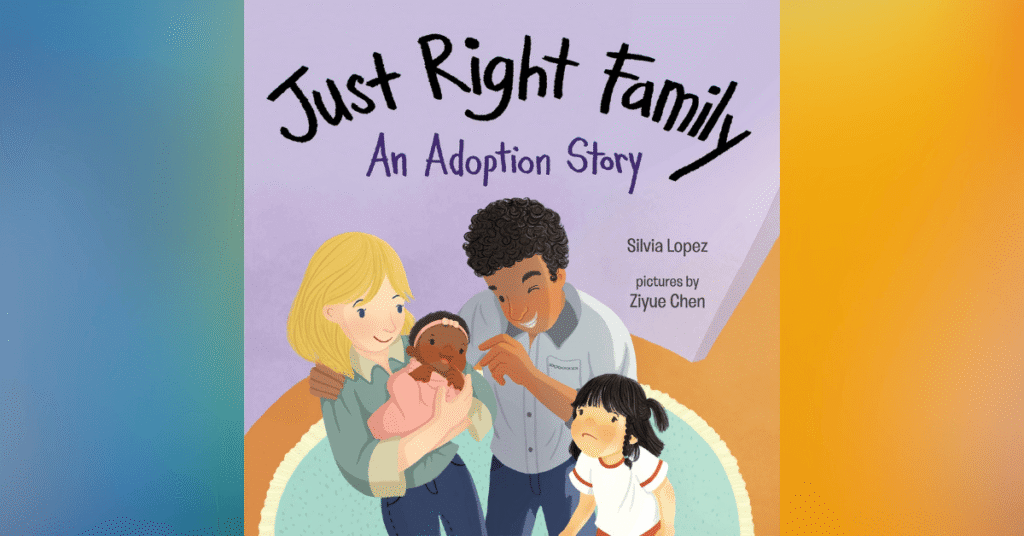
Meili is a little girl from China who was adopted into her family. She loves all the activities she gets to do with her parents, like swinging at the park, visiting the geese at the pond, and picking out library books. She is displeased to learn that her parents are now adopting a Haitian baby. Meili prefers a dog to a new baby because she wants all the attention for herself. She starts to feel left out, wondering why they needed a new member when their family was already just right. Her parents are away for a week to bring her a new sibling from Haiti, and she is staying with her grandmother. Meili learns the value of being a big sister and how her parents love both her and her younger sister.
What “Just Right Family: An Adoption Story” Teaches Kids About Adoption: Love isn’t divided among children when a new member is adopted; it only multiplies. It’s normal for the first child to feel jealousy and uncertainty as a new kid enters the home. Welcoming siblings doesn’t replace a bond the first child already has with their parents. Parents have enough love and care to share with all their children. The first child can learn empathy, kindness, and compassion as they assimilate into their role as the older sibling.
Recommended Ages: 4-8
I’m Adopted: A Positive Explanation Of Adoption By Scott Howcroft & Sean Hale
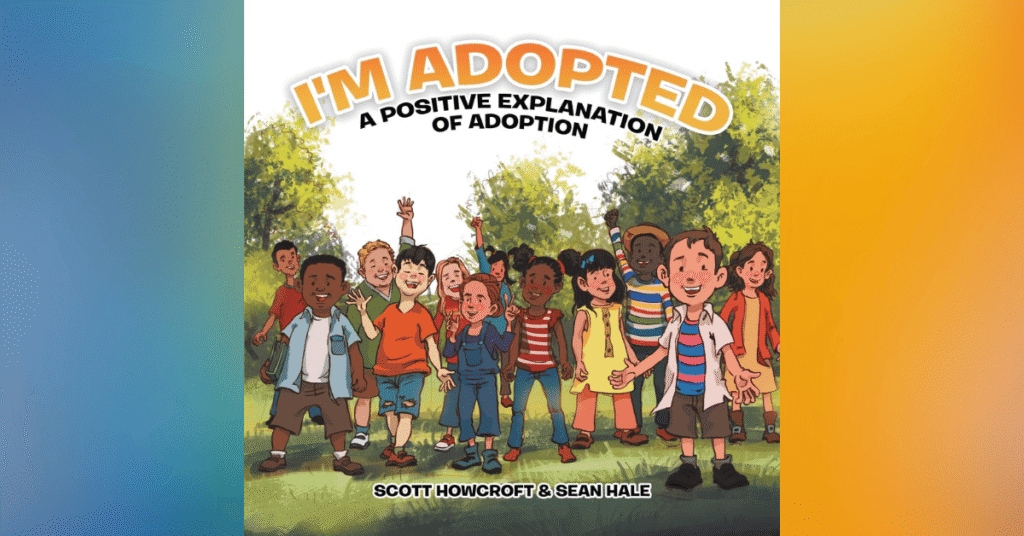
The book cover featuring multiple happy young children sets the tone for the diversity and representation showcased in this adoption story. The book presents different family structures, including single-parent and blended families, to show that not all families are the same. The young narrator, early in the book, explains why biological parents can’t care for their children. He says his adoptive parents had to read many books and answer questions at the adoption agency to be able to have him as their child.
What “I’m Adopted: A Positive Explanation Of Adoption” Teaches Kids About Adoption: Children can be proud of their adoption story and celebrate it with their family, friends, teachers, and mentors. Learning about different family structures helps children embrace their adoption roots rather than be confused or shamed. Young readers can build a positive identity by reframing their adoption story as a blessing.
Recommended Ages: 4-7
Bridie’s New Family By Flo Jackman
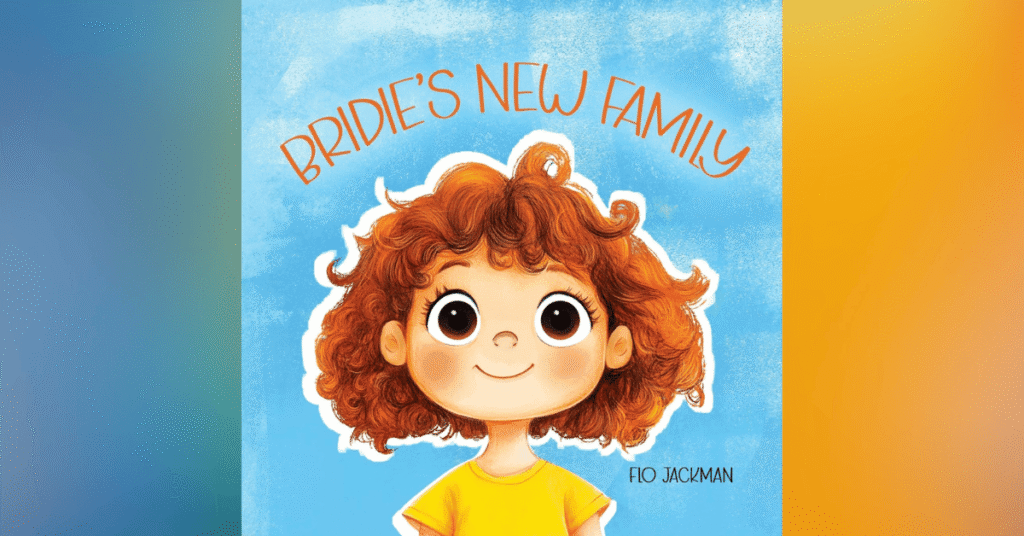
An adoptive mother wrote this book to help her daughter feel loved and reassured with her new family. This is the first installment of a series Jackman released in October 2025 to help other adoptive families help their children feel special and cared for. Each page highlights Bridie’s uncertainty and how it transitions into trust and love for her new family. Bridie learns that she belongs with her new family and can trust them to provide everything she needs to grow and be happy.
What “Bridie’s New Family” Teaches Kids About Adoption: Transitioning to a new family has its challenges, from learning new routines to building trust with new caregivers. Adoptive children experience a whirlwind of change that triggers fear and uncertainty. Love between adoptive parents and children doesn’t have to be immediate to be real. Feeling safe and truly at home will develop over time.
Recommended Ages: 3-6
Home: An Adoption Story By K. Langford
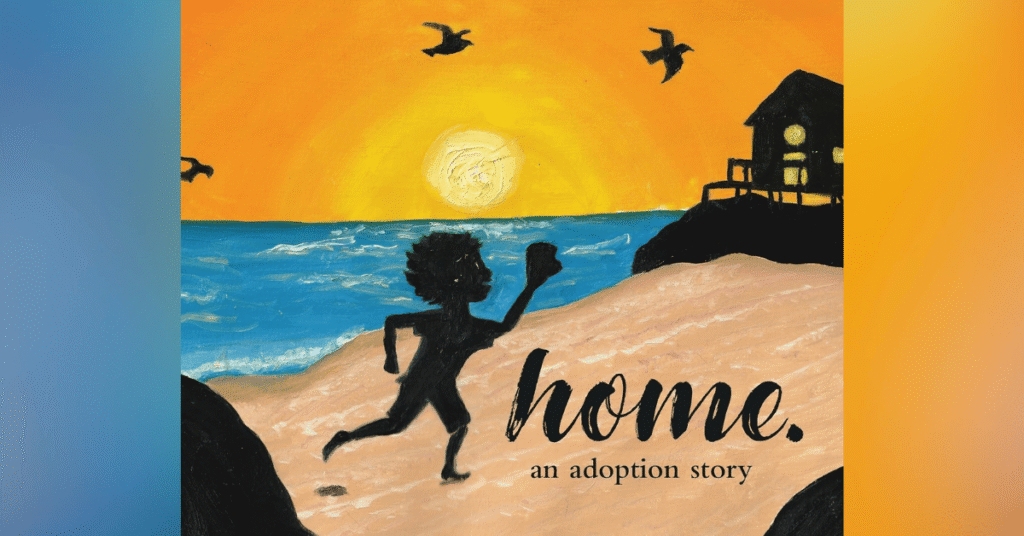
Langford explores adoption through a unique concept. Rather than humans or animal characters adopting each other, a young child adopts a seashell. Nelle the seashell narrates the story. His spirits are tarnished after many beach storms, and he wonders what lies ahead for him. However, his journey with the young child offers a new perspective on life, as he leaves the hurt behind and builds hope for the future.
What “Home: An Adoption Story” Teaches Kids About Adoption: Children in the foster system endure challenges as they transition from foster homes into an adoptive family. They can find renewed purpose in their lives rather than letting the complex situation they came from define their identity. This mindset shift can be difficult for younger children to achieve. However, focusing on the present comfort rather than the past hurt can help the healing process as a child enters an adoptive family.
Recommended Ages: 4-7
Learning About My Friend’s Adoption By Allison Olson
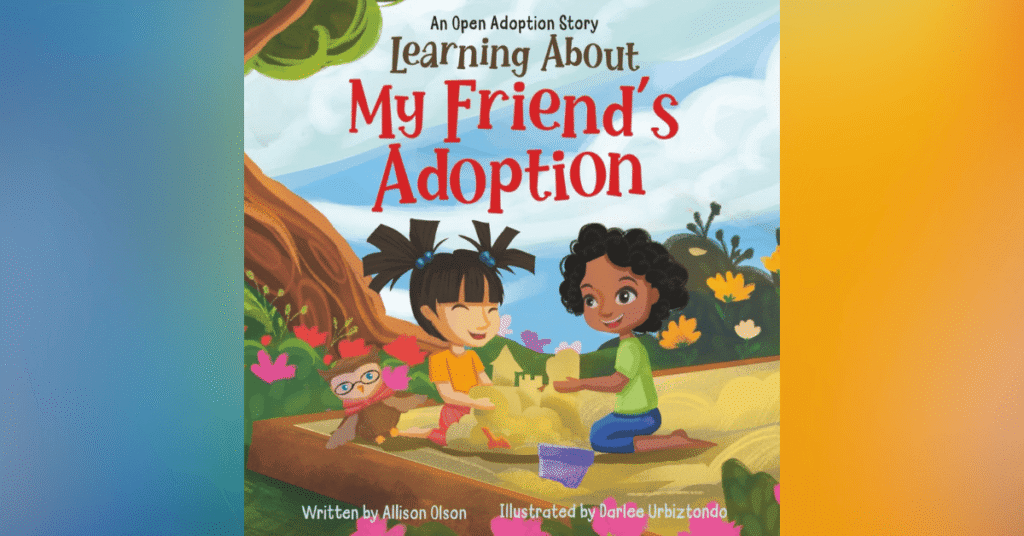
A boy is talking to his friend and discovers she is adopted. She patiently answers all his burning questions about how her biological family is still involved with her and her adoptive parents through open adoption. The boy is surprised that families are made up differently from just living with biological parents. The way the girl explains her adoption story to her friends shows her pride and gratefulness for her personal situation.
What “Learning About My Friend’s Adoption” Teaches Kids About Adoption: Adoption should be discussed openly and respectfully. Just because a child lives with other people than their biological parents doesn’t make them less of an individual. Some children who don’t understand adoption fully may judge an adopted child for their biological parents not wanting them. Discussing adoption in a peer-to-peer setting demonstrates understanding, tolerance, and a willingness to recognize others’ differences. Along the way, these discussions build empathy and acceptance will ignite a listener’s curiosity.
Recommended Ages: 5-7
A Family Of Three: An Adoption Story By Thom Katz
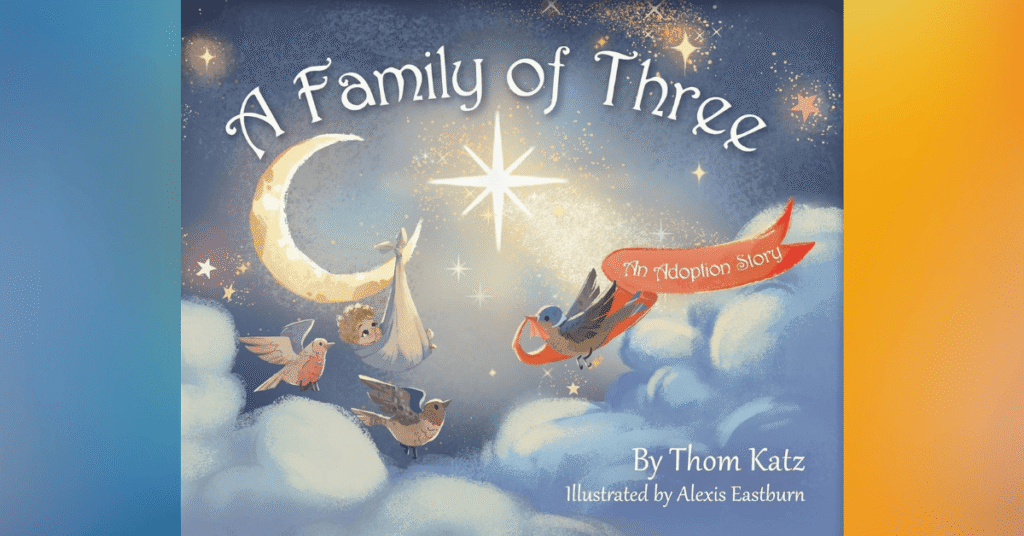
A husband and wife wish on a star for a child. They meet a pregnant biological mom who is willing to let the husbands adopt their child. The gentlemen are grateful and elated that their prayers are answered. The genuine trust between the biological mom and the married gentleman shows a collaborative process where the mom receives the help she needs while the gentlemen get to have the child they always wanted.
What “A Family Of Three: An Adoption Story” Teaches Kids About Adoption: Mothers giving their babies up for adoption are doing the most caring thing they can by asking for help. They want to see their child grow and thrive with individuals who can provide them with the best resources as they age. Meanwhile, adoptive parents are blessed with a great addition to their family. An adopted child grows nurtured and comfortable with met needs when biological parents in need choose adoption.
Recommended Ages: 3-7
A Family Is A Family Is A Family by Sara O’Leary
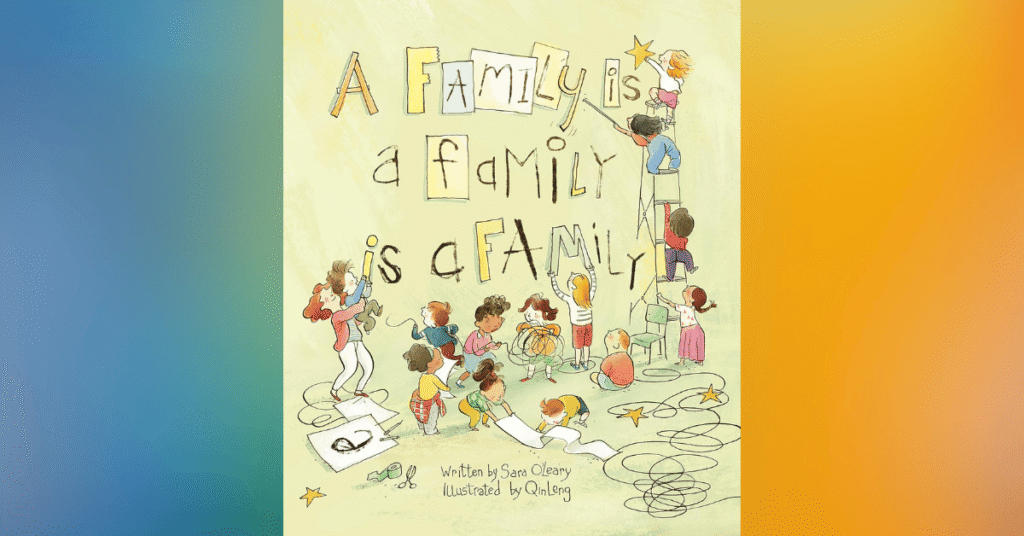
A teacher asks her students about their families. They discover that their peers come from diverse backgrounds and upbringings, which makes them unique. Some grandparents in the story have adopted and raised their grandchildren. One classmate chimes in, saying they have two fathers, while another peer says they have step-siblings. This open discussion showcases how adoptive children shouldn’t be afraid to admit their upbringing because it doesn’t matter who their family is as long as the bond is built on love, respect, and kindness.
What “A Family Is A Family Is A Family” Teaches Kids About Adoption: Adoptive families aren’t different in a negative way. They’re an impactful family unit that brings together prospective parents seeking a child and children in need of a home. This book’s message fosters empathy and respect for others’ backgrounds. Adoption should involve positive, respectful discussions rather than a negative stigma because of its differences from societal norms.
Recommended Ages: 4-8
Welcome Home: A Story Of Adoption, Hope, And Love Between Two Sisters By Ericka Valdez And Janette Valdez
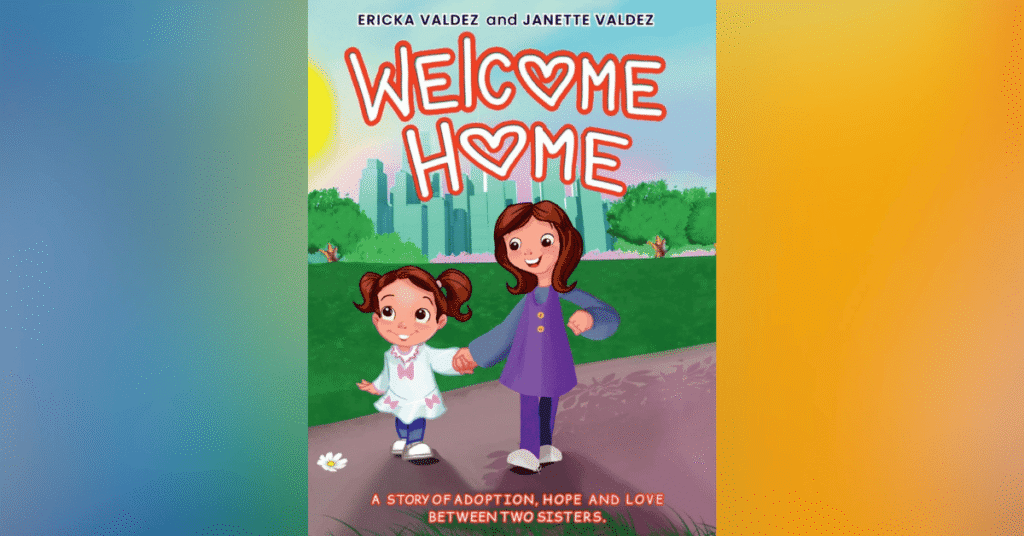
This book shows the dynamic bond between two sisters as they are adopted into a new family. Ericka and Janette demonstrate how their strong sisterhood endured adoption, as reflected in their real-life story. Janette recounts their adoption journey, demonstrating genuine admiration for her younger sister. Janette serves as the primary protector and encouraging cheerleader throughout their new family experiences.
What “Welcome Home: A Story Of Adoption, Hope, And Love Between Two Sisters” Teaches Kids About Adoption: Transitioning into an adoptive family is a balance of creating new bonds and trying to safeguard old ones with biological members still involved in a child’s life. Sometimes siblings, unfortunately, get separated during foster care, making it an even more difficult transition during adoption. Keeping siblings together preserves existing bonds while guiding a smooth, seamless adoption process.
Recommended Ages: 5-9
Tell Me Again About The Night I Was Born By Jamie Lee Curtis

A young girl loves to hear her birth story repeatedly. She loves the moment when her parents meet and hold her for the first time, cherishing the love and connection they shared with her before she was developmentally aware of it. The girl’s adoptive parents patiently retell her favorite story in this book, inspired by Jamie Lee Curtis’s adoptive daughter requesting the same. The story’s heart is the newborn’s love and celebration from the beginning.
What “Tell Me Again About The Night I Was Born” Teaches Kids About Adoption: Some kids may ask again and again about their birth story and how they were adopted. Such repetition builds appreciation for their existence and how far they have come in their lives. Adoptive parents who embrace their child’s curiosity and emotional needs are integral for guiding growth and development. This helps build pride and confidence as the child engages in various endeavors throughout their life.
Recommended Ages: 3-7
That Blessing Was You: A Story About Family Changes And Adoption By W. James Smallwood Jr
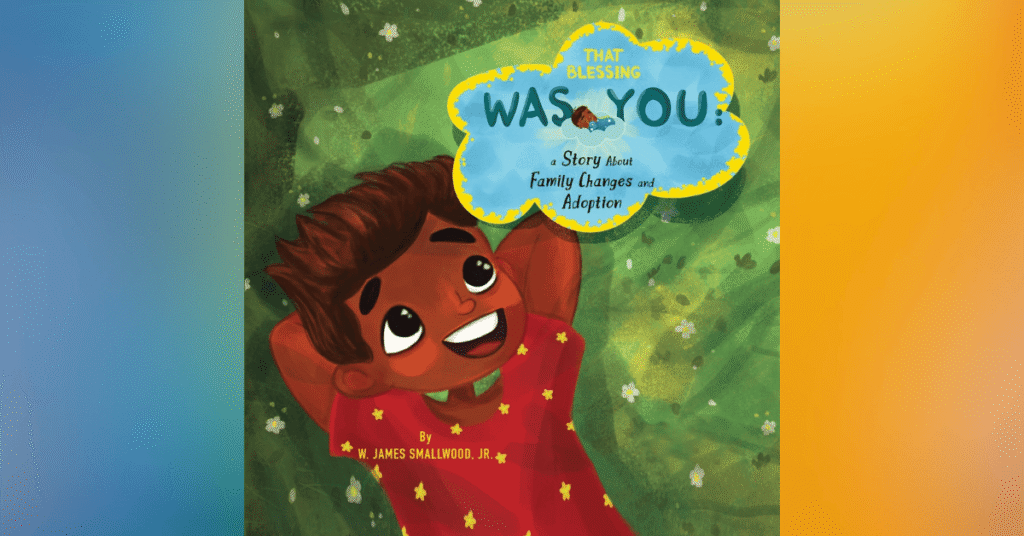
A young boy grows up with his parents, who unfortunately separate. The separation makes it difficult for his parents to maintain joint responsibility for his care, even when they are in two different households. The boy’s grandparents become his primary caretakers and assure him that he will be loved and cared for even through these tumultuous changes. Despite missing his parents, he is grateful to live with other members of his biological family who want to do what’s best for him.
What “That Blessing Was You: A Story About Family Changes And Adoption” Teaches Kids About Adoption: Not every adoption story involves children being placed in the foster system. Sometimes, close or distant members adopt the child to keep them within the family. Adoption can happen in the same family circle, offering a more stable transition from a child’s originally troubling environment. Family members adopting children ensure safety and belonging through these new changes.
Recommended Ages: 5-9
Wonderfully You: An Ode To Adoption By Tom Tracy
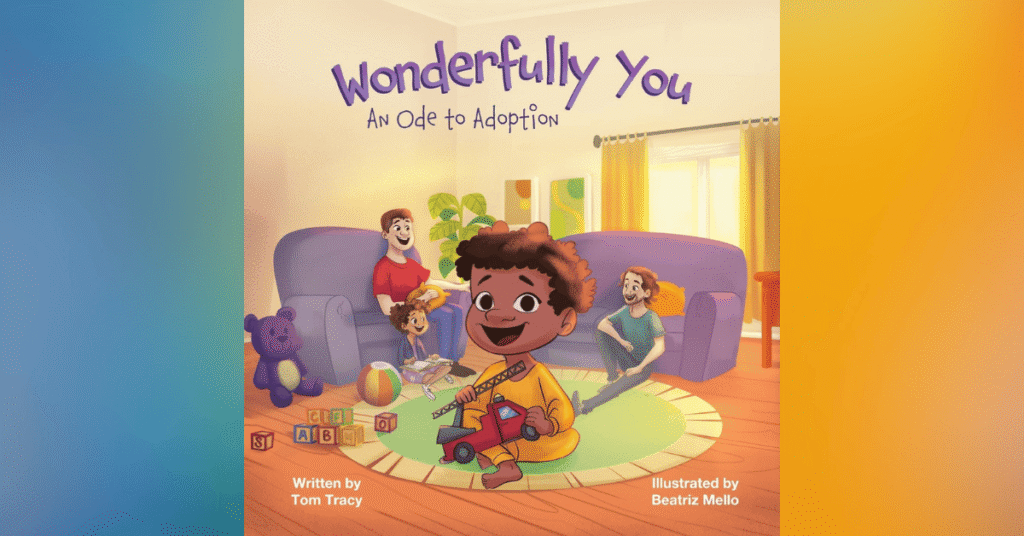
Two fathers and their daughter are excited to adopt another child into their family. This endearing story follows the ups and downs of the adoption process, as readers hope for a new child and wait with anticipation for a birth call. The family feels a sense of completeness when they welcome their new child as the adoption becomes finalized. Representation with transracial family units is beautifully illustrated through the rhyming text.
What “Wonderfully You: An Ode To Adoption” Teaches Kids About Adoption: People from various backgrounds are brought together through adoption. They can share their past experiences with their new family, so they are more comfortable in who they are. Also, waiting for a new member of the family through adoption takes patience and faith. Families must wait for the right time and fit as required by the adoption agency.
Recommended Ages: 3-7
Surrounded By Love: An Open Adoption Story By Allison Olson
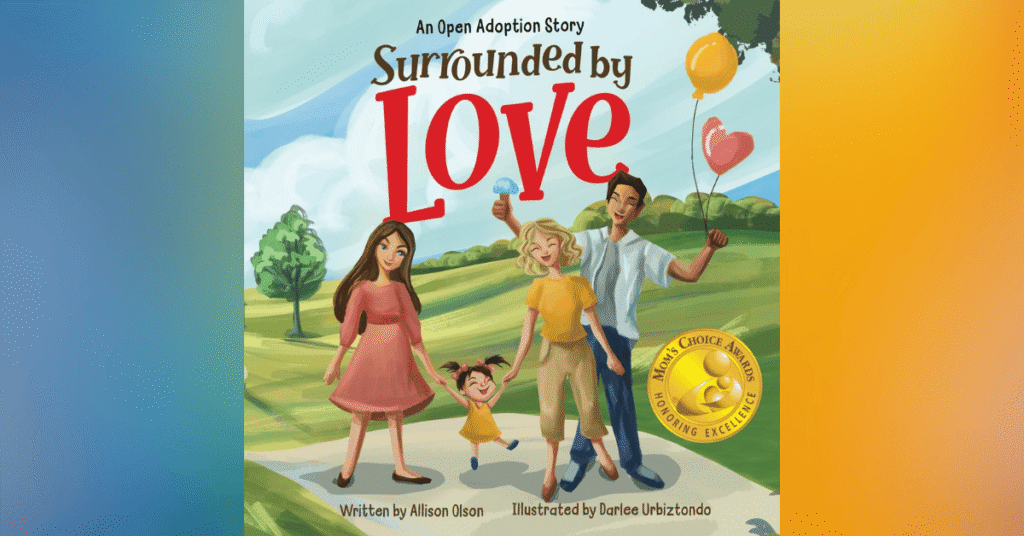
An owl witnesses a delightful adoption story where two fathers adopt a young girl. The biological mother comes to visit her biological daughter while the two adoptive fathers are present. The owl narrates the story through his eyes, making it a unique portrayal attractive for young readers. This great affirmation story for LGBTQ+ parents engages the audience with age-appropriate text discussing the daughter’s origin story through her birth parents and how she met her adoptive fathers. Honesty and genuine connection allow the daughter to embrace her roots and welcome new experiences with her adoptive fathers.
What “Surrounded By Love: An Open Adoption Story” Teaches Kids About Adoption: The child transitioning into an adoptive family is the central focus. An adoption agency, biological parents, and adoptive parents work together to ensure everything is done in the best interests of the child. Especially for an open adoption, the child can regularly maintain close contact with biological family members while thriving with their primary adoptive caregivers. Everyone can work together in harmony to contribute positively to the child’s growth.
Recommended Ages: 4-8
Miles Comes Home By Sarah S. Brannen
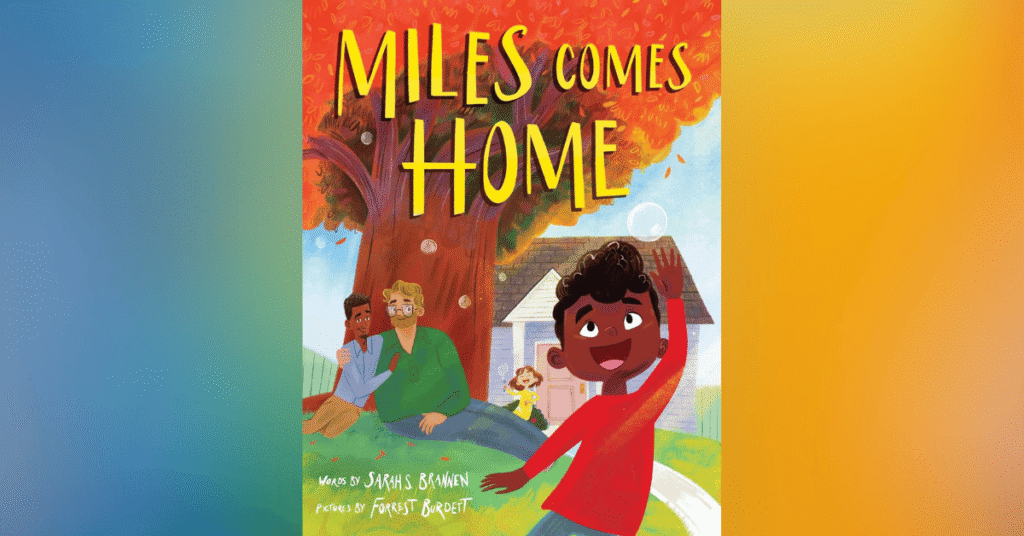
Miles is excited but anxious about his adoption day because of the uncertainty in the transition. He packs his bags to leave his foster home and meets his two new fathers for the first time. What starts as a timid greeting transforms into joy of finally being in a true place to call home. His adoptive sister, Michelle, is caring and welcoming of her new brother, helping him through fun family activities like ice skating.
What “Miles Comes Home” Teaches Kids About Adoption: Transitioning into a new home is like opening a present. You don’t know what to expect until you see what’s inside. Feelings of fear and nervousness are normal for adoptive children transitioning into a new home. Adoption can unfold gently by transforming uncertainty into comfort and hesitation into trust. It’s up to adoptive parents to provide ongoing support through engaging activities, personal space, and open communication, as needed.
Recommended Ages: 4-7
My Name Is Nadir: An Adoption Story By Elizabeth Greenwell
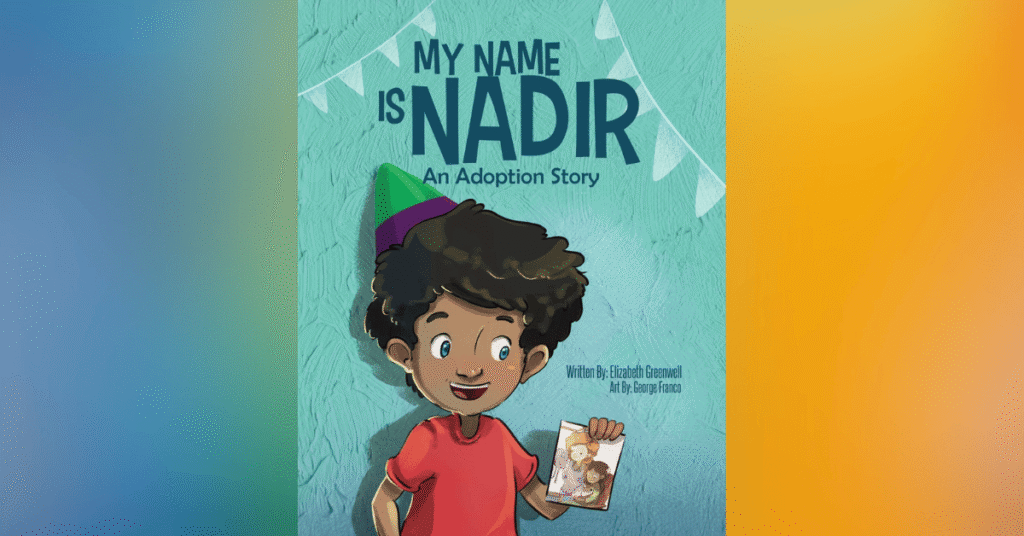
Nadir is celebrating his 6th birthday. He has a great birthday party that his adoptive mom and sister, Nina, set up for him. The young boy becomes troubled as he thinks back to his roots, realizing he doesn’t know much about his biological mother. Nadir’s adoptive mom patiently answers his questions, trying to provide her son the closure he needs. Nadir learns to embrace his roots even through the troubling parts of his birth story while remaining grateful for his adoptive family.
What “My Name Is Nadir: An Adoption Story” Teaches Kids About Adoption: It’s normal and welcomed for adoptive children to ask their adoptive parents about their biological roots. They can explore and honor their biological roots in a safe and secure manner as their adoptive family reassuringly answers their questions. Adopted children can learn not to fully base their identity on their biological roots and form it with the experiences they have with their adoptive family.
Recommended Ages: 5-9
Joseph’s Unique Family Tree By Elizabeth Greenwell

Joseph goes to school for the first time and finds comfort in meeting another adopted classmate. His teacher asks the class to make a family tree, which annoys Joseph because he has both his biological and adoptive families to include. There’s fear of being judged because of his adoption story. Joseph learns that diversity in family roots should be embraced and celebrated, and represents both sides of his support system on his family tree project.
What “Joseph’s Unique Family Tree” Teaches Kids About Adoption: An open adoption provides foster youth with an additional support system that some of their peers lack: the ongoing support of biological family members. They receive love and nurturing from two families rather than just their adoptive unit. Hence, they still feel more connected to their biological roots while enjoying many fun experiences with their adoptive families.
Recommended Ages: 5-9
Happy Adoption Day By John McCutcheon
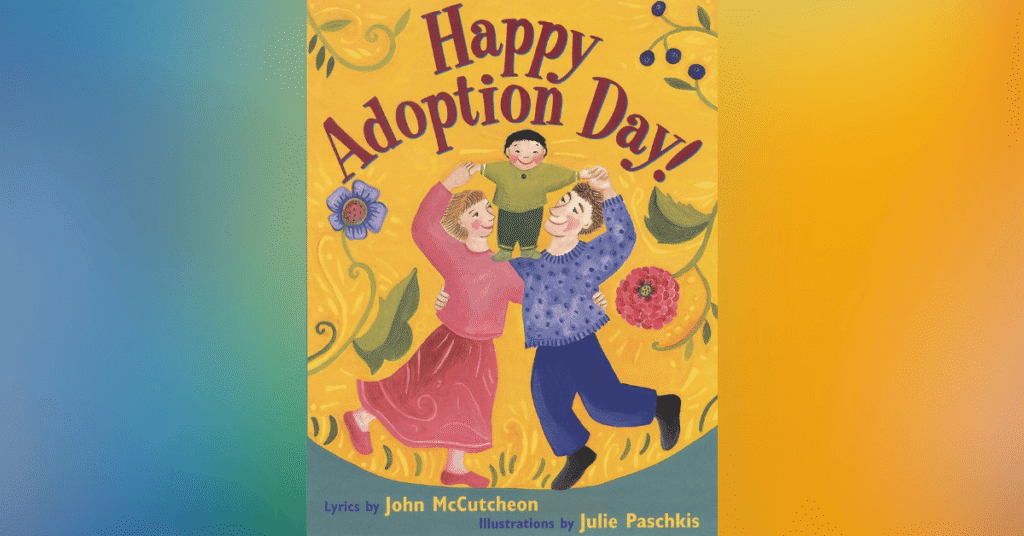
This collection of song lyrics makes for an interactive experience that adoptive parents and their new children can enjoy during their first week together. Parents can sing the lyrics or read them in a whimsical, poetic style. It’s up to the reader’s creative interpretation as to how they present these adoption day lyrics to their
What “Happy Adoption Day” Teaches Kids About Adoption: A child’s adoption day should be honored and remembered. It’s the new chapter in their lives, where fresh beginnings and unexpected, fun experiences will follow. These musical lyrics can help newly adopted children associate this experience with joy and warmth through this transitional period.
Recommended Ages: 5-9
God Found Us You By Lisa Tawn Bergren
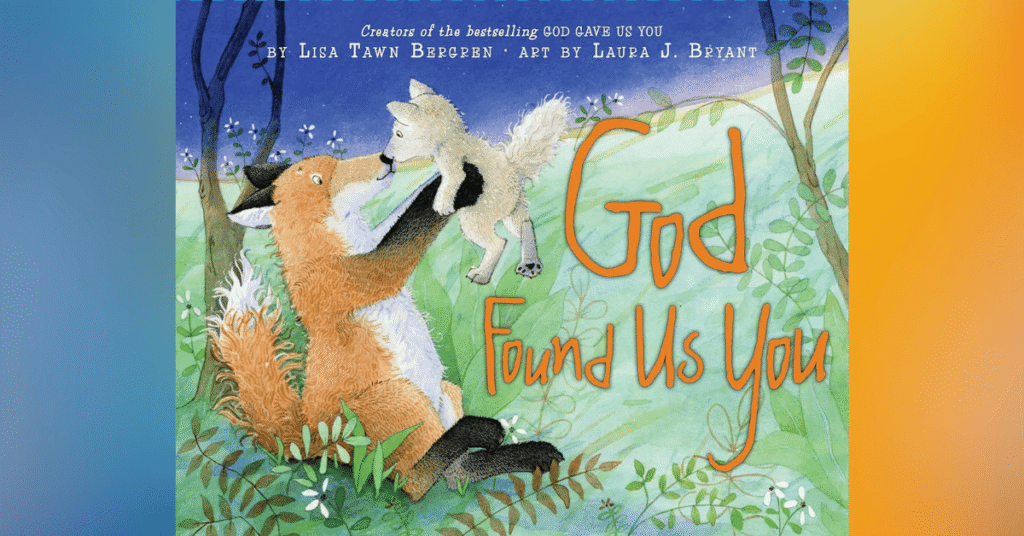
Little Fox prepares for bedtime with his Mama Fox. He asks her to tell him the story about how he was adopted. Mama Fox reminisces about dreaming of her baby, what he or she would look like, and what it would feel like to hold her child. She longed for her little one when she would wait under the trees while looking at the stars. Mama Fox admits there were times she wanted to give up waiting for her baby. Little Fox asks about his biological mother, but Mama reassures him that she will be his forever mother because she will do anything to care for and protect him.
What “God Found Us You” Teaches Kids About Adoption: Readers with a faith-based lens will learn that miracles can happen when they put their trust in God. Children in the foster system may wonder when their forever family will come for them. Adoptive parents will keep wishing and dreaming of a child to complete their family. Having faith that positive change will come helps ensure both parties don’t lose hope.
Recommended Ages: 2-6
Over The Moon: An Adoption Tale By Karen Katz

The same author of those cute baby-themed lift-a-flap books also graces our list of children’s books about adoption. Katz highlights this whimsical story about two adoptive parents flying at night to meet their newborn. The carefully chosen words clearly convey the adoption process. The folk art style illustrations pair well with the metaphoric over-the-moon adventure, showing how far adoptive parents go to meet their adopted child for the first time.
What “Over the Moon: An Adoption Tale” Teaches Kids About Adoption: Adoptive parents thoroughly prepare themselves for the official adoption day. They foster children in temporary need to build experience. If they foster a child for the long term, they build a close bond that may carry over if they adopt the child. Some parents adopt immediately without fostering, which offers a different set of challenges. No matter the backstory, adoptive parents put their all into ensuring they are their best for their adoptive child.
Recommended Ages: 2-5
I’m Yours: An Adoption Story From A Mother’s Heart By Ashley Cameron

An adoptive mother recounts the story of how she adopted her daughter. She looked at the photos of the children waiting for a family at the adoption agency. When she saw that photo of her soon-to-be daughter, the mother knew this was the little girl she wanted to adopt. The mom was excited to tell her new daughter, “I’m yours,” after a long journey of sadness and uncertainty through home displacement.
What “I’m Yours: An Adoption Story From A Mother’s Heart” Teaches Kids About Adoption: Children learn about the intentional love and perseverance adoptive parents show as they choose a child to add to their family. The many steps to prepare and qualify as an adoptive parent take patience and dedication. However, bringing their new child home is worth all the work. These parents need a familial extension, such as foster children, and their intended unity makes their family complete.
Recommended Ages: 3-7
The Adoption Tree By Kimberly James

James highlights an impactful metaphor about adoption: a small seedling being uprooted and replanted elsewhere. The uprooting phase is a challenging transition, much like moving from one home to another during an adoption. Readers can understand that being adopted into a new family is the new place they can belong, even if there is resentment for being taken from their biological family.
What “The Adoption Tree” Teaches Kids About Adoption: Children transitioning into a new family will experience loss and growth simultaneously. Fear, sadness, and anger are normal emotions that an adopted child processes as they move from one living environment to another. Being placed in a new family doesn’t erase a child’s origin story. Their adoption experience shapes who they are becoming in the next chapter of their lives.
Recommended Ages: 5-9
A Mother For Choco By Keiko Kasza
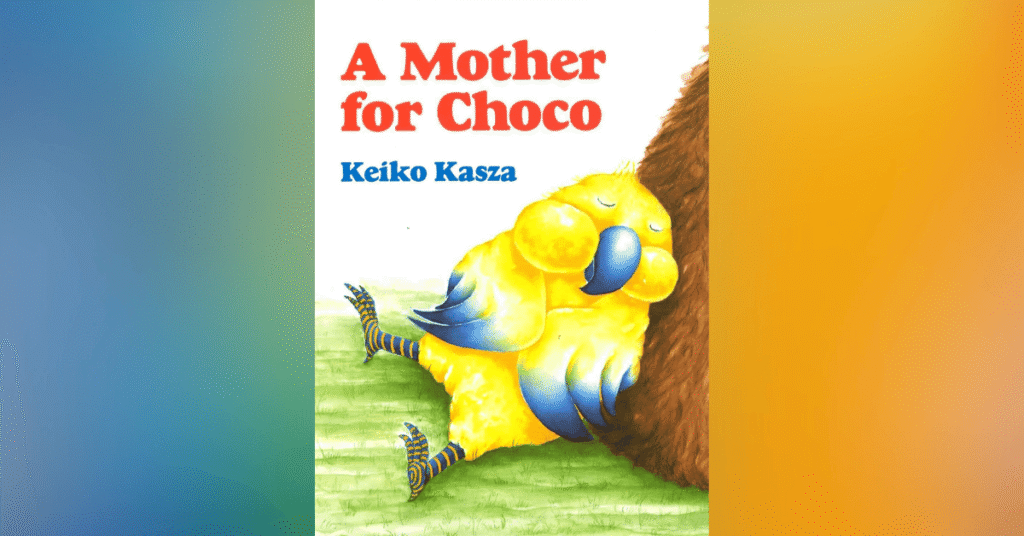
Choco is an orphaned little yellow bird looking for a loving mother. Mrs. Bear finds Choco and takes him to be with his new family. Choco is surprised that her children are of different animal species: a piglet, an alligator, and a hippo. He’s confused as to why Mrs. Bear doesn’t have other bear children. She reminds her unique children that every family comes from different circumstances beyond the natural birth of a child.
What “A Mother For Choco” Teaches Kids About Adoption: Differences in family structure shape their unique appearance and overall story of formation. A parent’s desire to provide nurturing and unconditional love transcends the family’s appearance. If a child is in need and an adult has the space in the home and heart to care for them, opening their home is the most selfless act.
Recommended Ages: 3-7

