


Whether it’s simple dogs and cats or extinct and rare creatures, just about every kid loves animals. Our house is filled with stuffed dogs, coats, axolotls, giraffes, dinosaurs, and more. When it comes to TV shows, many cartoons about animals teach kids about creatures they may never see up close, or about those that live in their own backyards.
The best kids’ shows are always the ones that are educational without the kids realizing it. Shows like Octonauts, for example, make learning about marine biology seem like a fun adventure, with kids absorbing science without even realizing it.
While not all cartoons about animals are subtle educators like Captain Barnacles and crew, there are a lot that take real science facts about animals and present them in a fun and colorful way that kids are drawn to. If you’ve got a budding zoologist or vet in your home, the following shows might just be for them!
To guide your child’s journey, I’ve included recommended age ranges for each show along with the streaming services where they’re currently available in the United States. Streaming availability and age recommendations in this guide reflect platforms commonly used by families in the United States. International availability may differ based on regional licensing.
Octonauts (2010–Present)

Octonauts follows an adorable underwater exploration team led by Captain Barnacles, a polar bear, and his crew of animal adventurers. Living in their moving ship, the Octopod, they explore oceans, rivers, and polar seas to study marine life and help animals in distress. Each episode introduces a sea creature facing a challenge—such as getting stuck, migrating, or adapting to environmental changes. The team applies scientific methods, teamwork, and problem-solving to support instruction while teaching viewers about marine biology. The show blends action and discovery with calming narration and educational segments called “Creature Reports.”
How Octonauts Teaches Kids About Animals: Octonauts teaches kids about animals by focusing on real marine species and scientifically accurate behaviors. Children learn about habitats, diets, life cycles, and environmental challenges faced by sea creatures. The show encourages curiosity and respect for ocean life while reinforcing teamwork and compassion. By presenting animals as important members of ecosystems—not villains or pets—Octonauts helps kids understand biodiversity and conservation. The clear explanations and visual demonstrations make complex concepts such as deep-sea pressure and migration accessible to young learners, encouraging early scientific literacy.
Ages: 3–7
Where To Stream: Netflix
Wild Kratts (2011–Present)

Each episode of Wild Kratts focuses on a specific animal or group of animals, from cheetahs and dolphins to insects and reptiles. Real-life zoologist brothers Chris and Martin Kratt star as animated versions of themselves exploring animal habitats around the world. Using imaginative “Creature Power Suits,” the brothers gain abilities based on real animal traits, allowing them to experience life from the animals’ perspectives. The show blends adventure, humor, and science as the Kratts work to protect animals from threats and teach viewers about how creatures survive in the wild.
How Wild Kratts Teaches Kids About Animals: To put it bluntly, Wild Kratts teaches children about animals by looking at things AS animals. Through accurate science presented in an exciting, age-appropriate way, Wild Kratts highlights real animal adaptations, behaviors, and habitats, helping kids understand how animals move, hunt, communicate, and protect themselves. By transforming into animals using creature powers, the Kratts make abstract biological concepts tangible and memorable. Kids learn not only what animals do, but why those behaviors matter for survival. This approach builds curiosity, critical thinking, and a strong foundational understanding of animal science.
Ages: 4–8
Where To Stream: Amazon Prime
The Creature Cases (2022–Present)

One part animal education show, one part spy thriller, The Creature Cases follows animal detectives Sam Snow (a snow leopard) and Kit Casey (a fennec fox) as they travel the world solving wildlife mysteries. Each “Case” centers on a specific animal that needs help, whether it’s a disappearing species or a misunderstood behavior. Using clues, research, and observation, the agents uncover facts about the animal and resolve the case. The series blends detective storytelling and spy gadgetry with wildlife education, keeping kids engaged through suspense and discovery.
How The Creature Cases Teaches Kids About Animals: This show teaches kids about animals through inquiry-based learning, encouraging viewers to observe, ask questions, and draw conclusions. Each episode of Creature Cases highlights real animal traits, habitats, and survival strategies. By framing education as problem-solving, the show strengthens critical thinking while reinforcing factual knowledge. The Creature Cases also promotes respect for animals and conservation, helping kids understand the importance of protecting wildlife and biodiversity.
Ages: 4–8
Where To Stream: Netflix
Puffin Rock (2015–2018)

Puffin Rock stars young puffin Oona and her baby brother Baba as they explore their island home alongside other animals. Episodes are gentle, story-driven, and focused on everyday discoveries, such as changes in weather, animal friendships, and seasonal behaviors. With calm, even narration, Puffin Rock emphasizes curiosity and observation rather than action-packed adventure. Each episode highlights simple interactions between animals and their environment, making it ideal for preschool audiences.
How Puffin Rock Teaches Kids About Animals: Puffin Rock teaches children about animals by modeling careful observation and respect for nature. Kids learn how animals live, interact, and respond to changes in their environment. The show introduces concepts like nesting, migration, and food chains in a soothing, accessible way. Avoiding loud conflict or exaggeration encourages mindfulness and appreciation for wildlife. Young viewers develop empathy for animals and an early understanding of ecosystems, creating a calm, respectful relationship with nature.
Ages: 2–5
Where To Stream: Netflix
Nature Cat (2015–Present)

Nature Cat is about Fred, an indoor house cat who transforms into “Nature Cat” when his family leaves for the day. Along with his animal friends, Nature Cat explores the outdoors to learn about plants, animals, and environmental science. Episodes feature outdoor adventures involving birds, insects, mammals, and plant life. The show combines humor with educational exploration, encouraging kids to observe and interact with nature in their own surroundings.
How Nature Cat Teaches Kids About Animals: Nature Cat (and also Fred) teaches kids about animals by emphasizing real-world exploration and curiosity. Children learn about animal behavior, habitats, and ecological relationships through hands-on discovery. The show encourages outdoor play and observation, helping kids connect animal science to their everyday lives. By framing learning as an adventure, Nature Cat makes learning fun and develops environmental awareness and respect for living things. It reinforces that nature is accessible everywhere—not just in faraway habitats.
Ages: 3–7
Where To Stream: Amazon Prime
Dinosaur Train (2009–2022)

In Dinosaur Train, Buddy, a young Tyrannosaurus rex, is raised by a family of Pteranodons. Along with his siblings, Buddy travels through prehistoric eras aboard a magical train. Each episode introduces different dinosaur species, exploring where they lived, what they ate, and how they survived. Guided by the friendly Conductor and Dr. Scott the Paleontologist, Buddy and his siblings visit real dinosaur habitats from the Triassic, Jurassic, and Cretaceous periods. The show combines music, humor, and adventure with factual paleontology, making prehistoric life engaging and accessible for young viewers.
How Dinosaur Train Teaches Kids About Animals: Just because an animal is no longer around, it doesn’t make them less fun to learn about! Dinosaur Train teaches kids about animals by presenting accurate scientific information about dinosaurs and prehistoric ecosystems. Children learn about physical traits, diets, locomotion, and environmental adaptations in an easy-to-understand way. Kids gain a foundational understanding of how dinosaurs and prehistoric animals evolved and adapted over time, sparking curiosity about both extinct and modern wildlife.
Ages: 3–7
Where To Stream: PBS Kids
The Deep (2015–2019)

The Deep follows the Nekton family—underwater explorers who live aboard a high-tech submarine—as they investigate the world’s oceans. Each episode takes viewers to a new marine environment, from coral reefs to the deepest trenches. Along the way, the family encounters marine life while solving mysteries and protecting it. The show balances action and exploration with factual references to oceanography, marine biology, and underwater geography, making it ideal for curious older kids.
How The Deep Teaches Kids About Animals: Focusing on marine species, habitats, and conservation issues, The Deep provides a wealth of facts and real science about undersea creatures, while offering fun adventures. Episodes introduce real ocean creatures and explain their behavior, survival strategies, and roles within ecosystems. By presenting science within an adventurous narrative, kids absorb complex information while staying engaged. It builds awareness of biodiversity, environmental responsibility, and the importance of protecting underwater ecosystems.
Ages: 6–10
Where To Stream: Fandango @ Home, Prime Video
Gigantosaurus (2019–Present)

Similar to Dinosaur Train, Gigantosaurus follows four young dinosaur friends—Rocky, Bill, Tiny, and Mazu—as they explore their prehistoric world while navigating friendships and daily challenges. It’s less magical, though, with episodes centered on adventures involving survival, exploration, or learning from nature. The looming presence of Gigantosaurus, the largest dinosaur in their world, adds excitement while reinforcing respect for powerful creatures. The series combines humor and emotion with visually rich prehistoric environments.
How Gigantosaurus Teaches Kids About Animals: While more character-driven, Gigantosaurus teaches kids about animals by modeling animal instincts, group behavior, and environmental awareness. Children learn how creatures react to danger, cooperate for safety, and adapt to changing surroundings. The show introduces concepts such as food chains, habitat safety, and respecting larger animals. Children develop a gentle understanding of animal survival and coexistence, fostering early ecological awareness and empathy for living creatures.
Ages: 3-6
Where To Stream: Disney+
T.O.T.S. (2019–2022)

Tiny Ones Transport Service (or T.O.T.S.) follows friends Pip the penguin and Freddy the flamingo as they deliver baby animals to families worldwide. Each episode features a different animal species, exploring where they live and what they need to thrive. The stories emphasize caring for animals during important early moments, blending gentle humor with emotional storytelling. The show’s global settings expose kids to diverse habitats and animal families.
How T.O.T.S. Teaches Kids About Animals: T.O.T.S. teaches children about animals by introducing different species, family structures, and environments in an emotionally supportive context. Kids learn that animals, like people, need care, patience, and understanding. The show reinforces empathy for animals and highlights conservation and biodiversity. Focusing on baby animals and their needs encourages compassion and respect while introducing basic, age-appropriate animal facts.
Ages: 2-5
Where To Stream: Disney+
Ada Twist, Scientist (2021–Present)
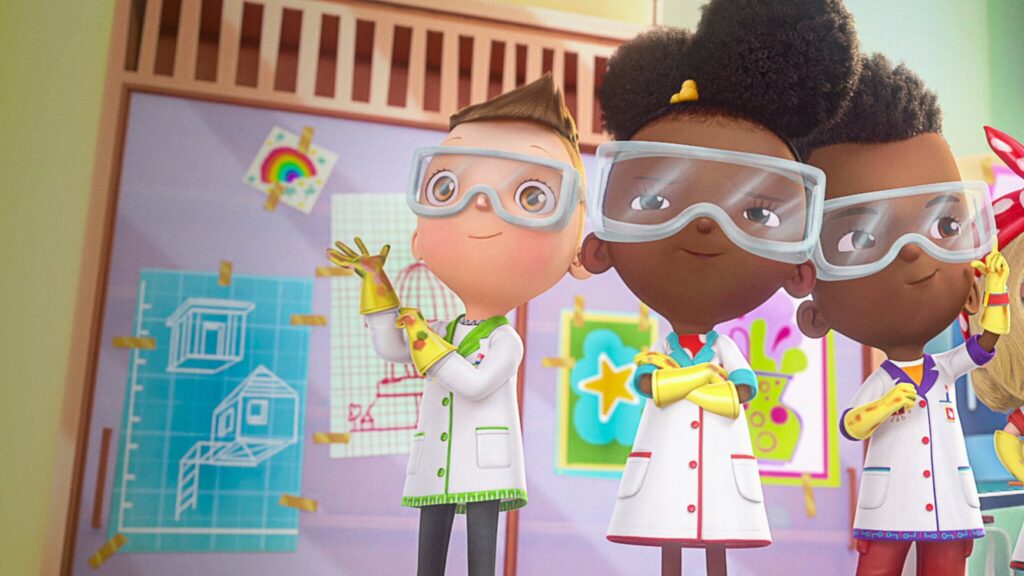
Ada Twist, Scientist, follows the titular Ada and her friends as they explore scientific questions through observation, experimentation, and curiosity. Granted, it’s more of an overall science show, but many episodes focus on animals—investigating how they move, communicate, and interact with their environments. Ada approaches each mystery with enthusiasm, encouraging kids to think critically and creatively.
How Ada Twist, Scientist Teaches Kids About Animals: On Ada Twist, Scientist, kids learn about animals through scientific inquiry and observation. The show also encourages viewers to ask questions, form hypotheses, and gather evidence when studying animal behavior. Instead of simply presenting facts, Ada Twist, Scientist models how scientists learn about animals in the real world. This approach strengthens critical thinking, curiosity, and respect for animals as subjects of study rather than objects.
Ages: 4–8
Where To Stream: Netflix
Spirit Rangers (2022–Present)

Native American siblings—Kodi, Summer, and Eddy Skycedar—protect a national park with the help of animal spirit guides, who transform them into “Spirit Rangers” and grant them animal-inspired abilities to solve problems and maintain balance in nature. Each episode features animals native to North America and incorporates Indigenous cultural perspectives on wildlife and the environment. The stories blend action, humor, and emotional growth while showcasing forests, deserts, rivers, and plains as living ecosystems.
How Spirit Rangers Teaches Kids About Animals: Spirit Rangers combines teaching kids about animals and teaching them about different cultures by integrating Indigenous values. The show emphasizes respect, coexistence, and ecological balance. Children learn about animal traits, habitats, and behaviors while understanding the interconnectedness of living things. The show presents animals as teachers and protectors, reinforcing empathy and stewardship. Spirit Rangers’ dual approach builds environmental awareness, cultural respect, and responsibility toward wildlife.
Ages: 4–8
Where To Stream: Netflix
Kangaroo Beach (2020–Present)

Kangaroo Beach is about four young animal lifeguards—kangaroo Pounce, koala Frizzy, wombat Neville, mischievous echidna Spyke, and platypus Gemma. The junior guards protect beachgoers along Australia’s coastline. Episodes focus on ocean safety, ecosystems, and helping marine animals in distress. The show’s colorful animation and upbeat tone introduce children to beach and sea animal life while emphasizing responsibility and care.
How Kangaroo Beach Teaches Kids About Animals: Kangaroo Beach brings vibrant Australian marine life and coastal ecosystems directly into kids’ living rooms. Children learn about sea creatures, tides, and ocean safety while developing empathy for animals that share human environments. The show reinforces conservation, kindness, and awareness of how actions affect wildlife, helping kids understand how people and animals can safely coexist.
Ages: 4–8
Where To Stream: Amazon Prime Video, Knowledge Kids (Canadian viewers)
ABC Monsters (Animal Alphabet Series) (2015–2017)

ABC Monsters introduces preschool children to animals through alphabet-based storytelling. Each episode highlights animals associated with different letters while exploring their environments, sounds, and behaviors. The playful monster characters guide kids through short adventures that blend literacy learning with animal discovery. The simple structure makes it ideal for preschool viewers.
How ABC Monsters Teaches Kids About Animals: ABC Monsters’ literary approach to animal learning is unique. Children learn animal names, traits, and sounds while reinforcing alphabet knowledge. By presenting animals in engaging, bite-sized stories, the show supports memory retention and vocabulary development. It helps young learners form early connections to animals and nature, fostering curiosity and a foundational understanding of the animal world.
Ages: 2–4
Where To Stream: Tubi and YouTube
Zoofari (2018–2019)

Zoofari is a preschool-age series set in a lively animal zoo where young viewers are guided by friendly zookeepers and talking animals. Each episode explores an animal’s daily routines, habitats, and behaviors. The animals interact with one another through simple stories involving cooperation, problem-solving, and discovery. Bright visuals, music, and repetition make the show accessible for very young audiences. The gentle pacing and cheerful tone create a safe and engaging learning environment for preschoolers just beginning to explore the animal world.
How Zoofari Teaches Kids About Animals: Zoofari introduces basic zoology concepts, including animal names, sounds, diets, and movement. The show encourages observation and curiosity while helping kids recognize differences between species. By presenting animals in a zoo setting, it helps children understand care, responsibility, and respect for wildlife, as well as showing the differences between animals in the wild and animals in “captivity.” This approach is especially beneficial for toddlers and preschoolers as they learn to identify animals’ needs and habitats.
Ages: 2–4
Where To Stream: Prime Video
Leo the Wildlife Ranger (2015–Present)

Leo, the Wildlife Ranger, stars in the show Leo the Wildlife Ranger, along with his best friend Katie. Together, they embark on adventures and learn about animals worldwide. Guided by Leo’s Grandpa Ranger and their talking jeep, the duo visits jungles, oceans, and savannas to meet animals up close. The show blends action, curiosity, and factual learning in a format designed for preschool and early elementary audiences.
How Leo the Wildlife Ranger Teaches Kids About Animals: Leo, Kaite, and Grandpa teach kids about animals through clear, factual information delivered in an engaging narrative. Viewers learn animal characteristics, movement patterns, diets, and survival strategies. The ranger theme encourages respect for wildlife and conservation, helping kids understand the importance of protecting animals and their habitats. Leo the Wildlife Ranger builds foundational animal knowledge while developing kids’ natural curiosity and care for nature.
Ages: 3–7
Where To Stream: Prime Video
Go, Diego, Go! (2011–2014)

Spinning out of Dora The Explorer, Go, Diego, Go! follows Diego, a young animal rescuer and Dora’s cousin. Diego travels the world helping animals in need. Each episode introduces a specific animal in need of help, guiding viewers through interactive problem-solving and adventure. The show incorporates music, movement, and bilingual elements to keep kids engaged.
How Go, Diego, Go Teaches Kids About Animals: Go, Diego, Go! teaches kids about animals through direct interaction and repetition. Animal names, sounds, habitats, and behaviors are illustrated with clear examples as participants join Diego on the rescue missions. Diego explains why animals need help and how to protect them, reinforcing empathy and responsibility. The interactive format helps kids retain information while encouraging curiosity about wildlife.
Ages: 3-6
Where To Stream: Paramount+
Let’s Go Luna! (2018–2020)
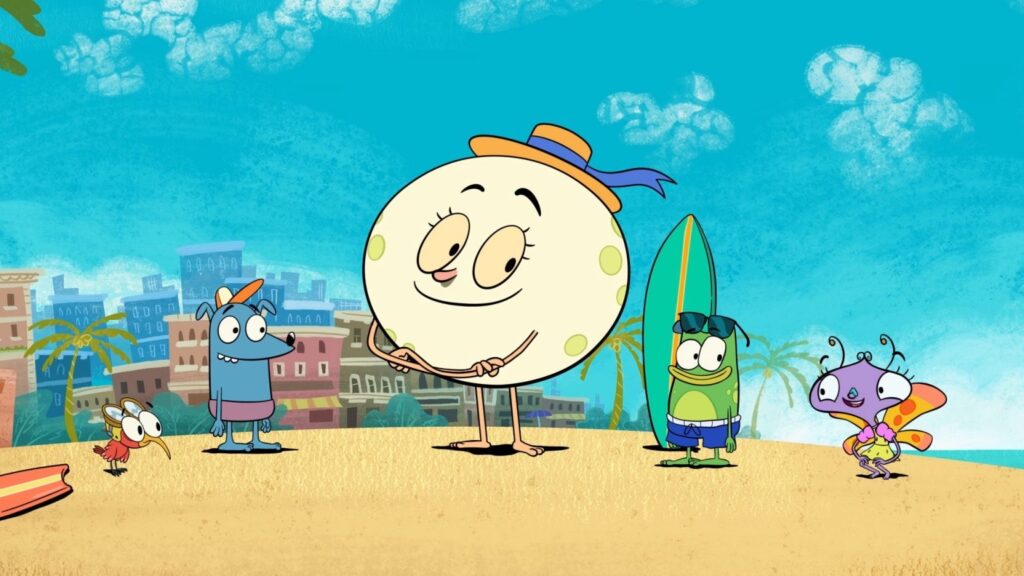
Let’s Go Luna! follows a group of animal friends traveling the world with their parents’ performance troupe. In each location, they learn about local cultures, environments, and animals. Luna the Moon guides them by asking questions and encouraging exploration. While not exclusively animal-focused, many episodes explore regional wildlife and how animals adapt to different environments worldwide.
How Let’s Go Luna! Teaches Kids About Animals: Global biodiversity and habitats are the big subjects in Let’s Go Luna! Viewers learn how animals live in different climates and cultures, reinforcing environmental awareness. By linking animals to geography and human communities, Let’s Go Luna! helps kids understand how wildlife fits into the broader world. The inquiry-based format promotes curiosity, observation, and respect for animals everywhere.
Ages: 4–8
Where To Stream: PBS Kids, Knowledge Kids (Canadian viewers)
Buddi (2020–2023)

Buddi is an unorthodox addition to this list, but it handles animal creatures in its own way. Buddi follows a group of adorable animal friends as they explore their colorful world. With minimal dialogue, the show relies on visual storytelling to convey emotions, curiosity, and discovery. Episodes focus on everyday animal-based adventures, such as exploring new environments, learning cooperation, and understanding cause and effect, but the animals in question are nothing like the animals of our world.
How Buddi Teaches Kids About Animals: Buddi features wild and wonderful character designs that make it feel like it’s not about Earth Animals, yet the concepts remain the same. Children watching learn animal behaviors such as movement, interaction, and communication without relying on complex language. The show encourages empathy, patience, and understanding of nonverbal cues. But watching Buddi, kids develop an early appreciation for anima-type behavior and social interaction.
Ages: 1-4
Where To Stream: Netflix
Jungle Beat (2014–Present)

Jungle Beat is another dialogue-free series that stars an alien, but takes place in Earth’s jungles. Curious alien Munki teams up with animal friends to explore the jungle and its inhabitants. Stories are presented through comedic, visual storytelling with no dialogue, making them well-suited for a global preschool audience.
How Jungle Beat Teaches Kids About Animals: Jungle Beat emphasizes behavioral observation and cause-and-effect learning to help kids learn about animals. Jungle Beat shows kids how animals move, interact, and respond to challenges in their environment without dialogue. The visual format encourages kids to pay attention to body language and environmental cues while showing animal instincts, cooperation, and adaptability.
Ages: 2-5
Where To Stream: AppleTV


