


Navigating relationships of varying degrees with friends and family is challenging for most children, never mind most adults. Understanding concepts such as boundaries, exclusion, and different emotions within friendships and family dynamics can be challenging and is something we are all probably working on, at least a little bit.
Fortunately for all, there are cartoons! I’ve long believed that the solution to most of life’s problems lies somewhere in an animated world (usually involving talking dogs). Animation can connect with people emotionally because it provides a safe, fantasy space to explore uncomfortable things. Cartoons are often over-the-top, making the real emotions explored seem diminished. If the talking dog can figure it out, so can we.
Below is a list of episodes from animated shows that address the dynamics of friendship and family relationships. Some are heartwarming, some are thought-provoking, and some are just plain weird. These cartoons about friendship and family show that the skills for handling these relationships are often one and the same. After all, you can be friends with family and family with friends. Or you can be both while watching these episodes with your kids.
Where To Watch Note: Some streaming services may list episodes in a different order or split episodes into multiple parts. I suggest searching by episode name if the episode isn’t located in the same position I have noted. I’ve included recommended age ranges for each show along with the streaming services where they’re currently available in the United States. Streaming availability and age recommendations in this guide reflect platforms commonly used by families in the United States. International availability may differ based on regional licensing.
Bluey – “Christmas Swim” Season 2, Episode 51
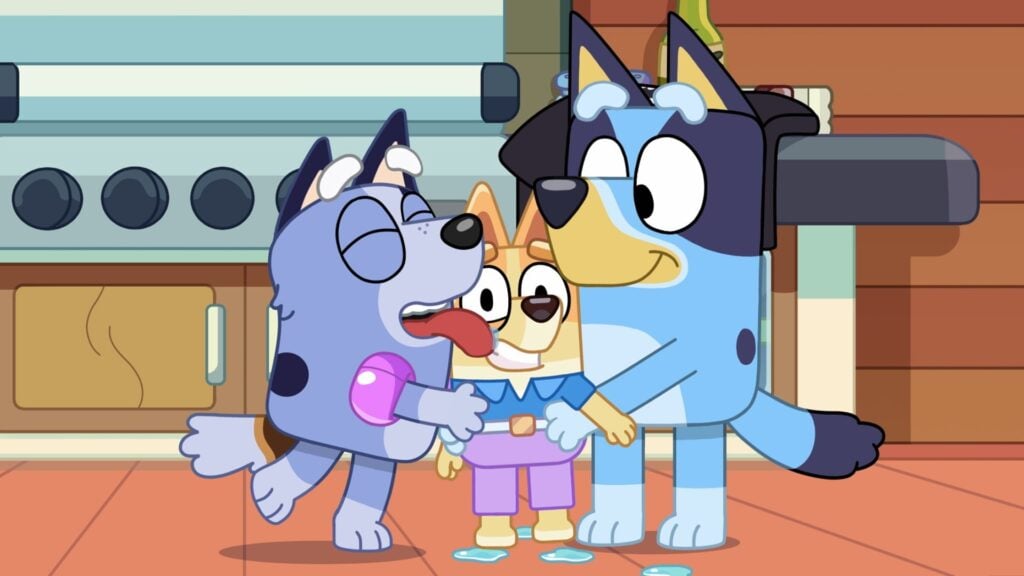
In this heartwarming Christmas episode, Bluey receives a beloved new toy, Bartlebee, as the family gathers for their holiday festivities. Bluey proudly introduces him to every member of her family. However, Bluey’s energetic relatives accidentally play too roughly, leaving Bartlebee wet, disheveled, and unhappy. Misunderstandings and disappointment build until Frisky calls in to wish everyone a Merry Christmas. She helps Bartlebee feel welcomed and included again. The episode resolves with the family uniting at lunch, toasting Bartlebee’s place in the Heeler clan—reminding kids that even when family dynamics get chaotic or overwhelming, patience, love, and care can bring everyone back together.
How “Christmas Swim” teaches lessons about Family and Friendship: “Christmas Swim” teaches children that family relationships are built on patience, empathy, and forgiveness, even when things don’t go perfectly. Bartlebee’s discomfort reflects real feelings kids can have when overwhelmed by family gatherings or new situations. Through dialogue and actions by different Heeler family members, kids learn that mistakes happen and feelings matter. Watching this together can open conversations about children’s own family dynamics and help them consider others’ feelings. “Christmas Swim” encourages respectful behavior during busy family occasions.
If you’re new to the show, check out our list of the 20 best Bluey episodes and the lessons they teach.
Recommended Ages: 3–7
Where to Stream: Disney+
My Little Pony: Friendship Is Magic – “Family Appreciation Day” Season 2, Episode 12
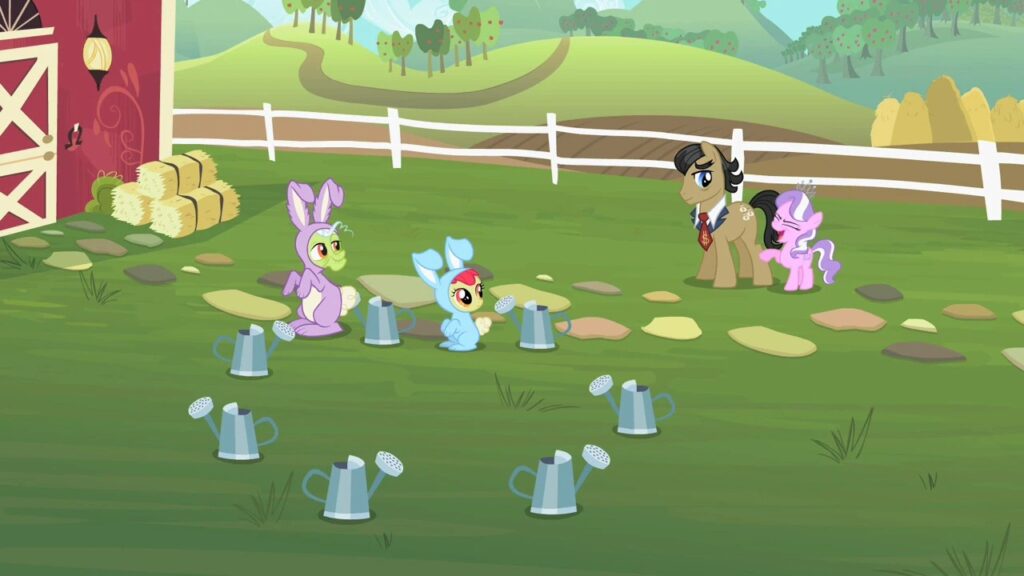
Apple Bloom dreads bringing her quirky Granny Smith to school for “Family Appreciation Day.” After classmates make fun of Granny’s eccentric behavior, Apple Bloom tries a series of elaborate schemes to keep her grandmother away. All plans fail, and Granny ends up giving a heartfelt presentation about her family’s history and contributions to Ponyville, specifically the discovery of “Zap Apples.” Her inspiring story earns applause, and Apple Bloom learns to appreciate her family’s unique history and her grandmother’s importance by realizing that true family pride comes from understanding and valuing your roots.
How “Family Appreciation Day” teaches lessons about Family and Friendship: This episode teaches kids that every family member has value—and sometimes wisdom comes from unexpected places. Through Apple Bloom’s embarrassment and eventual pride, viewers learn how strong family bonds are built on acceptance and respect. Instead of judging Granny for her quirks, Apple Bloom’s friends initially are not very nice about Granny, but they eventually learn that embracing one another’s pasts and identities can bring people closer together. Apple Bloom’s actions also demonstrate that standing up for loved ones underscores the importance of family support, even when others don’t immediately understand them. This is a valuable lesson for children navigating peer pressure and feelings about family differences.
Recommended Ages: 6–10
Where to Stream: Netflix
Daniel Tiger’s Neighborhood – “The Tiger Family Grows” Season 2, Episode 1
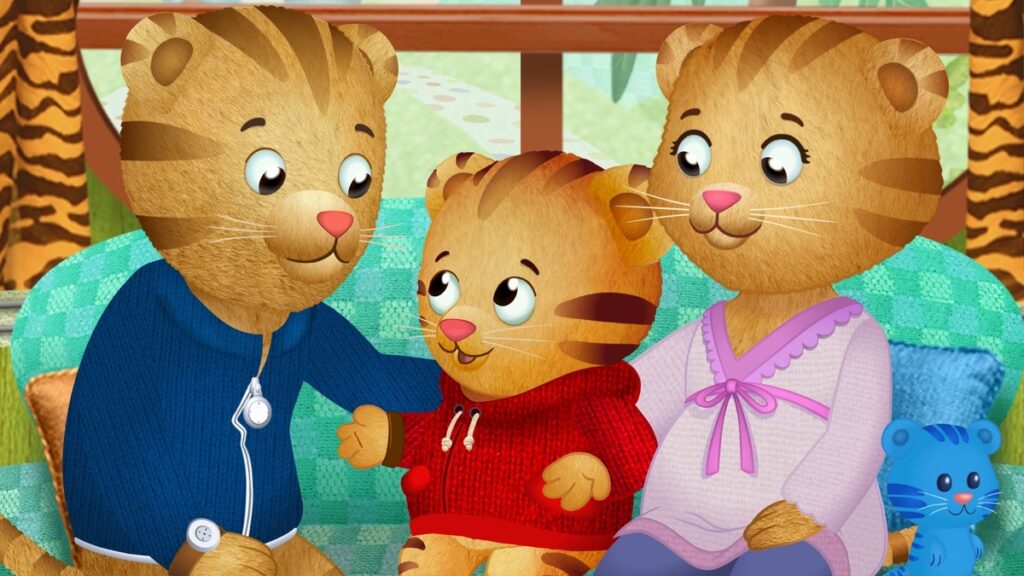
In the episode “The Tiger Family Grows,” Daniel Tiger learns that his family is about to undergo a massive change when his parents announce they are having a baby. As preparations begin, Daniel experiences mixed emotions—joy, curiosity, and concern that he might receive less attention. With help from Mom Tiger, Dad Tiger, and his neighbors, Daniel explores these feelings through play, songs, and gentle conversations. The episode follows Daniel as he visits the hospital, waits anxiously, and finally meets his baby sister, Margaret. By the end, Daniel discovers that while family routines may shift, love only grows stronger.
How “The Tiger Family Grows” teaches lessons about Family and Friendship: There really isn’t a bigger upheaval that a child’s life can take than that of a new sibling. This episode teaches children that times of family change may feel confusing, but emotions are always acceptable to express. Daniel shows healthy emotional awareness, and the story reassures kids that welcoming a new sibling doesn’t mean losing love—it means sharing it. The Tiger Family reinforces the importance of communication within families, and the episode shows that love is not limited.
Recommended Ages: 2–5
Where to Stream: PBS Kids app
Tumble Leaf – “The Nature of Friendship” Season 3, Episode 13
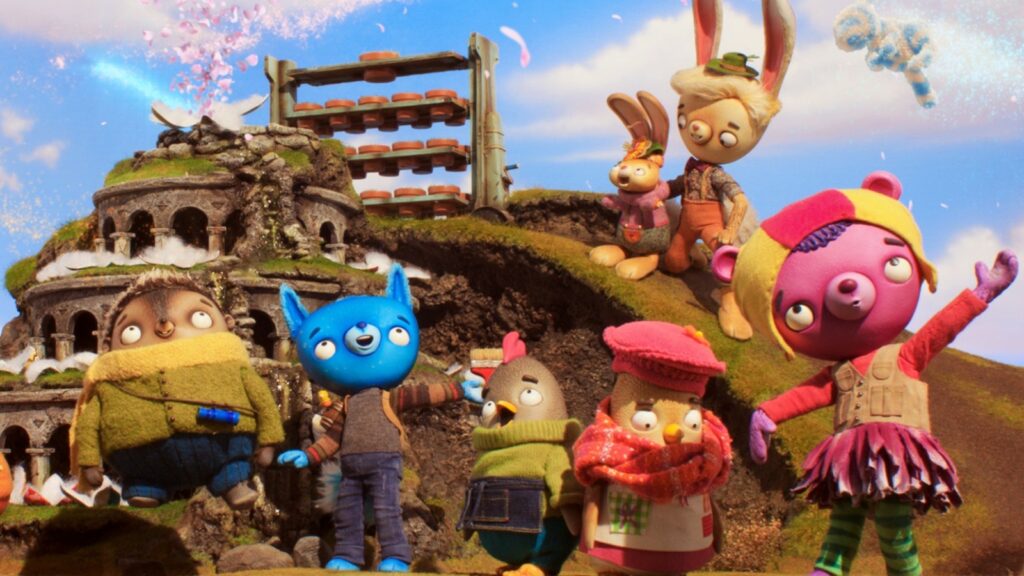
In “The Nature of Friendship,” Stick becomes interested in spending time alone, and Fig initially feels hurt and confused. As the day unfolds, Fig experiments with giving space while still staying connected, discovering new ways to play independently without losing closeness. Gentle discoveries in nature help Fig to understand that friendship doesn’t require constant togetherness. By the end, Fig and Stick reunite with a deeper appreciation for one another, recognizing that friendships can stretch and change while remaining strong and meaningful.
How “The Nature of Friendship” teaches lessons about Family and Friendship: The main lesson of this Tumble Leaf episode is that healthy friendships include both togetherness and independence. Fig’s emotional response reflects common childhood fears about being left out or replaced, and the episode helps by showing kids that giving space doesn’t mean losing connection. The episode encourages emotional resilience, trust, and self-confidence, helping children understand that strong friendships are built on respect and understanding. It’s a great message, and for younger audiences, this cartoon about friendship and family is an easy watch.
Recommended Ages: 2–5
Where to Stream: Amazon Prime
Puffin Rock – “Just Like Mama” Season 2, Episode 8
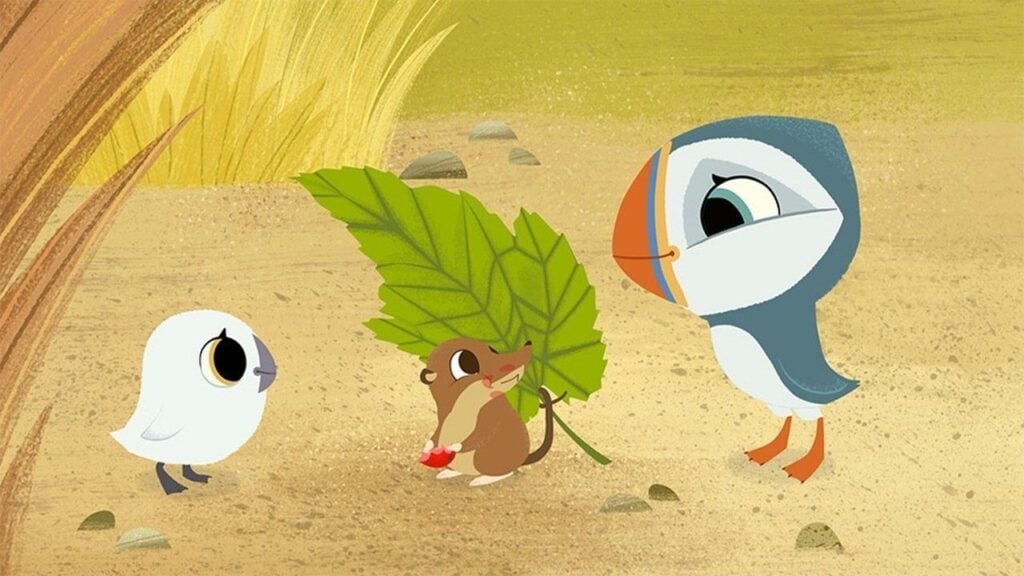
In the episode “Just Like Mama,” Baba Puffin sets out to imitate everything his mother does, believing that copying her actions is the best way to learn and grow. Mama gently guides Baba, allowing him to try things while offering reassurance and protection when needed. Baba gradually learns that while it’s okay to admire and imitate family members, discovering his own abilities is equally important. The episode ends with Baba gaining confidence in himself, supported by his family’s patience and love. The gentle narration and peaceful setting reinforce the warmth of family bonds.
How “Just Like Mama” teaches lessons about Family and Friendship: “Just Like Mama” shows children that their family members can be great teachers from whom to learn. In the episode, Mama provides both guidance and space for growth, allowing Baba to learn through observation. Baba’s actions teach children that it’s okay to try, fail, and try again while knowing family members are there to help. Kids can see that independence develops gradually and safely within loving family relationships.
Recommended Ages: 2–5
Where to Stream: Netflix
Paw Patrol – “Pups Save a Friend” Season 2, Episode 15
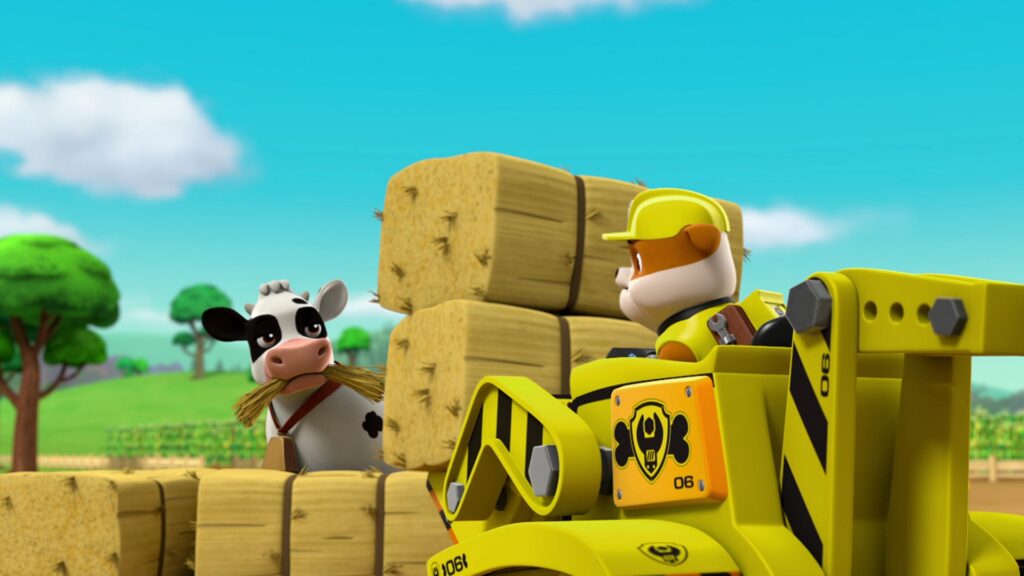
Yes, there are redeeming aspects of Paw Patrol. In the pup-tacular “Pups Save a Friend” Episode, Marshal faces danger during a rescue mission, causing him to suffer a pretty deep dash in his confidence. One by one, the Pups and Ryder are there to encourage, help, and guide Marshal back into believing in himself. It’s hard to determine whether the Pups are friends or family, but in this case, the team’s love and support save the day.
How “Pups Save a Friend” teaches lessons about Family and Friendship: This episode teaches children that true support means showing up for others when they need help. The Paw Patrol, on their own, teaches teamwork, emotional support, and problem-solving under stress, but this episode focuses on teaching children that asking for help is a strength—not a weakness—and that everyone has something valuable to contribute. It also helps build confidence and teaches children that they can rebuild themselves after a frightening moment.
Recommended Ages: 3–6
Where to Stream: Paramount+ / Nickelodeon
Jelly, Ben & Pogo – “Say It With a Song” Season 1, Episode 20
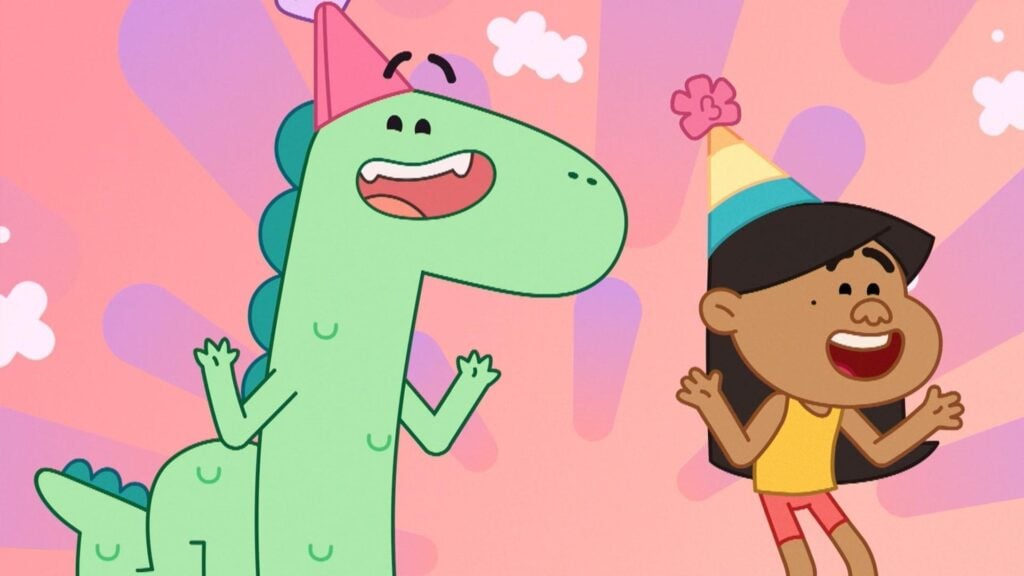
The episode “Say It With a Song” depicts Jelly and Ben struggling to express their feelings during a disagreement, which leads to frustration and misunderstandings. Their friend Pogo proposes using music to communicate emotions more clearly. Through playful songs, the group explores how emotions such as sadness, excitement, and frustration can be expressed creatively. By the end, Jelly and Ben resolve their conflict, deepen their understanding of one another, and strengthen their friendship.
How “Say It With a Song” teaches lessons about Family and Friendship: This episode demonstrates that communication is essential to strong family and friendship relationships. It validates emotional expression and encourages creativity as a healthy outlet. Kids learn that misunderstandings don’t have to lead to conflict with friends or family when emotions are shared openly. The episode encourages emotional literacy, empathy, and problem-solving skills. Importantly, it reassures children that their feelings are normal and that finding the right way to express them can bring friends closer together.
Recommended Ages: 2-8
Where to Stream: PBS Kids
Steven Universe – “Mirror Gem / Ocean Gem” Season 1, Episodes 24–25

Steven Universe offers numerous lessons on friendship, family, heritage, and more, making it a must-watch in my house. In the two-part “Mirror Gem / Ocean Gem”, Steven discovers a magical mirror containing a trapped Gem named Lapis Lazuli. Steven is initially excited by the mirror’s ability to show him distant places, but he eventually realizes that Lapis is conscious and trapped. After he listens to her story, Steven works to free her, despite warnings from the other Crystal Gems. Once released, Lapis’s fear and anger precipitate a massive ocean threat, prompting Steven to appeal to her emotions with empathy and reason rather than fight her. By speaking honestly and compassionately, Steven helps calm the situation, emphasizing understanding over force.
How “Mirror Gem/Ocean Gem” teaches lessons about Family and Friendship: This story teaches kids that friendship and compassion begin with listening. Steven recognizes Lapis’ pain and tries to understand her, rather than merely seeing her as someone trapped in a mirror. Viewers are shown that strong relationships—whether with friends or family—require patience, emotional honesty, and respect for boundaries. “Mirror Gem / Ocean Gem” encourages emotional intelligence, kindness toward others’ struggles, and peaceful conflict resolution rather than aggression. Kids can apply these skills to all kinds of interactions in their daily lives. For the older children in your home this is an easy pick for a cartoon about friendship and family.
Recommended Ages: 8–12
Where to Stream: Max (HBO) / Hulu
We Bare Bears – “Our Stuff” Season 1, Episode 4
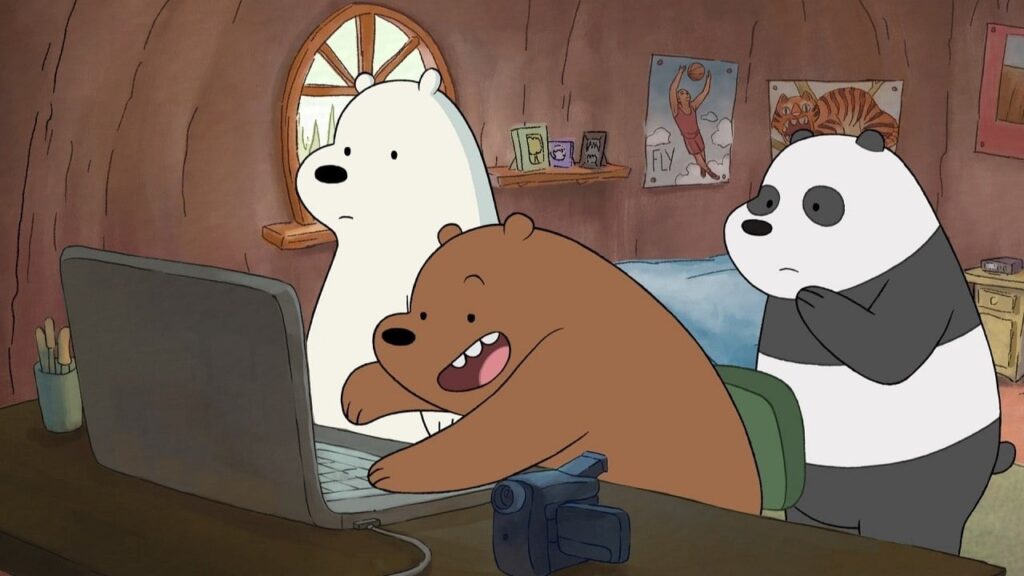
Even bears can sometimes have too much stuff. In this episode, Grizz, Panda, and Ice Bear attempt to reorganize their cave after it becomes cluttered with belongings. As they begin sorting items, tensions arise over what to keep, donate, or discard. Each bear attaches emotional meaning to different objects, sparking arguments and misunderstandings. Through a series of mishaps and compromises, the brothers learn how to communicate their feelings and respect each other’s perspectives. Ultimately, they realize that the objects matter less than maintaining harmony and understanding in their shared home.
How “Our Stuff” teaches lessons about Family and Friendship: This is an ongoing conversation in our home as toys, games, and crafts pile higher and higher. “Our Stuff” shows how disagreements can happen over anything, even among loving family members, but they don’t have to lead to conflict. By communicating their feelings openly and respecting one another’s attachments, the Bears demonstrate healthy problem-solving skills. Kids learn that cooperation and kindness help families live together happily, especially when assigned to “stuff.” The episode teaches kids that family relationships require compromise and empathy.
Recommended Ages: 6–11
Where to Stream: Max / Hulu
Bluey – “Verandah Santa” Season 1, Episode 52

In “Verandah Santa,” Bluey incorrectly believes that Santa will skip her house since there’s no chimney on the veranda (a discussion that we’ve had many times in my household). Concerned, Bluey devises a series of imaginative games to “prove” she’ll still be visited by Santa. Her friends and family join the holiday play, helping turn anxiety into laughter-filled interactions. Eventually, with gentle guidance from her parents, Bluey learns that being kind and sharing joy with others really matter. The story blends whimsical play with real emotion, ultimately focusing on connection rather than perfection.
How “Verandah Santa” teaches lessons about Family and Friendship: “Verandah Santa” blends whimsical play with real emotion, ultimately emphasizing connection over perfection. Bluey’s friends show her that friendship is more important than rigid rules or expectations. The supportive interactions between Bluey and her friends show how patience, encouragement, and understanding can help reframe worries into positive, constructive experiences. By observing Bluey’s emotional ups and downs, young viewers learn that it’s okay to ask questions, express concerns, and rely on others to help navigate confusing feelings.
Recommended Ages: 3–7
Where to Stream: Disney+
Amphibia – “Best Fronds” Season 1, Episode 7a
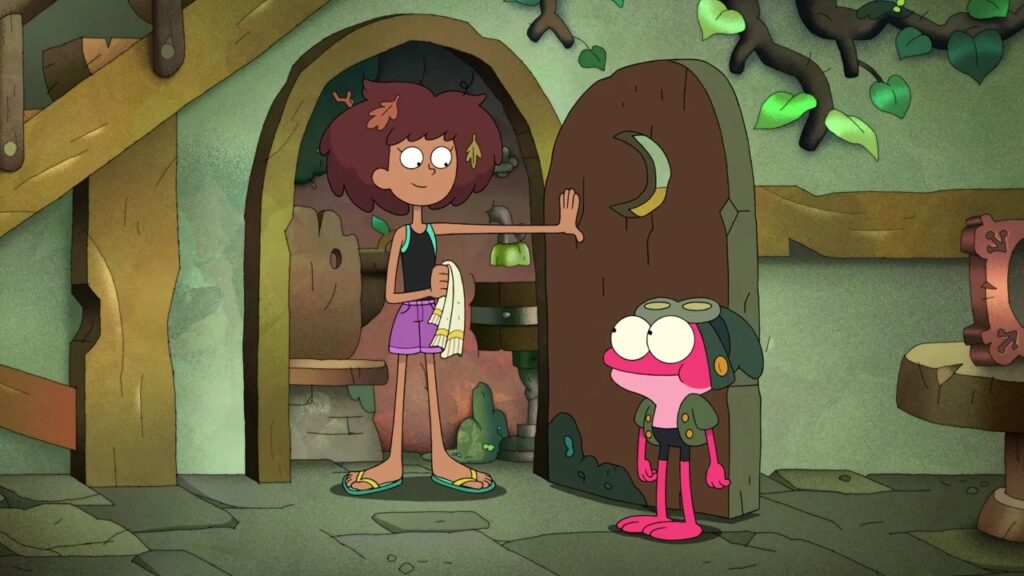
Anne encourages Sprig to reconnect with his childhood friend Ivy, believing it will be an easy and joyful reunion. However, Anne’s interference causes tension when she tries too hard to force the friendship back to the way it used to be. Sprig struggles to express how friendships can change over time, while Ivy feels misunderstood. Through miscommunication and eventual honesty, the friends rediscover their bond in a new, more mature way—without pressure to be exactly as they were before.
How “Best Fronds” teaches lessons about Family and Friendship: “Best Fronds” teaches kids that friendships evolve, and that’s okay. Just because someone was a friend in the past doesn’t mean that the friendship won’t change over time. The episode highlights the importance of respecting others’ feelings and allowing relationships to grow naturally. Kids learn that not forcing people to be the friends they once were grows new bonds through honest communication. Children learn that true friends accept each other as they are now, not merely as they were.
Recommended Ages: 7–12
Where to Stream: Disney+
Peppa Pig – “Best Friend” Season 4, Episode 10
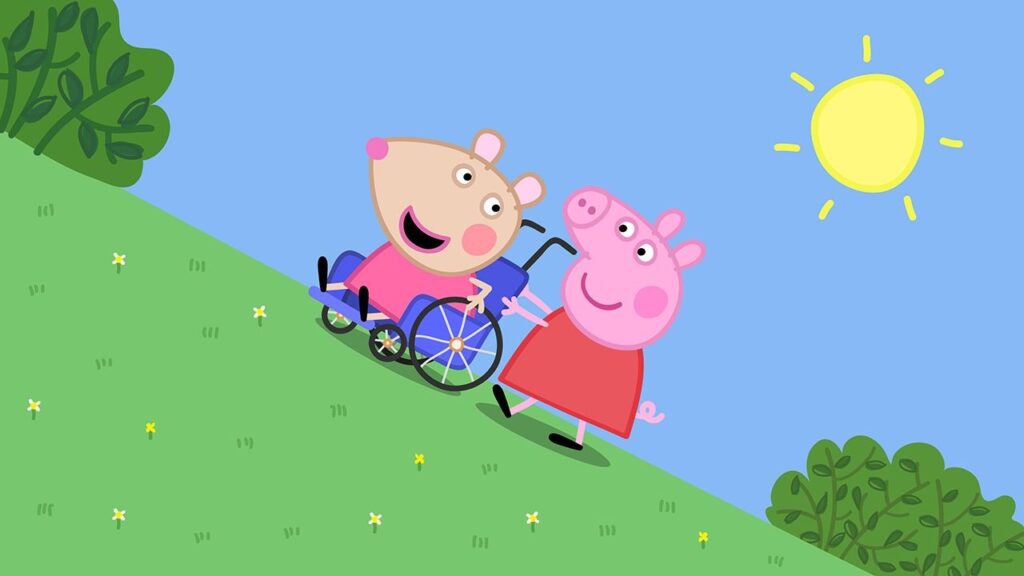
It’s no secret that friends argue sometimes. In “Best Friend,” Peppa and Suzy Sheep argue over just that: who is whose “best friend?” This leads to both parties feeling hurt by the needless competition. As Peppa tries to decide who deserves the title, she realizes that friendship isn’t something to rank or win. Through play and minor misunderstandings, the characters learn that friendships can overlap and that caring about multiple people doesn’t diminish the importance of their “Best” friend. The episode ends with reconciliation and cooperative play.
How “Best Friends” teaches lessons about Family and Friendship: This episode teaches young kids that friendship isn’t exclusive or competitive. It helps children understand that it’s acceptable to have more than one close friend and that jealousy can be addressed by communicating feelings. This is especially effective for preschoolers entering social situations for the first time. By encouraging inclusivity, emotional awareness, and reassurance that friendships grow stronger through kindness, “Best Friends” shows kids how to form healthy friendships across the board.
Recommended Ages: 2–5
Where to Stream: Netflix
The Lion Guard – “The Rise of Makuu” Season 1, Episode 3
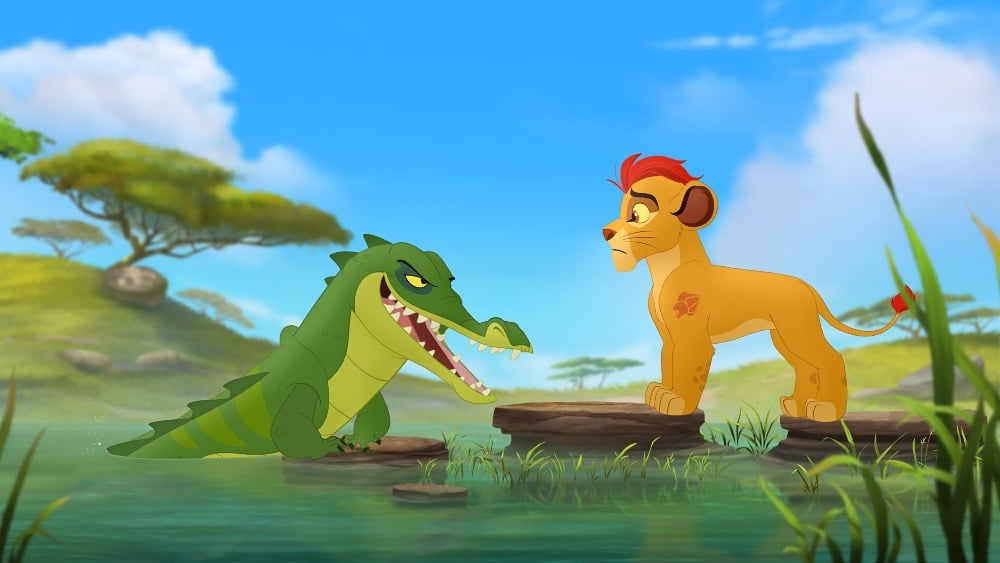
Within family or friendship groups, compromise is key. In “The Rise of Makuu,” crocodile leader Makuu challenges Simba’s authority. Kion and the Lion Guard must find a peaceful solution to rising tensions. Rather than relying solely on strength, Kion listens to Makuu’s grievances and works to negotiate fairness between groups. Through dialogue and compromise, balance is restored in the Pride Lands, reinforcing the idea that healthy and successful friendship and family dynamics depend on understanding others’ perspectives, even in the face of potential conflict.
How “The Rise of Makku” teaches lessons about Family and Friendship: This episode of The Lion Guard teaches kids that family and friendship thrive on communication and fairness. Kion demonstrates empathy and leadership by listening before acting. For there to be genuine understanding and progress, everyone must listen to the other’s perspective. Resolving disagreements through respect and discussion leads to stronger relationships than trying through force. Cooperation, responsibility, and emotional maturity within families and peer groups are the key to success.
Recommended Ages: 5–9
Where to Stream: Disney+
Gravity Falls – “Not What He Seems” Season 2, Episode 11

Gravity Falls is a highly unusual show that offers many lessons to explore. In “Not What He Seems,” Dipper and Mabel uncover a shocking secret about their great-uncle, Grunkle Stan, making them wonder if he can be trusted. Tensions rise, and misunderstandings escalate, culminating in a dramatic confrontation that tests the twins’ loyalty to a family member. Mabel must decide whether to believe evidence suggesting that Stan is dangerous or to trust the family bond she has built with him over the summer. The episode culminates in a powerful moment where faith in family outweighs fear, changing the course of the series.
How “Not What He Seems” teaches lessons about Family and Friendship: This episode of Gravity Falls shows that family trust is built over time and tested in moments of doubt. It shows that while questioning is healthy, relationships thrive when empathy and open communication are present. It shows that giving someone a chance before making sweeping determinations can strengthen family trust rather than cause fractures. Kids will see that the story reinforces loyalty, emotional maturity, and the importance of standing by loved ones while still acknowledging complex feelings. Disney has many cartoons about friendship and family, and for kids ages 8 to 13, this is among its best recent offerings.
Recommended Ages: 8–13
Where to Stream: Disney+
My Little Pony: Friendship Is Magic – “Griffon the Brush Off” Season 1, Episode 5
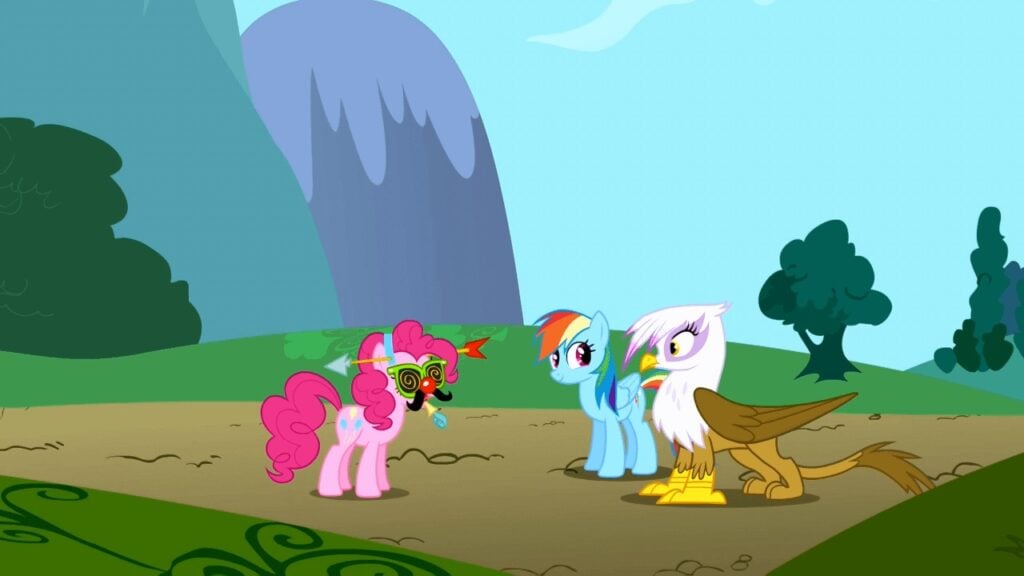
When Rainbow Dash reconnects with an old friend, Gilda the Griffon, she must navigate the tense dynamics that emerge as Gilda’s rude behavior disrupts Ponyville. At first, Rainbow enjoys reminiscing about old times, but Gilda quickly alienates the other ponies by belittling them. The Ponys work to bridge the gap and help Gilda recognize the importance of mutual respect, leading both friends to confront how hurtful actions affect others. Through lively interactions and missteps, the characters learn that true friendship depends on kindness and respect as much as history.
How “Griffon The Brush Off” teaches lessons about Family and Friendship: This episode teaches children that friendship is not just about having shared memories—it’s about how we treat others today. Gilda’s obnoxious attitude demonstrates to children that behavior matters, and Rainbow’s realization that old friends can change helps viewers understand that reconnecting with people should come with respect, not entitlement. Through clear conflict and resolution, the episode promotes healthy communication and the acceptability of setting boundaries. The episode also encourages forgiveness and understanding while reinforcing that mistreatment shouldn’t be ignored. Watching stories like this can help kids recognize healthy versus unhealthy interactions in their own friendships.
Recommended Ages: 6–10
Where to Stream: Netflix
Kung Fu Panda: Legends of Awesomeness – “Enter the Dragon” Season 1, Episode 1
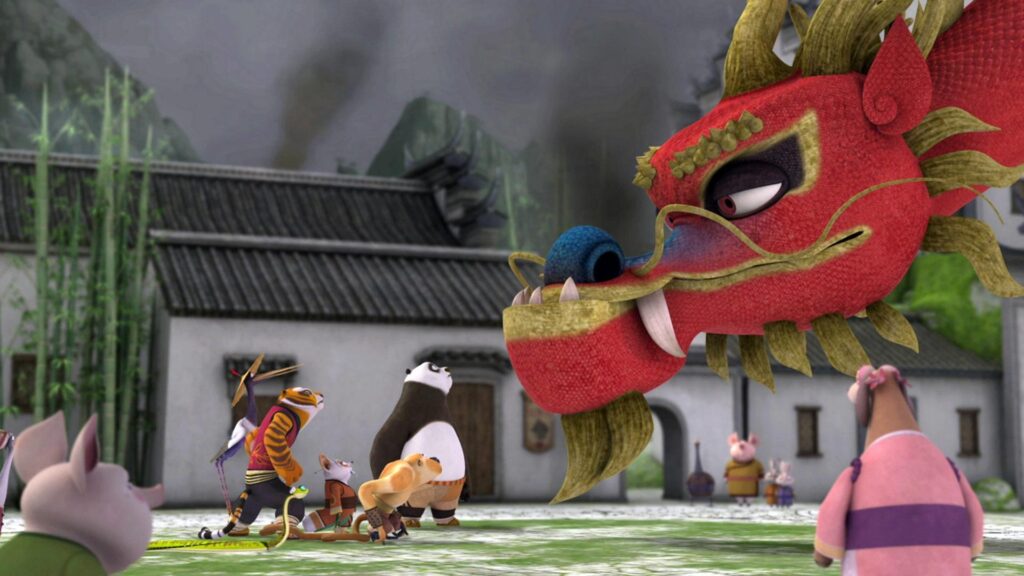
In this premiere episode of the movie spin-off series, Po struggles to step into his role as the Dragon Warrior while training with the Furious Five, who initially doubt his abilities. Miscommunication and bruised egos create friction, making Po feel like an outsider. When danger strikes the Valley of Peace, Po must work with the team rather than prove himself alone. Through collaboration and humility, Po earns the group’s trust and begins forming genuine friendships with his fellow warriors.
How “Enter The Dragon” teaches lessons about Family and Friendship: Kids familiar with these characters from the movie series will see how different personalities can clash but ultimately come together. “Enter The Dragon” teaches kids that friendship and teamwork grow through respect, patience, and shared effort. Po’s journey shows that belonging isn’t about perfection but perseverance and kindness. This is a great lesson for kids who are learning that earning trust takes time and that cooperation leads to stronger relationships than competition or pride.
Recommended Ages: 6–10
Where to Stream: Netflix / Paramount+
Rise of the Teenage Mutant Ninja Turtles – “Bug Busters” Season 1, Episode 8

The TMNT world is full of martial arts action and sci-fi excitement. It’s easy to miss out on the fact that, at its heart, Teenage Mutant Ninja Turtles is about family. In “Bug Busters,” the Turtle brothers embark on a mission that quickly goes awry when overconfidence and miscommunication cause chaos. Each brother attempts to solve the problem independently, leading to errors and escalating tension. Only when they regroup, acknowledge their errors and strengths, and work together do they succeed.
How “Bug Busters” teaches lessons about Family and Friendship: “Bug Busters” balances humor and action while highlighting the dynamics of sibling relationships. It teaches kids that siblings may argue, but teamwork and honesty strengthen family bonds. It shows that conflict is normal in families (even mutant ones) and that cooperation and mutual respect are key to resolving it.
Recommended Ages: 7–12
Where to Stream: Paramount+
The Proud Family: Louder and Prouder – “Snackland” Season 1, Episode 5

Penny Proud and her friends visit a futuristic snack-themed amusement park, where excitement quickly turns to chaos. As problems arise, Penny must navigate peer pressure, leadership responsibilities, and the influence of her family’s values. The episode blends humor with heartfelt moments as Penny reflects on lessons learned from her parents and applies them to her friendships.
How “Snackland” teaches lessons about Family and Friendship: “Snackland” teaches kids that family values guide how we treat friends and make decisions. It also shows the inverse: your family values and relationships can guide friendships as well. Penny’s growth shows that lessons learned at home can positively shape behavior in social settings. The episode benefits kids by reinforcing integrity, accountability, and the importance of staying true to oneself while maintaining healthy friendships.
Recommended Ages: 8–13
Where to Stream: Disney+
And that wraps up my family’s top picks for the best cartoons about friendship and family. Hopefully, you find a new episode or series to watch with your children, because all of the shows on this list offer not only these important lessons, but also many others your children will learn and recognize.
