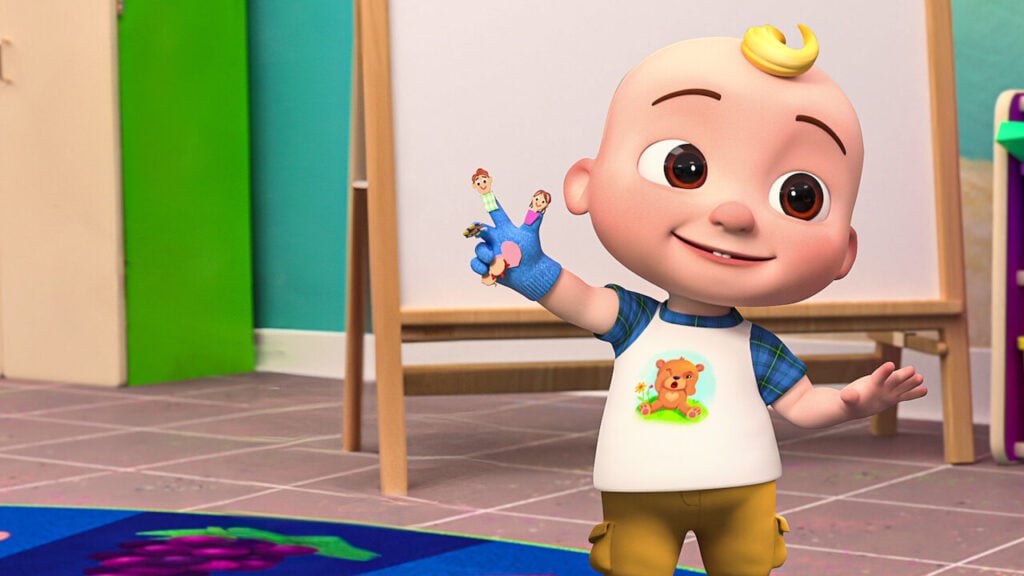
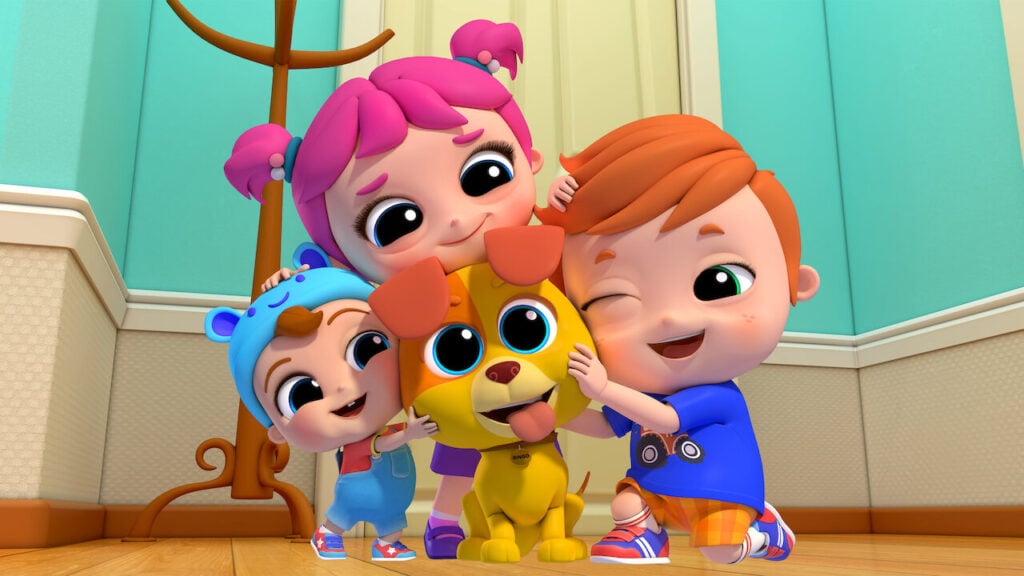
Moonbug Entertainment, the studio behind CoComelon, Blippi, and Little Angel, has announced a formal partnership with the Center for Scholars & Storytellers (CSS) at UCLA to bake child development research directly into the shows your preschoolers are already watching on YouTube, Netflix, and Disney+.
The Los Angeles-based collaboration brings academic researchers into the writers’ room, where they help shape episodes from the earliest pitch through the final cut across Moonbug’s biggest preschool brands and spin-offs, such as CoComelon’s new live-action series, The Melon Patch.
Can Kids Really Learn From YouTube?
It’s the question every parent of a screen-loving toddler has asked at some point. As a dad of four, I’ve watched my own kids cycle through every nursery rhyme channel imaginable, and the honest answer from researchers is yes, kids can learn from online video, but only when the content is built around how young brains actually process stories.
That’s the gap Moonbug and CSS are trying to close. For decades, shows such as Sesame Street leaned heavily on developmental research. Most creator-led YouTube content for kids hasn’t had the same backing, even though that’s where a huge chunk of preschool screen time now goes.
Four Learning Principles Coming This Spring

At the heart of the partnership are four core learning principles that CSS developed in collaboration with academic scholars and Moonbug’s creative team. The principles will be released publicly this spring, and they’re meant to do double duty.
For Moonbug’s writers and producers, they act as a creative guide. For parents, they offer a clearer way to spot what developmentally appropriate content actually looks like when you’re scrolling through autoplay suggestions.
CSS built the principles after a 2023 review of peer-reviewed research on early childhood learning. Researchers also sat in on Moonbug’s creative process, interviewed the teams making the shows, analyzed episodes, and worked with an advisory council of academic experts.
What This Looks Like Inside the Writers’ Room
Late last year, Moonbug expanded the partnership so CSS researchers and learning experts now collaborate directly with the creative teams. That work includes three concrete things.
First, they help define learning goals for each season, covering life skills, social-emotional learning, and cognitive development.
Second, they shape story ideas and episode themes before scripts get written.
Third, they review scripts and early cuts to ensure learning moments are clear and appropriate for the right age group.
What the People Behind It Are Saying
“As more preschoolers spend time on digital platforms, parents and creators are asking more urgent questions about what quality screen time actually means,” said Dr. Yalda T. Uhls, founder and CEO of CSS at UCLA. “Research shows children can learn from online video, but only when it’s designed with child development in mind.”
Uhls also emphasized this is meant to be a long-haul effort, not a one-off announcement. “Translating research principles into a production environment takes a sustained effort, and a real measure of success will be how consistently these principles shape creative principles over time.”
Rich Hickey, Chief Creative Officer at Moonbug, framed it from the storytelling side. “To make great stories for young kids, you have to start with how they learn. Our teams already think deeply about how toddlers experience music, stories, and everyday moments. This partnership with CSS renews that commitment and helps us be even more intentional in how we build stories from the earliest ideas through production.”
The Experts Already in the Mix
Moonbug isn’t starting from zero here. The studio has worked for years with learning consultants, including Dr. Natascha Crandall, Dr. Allison Briscoe-Smith, and Dr. Laura Brown, all of whom will keep collaborating with Moonbug’s creative leadership alongside the new CSS partnership.
Why This Matters for Parents
If your kid is anything like mine, the TV is on more than you’d like to admit some weeks. The reality of modern parenting is that screen time is part of the deal, especially for work-from-home families juggling deadlines and snack requests.
What’s encouraging about this announcement is that the biggest player in digital-first preschool content is publicly committing to research as part of the process, not as a marketing afterthought. CoComelon alone reaches an enormous audience, and small changes in how those episodes are structured can ripple out to millions of households.
The real test, as Dr. Uhls pointed out, will be consistency. Parents should watch for the four learning principles when they drop this spring, and keep an eye on whether the shows themselves start to feel different over the next year. For now, it’s a meaningful step toward making the videos our kids are already watching work a little harder for them.