

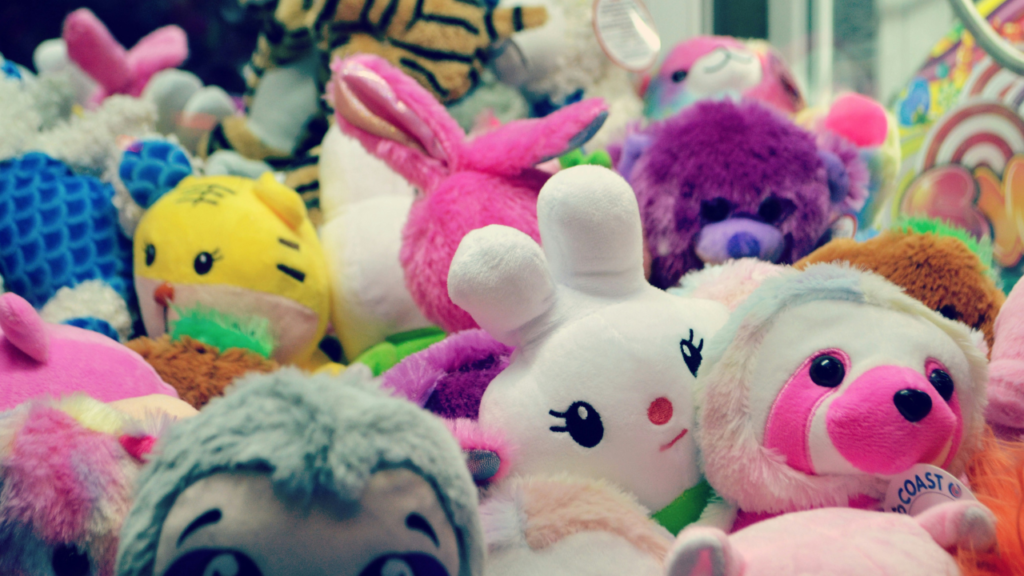
If your child’s playroom is overflowing with toys, you may wonder whether all that stuff is actually helping them play. Experts say there isn’t one magic number, but having fewer, more purposeful toys may help children focus, play creatively and get more out of what they already own.
For many families, the problem isn’t buying one too many birthday gifts—it’s the steady accumulation of toys over years. Experts say an abundance of choices can make it harder for young children to settle into meaningful play, particularly when toys are constantly competing for their attention.
Research found that toddlers between 18 and 30 months demonstrated higher-quality play when given four toys rather than 16. Too many options may leave children overstimulated and distracted instead of encouraging the longer stretches of play parents hope for.
That doesn’t mean parents need to empty the playroom. “There is far more developmental value in having 10-15 open-ended toys that can be used in multiple ways than having over 50 single-use toys,” says parenting expert Evan Gold.
What Experts Say About the Right Number of Toys
Psychologists Maithri Sivaraman, Ph.D., and Tricia Striano Skoler, Ph.D., point to research showing that fewer toys can help toddlers develop focused attention. In one study, children given four toys played for longer and more creatively than those given 12.
The researchers found that children with fewer toys spent twice as long exploring each one and were more likely to use individual toys in different ways. That suggests parents may get more mileage from a smaller collection of versatile toys than from a room packed with specialized gadgets.
One older study found that middle-class American families had an average of 139 toys visible to children in their homes. The issue, experts suggest, isn’t simply ownership but how many toys are constantly visible and competing for a young child’s attention.
How Can Parents Tell If It’s Time to Declutter?
Start by watching your child’s behavior rather than counting every toy. If your child regularly jumps from one toy to another, struggles to choose something to play with or seems bored despite having plenty of options, it may be time to simplify the selection.
Parents can also look at which toys actually get used. Toys that encourage several kinds of play—such as blocks, craft supplies, puzzles or pretend-play items—may be more valuable to keep than single-use toys that quickly lose their appeal.
Instead of secretly throwing everything away, experts recommend involving children in sorting their belongings. Toy rotation can also help: keeping some toys stored away and bringing them back later can make old favorites feel new again.
Finally, consider whether your child’s collection offers a range of developmental opportunities. Michigan State University Extension recommends choosing toys that support different skills rather than reinforcing narrow stereotypes, including building, drawing, puzzles, music, physical activity and social-emotional play.

