
Picky eating tends to begin between the ages of 2 and 4. It’s a tale as old as time: Parents have a baby who seems to eat everything, and then, once they reach toddlerhood, they no longer eat the things they used to love. Small pieces of broccoli and chicken have been ignored in favor of macaroni and cheese or chicken fingers.
Dr. Cara Goodwin, PhD. explained that picky eaters are those who “eat a limited variety of foods and resist trying new foods.” Almost 60% of children ages 1 to 4 are considered picky. And while picky eating is considered “normal,” it can be hard to accept, especially when parents are trying to make sure their children are getting nutrient-dense foods and a diet full of color.
It can also be perplexing when children change their eating habits entirely. However, researchers and experts in the field have found that picky eating is rarely about the food itself.
Picky Eating Is Not (Always) About The Food

Experts agree that picky eating is not about the food. It’s not always about the quality, menu items, or time of day they’re eating. Picky eating can also stem from a series of strong, non-threatening factors.
Developmental: The National Library of Medicine reported that picky eating begins during a massive developmental stage for toddlers. Toddlers learn that they have a voice, and they don’t always have to eat certain foods if they don’t want to. They are no longer attached to their moms, and they can say and do what they please (to a point, of course). Those at the Children’s Hospital of Philadelphia believe that picky eating is “developmentally normal” and stems from being naturally apprehensive about new sensations and fears that they won’t like anything new or different.
Autonomy: Picky eating can be a repercussion of autonomy. Toddlers are learning independence and will push back if they don’t feel like they need to do something. If they’re not hungry for rice and vegetables, they’ll be sure to let you know! Pushing back and fighting for their independence is a developmental milestone. For once, they’re in control of their day, and they may push their refusal to the limits just to prove a point.
Control: It’s rare for a toddler to plan or dictate their day. Their moms and dads typically have their days mapped out, including what they’re doing, where they’re going, and what they’re eating. By refusing their food or being picky about the particulars, a child finally feels in control. They have genuine control over what they eat, and that can be incredibly enthralling for them. Asserting power over food may be shocking to parents, but it’s a new high for kids.
Sensory or Motor Issues: Picky eating could be an underlying issue surrounding sensory or motor issues, both of which can create anxieties around food.
Quick (But Loving) Tips
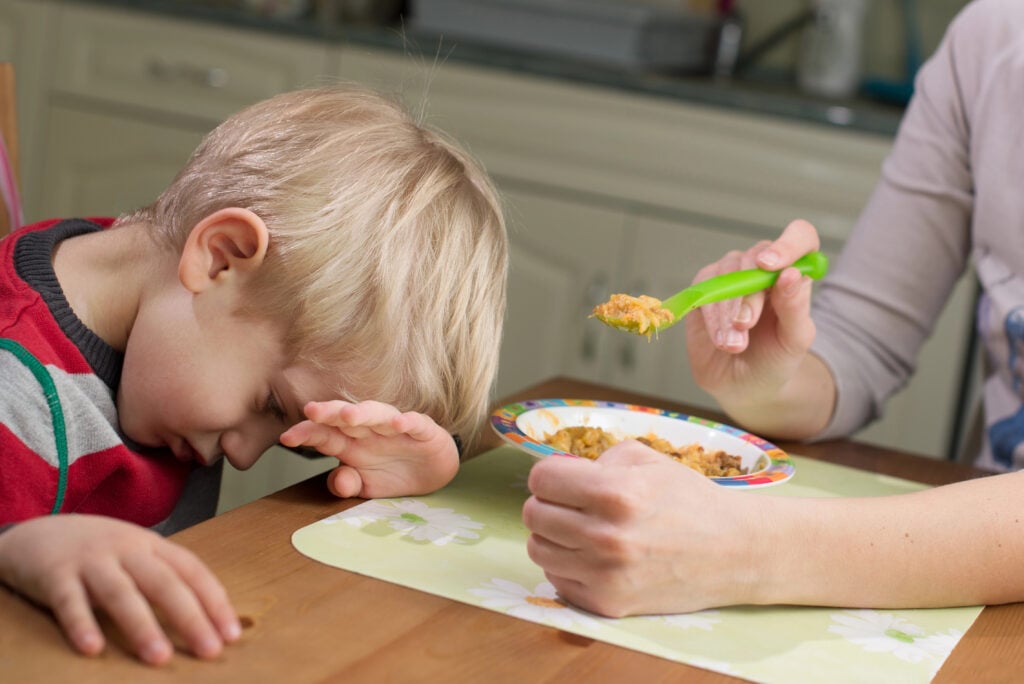
It’s important to remember that if you have a picky eater, they’re not trying to manipulate you through food, and you’re not a bad parent because your child is suddenly a picky eater. As noted, picky eating is primarily driven by developmental milestones, autonomy, and control.
You’re bound to get some incredible advice from fellow parents dealing with similar picky eaters, but experts have some prudent tips.
Tips
Honesty: Surround food with honesty. Don’t sneak vegetables into meals and lie about what they are. This can create a dishonest relationship, plus confuse kids about what different foods actually taste like.
Connection: Food can be about connection. Having meals together as a family is a great way to work on social cues and manners. Create a safe, calm atmosphere during meals to form a connection. Try to limit additional sounds like music or other electronics, and have it be more about connection over consumption.
Don’t Give Up: Don’t give up on new foods. According to CHOP, it takes eight to 15 tries for a child to accept new food. Similarly, research shows parents introduce a food five times before giving up. In short: don’t give up!
Limit Snacks Before Meals: Snacking can be the norm for toddlers, but parents need to time it correctly so kids show up for mealtimes hungry.
Routine: Kids thrive in a routine. Having routines around mealtime can make it easier for a child to understand the expectations.
While there are plenty of things to try to get your toddler to eat, there are also a few suggestions experts advise to stay clear of.
What Not To Do
Pressure & Force: Pressuring your child to eat (“You have to eat that chicken or you can’t leave the table.”) tends to have the opposite effect on children. Experts at the National Library of Medicine concluded that kids get pickier with food the more pressure they feel. “Pressure that is intrusive or not responsive to the child is theorized to cause increases in picky eating.” Be receptive and supportive without aggression.
Separate Meals: Some parents will cook separate meals for themselves and their children. While admirable, because it takes more time and effort, it’s best to serve your child a variation of what you’re eating rather than a separate meal. Not only is it less stressful for the cook, but they also learn that their every
Dramatic Reactions: Just as parents shouldn’t get angry at their child for not eating their food, they shouldn’t get overly excited and clap or cheer when their kids finally eat something they’ve been ignoring. The dramatics bring a realization that everyone is watching them. That new sense of attention can bring more picky behaviors, anxiety, and confusion around excitement and food.
Most parents are well-intentioned and simply want the best for their children, including the many benefits of food. Create a calm atmosphere, act naturally, and stay consistent with food introductions.
When To Call A Doctor
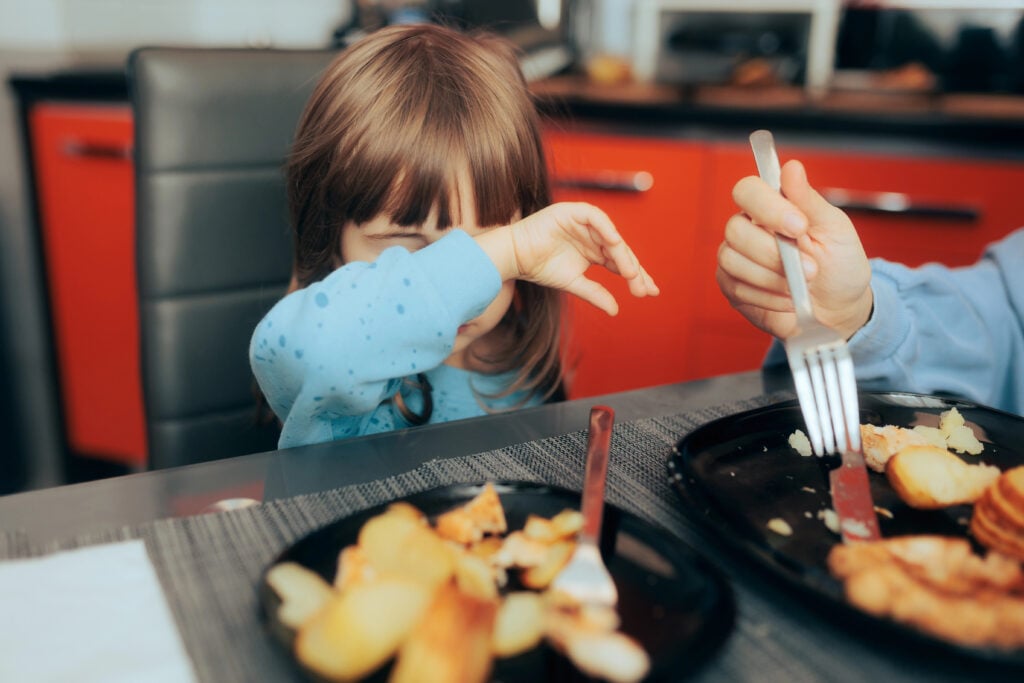
It can be hard to decipher when to call a doctor over picky eating. Parents vary, with picky eating being a developmental issue or something bigger, like sensory issues.
Some children even develop neophobia (an unnatural fear of anything new) towards food. Toddlers may be fearful of new foods because of their texture, smell, or a negative past experience (such as choking). Those with food neophobia are skeptical of trying anything new and may need professional assistance.
When to Call a Doctor:
- The toddler is losing a significant amount of weight.
- He/she is refusing all food and drink.
- Low energy and is always tired
- Dehydrated and constipated (only two stools a week, per Solid Starts)
Your pediatrician will work closely with you or connect you with the proper specialists to get your child’s appetite back on track. Mealtimes can seem daunting, but they don’t need to be impossible. Keep notes of the kinds of foods your toddler is eating, how frequently they eat, and their bathroom routine. The information will be important for professional care.