

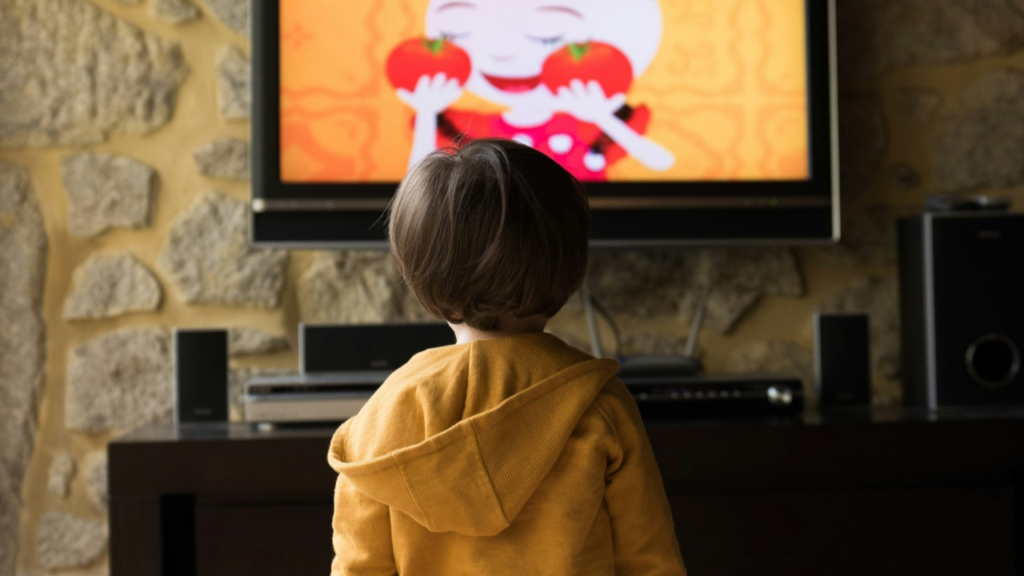
The pace of children’s television may have a bigger impact on young viewers than parents realize. New research and expert commentary suggest that rapidly edited shows, with constant movement, sound effects, and frequent scene changes, can make it harder for children to concentrate and process information.
A recent report explores concerns that fast-paced programming may affect children’s attention, executive functioning, and ability to engage with slower activities. Researchers have raised questions about whether shows designed to hold children’s attention through constant stimulation make everyday experiences seem less exciting by comparison.
The concern is not simply how long children watch television, but what they are watching. Slower storytelling can give young viewers more opportunities to follow narratives, understand characters, and process what happens on screen.
Kids Are Finding Entertainment Beyond Traditional Television
Children’s viewing habits are changing, with YouTube, streaming services and other digital platforms increasingly competing with traditional television. This shift means young viewers are encountering entertainment in formats that often prioritize quick transitions, short videos, and continuous engagement.
According to Nielsen, children’s television usage increased in June 2023, with approximately 90% of that additional viewing coming from non-traditional sources. The findings highlight how much children’s entertainment habits have shifted toward digital platforms rather than conventional television programming.
These platforms also make it easier for children to move rapidly between videos, creators, and topics. Autoplay and recommendation algorithms can encourage continuous viewing, potentially exposing young audiences to a much faster stream of entertainment than traditional scheduled programming.
What Does Slow Media for Kids Recommend?
SlowMediaForKids, a Norwegian organization, advocates for more thoughtful media choices, encouraging parents and educators to consider how entertainment affects children’s development. Its approach emphasizes slower-paced storytelling, age-appropriate content, and media experiences that leave room for imagination and reflection.
Rather than suggesting that children should avoid screens altogether, the organization encourages families to prioritize quality over quantity. Slower programming can give children time to absorb information, follow storylines and engage with characters without being overwhelmed by constant stimulation.
Parents can put these ideas into practice by choosing shows with longer scenes, coherent stories and fewer rapid edits. They can also balance screen time with reading, outdoor play, creative activities and family conversations, helping children develop attention skills beyond the screen.

