

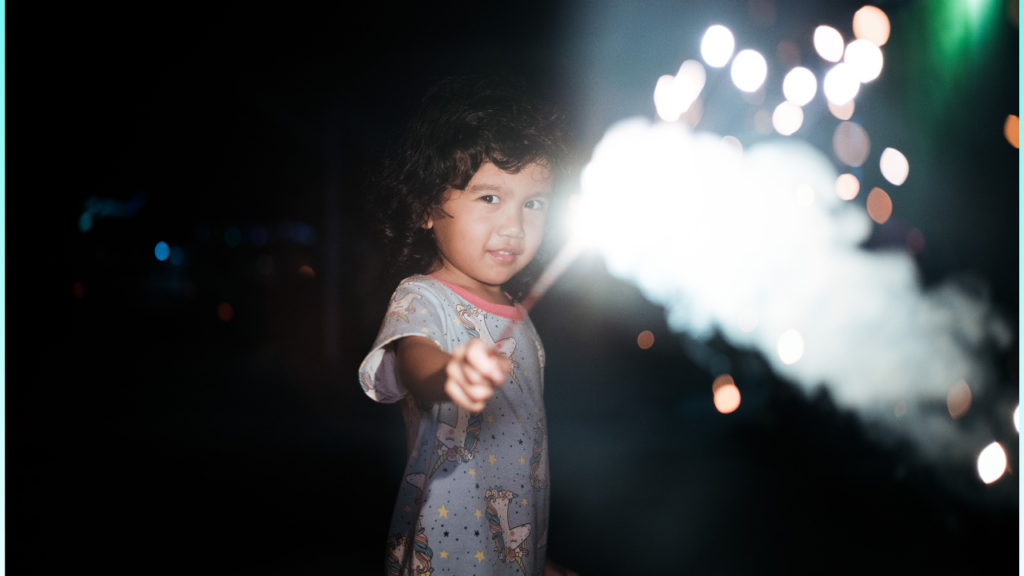
Fireworks may be a popular part of holiday celebrations, but they also present serious risks to children and families. Public health experts are renewing calls for stronger fireworks regulations worldwide, highlighting the need for better prevention, public education, and parental supervision.
Public health experts are calling for tighter global restrictions on consumer fireworks, warning that these celebrations pose an underestimated threat to public safety. In a new report published in The BMJ, researchers argue that stronger regulations and ongoing public education campaigns are needed to prevent avoidable injuries.
The researchers point to concerning trends in fireworks-related injuries around the world. In England, nearly 4,500 people visited emergency departments with fireworks injuries in 2017, twice the number recorded in 2009-10.
The experts also want governments to encourage families to attend professional fireworks displays instead of setting off explosives at home. They suggest graphic injury warnings on packaging and educational programs in schools to help children understand the dangers.
Fireworks Injuries Among Children Remain a Serious Concern
Children are particularly vulnerable to fireworks injuries, even when they aren’t handling the explosives themselves. According to the American Academy of Ophthalmology, children aged 15 and younger account for approximately one-third of fireworks-related injuries.
The organization also reports that 65% of fireworks injury victims in one study were bystanders. In 2024, nearly 14,700 people were seriously injured by fireworks in the United States, representing a 58% increase from the previous year.
Sparklers are another surprising source of danger for children. Although frequently considered a safer alternative to traditional fireworks, they can burn at temperatures exceeding 2,000 degrees Fahrenheit and cause serious burns and permanent eye injuries.
Fireworks Safety Tips Every Parent Should Know
Parents should consider attending professional fireworks displays rather than allowing children to participate in backyard celebrations involving consumer fireworks. If attending a public display, families should respect safety barriers, follow instructions, and maintain a safe viewing distance.
Johns Hopkins pediatric sports medicine specialist Dr. Patrick Mularoni warns that even sparklers can be dangerous, burning at temperatures between 1,500 and 3,000 degrees. Children should never run with sparklers, throw them, or use them as pretend swords.
Parents should also keep children away from unexploded fireworks, never allow them to handle fireworks without appropriate adult supervision, and place extinguished sparklers directly into a bucket of water. Ultimately, the safest approach is to leave fireworks to trained professionals and find other ways for children to enjoy the celebrations.

